
Tabelog 100 #1
Our verdict
Ranked second among the top ten ramen bowls in Japan for 2025 by Ramen Beast, Chuka Soba Uosei operates out of Atami's quieter residential edge in Shizuoka Prefecture. Its signature Toku Chuka Tanrei Niboshi Shoyu — a refined, dried-sardine soy broth — represents the school of ramen that prioritises clarity and restraint over richness. For serious ramen travellers, this is one of the more compelling reasons to stop in Atami beyond the hot springs.

Pearl is the En Primeur Club membership app — saves, bookings, and concierge access live there. Same editors, same standards.
The menu
What to order
- Toku Chūka Tanrei Niboshi Shoyu
- Tokusei Chūka Soba
Where Ramen Discipline Meets a Resort Town's Quieter Register
Atami has a particular rhythm to it. The shinkansen deposits visitors from Tokyo in around 45 minutes, and most of them are here for the onsen, the ryokan, and the coastline. The ramen conversation in Japan tends to orbit Tokyo, Fukuoka, and Sapporo — not a Shizuoka resort town of this size. That is precisely what makes Chuka Soba Uosei worth tracking down. It operates at 432-13 Shimotaga, on the quieter, more residential southern fringe of Atami, away from the station-area tourist corridor. Arriving here requires a degree of intent: you are not passing by accidentally.
In 2025, Ramen Beast — one of the more credible English-language voices covering Japan's ramen circuit, ranked Uosei's Toku Chuka Tanrei Niboshi Shoyu second among the leading ten bowls in the country. That single data point reframes what the venue is doing. This is not regional comfort food operating below the national radar. It is a bowl that was evaluated alongside the leading ramen being produced anywhere in Japan and placed at the top of that field.
The Niboshi Shoyu Tradition and Where Uosei Sits Within It
To understand why Uosei's featured bowl matters, it helps to know the tradition it belongs to. Chuka soba, the older, pre-postwar naming convention for what is broadly called ramen today, signals a commitment to the form's classical roots. Niboshi, dried sardine, is one of the more demanding base ingredients in Japanese broth cookery. Its natural bitterness and intense umami must be managed precisely: too little extraction and the broth is flat; too much and the fishiness overwhelms.
The tanrei designation is the critical qualifier here. Tanrei translates roughly as "clear and elegant", a broth style that privileges transparency and refinement over opacity and fat-weight. This places Uosei in the same aesthetic conversation as the kaiseki tradition, where the discipline is not about what you add but about what you hold back. The leading tanrei bowls share something with a well-made dashi: restraint as technique, not absence of ambition. Japan's highest-end dining rooms, places like Gion Sasaki in Kyoto or HAJIME in Osaka, operate by the same logic of reduction and clarity, just at a different price point and formality level. A serious niboshi shoyu counter applies the same philosophy in a bowl that costs a fraction of a kaiseki course.
Within the shoyu ramen category, the niboshi-forward approach has grown a dedicated following since the 2010s, particularly in Tokyo's craft ramen scene. What Uosei represents, operating from Atami rather than Shibuya or Shinjuku, is that this level of broth discipline is not exclusive to the capital. For context on what the Tokyo end of this spectrum looks like, see Afuri in Tokyo, which operates a different style but occupies the same category of precision-driven Japanese broth work. The comparison also extends internationally: Akahoshi Ramen in Chicago has drawn attention for bringing a similar level of seriousness to the form outside Japan.
The Atami Context: Why This Location Is Part of the Story
Atami's dining identity is shaped by its function as a traditional Japanese resort destination. The town's restaurants are calibrated around group bookings at ryokan, kaiseki dinner courses for overnight guests, and the kind of seafood-forward menus that match Shizuoka Prefecture's coastal reputation. A focused, single-item ramen specialist operating at this level of broth precision is not the obvious fit for that context, which is part of what makes the Ramen Beast ranking so telling. Uosei has built a reputation that pulls dedicated visitors off the tourist circuit entirely.
Atami is also within day-trip range of both Tokyo and Nagoya, which widens the potential visitor pool considerably. Shizuoka Prefecture sits on the coastal Tokaido corridor, making it accessible without requiring overnight accommodation, though the town's onsen infrastructure is strong enough that building a longer stay around a visit is entirely logical. For a broader picture of where to eat across the city, see our full Atami restaurants guide.
Japan's regional ramen scene has parallels in other serious food traditions operating outside major urban centres. The same pattern appears in places like Goh in Fukuoka, where a city's culinary identity runs deep enough that quality concentrates well beyond the main tourist drag. Shizuoka's food culture, strong on seafood, sake, and quiet precision, provides the right conditions for this kind of focused work.
Planning a Visit: What to Know Before You Go
Uosei's address at 432-13 Shimotaga places it in the lower residential section of Atami, which is not walkable from the main station in any comfortable sense. Visitors arriving by shinkansen at Atami Station will need a taxi or local transport. No booking line, operating hours, or seating count appear in the public record at the time of writing, which is consistent with many focused ramen counters in Japan: walk-in queuing is standard, and the practical intelligence is leading gathered close to the visit date via local channels or current traveller reports.
Given the Ramen Beast ranking and its placement at second nationally for 2025, the expectation should be that demand is high relative to capacity. Arriving early, or during off-peak hours on weekdays, is the standard approach for counters in this tier. The area's onsen culture means weekend visitor volumes are driven by resort travellers rather than purely ramen pilgrims, which may affect timing calculations.
For reference on what other serious regional Japanese dining looks like in comparable off-capital contexts, the EP Club covers a number of venues worth noting alongside Uosei: akordu in Nara, Harutaka in Tokyo, and further afield, 一本木 名川制 in Nanao, 旧仁山乃 in Sapporo, 湖畔廣廵 in Takashima, 羽黒屋 in Nishikawa Machi, Birdland in Sakai, Bistro Ange in Toyohashi, Blue Ocean Steak in Nakagami District, bodai in 那智勝浦町, Cafe Naoshima Konichiwa in Naoshima, and Denko Sekka in Hiroshima.
Frequently asked questions
Can I bring kids to Chuka Soba Uosei?
Nothing in Uosei's format suggests it is restricted to adults. It is a ramen shop in a residential pocket of Atami at 432-13 Shimotaga, which means a quieter setting than a busy urban counter. A bowl of tanrei niboshi shoyu is a straightforward format, and that kind of stripped-back, broth-forward dining rarely poses any obstacle for families. If you are travelling with children and have specific concerns, contacting the shop directly before arrival is advisable.
What's the vibe at Chuka Soba Uosei?
Uosei sits in the lower residential section of Atami, away from the station and the onsen hotel strip, which sets the tone before you walk in. This is not a destination built around atmosphere in the resort-town sense; the draw is the bowl. Ramen Beast ranked the toku chuka tanrei niboshi shoyu among the top 10 in Japan for 2025, which speaks to a kitchen focused on technique over spectacle. Expect something closer to a neighbourhood specialist than a tourist-facing dining room.
Is Chuka Soba Uosei Michelin-listed?
Chuka Soba Uosei has received recognition including: {"name_local": "中華そば うお静", "prefecture": "Shizuoka", "source_name": "Ramen Beast", "source_rank": 2, "neighborhood": null, "featured_bowl": "Toku Chuka Tanrei Niboshi Shoyu", "source_article_url": "
What's the best thing to order at Chuka Soba Uosei?
The toku chuka tanrei niboshi shoyu is the bowl that put Uosei on the national map, ranked second in Ramen Beast's top 10 bowls of 2025. Tanrei refers to a clear, refined broth style, and niboshi means dried sardine, a base that requires precise handling to avoid bitterness. That combination is the reason to make the trip to Atami's Shimotaga district specifically for this shop.
How do I find Chuka Soba Uosei?
Chuka Soba Uosei is located at 432-13 Shimotaga, Atami, Shizuoka 413-0102, Japan, Atami.
Fast Comparison
Comparable venues nearby, for context on price, style, and recognition.
| Venue | Cuisine | Price | Awards | Notes |
|---|---|---|---|---|
| Chuka Soba UoseiThis venue (the venue you are viewing) | Artisanal Niboshi Shoyu Ramen | $10–20 | Tabelog 100 #1 | Not listed |
| Pan Ju Kuon | Japanese Bakery Café | Not listed | Tabelog 100 #28 | Tahara Honcho |
| Scott (Shinkan) | Classic Yoshoku (Japanese-style Western) | $50–100 | Tabelog 100 #37 | .渚町 (Nagisacho), Atami |
| Ichiban | Chinese Restaurant | Not listed | Tabelog 100 #97 | Sakimicho |
| KARLY tonomachi | Japanese Spice Curry | Not listed | Not listed | Tonomachi |
| ラーメン にっこう 本店 | Chicken Pottage Ramen | Not listed | Not listed | 宇尾町 |
Recognition history
Dated appearances from independent guides and award organizations, with the underlying list record or original source where available.
Tabelog 100 #1 · No. 1
Tabelog · Tabelog 100 - Ramen - EAST - 2025
Continue exploring
More in Atami
Restaurants in Atami
All restaurants in Atami →
Bars in Atami
All bars in Atami →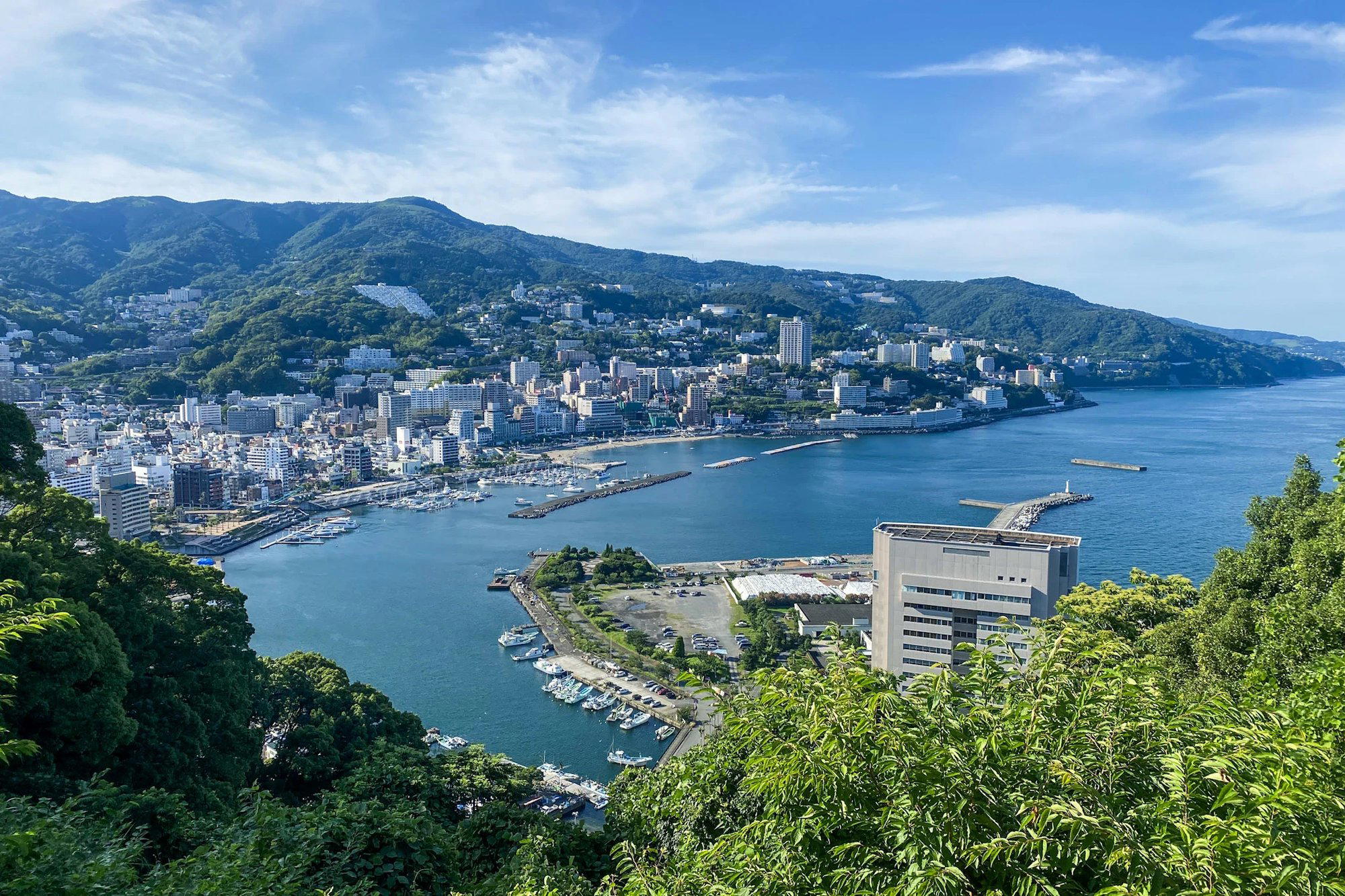

Details
- Quiet
- Classic
- Solo
- Casual Hangout
- Chefs Counter
- Open Kitchen
- Local Sourcing
- Counter Dining
- A La Carte
Current opening hours
- Monday
- Closed
- Tuesday
- 11 AM–2:30 PM
- Wednesday
- 11 AM–2:30 PM
- Thursday
- 11 AM–2:30 PM
- Friday
- 11 AM–2:30 PM
- Saturday
- 11 AM–2:30 PM
- Sunday
- Closed
Hours can change for holidays and private events. Last verified .
Intimate 10-seat counter-focused space with non-smoking environment, minimalist aesthetic focused entirely on the ramen experience.