IIDASHOUTEN


Tabelog Silver #41
Our verdict
IIDASHOUTEN belongs to the serious end of Kanagawa ramen culture: small-format, reservation-only, and judged by repeat recognition rather than hype. Its Tabelog Award 2026 Silver status, 4.33 score, and long run in Tabelog ramen selections place it in the category of ramen shops planned like destination dining, not casual refuelling.

Pearl is the En Primeur Club membership app, where members save venues, book tables and use the concierge.
The menu
What to order
- Shoyu Ramen
- Shio Chashu Ramen
- Tsukemen
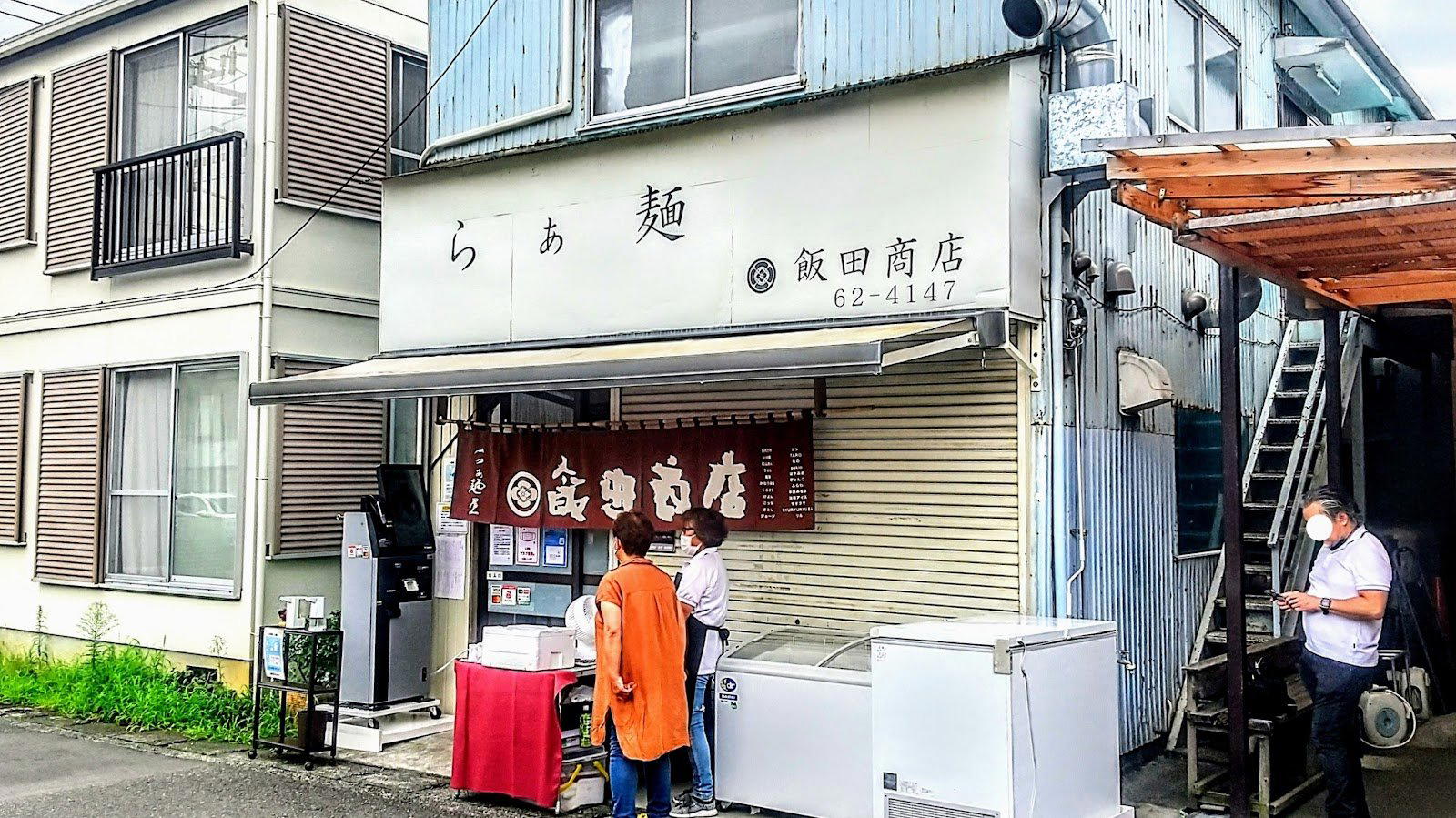
Yugawara changes the temperature of the ramen conversation before the bowl arrives. This is not Tokyo station-counter eating, with commuters rotating through in minutes; it is a hot-spring town on Kanagawa’s coast, where a small house restaurant can turn a lunch sitting into the reason for the trip. In that setting, IIDASHOUTEN represents a particular Japanese ramen ideal: ingredient-led, tightly controlled, and judged with the seriousness usually reserved for sushi counters and kappo rooms.
Ramen at this level is no longer defined by excess. The premium tier in Japan has moved toward clearer sourcing logic, cleaner broths, and formats that reduce variables: fewer seats, fixed demand, and a kitchen calibrated around consistency. The restaurant’s Tabelog Award 2026 Silver recognition and 4.33 score matter because ramen is a crowded category with fierce local loyalty. Silver status places it above the ordinary acclaimed shop and into a smaller group where technique, repeatability, and ingredient discipline carry more weight than novelty.
Kanagawa ramen, read through ingredients rather than spectacle
Kanagawa sits in a useful position for ramen: close enough to Tokyo’s critical mass, but not forced into Tokyo’s faster turnover psychology. Yugawara adds another layer, with visitors already primed for regional travel rather than quick urban grazing. The result is a dining culture where a ramen shop can function as a destination without pretending to be fine dining. IIDASHOUTEN’s category listing covers ramen and tsukemen, but the more important point is format: noodle, broth, seasoning, fat, and garnish have to carry the entire argument.
That ingredient-first approach is where modern Japanese ramen has become more demanding. Broth is not merely richness; it is a decision about animal base, seafood accent, soy tare, oil, and restraint. Noodles are not a neutral carrier; their texture determines how much soup clings and how quickly the bowl changes as it cools. In a small room, those choices become visible as craft rather than branding. This is why a ramen address can sit in the same planning conversation as Gôra Kadan (Kaiseki), even though the traditions are different. Both depend on ingredient hierarchy, timing, and control.
The recurring Tabelog ramen selections reinforce that point. The restaurant has appeared in Tabelog ramen lists across multiple years, including Kanagawa recognition in 2024 and 2025 and earlier East-region selections. Awards alone do not explain flavor, but they do signal durability in a category where enthusiasm often burns quickly. For travelers building a food itinerary around Ashigarashimo, this is a more precise marker than social-media volume.
A small-room ramen format with destination-dining consequences
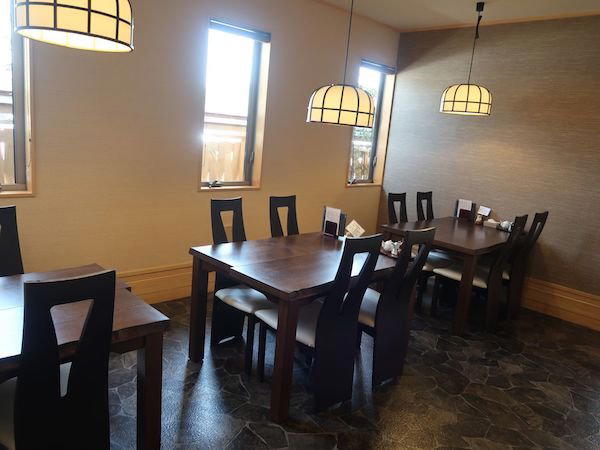
The room is compact, with counter seating and tables rather than a large dining hall, so the experience sits between classic ramen-shop immediacy and a more managed restaurant rhythm. That distinction matters. In ordinary ramen culture, access is part of the ritual: queue, ticket machine, fast bowl, exit. Here, the structure narrows capacity and changes the audience. Diners are not dropping in between errands; they have made a decision to allocate a meal, a train connection, and a reservation window to one bowl.
This shift reflects a wider Japanese pattern. High-demand ramen shops have increasingly adopted controlled access to protect quality and reduce crowd pressure, especially outside dense city centers where pavement queues can distort a neighbourhood. The practical outcome is simple: plan this as a destination lunch, not a flexible fallback. The restaurant’s small seat count and limited service days make spontaneity a poor strategy, especially for visitors pairing Yugawara with Hakone, Odawara, or the broader Ashigarashimo circuit.
There is also a useful contrast with the area’s broader dining map. Ashigarashimo attracts travelers for ryokan meals, kaiseki, onsen stays, and coastal day trips; ramen has to justify itself against longer, slower formats. IIDASHOUTEN does so by compressing technique into a shorter meal. That is the appeal: a regional ramen stop with the seriousness of destination dining but without the duration, ceremony, or price architecture of a full tasting-menu experience.
How to place it in an Ashigarashimo itinerary
For a food-focused trip, this is strongest as the central daytime meal, with the rest of the itinerary built around transit and appetite. The surrounding region rewards planning: ryokan dinners, Hakone museum visits, coastal walks, and Odawara connections all compete for time. Readers comparing categories can use Our full Ashigarashimo restaurants guide for dining context, Our full Ashigarashimo hotels guide for overnight strategy, Our full Ashigarashimo bars guide for drinking options, Our full Ashigarashimo wineries guide for wine-led stops, and Our full Ashigarashimo experiences guide for non-restaurant planning.
Within Japan’s broader casual-dining spectrum, the comparison is instructive. A specialist ramen shop in Yugawara asks for more logistical commitment than a flexible city meal, yet less time than a formal regional dinner. That makes it especially useful for travelers who want one tightly focused food experience between larger commitments. For contrast across Japan, EP Club’s restaurant map ranges from -Grilled beef Sukiyaki- KAMAKURA TANUKIAN 鎌倉 たぬき庵 in Kamakura and 1000 in Yokohama to [ki:] in Kyoto.cafe in Osaka.know in Kumamoto, [Curry Senmon Ten] Maruyama Kyoju. in Sapporo, and #肉といえば松田 奈良本店 in Kashihara.
The decision comes down to what the trip needs. If the itinerary is already heavy with ryokan dining, a precise ramen lunch gives the day sharper contrast. If the plan is Tokyo-centric, Yugawara requires a stronger reason than convenience, and this is exactly the kind of reason that makes sense: a small-format ramen address with sustained critical recognition, rooted in Kanagawa rather than absorbed into the capital’s dining churn. For readers extending the Japan lens beyond the region, related references include. 鮪と炭火焼き うお炭 秋葉原店 in Tokyo, (Shoku) Vietnam in Kawasaki, 1/3 HAMBURGER FACTORY in Kanazawa, plus overseas Japanese-adjacent points such as Jōdo Saké Bar in Los Angeles and Onigiri Time in Pasadena.
Frequently asked questions
Is IIDASHOUTEN suitable for children?
Yes. That setup sits alongside its reservation-only format through OMAKASE.
What kind of setting is IIDASHOUTEN?
It is a house restaurant in Ashigarashimo with 17 seats, including a 9-seat counter and two four-person tables. The room is non-smoking and wheelchair access is listed among the facilities.
What time does IIDASHOUTEN open and close?
Hours at IIDASHOUTEN: Wed, Thu, Fri, Sat 11:00 - 15:00.
Where exactly is IIDASHOUTEN?
IIDASHOUTEN is located in Ashigarashimohimo.
What's the standout thing about IIDASHOUTEN?
The strongest signal is its award record: the 2026 Tabelog Silver award, plus repeated Tabelog 100 selections for ramen in Kanagawa and the wider East region. It is also reservation-only through OMAKASE, which keeps service tightly controlled for a lunch-only room.
Can IIDASHOUTEN accommodate dietary restrictions?
The menu is centered on ramen and tsukemen, so diners with allergies or strict dietary needs should confirm before booking. The restaurant accepts reservations through OMAKASE, and the listed phone number is 0465-62-4147.
Comparable venues nearby, for context on price, style, and recognition.
| Venue | Cuisine | Price | Awards | Notes |
|---|---|---|---|---|
| IIDASHOUTENThis venue (the venue you are viewing) | Artisanal Shoyu Ramen | $20–30 | Tabelog Silver #41 | Not listed |
| Gôra Kadan | Kaiseki Japanese Cuisine | $500+ | Relais Chateaux Award | Gora |
| Torisho Ishii Hina | Modern Yakitori Omakase | $100–150 | Not listed | Minami-Azabu |
| とらふぐ亭 渋谷店 | Tiger Pufferfish (Tora Fugu) Specialist | Not listed | Not listed | Shibuya |
| Kikukawa (うなぎ四代目菊川) | Traditional Japanese Unagi (Grilled Eel) | $30–50 | Not listed | Narita Airport Terminal 2 |
| 割鮮 のむら | Kappo Japanese with Fresh Seafood | $50–100 | Not listed | 泉野出町 |
Recognition history
Dated appearances from independent guides and award organizations, with the underlying list record or original source where available.
Opinionated About Dining Casual in Japan Ranked #100
Opinionated About Dining
Tabelog Silver #41
Tabelog
Full recognition history (5 entries)
Opinionated About Dining Casual in Japan Ranked #34
Opinionated About Dining
Tabelog 100 #37 · No. 37
Tabelog · Tabelog 100 - Ramen - KANAGAWA - 2025
Tabelog Silver
Tabelog
Continue exploring
More in Ashigarashimo
Restaurants in Ashigarashimo
All restaurants in Ashigarashimo →
Bars in Ashigarashimo
Browse all →
Details
- Quiet
- Classic
- Well Known
- Intimate
- Special Occasion
- Solo
- Group Dining
- Chefs Counter
- Open Kitchen
- Standalone
- Local Sourcing
- Organic
- Counter Dining
- A La Carte
Current opening hours
- Monday
- Closed
- Tuesday
- Closed
- Wednesday
- 11 a.m.–3 p.m.
- Thursday
- 11 a.m.–3 p.m.
- Friday
- 11 a.m.–3 p.m.
- Saturday
- 11 a.m.–3 p.m.
- Sunday
- Closed
Hours can change for holidays and private events. Last verified .
Minimalist, serene counter-focused setting with a luxurious sushi-restaurant-like atmosphere; intimate 17-seat space with 9 counter seats and 2 tables for 4.