

Tabelog Silver #145
Our verdict
Unagi Tomoei in Odawara, Kanagawa, has held Tabelog Silver recognition continuously since 2023 and appears in the Tabelog Unagi Top 100 across four editions. Operating from a house restaurant setting in Kazamatsuri, just minutes from Hakone's gateway, it serves unagi and suppon at lunch only, with a Tabelog score of 4.39 and an average spend of JPY 8,000 to JPY 9,999.

Pearl is the En Primeur Club membership app — saves, bookings, and concierge access live there. Same editors, same standards.
- Address
- 122 Kazamatsuri, Odawara, Kanagawa 250-0032, Japan
- Phone
- +81 465-23-1011
- Hours
- Mon–Wed 10 AM–4 PMThu–Fri ClosedSat–Sun 10 AM–4 PM
- Website
- tomoei-unagi.com
- Directions
- Get directions
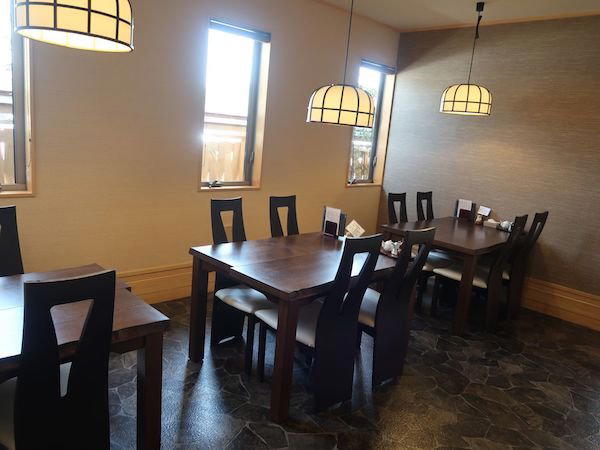
Where Hakone Begins and the Eel Tradition Runs Deep
The Kazamatsuri neighbourhood of Odawara sits at a particular hinge point in the Kanagawa geography: close enough to Tokyo that day-trippers arrive in numbers, far enough into the Hakone corridor that the pace drops and the signage thins. This is not a restaurant district in any conventional sense. The streets around Kazamatsuri Station carry the quiet of a residential area, and the dining culture here is shaped less by foot traffic than by deliberate destination decisions. Unagi Tomoei occupies that context precisely, a house restaurant format set back from the main flow, drawing diners who have made a specific plan rather than a spontaneous turn.
That distinction matters for understanding the position unagi as a category holds in Kanagawa. Japan’s eel restaurants tend to cluster in one of two modes: urban counters embedded in dense city dining scenes, or destination houses positioned along historical routes where travellers have paused for centuries. The old Tōkaidō highway passed through Odawara, and the area’s appetite for freshwater eel is not recent. Tomoei operates within that longer tradition, where the draw is the ingredient and the preparation rather than the neighbourhood’s ambient dining energy.
The Award Record as a Marker of Sustained Quality
Sustained Tabelog recognition across nearly a decade places Unagi Tomoei in a distinct tier among the prefecture’s specialist restaurants. The venue has held Tabelog Bronze from 2017 through 2021, moved to Silver from 2023 onward, and carried a current score of 4.39 with Silver recognition in 2026. That upward trajectory across more than eight consecutive award years is not common.
Selection for the Tabelog Unagi “Tabelog 100” in 2018, 2019, 2022, and 2024 reinforces the reading. That list is category-specific and drawn from the entire national pool of unagi restaurants, making four appearances across six years a meaningful signal about where this kitchen sits in the national specialist conversation. Opinionated About Dining, which applies its own methodology independently of Tabelog, ranked the restaurant at number 32 among casual dining options across Japan in 2025 and at number 40 in 2024, with a recommendation in its Leading Restaurants in Japan list in 2023. These are different evaluation frameworks arriving at a consistent conclusion.
For comparison, the Kanagawa dining scene includes strong representation across multiple categories. anchoa, with a European and seafood focus, operates at a dinner price point of JPY 15,000 to JPY 19,999. Mikasa represents the prefecture’s tempura tradition. Ramenya Iida Shouten anchors the ramen end, while Salone 2007 covers the Italian segment. Tomoei’s position in this landscape is as the prefecture’s most recognised specialist unagi address, operating in a category with very few direct competitors at this recognition level.
The Unagi Specialist Format and What It Means for the Visit
Specialist unagi restaurants in Japan are a distinct category that operates differently from omakase counters or kaiseki rooms. The kitchen is oriented entirely around eel and, in Tomoei’s case, also suppon (soft-shell turtle), a combination that aligns with a long tradition of pairing these two protein-rich ingredients in restorative Japanese cuisine. The restaurant’s own notes describe a sauce developed in-house and eels selected in limited quantities, which it cites as the direct reason it has not opened branches, affiliated stores, or franchise locations. That is not marketing positioning so much as a structural constraint built into a quality-first supply model.
The result is a single-site operation with 69 seats divided between 49 table seats and 20 tatami seats, private rooms available for groups of 2 to 20, and a lunch-only service window running from 10am to 4pm on Monday, Tuesday, Wednesday, Saturday, and Sunday. Thursday and Friday are closed. The kitchen may close earlier if stock runs out, which in practice means arriving early in the service window is the more reliable approach. This is lunch dining, not dinner, and the average spend of JPY 8,000 to JPY 9,999 sits at the higher end of what most Japanese lunch formats ask, reflecting both ingredient cost and the care involved in preparation.
Reservations for specific seating times are not accepted, but phone pre-orders for unagi and freshly prepared liver are taken up to two months in advance. The practical implication is that the most reliable way to secure the core menu items during a planned visit is to call ahead using the reservation pre-order system, then arrive with the full party together for check-in. Walk-in diners are accommodated on the day subject to stock, which adds an element of uncertainty for those travelling specifically from outside the prefecture.
Getting There and Planning Around the Location
Kazamatsuri Station on the Odakyu Daiyuzan Line is the closest access point, approximately 7 minutes on foot or 432 metres from the restaurant. Iryuda Station offers an alternative approach at roughly 10 minutes walking distance. For those arriving by car, 32 parking spaces sit directly in front of the building with a second lot across the street, which is a meaningful provision given the residential setting and the draw from further afield. The restaurant classifies as wheelchair accessible, accepts major credit cards including VISA, Mastercard, JCB, AMEX, and Diners, and operates entirely as non-smoking inside, with a designated smoking area at the entrance.
Odawara’s position as the gateway to Hakone makes it a logical stop on a broader Kanagawa or Hakone itinerary. The castle town character of the city, with Odawara Castle as its most visible landmark, means there is enough to anchor a half-day visit independently of the restaurant. Combining a lunch at Tomoei with the castle or the surrounding grounds turns what might otherwise be a dedicated pilgrimage into a composed day out. For those building a longer Kanagawa stay, the full Kanagawa hotels guide covers accommodation options across the prefecture, and the bars guide and experiences guide fill in the surrounding programme. The full Kanagawa restaurants guide maps the wider dining picture, and the wineries guide covers the prefecture’s smaller but active wine production sector.
Placing Tomoei in the National Unagi Conversation
Within Japan’s unagi dining hierarchy, the distinction between Kanto-style (kabayaki where the eel is steamed before grilling) and Kansai-style (grilled directly without steaming) is often the first frame applied to specialist restaurants. Tomoei operates in the Kanto tradition, and its Kanagawa location places it in the natural catchment of that style. For those tracking the national unagi scene, peer comparisons worth making include Akimoto in Tokyo and Chikuyoutei in Osaka, two addresses that anchor the Tokyo and Osaka ends of the specialist market respectively.
The broader Japan dining picture for this level of recognition connects to addresses like Harutaka in Tokyo, HAJIME in Osaka, Gion Sasaki in Kyoto, akordu in Nara, Goh in Fukuoka, 1000 in Yokohama, and 6 in Okinawa, each operating at a Tabelog Silver level or above in their respective cities. The difference is format: those are mostly dinner-oriented, higher-ticket, reservation-forward experiences. Tomoei is a lunch specialist running a simpler, more direct format at a lower ceiling price, which is part of what makes the award consistency over nearly a decade particularly telling. The peer-set comparison holds at the recognition level even where the formats diverge substantially.
Private rooms add a structural option not available at every specialist unagi house of this standing, with configurations for 2, 4, 6, 8, and groups up to 20. A 10% service charge applies to private room use. The drink programme prioritises sake and shochu, with the kitchen noting particular attention to both categories, which fits the pairing tradition around grilled eel in Japanese dining culture. Dress code is casual. Children and strollers are welcome, and takeout is available, making the format accessible across a broader range of visit types than the award record might initially suggest. For the full Kanagawa restaurants picture, including how Tomoei sits relative to the prefecture’s other dining categories, the guide covers the range in detail.
What People Recommend at Unagi Tomoei
Given the restaurant’s singular focus, the recommendation at Tomoei is direct: unagi is the reason to visit, and the kitchen’s suppon offering is the secondary draw for those familiar with that ingredient. The award trail across the Tabelog Unagi Top 100 in 2018, 2019, 2022, and 2024, combined with a 4.39 Tabelog score and Silver recognition from 2023 through 2026, makes the core menu the validated choice rather than a point of deliberation. The pre-order phone system for eel and freshly prepared liver two months ahead is the mechanism repeat visitors use to guarantee availability on busy days. Given that the kitchen closes when stock runs out, that system is the most reliable path to a complete meal rather than an abbreviated one.
Frequently asked questions
What are the operating hours at Unagi Tomoei?
Hours at Unagi Tomoei: Hours: Monday 10 am–4 pm Tuesday 10 am–4 pm Wednesday 10 am–4 pm Thursday Closed Friday Closed Saturday 10 am–4 pm Sunday 10 am–4 pm.
Is Unagi Tomoei chef-led?
The chef associated with Unagi Tomoei is Various.
Recognition Snapshot
Comparable venues nearby, for context on price, style, and recognition.
| Venue | Cuisine | Price | Awards | Notes |
|---|---|---|---|---|
| Unagi TomoeiThis venue — the venue you are viewing | Traditional Japanese Unagi | $50–100 | Tabelog Silver #145 | Not listed |
| Mikasa | Innovative Tempura | Not listed | Tabelog Bronze #272 | Miyazakidai |
| anchoa | Modern Spanish with Local Kanagawa Seafood | $100–150 | Tabelog 100 #2 | Kamakura |
| Salone 2007 | Creative Modern Italian | $100–150 | Tabelog 100 #50 | Motomachi Chukagai |
| Ramenya Iida Shouten | Artisanal Shoyu Ramen | $20–30 | Tabelog Silver #41 | Yugawara |
| Sushidokoro Shishi | Niigata-Style Omakase Sushi | Not listed | Michelin Plate | Ōta |
Recognition history
Dated appearances from independent guides and award organizations, with the underlying list record or original source where available.
Opinionated About Dining Casual in Japan Ranked #40
Opinionated About Dining
Tabelog Silver #145
Tabelog
Full recognition history (7 entries)
Opinionated About Dining Casual in Japan Ranked #32
Opinionated About Dining
Tabelog Silver
Tabelog
Opinionated About Dining Casual in Japan Ranked #40
Opinionated About Dining
Tabelog 100 #81 · No. 81
Tabelog · Tabelog 100 - Unagi - 2024
Opinionated About Dining Top Restaurants in Japan Recommended
Opinionated About Dining
Continue exploring
More in Kanagawa
Restaurants in Kanagawa
Browse all →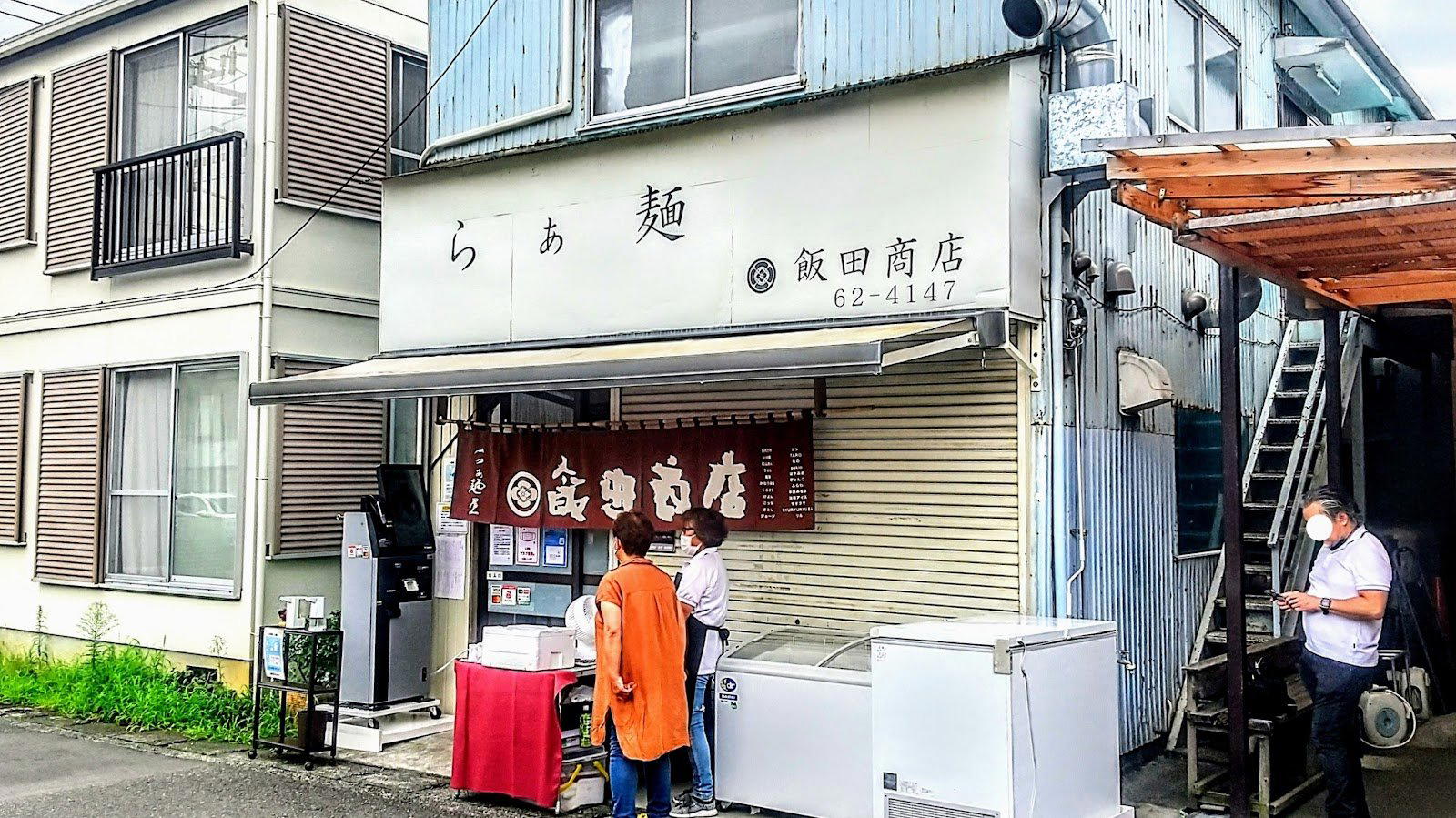
Bars in Kanagawa
Browse all →
Hotels in Kanagawa
Browse all →
Wineries in Kanagawa
Browse all →
Details
- Classic
- Cozy
- Elegant
- Special Occasion
- Family
- Private Dining
- Sake Program
- A La Carte
- Sake
- Shochu
Current opening hours
- Monday
- 10 AM–4 PM
- Tuesday
- 10 AM–4 PM
- Wednesday
- 10 AM–4 PM
- Thursday
- Closed
- Friday
- Closed
- Saturday
- 10 AM–4 PM
- Sunday
- 10 AM–4 PM
Hours can change for holidays and private events. Last verified .
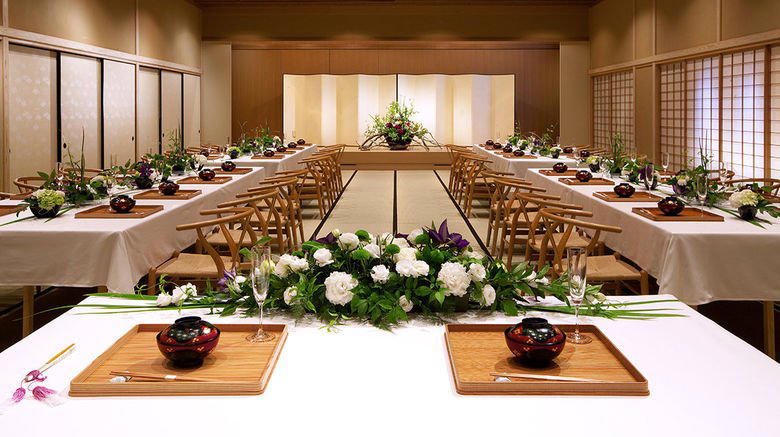
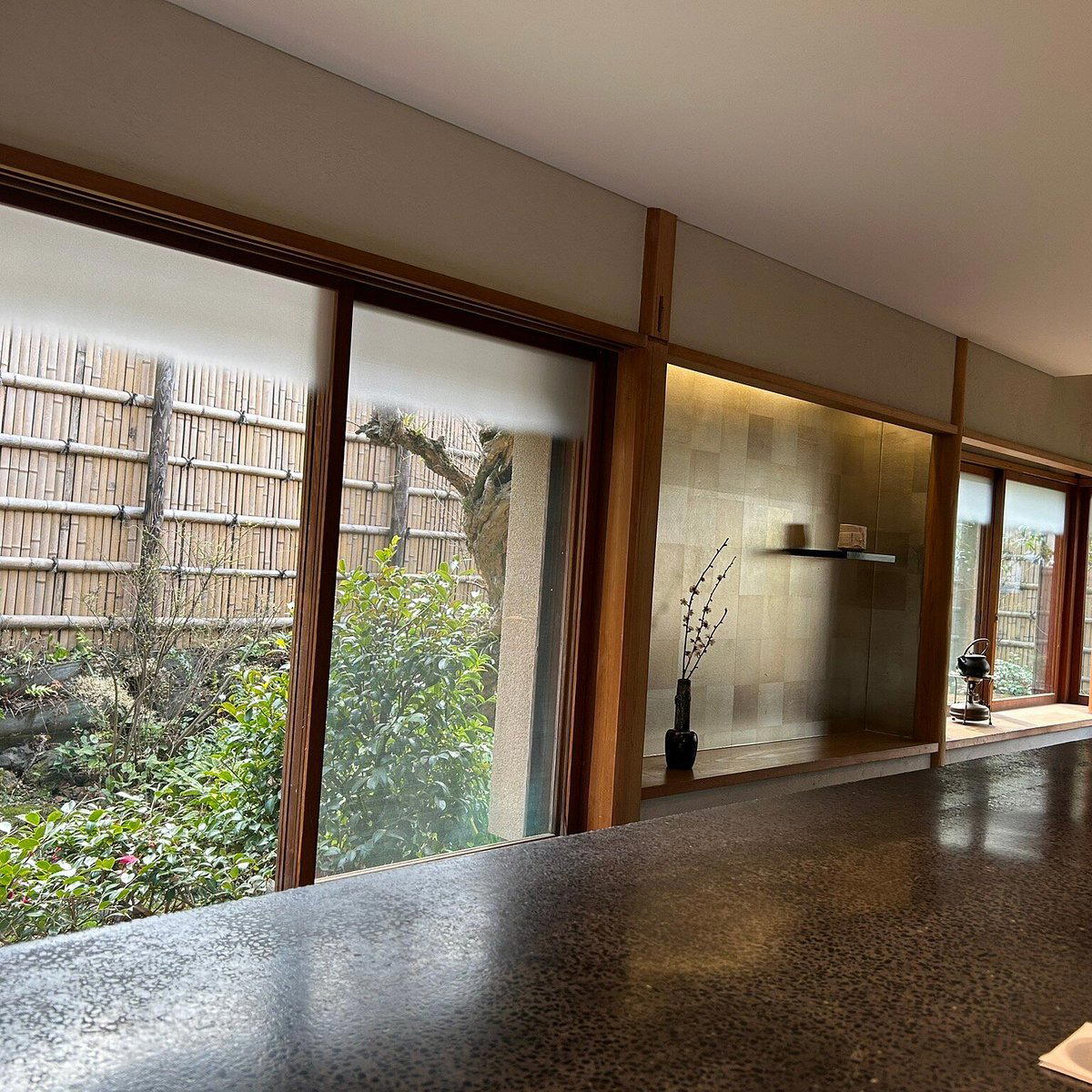
Traditional Japanese atmosphere with tatami rooms, kimono-clad staff, and a relaxing, house-like setting.