Gôra Kadan


Relais Chateaux Award
Our verdict
Set within a former imperial villa in Hakone's mountain resort town of Gôra, this kaiseki ryokan restaurant operates at the intersection of classical Japanese multi-course tradition and the natural rhythms of Kanagawa's highland seasons. Ranked #465 on Opinionated About Dining's 2025 Japan list and carrying, it sits in a tier of serious regional kaiseki houses that reward the journey from Tokyo.

Pearl is the En Primeur Club membership app — saves, bookings, and concierge access live there. Same editors, same standards.
- Address
- 1300 Gora, Hakone, Ashigarashimo District, Kanagawa 250-0408, Japan
- Phone
- +81 460-82-3333
- Hours
- Daily 11 AM–3 PM, 5:30–9 PM
- Website
- gorakadan.com
- Directions
- Get directions
- Booking
- Book on TableCheck
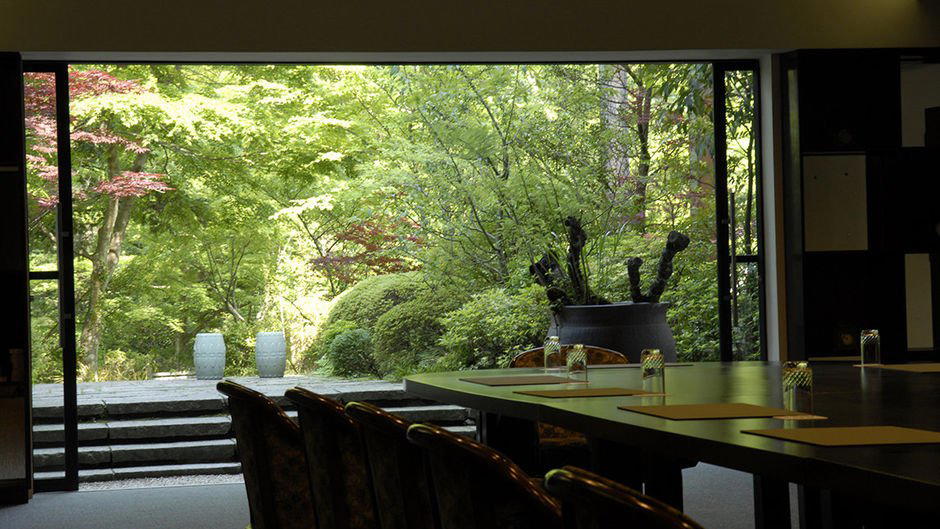
Where Hakone's Hot-Spring Town Meets the Kaiseki Counter
The approach to Gôra already signals what kind of meal awaits. Hakone's mountain resort district sits roughly 90 kilometres southwest of Tokyo, accessible via the Tomei motorway or, for those arriving without a car, the Hakone Tozan Line to Gôra station — a four-hundred-metre walk from the restaurant's address at 1300 Gôra. The journey itself is editorial: cedar-clad hillsides, the faint sulphur note in the air that announces volcanic terrain, a temperature that runs a few degrees cooler than Tokyo at any given month. By the time you reach the grounds, the case for slow, seasonal eating has already been made by the landscape.
The setting matters because kaiseki, as a culinary tradition, has always been inseparable from place. The form developed in Kyoto's tea ceremony culture — a disciplined sequence of small courses designed to express the current moment of the year through ingredient, vessel, and presentation. In practice, this means a kaiseki kitchen in October is cooking entirely differently from one in April, even when the format and structure remain identical. For a house operating in Hakone's mountain resort context, with access to Kanagawa's highland produce and proximity to Sagami Bay seafood, the seasonal argument is not an abstraction. It is the menu.
The Kaiseki Framework and What It Demands
Understanding what kaiseki asks of a kitchen explains why its serious practitioners occupy a distinct category in Japan's dining hierarchy. The multi-course sequence, typically moving through soup, sashimi, simmered dishes, grilled courses, rice, and dessert, with considerable variation by region and house, requires the kitchen to achieve precision across radically different cooking methods within a single sitting. No dish is padding; each is a compositional argument about the season.
Gôra Kadan operates within this framework, with Chef Keiji Takase leading the kitchen. The house has drawn recognition from Opinionated About Dining's 2025 Japan ranking at position #465, a list that rewards consistent cooking quality across regional and metropolitan houses alike. The OAD methodology leans on frequent-diner input, making a regional listing of this kind a signal of ongoing relevance rather than a single exceptional visit.
The classification note in OAD's record, "Cooking Classics", places the kitchen in a specific register. This is not a kaiseki house chasing modernist reinvention or fusion repositioning. The emphasis is on disciplined execution of established forms: the kind of cooking where the intelligence is in the sourcing, the seasoning, and the restraint, not in the novelty of technique. Among Japan's kaiseki houses, this is a defensible position. Houses like Ifuki in Kyoto and Kikunoi in Tokyo operate in the classical register with Michelin recognition; Gôra Kadan competes at a regional level within that same philosophical territory.
The Ryokan Context and Why It Changes the Calculation
Kaiseki in a ryokan setting operates under different conditions than kaiseki in a standalone restaurant. The meal is embedded in a longer stay, guests arrive, bathe in onsen waters, change into yukata, and sit down to eat without the interruption of city noise or the transactional energy of a metropolitan dining room. The pacing of a ryokan kaiseki sequence can extend across two or more hours because the evening has nowhere else to go.
This affects how the food reads. Dishes that might feel overly spare in a sixty-minute urban context become meditative in a mountain inn setting. The silence of a Hakone night, the residual warmth of the hot springs in the body, the darkness outside the shoji screens, these are not incidental. They are, for kaiseki as a form, the intended frame. The tradition emerged in spaces designed for this kind of attention, and Gôra Kadan's position within a former imperial villa preserves something of that original context.
For visitors planning around the season, autumn and spring are the periods when Hakone's natural theatre is most legible at the table. Autumn brings the mountain's foliage into the vessels, in colour palette, in ingredient, in the shift toward heartier, warming preparations. Spring kaiseki sequences tend toward lighter broths and the brief, expensive window of mountain vegetables. Both seasons justify the journey from Tokyo in ways that a midsummer or midwinter visit, however competent, may not fully match.
Where Gôra Kadan Sits in Japan's Broader Dining Picture
Japan's serious restaurant circuit is concentrated in Tokyo, Osaka, and Kyoto. Metropolitan kaiseki houses like Gion Sasaki in Kyoto operate at maximum visibility, drawing international press and occupying the best of OAD and Michelin hierarchies. Regional houses like Gôra Kadan exist in a different layer of that ecosystem, recognised by the tracking systems, less trafficked by foreign visitors, and often more reflective of their immediate geography as a result.
The comparison set for Gôra Kadan is not HAJIME in Osaka or Harutaka in Tokyo, which operate at the Michelin three-star tier with corresponding price points and international demand. Nor is it the innovative end of the spectrum represented by Goh in Fukuoka or akordu in Nara. It is the tier of disciplined, regionally rooted houses that appear in national rankings without metropolitan fanfare, a peer group that includes names across the archipelago from Aji Arai in Oita to affetto akita in Akita and 1000 in Yokohama. This is the layer of Japanese dining that rewards deliberate travel planning over the standard Tokyo-Kyoto-Osaka circuit.
For context on Ashigarashimo District's wider food and drink scene, the EP Club guides cover restaurants, hotels, bars, wineries, and experiences in the area. A nearby reference point for serious eating is IIDASHOUTEN, which represents a different register of the district's dining. Visitors looking to extend their Japan itinerary beyond the standard circuit might also consider 6 in Okinawa or Abon in Ashiya as further points of the regional map.
Getting There and Planning the Visit
The most practical routing from Tokyo is the Tokaido Shinkansen to Odawara (roughly 35 minutes from Tokyo Station), then the Hakone Tozan Line to Gôra, a total journey that runs under 90 minutes on efficient connections. By car, the Tomei motorway via the Atsugi and Odawara interchange onto Route 1 covers the 90 kilometres in approximately 90 minutes outside peak traffic. Tokyo Haneda is the closer airport at 100 kilometres; Narita adds 70 kilometres to that calculation. GPS coordinates for the property are 35.2478, 139.0489.
As a ryokan kaiseki house, Gôra Kadan's dining is embedded in the stay rather than offered as a standalone restaurant reservation in the metropolitan model. Visitors should plan accordingly: the meal is not a dinner booking but part of a longer engagement with the property and its onsen. This shifts the trip logic from a day excursion toward an overnight or two-night stay, which is, in any case, the pace at which kaiseki in this setting makes the most sense.
What Gôra Kadan Is Famous For
The kitchen at Gôra Kadan is recorded in Opinionated About Dining's framework under the "Cooking Classics" designation, a term that in the context of Japanese kaiseki points to adherence to the tradition's seasonal and compositional principles rather than departure from them. No specific signature dishes are confirmed in the available record, which is consistent with kaiseki as a form: the menu is seasonal by design, and what defined a sitting in March will not reappear in September. The consistency that earns a house recognition in this tradition is not a fixed dish but a sustained standard of execution across the full sequence, across the full calendar.
| Venue | Cuisine | Price | Awards | Notes |
|---|---|---|---|---|
| Gôra KadanThis venue — the venue you are viewing | Kaiseki Japanese Cuisine | $500+ | Relais Chateaux Award | Not listed |
| Harutaka | Sushi | Not listed | Michelin 3 Star | Not listed |
| RyuGin | Modern Kaiseki | $500+ | 3 Michelin Stars · World's 50 Best #41 | Kaiseki, Japanese |
| HAJIME | French, Innovative | Not listed | Michelin 3 Star | Not listed |
| L'Effervescence | French | Not listed | Michelin 3 Star | Not listed |
| HOMMAGE | Innovtive French, French | Not listed | Michelin 2 Star | Not listed |
Recognition history
Dated appearances from independent guides and award organizations, with the underlying list record or original source where available.
Opinionated About Dining Top Restaurants in Japan Recommended
Opinionated About Dining
Relais Chateaux Award
Relais Chateaux
Full recognition history (4 entries)
Opinionated About Dining Top Restaurants in Japan Ranked #465
Opinionated About Dining
Relais Chateaux Award
Relais Chateaux
Continue exploring
More in Ashigarashimo
Restaurants in Ashigarashimo
Browse all →
Bars in Ashigarashimo
Browse all →
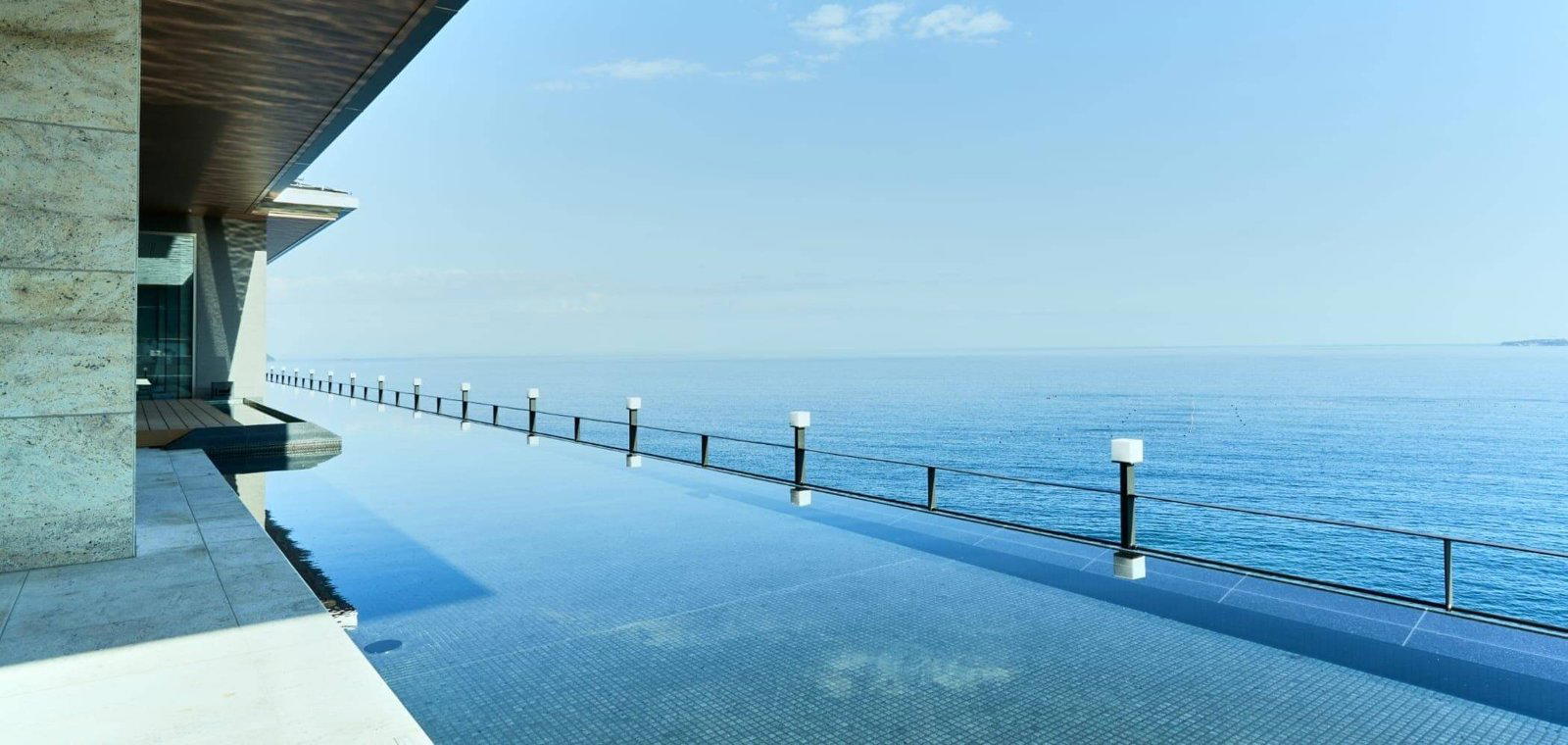
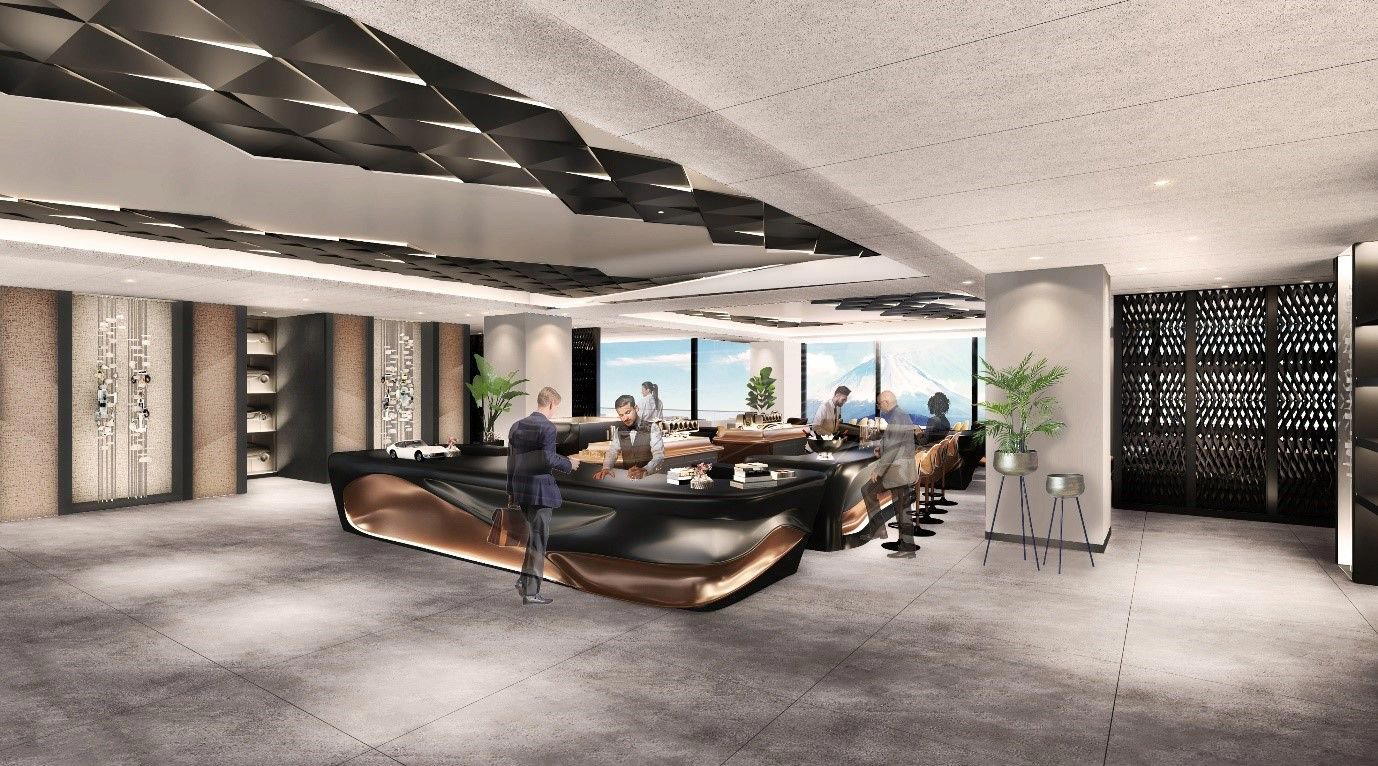
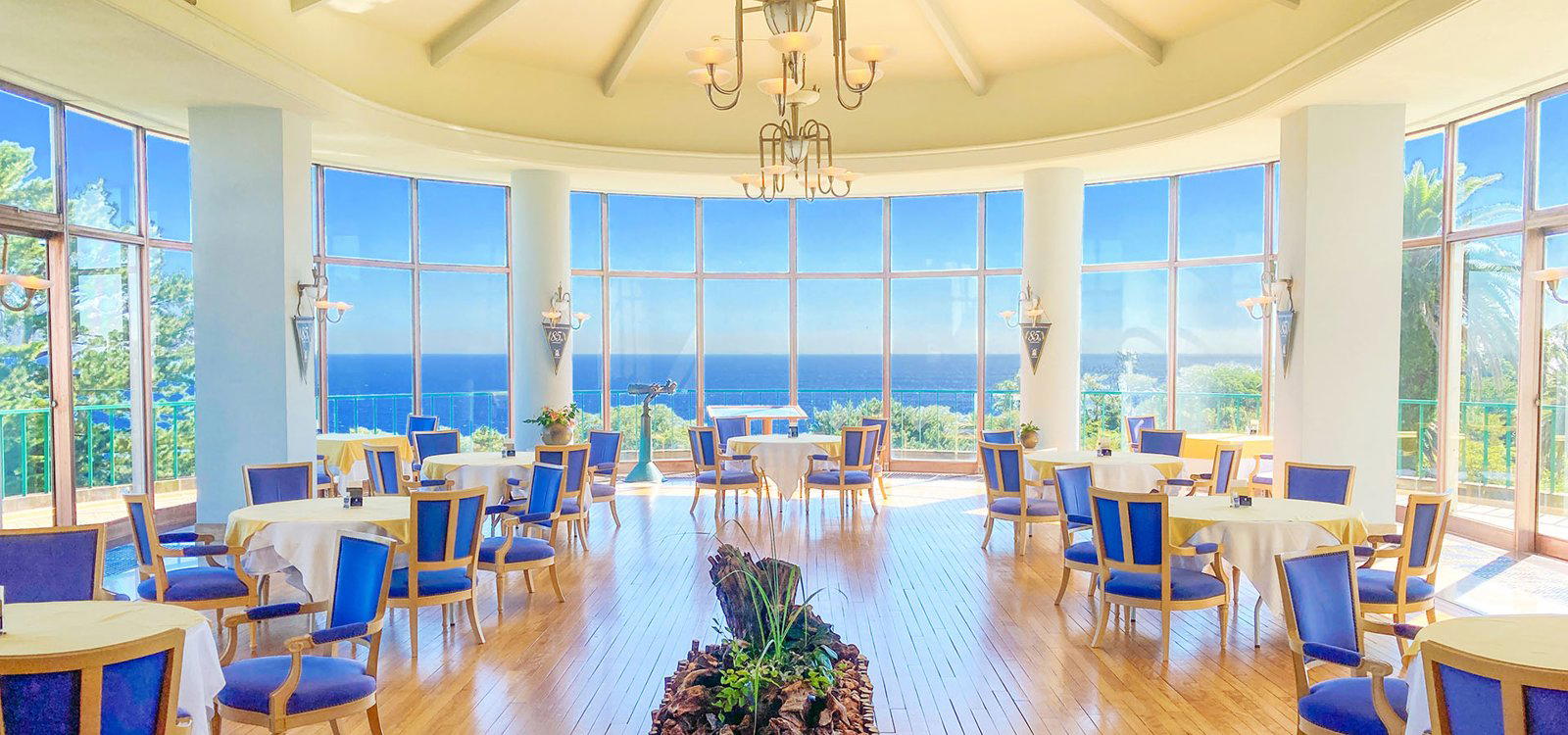
Hotels in Ashigarashimo
Browse all →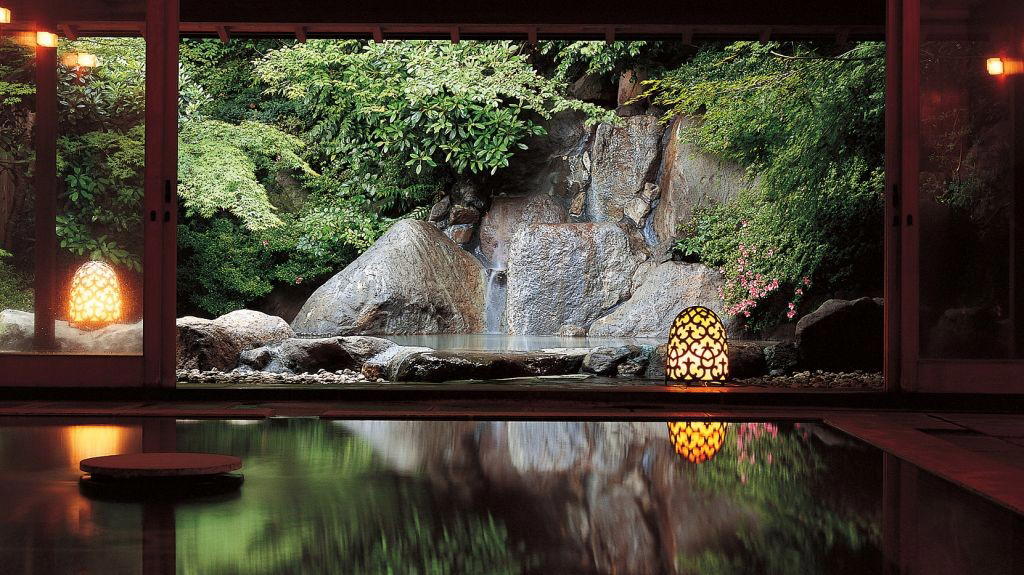
Wineries in Ashigarashimo
Browse all →
Details
- Elegant
- Quiet
- Classic
- Scenic
- Sophisticated
- Intimate
- Special Occasion
- Celebration
- Historic Building
- Private Dining
- Sake Program
- Extensive Wine List
- Local Sourcing
- Mountain
- Garden
- Tasting Menu
Current opening hours
- Monday
- 11 AM–3 PM, 5:30–9 PM
- Tuesday
- 11 AM–3 PM, 5:30–9 PM
- Wednesday
- 11 AM–3 PM, 5:30–9 PM
- Thursday
- 11 AM–3 PM, 5:30–9 PM
- Friday
- 11 AM–3 PM, 5:30–9 PM
- Saturday
- 11 AM–3 PM, 5:30–9 PM
- Sunday
- 11 AM–3 PM, 5:30–9 PM
Hours can change for holidays and private events. Last verified .
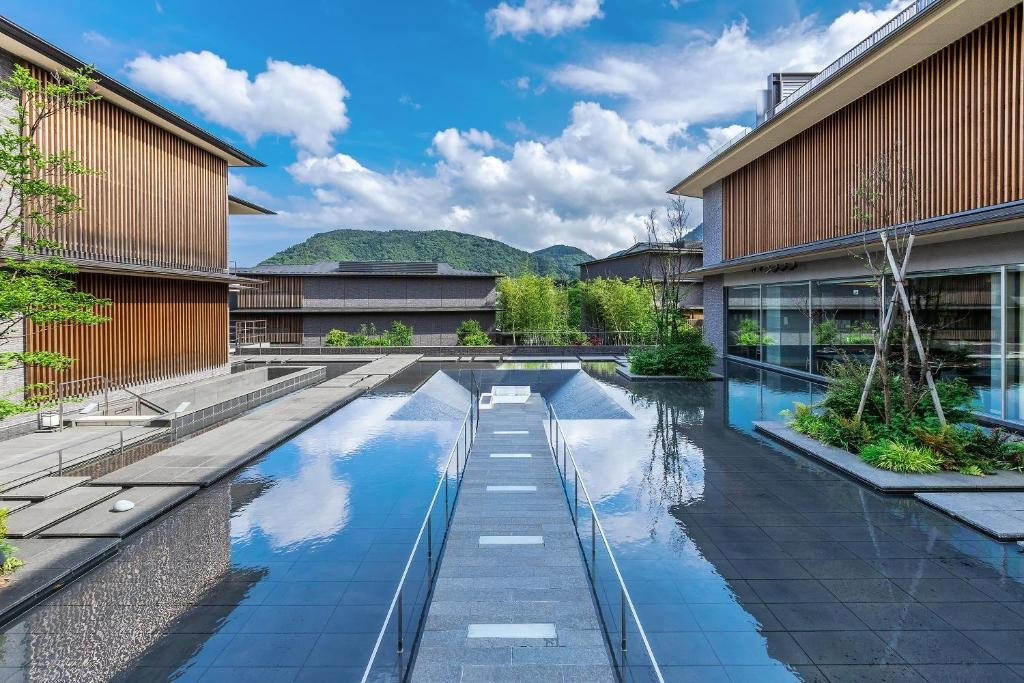
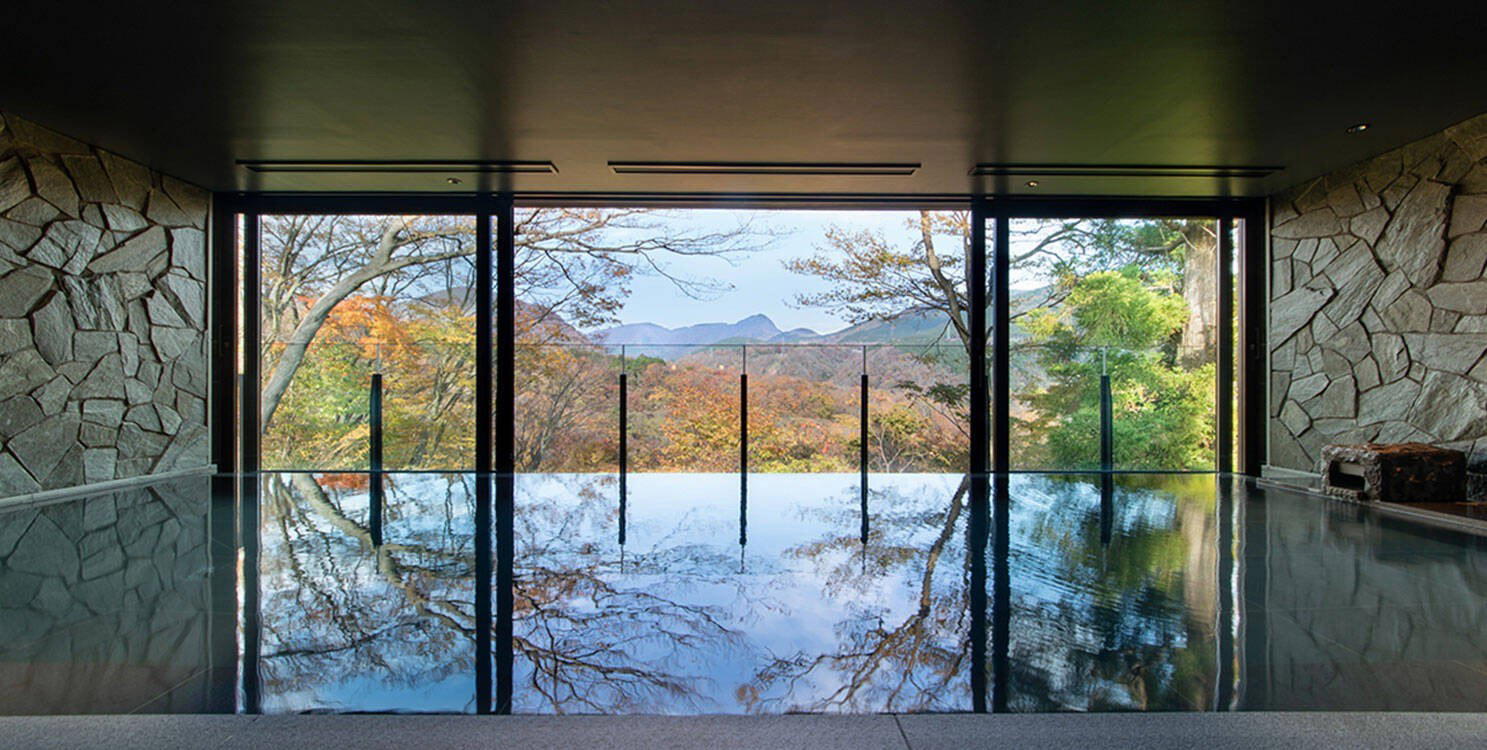
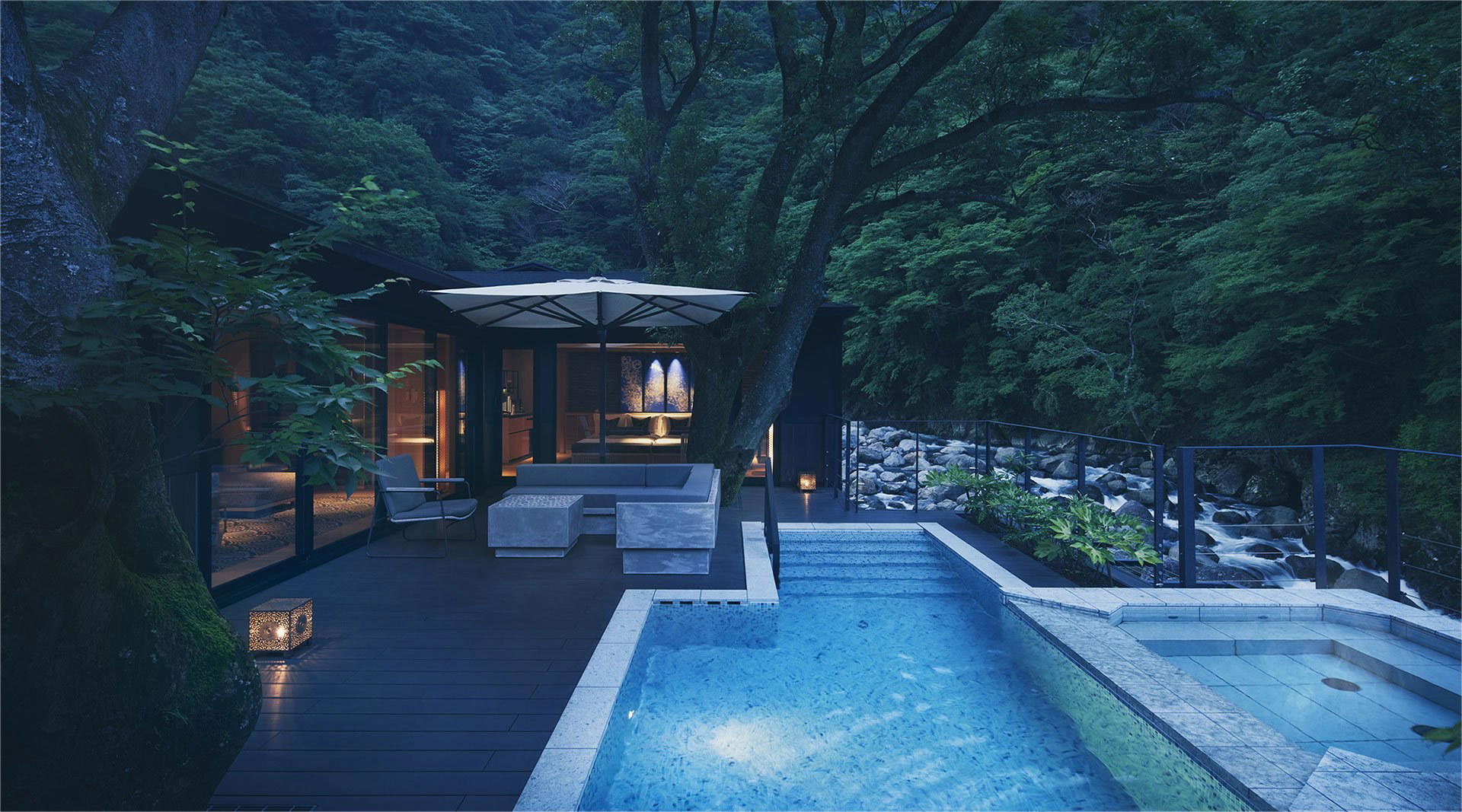
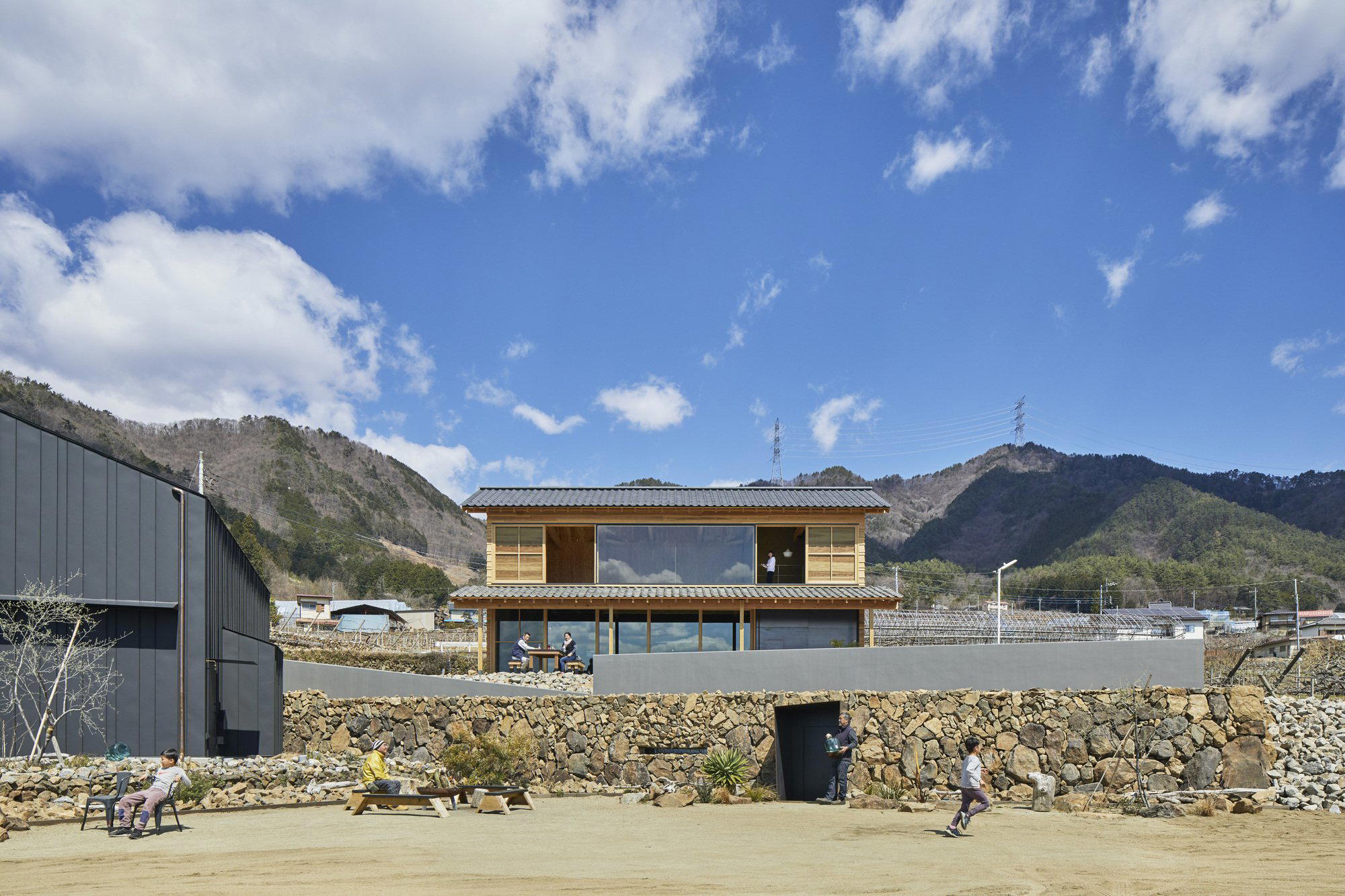
Traditional Japanese elegance with minimalist design, natural light framing Hakone countryside views, and an atmosphere of utter silence and tranquility.