
Tabelog 100 #97
Our verdict
Ichiban gives Atami a serious Chinese and Sichuan address in a city better known to visitors for seafood, hot springs, and short-stay resort dining. Its Tabelog Chinese EAST “Tabelog 100” selections in 2024 and 2026 place it in a tighter regional conversation, while the compact scale and cash-only setup keep the experience grounded rather than ceremonious.

Pearl is the En Primeur Club membership app — saves, bookings, and concierge access live there. Same editors, same standards.
- Address
- 7-48 Sakimicho, Atami, Shizuoka 413-0019, Japan
- Phone
- +81 557-83-4075
- Hours
- Mon–Wed 11:30 AM–2 PM, 5–8 PMThu ClosedFri–Sun 11:30 AM–2 PM, 5–8 PM
- Website
- instagram.com
- Directions
- Get directions
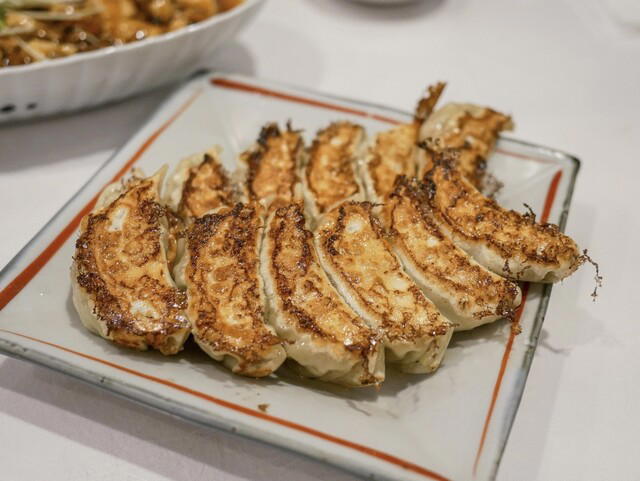
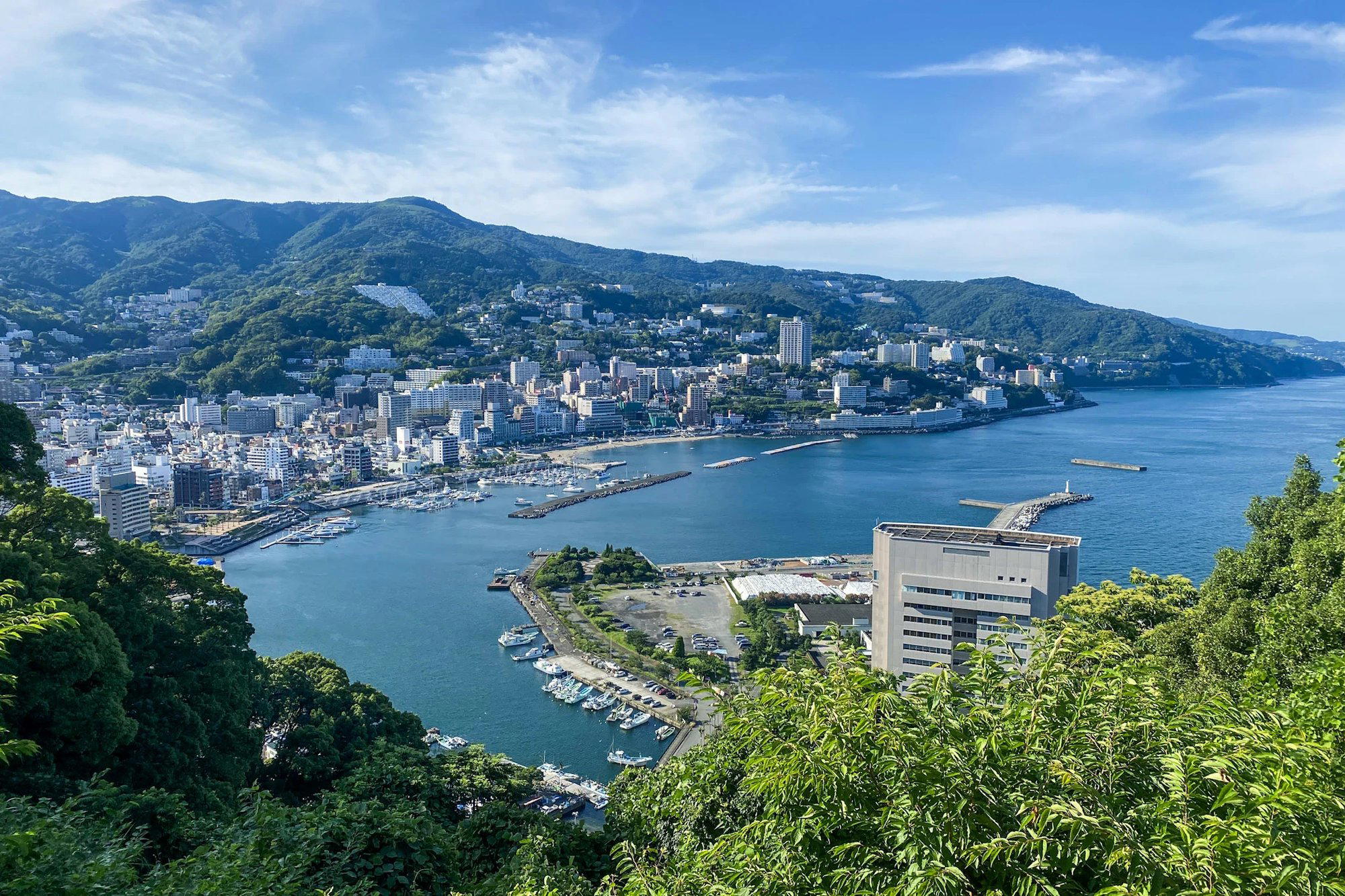
Approaching Atami, the city feels less like a dining capital than a resort town between arrivals: luggage wheels, slope-side streets, and the practical rhythm of people moving between rail platform, bathhouse, hotel, and dinner. That setting matters. Chinese cooking here is not competing with the grand dining rooms of larger cities; it has to answer a different question, namely how a regional restaurant can hold attention in a town where many meals are planned around seafood, ryokan dinners, or quick food before the next train.
Ichiban enters that conversation through Chinese and Sichuan cooking, a category with a long Japanese life of its own. Chuka in Japan is not a single imported cuisine but an adapted restaurant language: heat calibrated for local palates, rice and noodle formats folded into everyday dining, and regional Chinese references translated through Japanese sourcing and service habits. In a coastal hot-spring city, that translation becomes especially useful. The appeal is not ceremony; it is range, seasoning, and a table that can work for locals, repeat visitors, and travelers who have already had their fill of sashimi-led meals.
Atami's Chinese table, judged against a wider eastern Japan field
The useful signal is recognition rather than rhetoric. Recognition in Tabelog’s Hyakumeiten context in 2026 puts the restaurant into a broader Chinese-cuisine frame, not merely an Atami frame. That distinction is important because Atami’s restaurant scene is small enough that local popularity can distort judgment. A Chinese and Sichuan restaurant appearing with that kind of external notice has cleared a broader comparative hurdle, one that reaches beyond resort-town convenience.
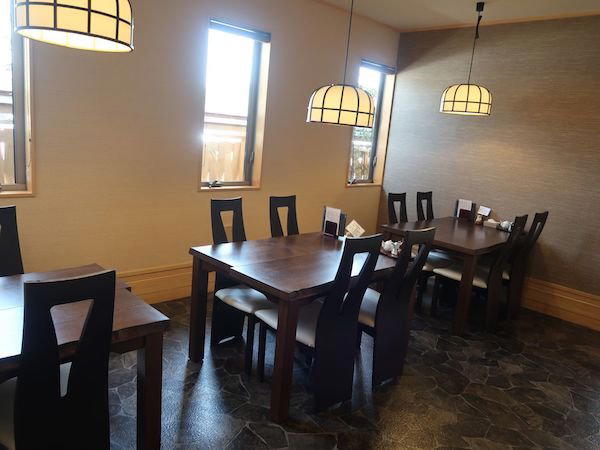
That does not make the room formal, and it should not be read as a luxury cue. Ichiban’s published Tabelog score of 3.68 points to a restaurant with visible diner support and category credibility, while the feel remains closer to a practical local dining room than to a hushed destination counter. In Japan, this kind of address often carries more editorial weight than its appearance suggests: serious cooking can live inside a plainly run, neighborhood-facing format, especially when the category is chuka rather than haute Chinese banquet dining.
The ingredient angle is also different from the way Atami is usually sold to travelers. Seafood restaurants in hot-spring towns often advertise proximity to the port; Chinese and Sichuan cooking depends less on postcard sourcing and more on how vegetables, proteins, oil, heat, aromatics, starch, and broth are organized into balance. The value is not a single trophy ingredient. It is the kitchen’s ability to make familiar components carry spice, savor, and texture without turning dinner into a performance of excess.
Why Sichuan vocabulary makes sense in a hot-spring city
Atami dining has a built-in seasonality because the city itself changes character by the hour and by the calendar. Day-trippers lean toward lunch, ryokan guests often disappear into set dinners, and independent restaurants pick up the remaining traffic. Within that pattern, Sichuan-influenced cooking has a pragmatic strength: it can provide structure and momentum in a meal without relying on a long tasting format or the seafood-first expectations that dominate many coastal itineraries.
For travelers building a broader Atami food day, the point is contrast. A bakery stop such as Pan Ju Kuon, other casual local dining, and a yoshoku-leaning meal at Scott (Shinkan) occupy different registers of the same resort-town ecosystem. AIJU and MUTSUKI extend that map further, showing how Atami’s stronger addresses are scattered across categories rather than concentrated in one dining district. The city rewards planning by mood and meal slot, not by chasing a single grand restaurant row.
That is where Ichiban has its clearest role. It gives the itinerary a seasoned, shareable, Chinese-Sichuan option with enough external validation to justify choosing it over another seafood meal. The smarter use is as a group table or a counterpoint dinner in a two-night Atami stay: seafood one day, Chinese heat and savor the next. That sequencing says more about the city than a simple ranking ever could.
How to place it within an Atami itinerary
Atami is compact, but it is not frictionless. Slopes, timing, hotel check-in windows, and bathing schedules all affect where a meal fits. A restaurant in Atami carries a different kind of utility from a ryokan dining room or a purely view-driven stop: it can anchor arrival day, departure day, or an evening when travelers want dinner without turning the whole night into logistics.
The planning caveats are part of the character. The listed budget separates dinner at JPY 5,000 - JPY 5,999 from lunch at JPY 2,000 - JPY 2,999, placing the restaurant closer to everyday Japanese dining discipline than to international luxury hospitality. Those details also sharpen the reader decision: this is a table for people who value category strength and local rhythm over concierge polish.
For a wider city edit, start with our full Atami restaurants guide, then build the rest of the stay around our full Atami hotels guide, our full Atami bars guide, our full Atami wineries guide, and our full Atami experiences guide. Travelers continuing through Japan can compare how regional dining categories shift across other unnamed city restaurants and casual formats. For readers linking Japanese dining habits to the West Coast, unnamed overseas examples show how format, sourcing, and price expectations change once the same broad culinary references cross the Pacific.
Frequently asked questions
Does Ichiban work for a family meal?
Yes. Ichiban in Atami is a Chinese and Sichuan restaurant with enough range to make sense for a shared meal. Its 2026 Tabelog Hyakumeiten recognition also gives it clear credibility for a family stop.
What's the overall feel of Ichiban?
It reads as a practical Chinese and Sichuan spot in Atami, not a formal dining room. The appeal is seasoning, range, and local rhythm rather than luxury polish.
What should I budget for a meal at Ichiban?
Pricing at Ichiban is listed as Dinner: JPY 5,000 - JPY 5,999; Lunch: JPY 2,000 - JPY 2,999.
When can I go to Ichiban?
Check current opening details directly before going. The verified listing identifies Ichiban as a Chinese and Sichuan restaurant in Atami, with a published Tabelog score of 3.68 and 2026 Hyakumeiten recognition.
Comparable Spots, Quickly
Comparable venues by cuisine and price in the same metro.
| Venue | Cuisine | Price | Awards | Notes |
|---|---|---|---|---|
| IchibanThis venue — the venue you are viewing | Chinese Restaurant | Not listed | Tabelog 100 #97 | Not listed |
| Pan Ju Kuon | Japanese Bakery Café | Not listed | Tabelog 100 #28 | Tahara Honcho |
| Chuka Soba Uosei | Artisanal Niboshi Shoyu Ramen | $10–20 | Tabelog 100 #1 | Ajiro |
| Scott (Shinkan) | Classic Yoshoku (Japanese-style Western) | $50–100 | Tabelog 100 #37 | .渚町 (Nagisacho), Atami |
| Din Tai Fung (鼎泰豊) | Taiwanese Dim Sum | Not listed | Not listed | Shibuya |
| 栄楽 | Chinese Ramen | $1–10 | Not listed | 北条 |
Recognition history
Dated appearances from independent guides and award organizations, with the underlying list record or original source where available.
Tabelog 100 #97 · No. 97
Tabelog · Tabelog 100 - Chinese cuisine - EAST - 2026
Details
- Classic
- Cozy
- Casual Hangout
- Family
- Group Dining
- Solo
- Standalone
- A La Carte
Current opening hours
- Monday
- 11:30 AM–2 PM, 5–8 PM
- Tuesday
- 11:30 AM–2 PM, 5–8 PM
- Wednesday
- 11:30 AM–2 PM, 5–8 PM
- Thursday
- Closed
- Friday
- 11:30 AM–2 PM, 5–8 PM
- Saturday
- 11:30 AM–2 PM, 5–8 PM
- Sunday
- 11:30 AM–2 PM, 5–8 PM
Hours can change for holidays and private events. Last verified .
Simple, longstanding neighborhood restaurant atmosphere rather than a destination dining space.