Our verdict
西麻布いちの occupies a quiet address in Nishiazabu, one of Tokyo's more discreet dining corridors, and operates in the tradition of Japanese counter restaurants where the meal unfolds according to the kitchen's rhythm. The format places it alongside Tokyo's precision-driven omakase and kaiseki tier, where pacing, sequencing, and the etiquette of the table are as considered as the cooking itself.

Pearl is the En Primeur Club membership app — saves, bookings, and concierge access live there. Same editors, same standards.
- Address
- 4 Chome-10-6 Nishiazabu, Minato City, Tokyo 106-0031, Japan
- Phone
- +81354687117
- Hours
- Mon–Sat 5–11 PMSun Closed
- Website
- nishiazabu-ichino.jp
- Directions
- Get directions
- Booking
- Book on the venue's website
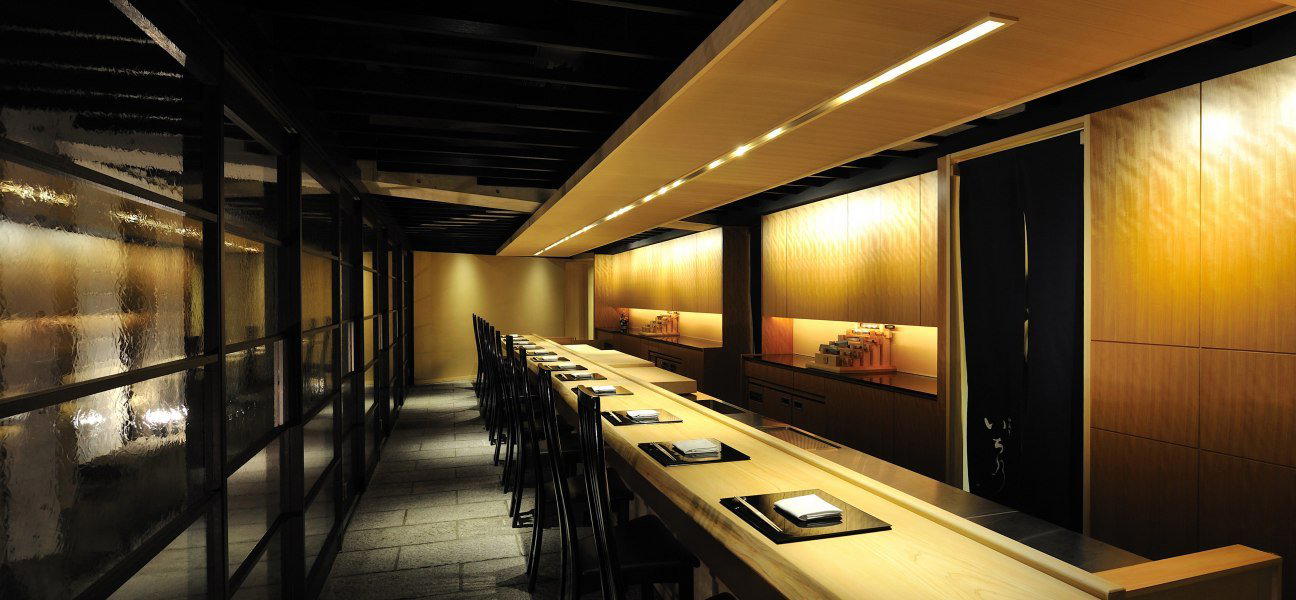
The Rhythm of the Table in Nishiazabu
Tokyo's most serious restaurant district is not a single neighbourhood. It is a loose constellation of low-lit streets where the density of preparation-obsessed kitchens per block is higher than almost anywhere on earth. Nishiazabu, in Minato City, belongs to that constellation. The area runs adjacent to Roppongi but operates at a different register entirely: quieter storefronts, longer menus, and dining rooms that reward the guest who arrives knowing that the meal will be conducted on the kitchen's terms, not theirs. 西麻布いちの sits on 4 Chome-10-6 in that neighbourhood, in a format consistent with the tradition of Japanese counter dining where the pace of service is dictated by the chef's sequence rather than a printed menu of choices.
Understanding a restaurant like this requires understanding the ritual first. Counter dining in Tokyo, whether the genre is sushi, kaiseki, or something that borrows from both, operates on a logic of deference. The guest arrives, is seated, and the meal begins according to a pre-determined structure. Courses are timed to the kitchen's preparation rather than the diner's appetite. That structure is not rigidity for its own sake. It is the delivery mechanism for a style of cooking that depends on temperature, sequencing, and the correct distance between courses to communicate what it intends.
Where Nishiazabu Sits in Tokyo's Dining Geography
The neighbourhood is worth placing precisely. Roppongi, immediately to the north, is the address for large-format entertainment, hotel dining, and international presence. Nishiazabu, by contrast, has accumulated a reputation for smaller, more self-contained restaurants that draw guests willing to make the trip specifically rather than restaurants that benefit from foot traffic. This is a meaningful distinction in Tokyo, where the city's dining map sorts venues into those that occupy high-visibility corridors and those that expect guests to seek them out. 西麻布いちの's address on Chome-10-6 places it in the latter category, in a part of the city where the walk from the nearest metro exit is itself a kind of commitment.
That geographic logic connects to a broader pattern across Japan's premium dining tier. Restaurants in Kyoto's Gion district, such as Gion Sasaki, and in Osaka's counter-kaiseki scene, including HAJIME, operate on a similar premise: the destination is earned by the guest's willingness to arrive on the restaurant's terms. In smaller cities, venues like akordu in Nara and Goh in Fukuoka extend that premise into markets where the concentration of such venues is lower but the underlying philosophy is identical.
The Etiquette of the Omakase Counter
For guests arriving at a Nishiazabu counter for the first time, the conventions of the meal function as a kind of grammar. Arriving on time is not a courtesy but a structural requirement: counter meals are sequenced so that courses reach every seat at the same moment, and a late arrival disrupts that logic in a way that a table at a brasserie would not. Communication about dietary restrictions happens before the meal, typically at the point of reservation, because the menu is assembled in its entirety before service begins. This is the governing logic of Tokyo's counter tradition from sushi to kaiseki, and it applies regardless of the specific cuisine.
The broader Tokyo scene has generated comparison points at every price tier. At the French-influenced end, L'Effervescence and Sézanne apply similar sequencing discipline within a European framework, while Crony operates at the innovative French tier where the kitchen's sequence carries an additional layer of conceptual intent. Across all of these, the guest's role is to receive rather than to direct. That is not a design flaw; it is the format's defining feature.
Planning the Visit
Booking a counter in Nishiazabu follows the standard Tokyo protocol for restaurants at this level. Reservations are typically made through a third-party platform or, in cases where the venue operates without an English-language booking interface, through a hotel concierge or specialist travel agent with existing relationships in the Tokyo restaurant community. Guests at Tokyo properties with well-connected concierge teams will find that approach faster and more reliable than attempting direct contact without a Japanese-language intermediary. The neighbourhood is accessible from Hiroo or Roppongi stations, both a short walk away, making the logistics direct once the reservation is secured. As with comparable counters elsewhere in Japan — 一本木 南川製 in Nanao, 古代山乃 in Sapporo, or 湖邸厨房 in Takashima — the booking step is where the most care is required.
For international guests placing 西麻布いちの in a broader Japan itinerary, the counter tradition represented here has parallels across the country's dining culture. 羽翔屋 in Nishikawa Machi, Birdland in Sakai, and Bistro Ange in Toyohashi each operate within regional variants of the same counter logic, and visiting multiple formats across cities gives a clearer picture of how the tradition adapts to local ingredient supply and chef background. For those coming from or continuing to New York, the same disciplined counter format appears at Atomix and the kitchen's precision at Le Bernardin offers a useful comparison point for how sequencing discipline translates across culinary traditions.
Our full Tokyo restaurants guide maps the broader field of counter, kaiseki, and omakase options across the city's neighbourhoods, which is useful context for placing Nishiazabu's particular character within the wider dining geography.
Frequently asked questions
What part of town is 西麻布いちの in?
西麻布いちの is located at 4 Chome-10-6 Nishiazabu, Minato City, Tokyo 106-0031, Japan, Tokyo.
Is 西麻布いちの suitable for solo diners visiting Tokyo?
The counter format at a Nishiazabu restaurant like 西麻布いちの is structurally well-suited to solo dining — single seats at omakase counters in Minato City are frequently easier to secure than a table for two, and the direct sightline to the kitchen is part of the intended experience. Booking a single seat through a platform such as Pocket Concierge is worth attempting even when paired seatings show as unavailable.
What should I order at 西麻布いちの?
At a Nishiazabu counter of this format, the kitchen sets the terms. The omakase structure means there is no à la carte selection — the chef determines the progression of dishes based on season and what arrived at market that day. Communicating dietary preferences at the time of booking, rather than at the table, is the expected approach.
What's the best way to book 西麻布いちの?
Counters in Nishiazabu at this level typically operate through third-party reservation platforms such as Tableall, Omakase, or Pocket Concierge, which handle English-language requests and prepayment. Direct walk-ins are not a realistic option. Lead times of four to eight weeks are common, particularly for Friday and Saturday seatings.
What is 西麻布いちの known for?
西麻布いちの sits in Nishiazabu, a neighbourhood in Minato City that operates as one of Tokyo's most concentrated zones of serious counter dining, distinct from the hotel-anchored scene in nearby Roppongi. The restaurant's address on 4 Chome Nishiazabu places it within the low-lit residential grid where many of Tokyo's most focused omakase rooms have quietly operated for decades.
Do they accommodate allergies at 西麻布いちの?
Allergy and dietary information should be communicated when the reservation is confirmed, not on arrival. In the omakase format standard to this neighbourhood, the kitchen builds the meal as a unified sequence, and late-stage changes to that sequence are difficult to absorb. Guests with severe allergies or strict dietary requirements should confirm directly through the reservation channel before booking.
Style and Standing
Comparable venues nearby, for context on price, style, and recognition.
| Venue | Cuisine | Price | Awards | Notes |
|---|---|---|---|---|
| 西麻布いちのThis venue — the venue you are viewing | Japanese Fine Dining | $100–150 | Not listed | Not listed |
| Yachiyo | Japanese Kaiseki | $100–150 | Not listed | Marunouchi |
| Inoue (井上) | Modern Yakiniku | $150–200 | Not listed | Ginza |
| 焼肉 いぶさな | Heritage Wagyu Yakiniku | $500+ | Not listed | Shibuya (Yoyogi/Sendagaya) |
| 分とく山 | Seasonal Omakase Kaiseki | $150–200 | 1 Michelin Star | Minato |
| Mikawa | Edomae Tempura Omakase | $200–300 | Not listed | Minato |










Details
- Elegant
- Intimate
- Sophisticated
- Business Dinner
- Special Occasion
- Private Dining
- Sake Program
- A La Carte
- Set Menu
Current opening hours
- Monday
- 5–11 PM
- Tuesday
- 5–11 PM
- Wednesday
- 5–11 PM
- Thursday
- 5–11 PM
- Friday
- 5–11 PM
- Saturday
- 5–11 PM
- Sunday
- Closed
Hours can change for holidays and private events. Last verified .
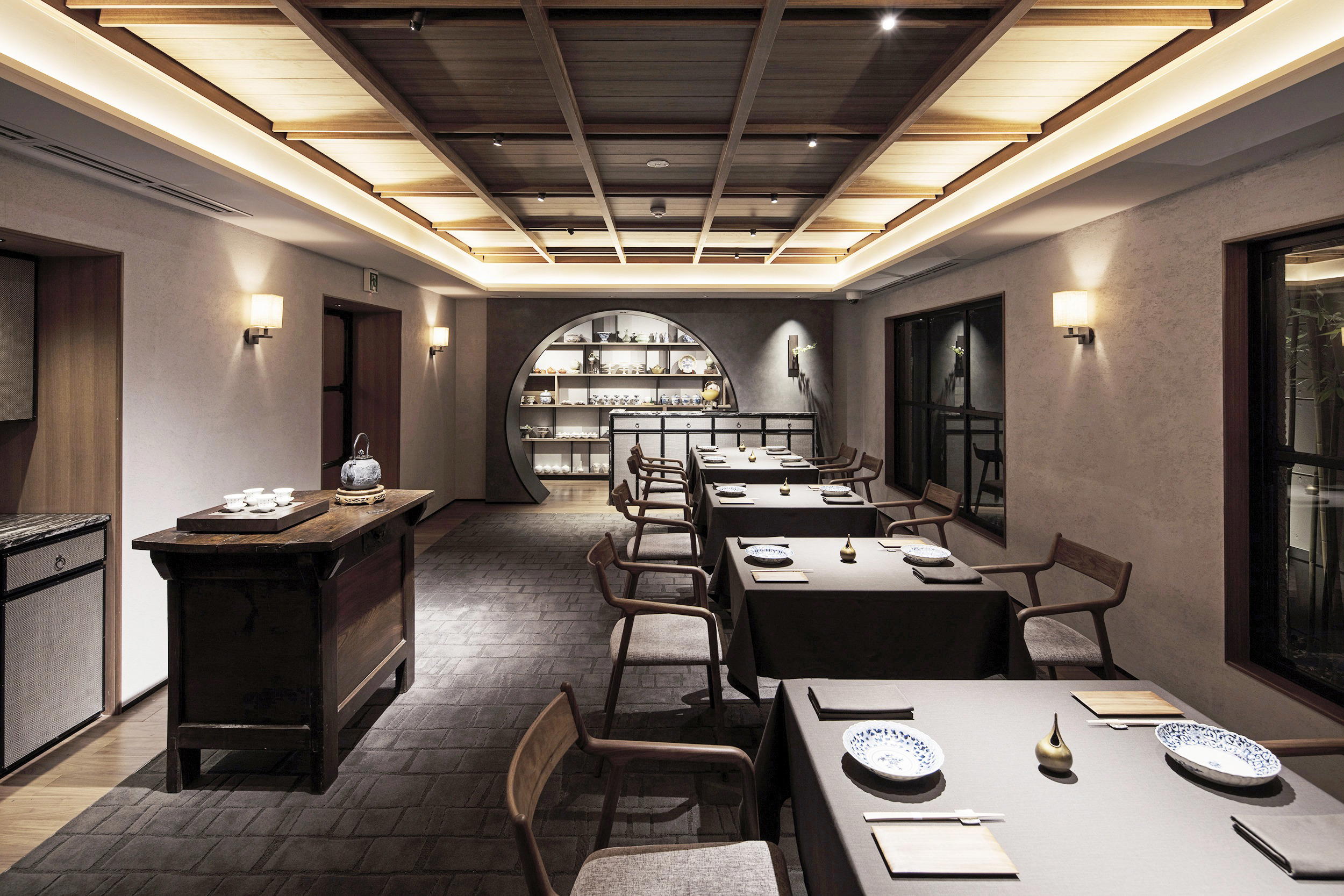
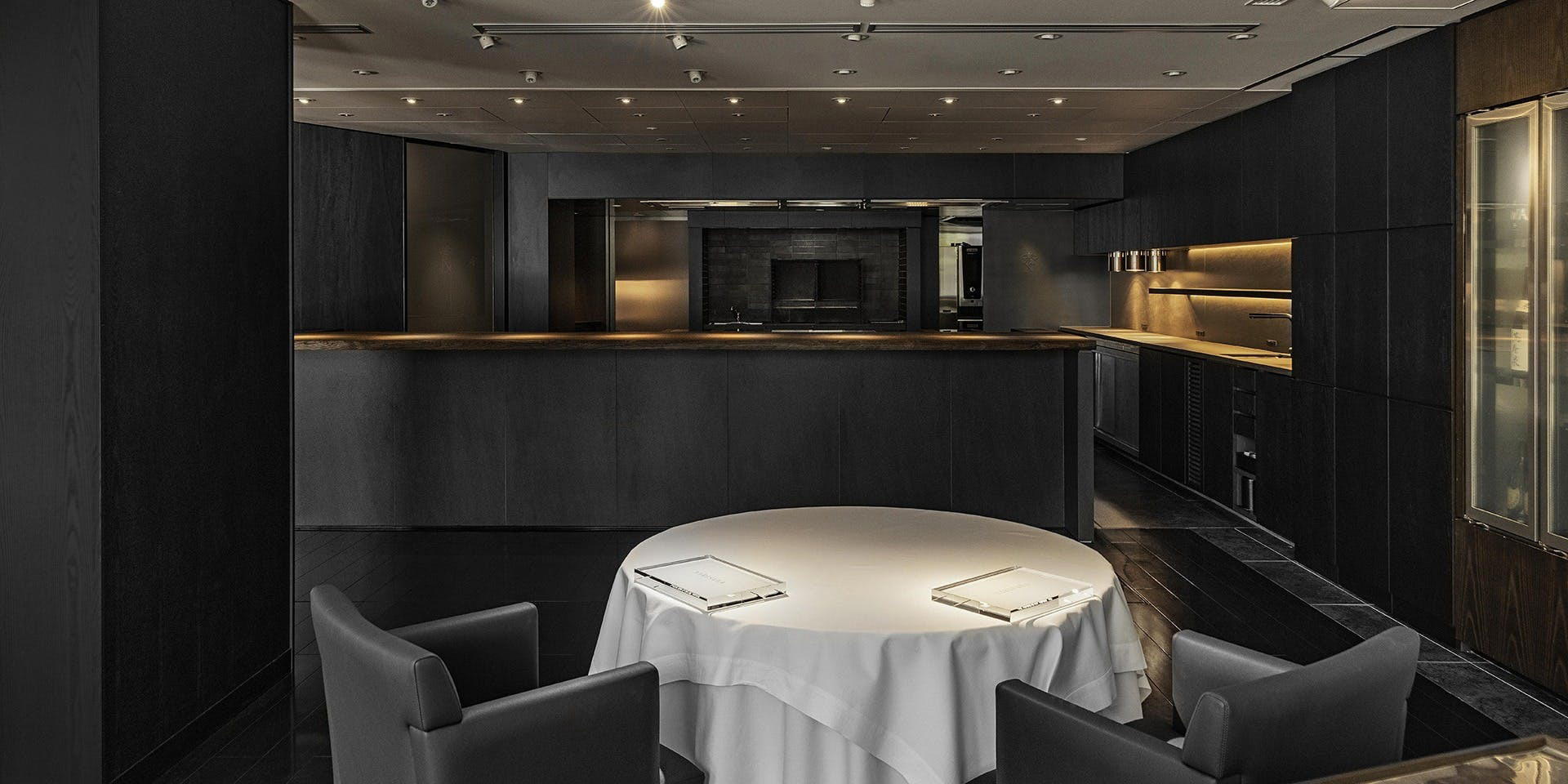
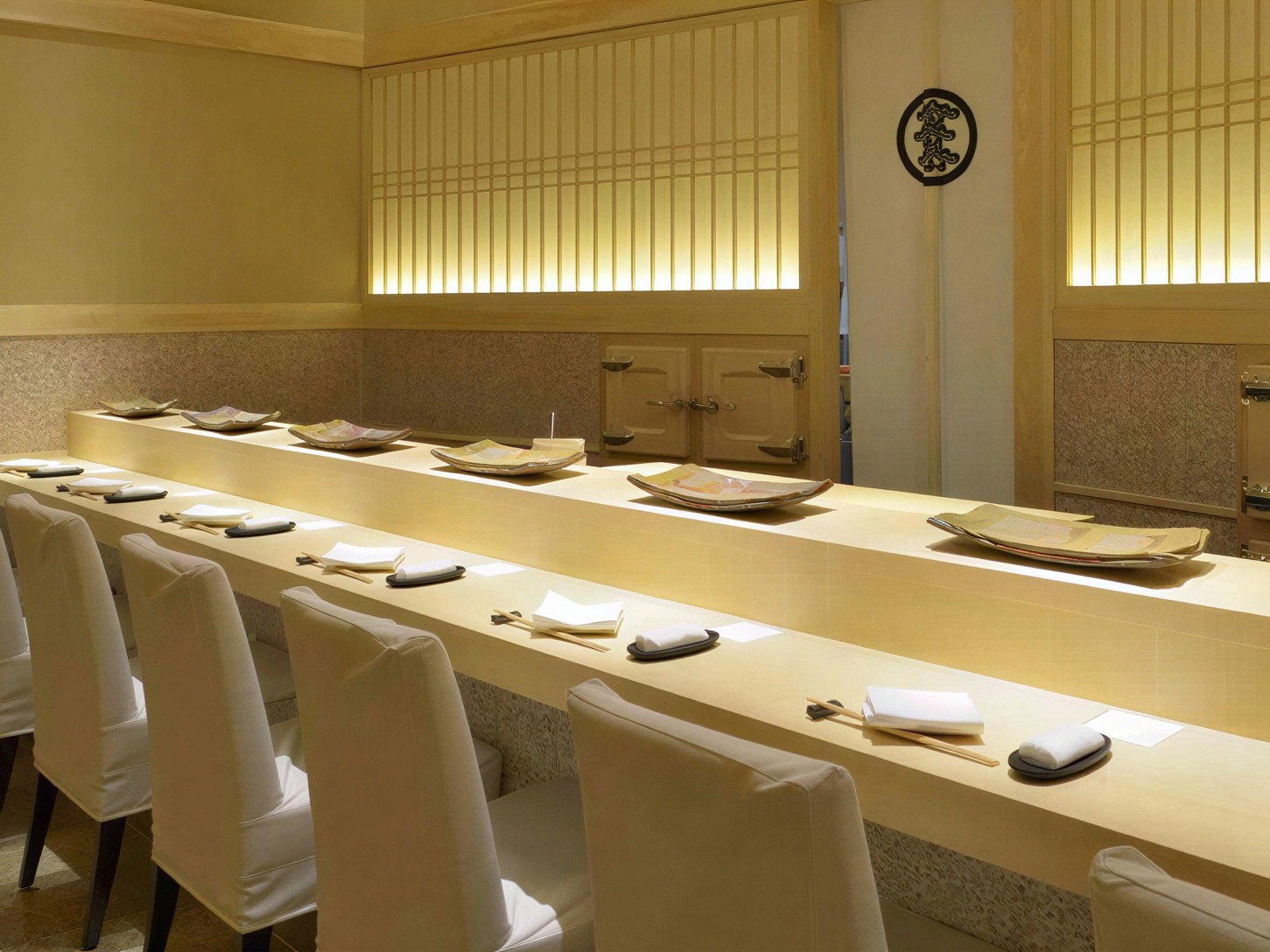
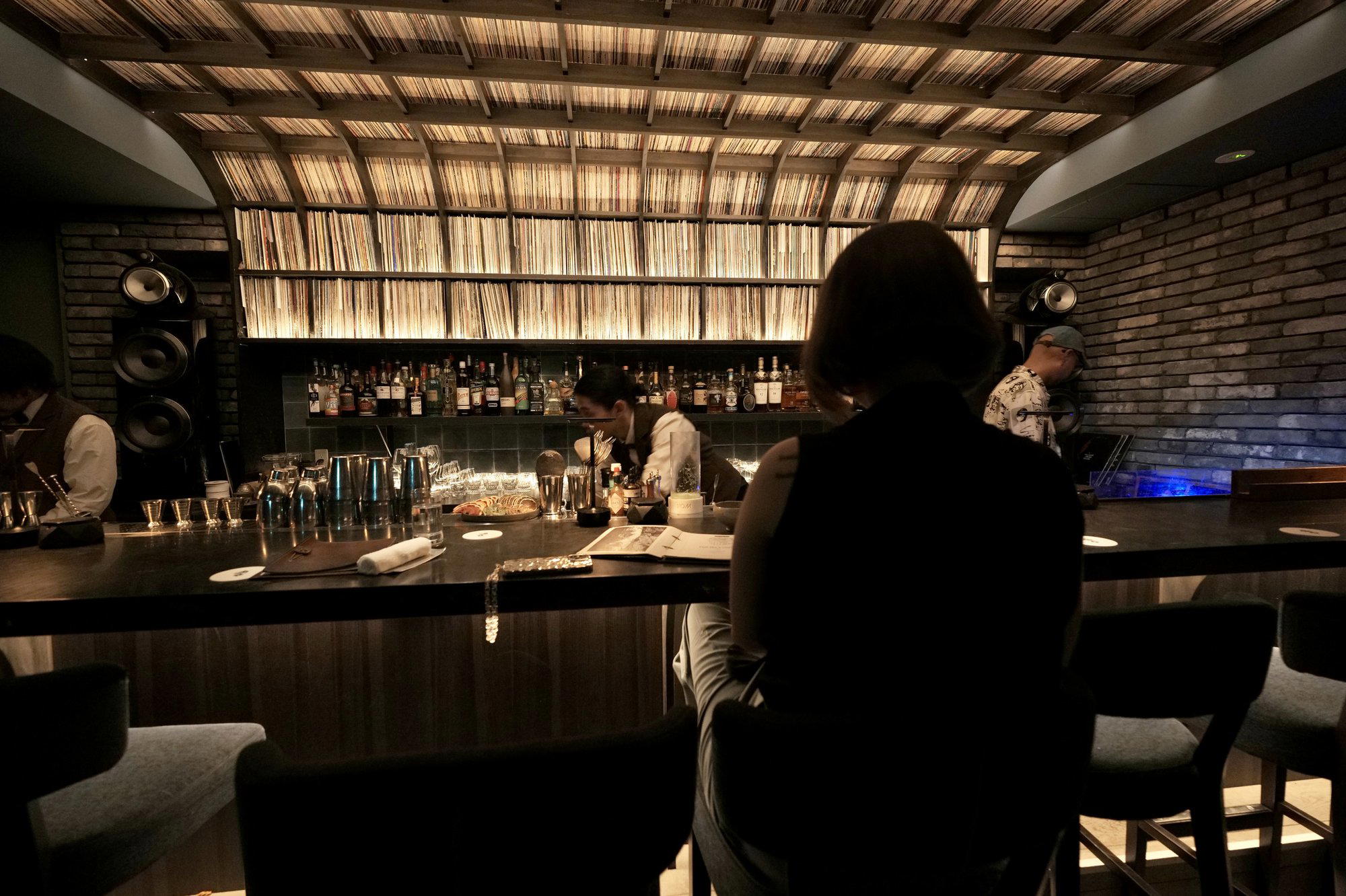
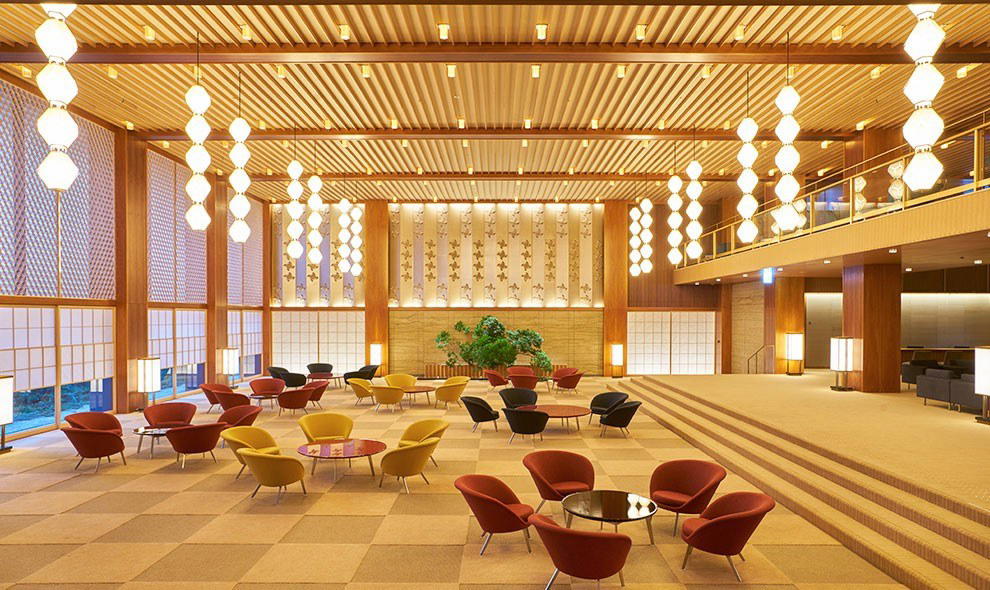
Calm and luxurious space with private rooms creating a special, intimate atmosphere.