Our verdict
Located in Roppongi Hills Residence B3F, Mikawa occupies a quiet register in Tokyo's dense fine-dining tier. The address places it steps from a neighbourhood defined by international ambition, yet the restaurant operates at its own pace — the kind that rewards repeat visits over first impressions. Regulars return for what consistency at this level implies: precision, familiarity, and a kitchen that has found its range.

Pearl is the En Primeur Club membership app — saves, bookings, and concierge access live there. Same editors, same standards.
- Address
- Japan, 〒106-0032 Tokyo, Minato City, Roppongi, 6 Chome−12−2 六本木ヒルズレジデンス B 3F
- Phone
- +81 3-3423-8100
- Hours
- Mon–Tue 12–2 PM, 6–9 PMWed ClosedThu–Sun 12–2 PM, 6–9 PM
- Website
- tempura-mikawa.jp
- Directions
- Get directions
- Booking
- Book on TableCheck
The menu
What to order
- Uni shiso tempura
- Shrimp tempura
- Seasonal vegetables
What Roppongi's Lower Floors Know
Tokyo's Roppongi dining scene has long operated on two frequencies: the high-visibility venues that orbit the towers and trade on footfall, and the basement and sub-street spaces that earn their following through repetition and word-of-mouth. Mikawa, housed in the B3F level of Roppongi Hills Residence on 6-chome, belongs to the second category. The address is residential in character, the kind of building that discourages casual walk-ins by design. That alone signals something about the audience the kitchen has cultivated over time.
In a city where the top-tier dining hierarchy is unusually legible — Michelin stars, 50 Best rankings, and reservation queues measured in months all function as public scorecards — a venue that accumulates regulars without broadcasting its credentials is worth reading carefully. The regulars at a place like this are not there because the room appeared in a magazine last season. They are there because something brought them back a second time, and then a third.
The Roppongi Address in Context
Roppongi holds an unusual position in Tokyo's restaurant geography. It is home to some of the city's most internationally cited addresses, RyuGin, the Nihon Ryori flagship that has carried Japanese kaiseki into conversations alongside Le Bernardin in New York City and Atomix, and simultaneously holds a density of mid-tier venues that exists nowhere else in Tokyo at quite the same pitch. The premium tier in this neighbourhood prices against an international reference set, not the local average. Visitors arriving from elsewhere in Japan, say from Gion Sasaki in Kyoto or HAJIME in Osaka, will recognise the register immediately: serious kitchens operating without apology for their position in the market.
Mikawa's residential building placement removes it from the street-level visibility that drives first-time traffic toward neighbours in the Roppongi Hills complex. This is, practically speaking, a venue you need to know about before you arrive. The search for it is part of its character, a small friction that filters the room toward people who made a deliberate choice to be there.
What the Returning Visitor Understands
The logic of the regular at a Tokyo fine-dining address is different from the logic of the tourist. The tourist is optimising for a singular experience; the regular is optimising for reliability within a known framework. Tokyo's most respected sushi counters, kaiseki rooms, and Japanese-Western hybrid formats all share a structural feature: the menu evolves within a discipline, not against it. This is what brings people back to addresses like Mikawa's tier rather than constantly rotating toward the newest opening in Minami-Aoyama or Ebisu.
At the ¥¥¥¥ level of Tokyo dining, shared by neighbours such as Harutaka in Ginza for omakase sushi, and French-rooted rooms like L'Effervescence and Sézanne, the expectation is not novelty per visit but depth per season. Regulars at this tier learn the kitchen's grammar: which ingredients mark a shift from late autumn into winter, how the pacing of courses reflects the chef's current preoccupation, what the room's rhythm tells you about the night's service approach. This accumulated literacy is what the unwritten menu is. It exists in the gap between what a first-time visitor reads on paper and what a tenth-time visitor already knows to anticipate.
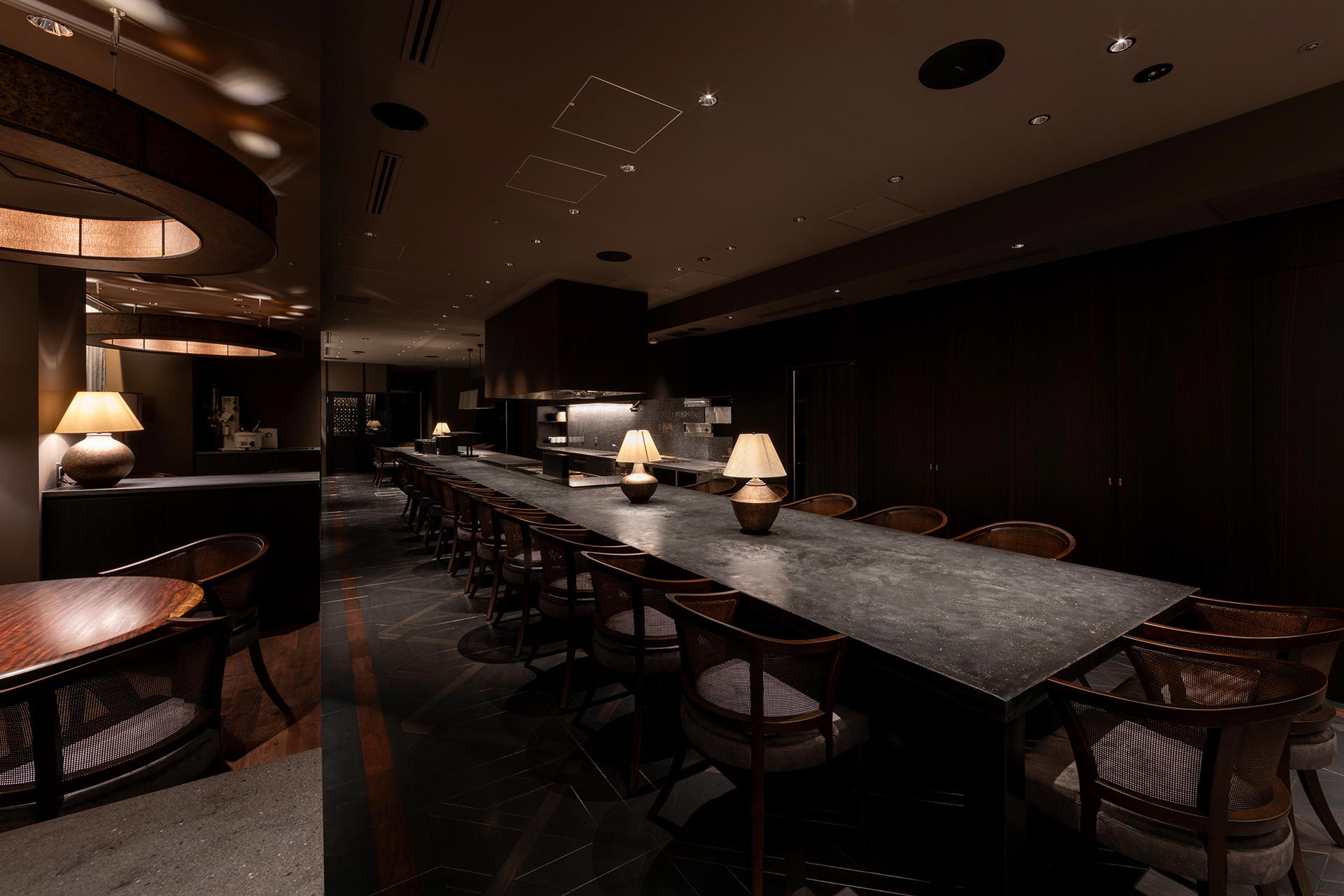
The Roppongi Hills Residence building, with its B3F dining floor below a primarily residential tower, keeps the dining room separate from the ambient noise of the complex above. This is a feature, not an inconvenience. The atmosphere in sub-street rooms in Tokyo tends toward concentration: the sound stays inside, the outside stays out, and the meal becomes the only thing happening in that hour.
Placing Mikawa in the Wider Japan Network
The serious Tokyo diner who treats the city as a base for regional exploration will find natural reference points for Mikawa's tier across Japan. akordu in Nara represents a different expression of precision dining outside the major city frame, while Goh in Fukuoka occupies a comparable seriousness level in Kyushu. Closer to Tokyo, 1000 in Yokohama illustrates how the city's satellite addresses are building their own fine-dining ecosystems. And for those extending a Japan trip south, 6 in Okinawa demonstrates the range of the country's premium dining ambitions across geography.
Within Tokyo itself, the Roppongi concentration is just one node. The city's dining map rewards those who understand neighbourhoods as distinct ecosystems rather than interchangeable postcodes. For the full picture, our full Tokyo restaurants guide maps the city's premium tier by address, cuisine type, and booking logic. Those building a wider Tokyo stay will also find relevant context in, and our full Tokyo experiences guide, the latter particularly useful for understanding what premium cultural programming looks like in the city's current form. Wine-focused visitors should consult for the city's smaller but growing natural and import-led wine scene.
For those weighing innovative formats alongside more traditional Japanese rooms, Crony provides a useful counter-reference: a French-innovative address that operates in the same price tier but from a different culinary premise. The choice between these kinds of rooms is ultimately a question of what you want a Tokyo dinner to do for you, confirm a tradition or test a new one.
Planning a Visit
Mikawa is located at 6 Chome-12-2 Roppongi, Minato City, Tokyo, on the B3F level of Roppongi Hills Residence, accessible from the main Roppongi Hills complex but entered through the residential building rather than the commercial thoroughfare. Given the residential address and the venue's standing with regulars, advance reservation is advisable; walk-in availability at this tier in Roppongi is low. Specific booking methods, current hours, and contact details are best confirmed directly or through a concierge service with established Tokyo relationships, as the venue does not publicly list a phone number or web booking portal in current directories. Visitors with dietary requirements or allergies should communicate these at the time of booking rather than on arrival, at this level of Tokyo dining, the kitchen expects to be briefed in advance and will generally accommodate within the structure of the menu.
Frequently asked questions
Where is Mikawa in Tokyo?
Mikawa is located at Japan, 〒106-0032 Tokyo, Minato City, Roppongi, 6 Chome−12−2 六本木ヒルズレジデンス B 3F, Tokyo.
What makes Mikawa's location inside Roppongi Hills Residence unusual for a Tokyo fine-dining venue?
Most restaurants operating at Tokyo's fine-dining tier occupy street-level or podium positions in commercial developments, where signage and footfall contribute to their profile. Mikawa operates on the B3F level of Roppongi Hills Residence, a primarily residential building within the larger complex in Minato City, which places it outside the conventional discovery path for visitors. That address is itself a signal of the venue's orientation: it functions for people who already know it is there.
What do people recommend at Mikawa?
Regulars at Mikawa's Roppongi Hills Residence address tend to defer to the kitchen's lead rather than ordering à la carte, which is consistent with the broader convention at Tokyo's fine-dining tier. The residential setting and loyal return clientele suggest a format shaped around trust and repetition rather than one-off spectacle. First-time visitors are best advised to request the full progression and follow it without deviation.
What's the best way to book Mikawa?
No public booking portal or listed phone number currently appears in standard directories for Mikawa at 6 Chome-12-2 Roppongi, Minato City. At this tier in Tokyo, reservations most reliably come through hotel concierge networks or established connections within the local dining community. EP Club members visiting Tokyo can route booking requests through the club's concierge channel.
What is Mikawa known for?
Mikawa holds its position within Roppongi's fine-dining tier through a residential-building address on the B3F level of Roppongi Hills Residence, which keeps it off the main commercial circuit and oriented toward repeat visitors over transient foot traffic. In a neighbourhood where addresses like RyuGin and The SG Club command international attention, Mikawa's draw is quieter and more deliberate. That dynamic tends to define the experience itself.
Is Mikawa allergy-friendly?
No specific allergy or dietary accommodation policy is publicly listed for Mikawa. Tokyo's fine-dining conventions, particularly at the residential-address tier that Mikawa occupies in Minato City, generally expect dietary requirements to be communicated well ahead of the reservation rather than at the point of arrival. Raising requirements at the time of booking is the standard protocol.
Should I splurge on Mikawa?
Mikawa sits in a spending tier consistent with Roppongi's most serious fine-dining addresses, where a full progression per person reaches into four-figure yen territory. Alongside reference points such as Harutaka for omakase sushi and L'Effervescence for French-rooted cuisine, the spend reflects access rather than just a meal. If your Tokyo itinerary includes one reservation at this level, Mikawa's residential format offers a different register from the high-visibility venues in the Roppongi Hills commercial complex.
Where It Fits
Comparable venues nearby, for context on price, style, and recognition.
| Venue | Cuisine | Price | Awards | Notes |
|---|---|---|---|---|
| MikawaThis venue — the venue you are viewing | Edomae Tempura Omakase | $200–300 | Not listed | Not listed |
| Kyoaji (京味) | Traditional Kyoto-Style Kaiseki Omakase | Not listed | Not listed | Shinbashi |
| Sushi Kinoshita | Seasonal Japanese & Edomae Sushi Omakase | $200–300 | Tabelog 100 #70 | Minato |
| 西麻布いちの | Japanese Fine Dining | $100–150 | Not listed | Minato |
| Kappo Muroi | Traditional Kappo Kaiseki | $200–300 | Tabelog 100 #89 | Minato |
| Mudai | Japanese Omakase / Kaiseki | $300–500 | Tabelog 100 #47 | Minato |









Details
- Elegant
- Intimate
- Sophisticated
- Classic
- Date Night
- Special Occasion
- Chefs Counter
- Private Dining
- Sake Program
- Omakase
- Counter Dining
- Sake Program
Current opening hours
- Monday
- 12–2 PM, 6–9 PM
- Tuesday
- 12–2 PM, 6–9 PM
- Wednesday
- Closed
- Thursday
- 12–2 PM, 6–9 PM
- Friday
- 12–2 PM, 6–9 PM
- Saturday
- 12–2 PM, 6–9 PM
- Sunday
- 12–2 PM, 6–9 PM
Hours can change for holidays and private events. Last verified .
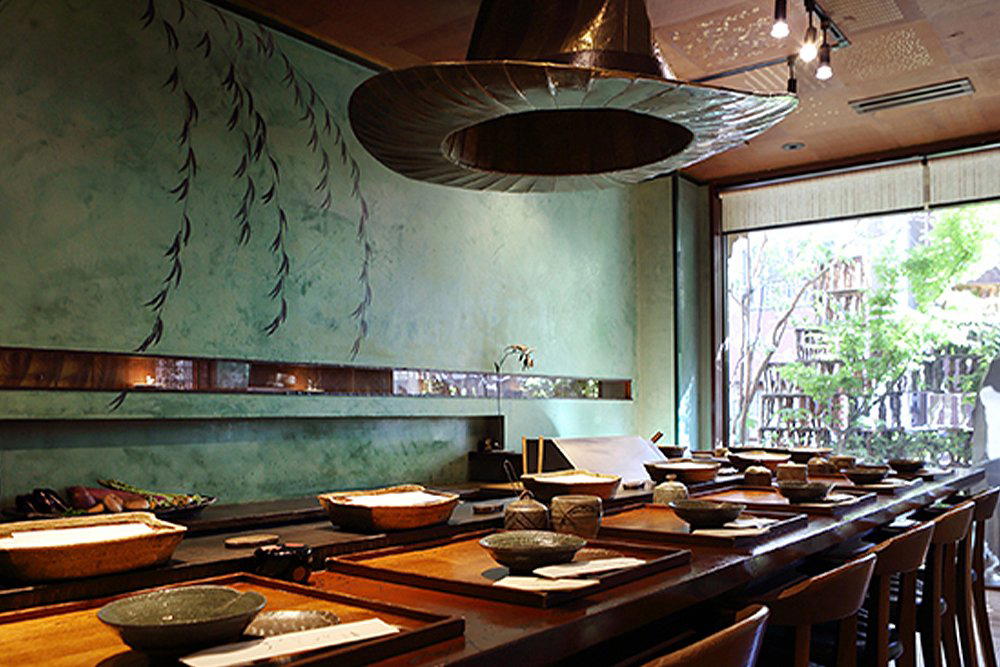
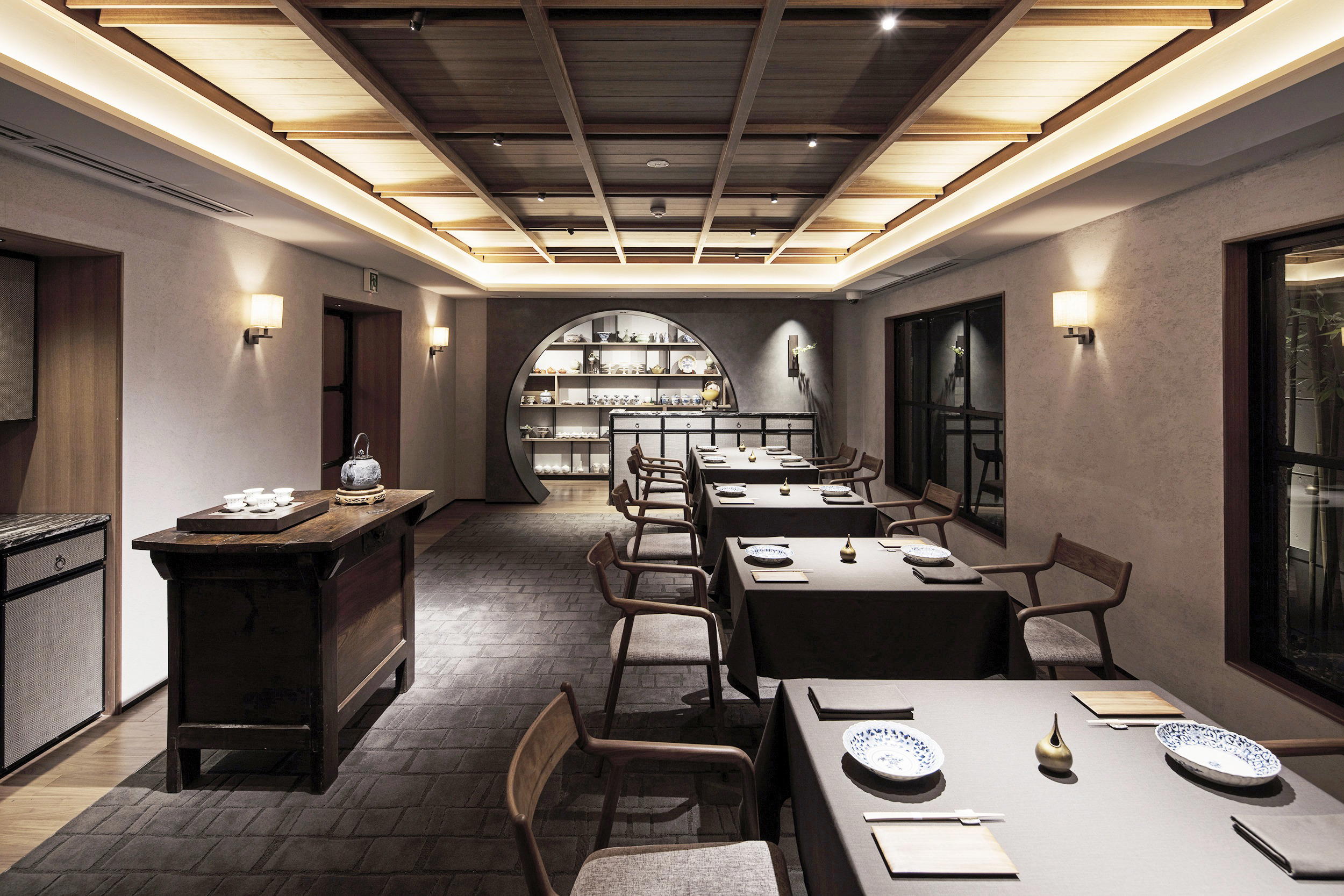
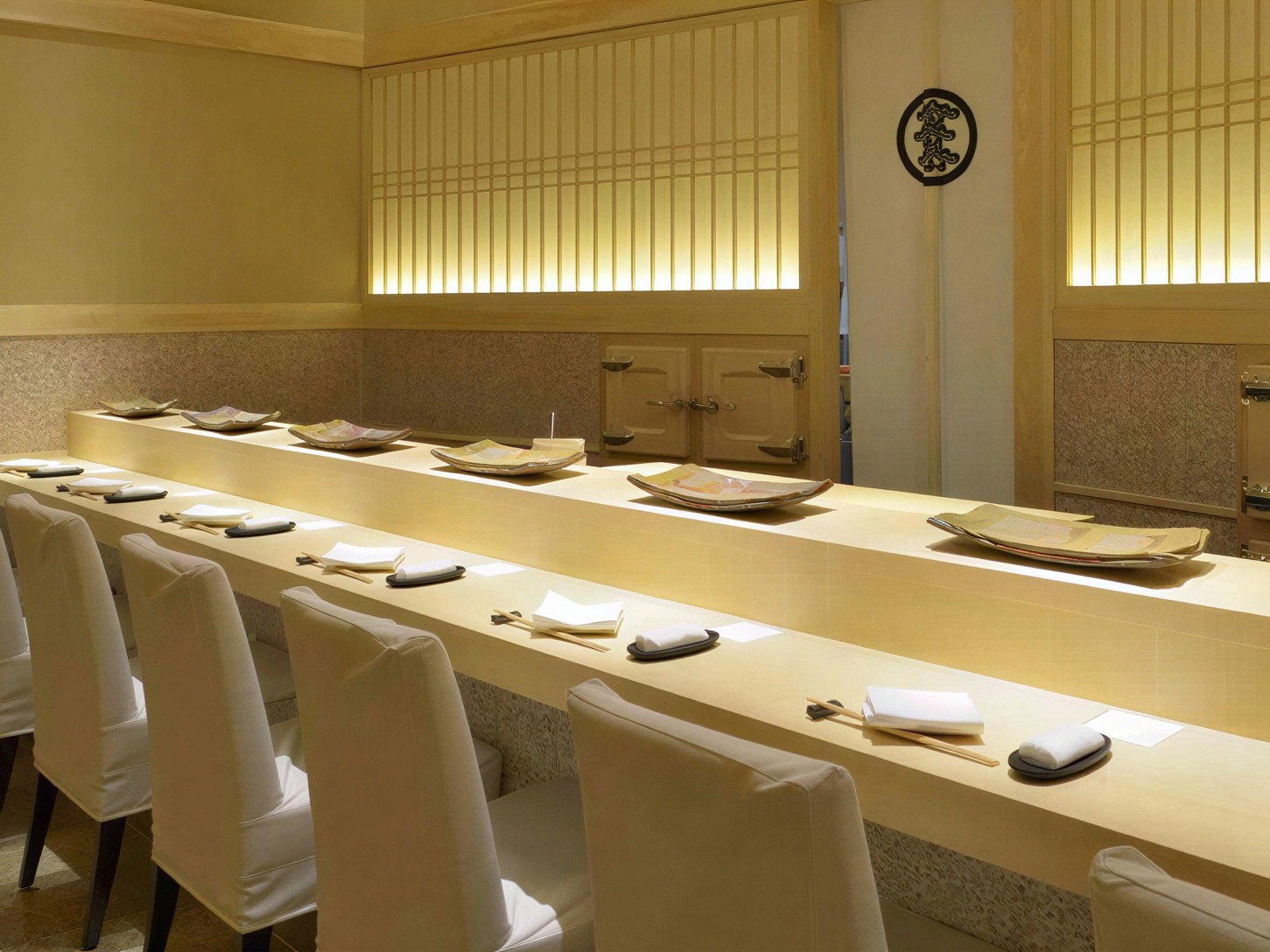
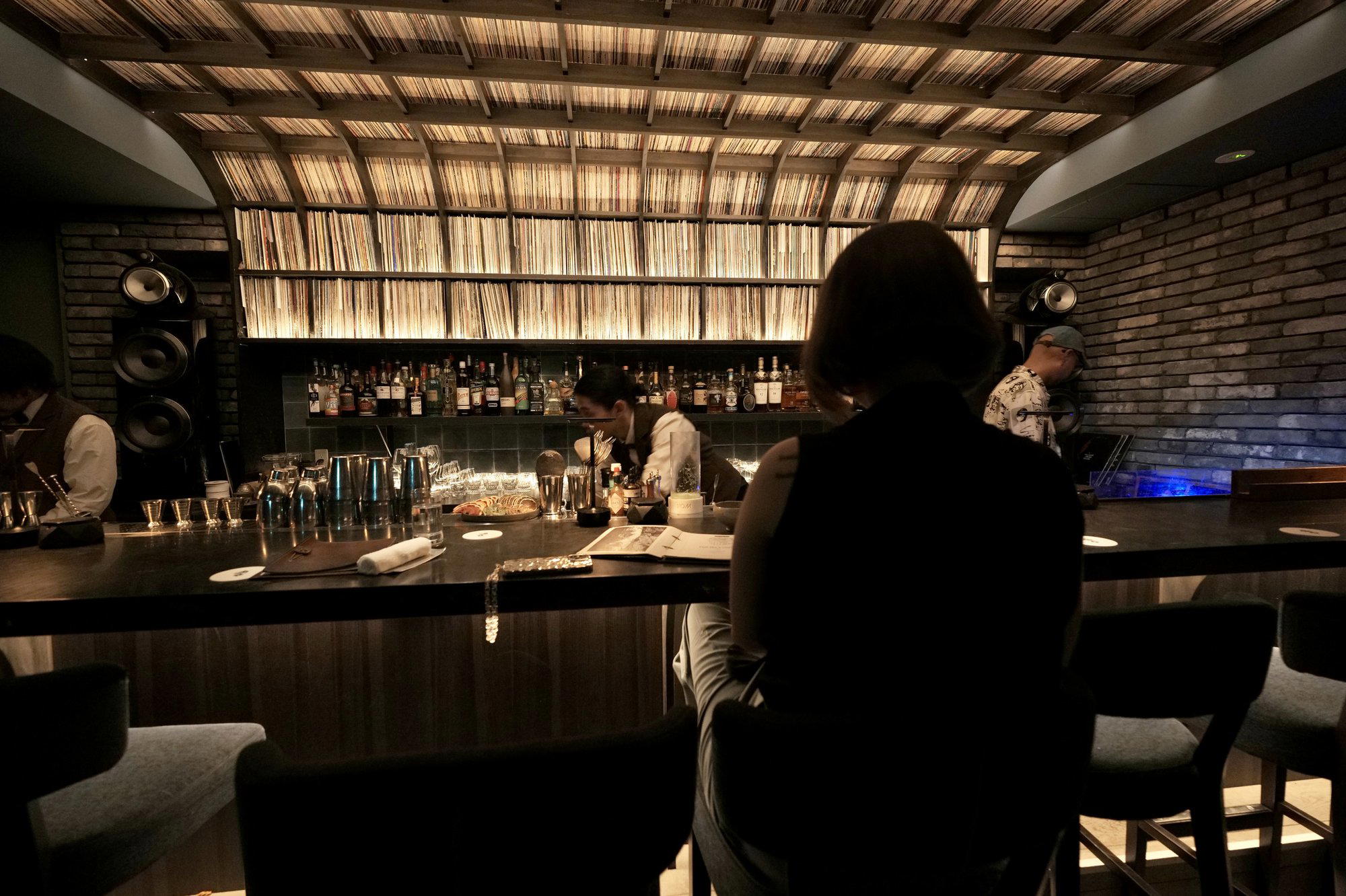
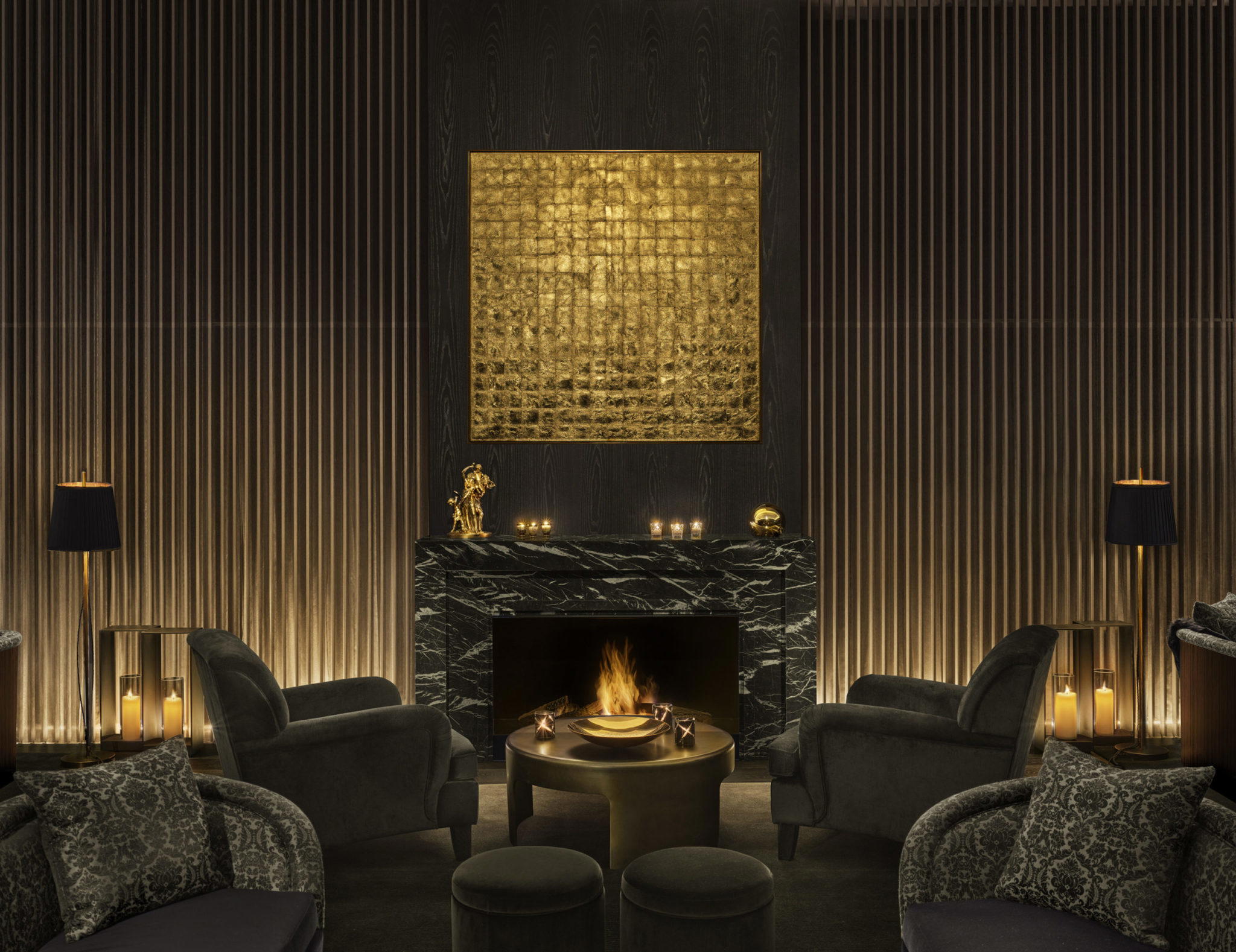
Calm and artful counter seating with a focused, traditional atmosphere; private tatami rooms upstairs offer quiet intimacy amid artworks.