Tucked into the quiet backstreets of Arakicho in Shinjuku, 四ッ谷 みね村 occupies a second-floor address that places it within a neighbourhood long associated with intimate, counter-led Japanese dining. The venue sits in a category of Tokyo restaurants where reservation access and local word-of-mouth carry more weight than broad visibility, positioning it closer to specialist dining rooms than high-profile destination addresses.
Pearl is the En Primeur Club membership app — saves, bookings, and concierge access live there. Same editors, same standards.
- Address
- 宮内ビル 2F, 3-21 Arakicho, Shinjuku City, Tokyo 160-0007, Japan
- Phone
- +81353154958
- Website
- omakase.in
- Directions
- Get directions
 Saves & bookings on Pearl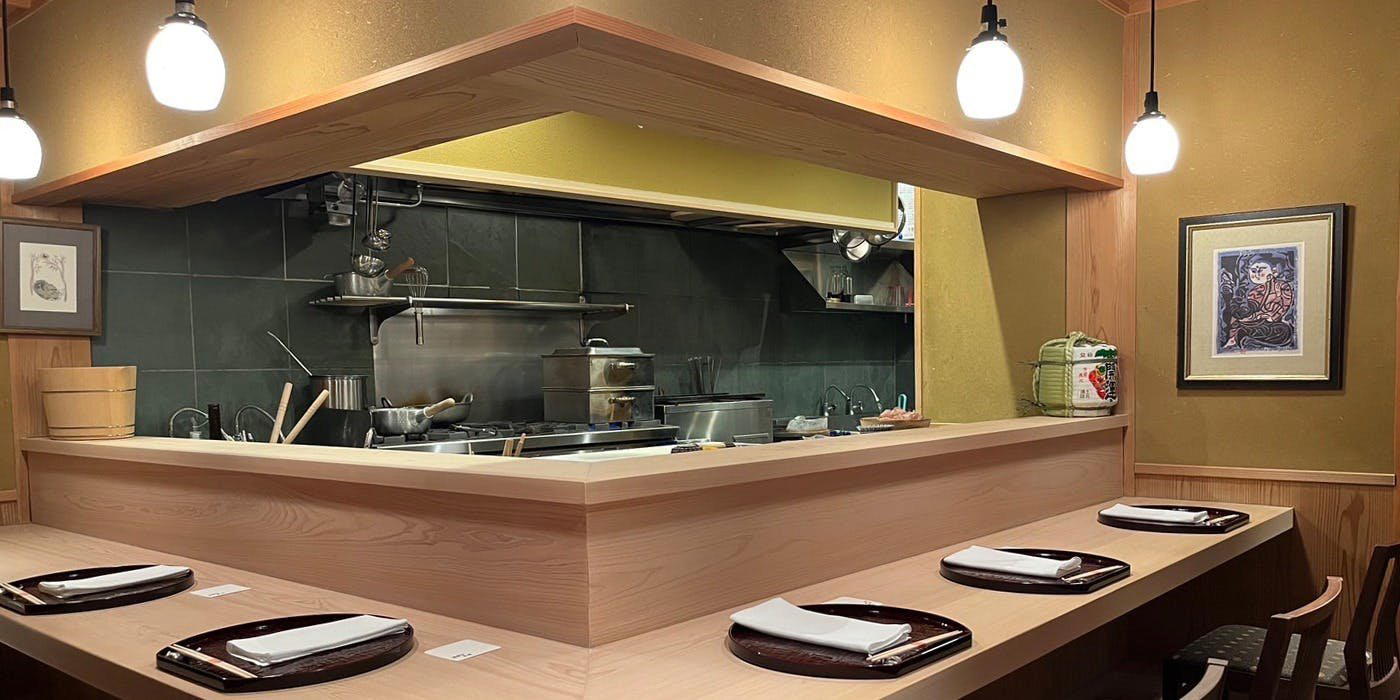
Arakicho and the Counter Dining Tradition
四ッ谷 みね村 is a traditional Japanese kaiseki restaurant in Arakicho, Tokyo, priced around $2500 per person. Some of the city's most focused Japanese restaurants operate not in Ginza's polished towers or Roppongi's expense-account corridors, but in the low-rise residential pockets that surround Yotsuya and Arakicho. This part of Shinjuku ward has historically attracted a particular kind of establishment: small, deliberately unhurried, and oriented toward repeat guests who find their way by recommendation rather than review aggregators. 四ッ谷 みね村, on the second floor of a modest building at 3-21 Arakicho, belongs to that pattern.
The neighbourhood itself functions as useful context. Arakicho sits between the commercial density of Shinjuku and the more institutional character of Yotsuya, a position that has made it attractive to restaurants that want proximity to a wealthy dining public without the rents or visibility of the major dining districts. That trade-off tends to produce a specific type of venue: intimate in scale, serious in intent, and reliant on a clientele that already knows what it is looking for.
The Cultural Architecture of Japanese Counter Dining
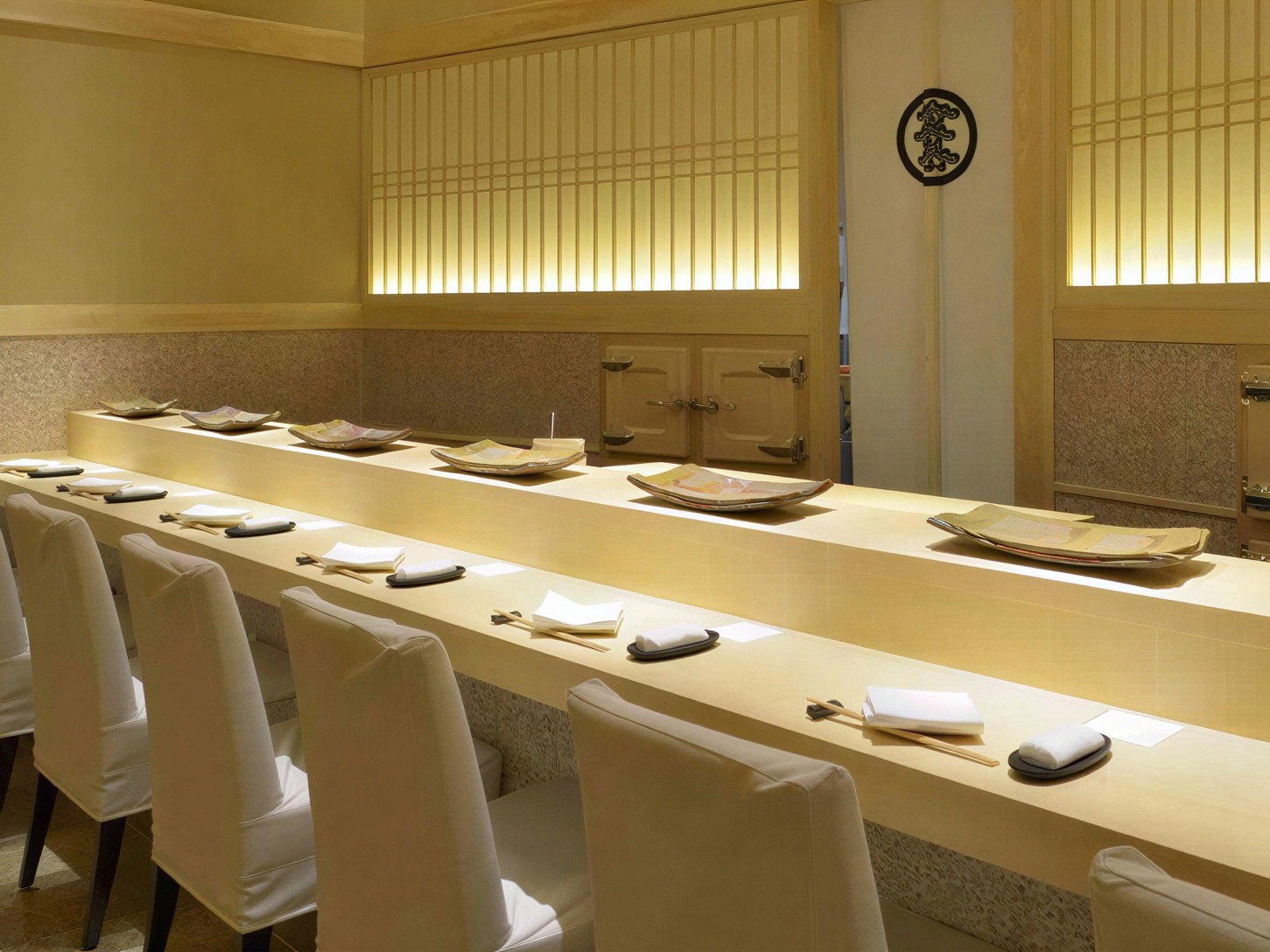
Japan's counter restaurant tradition carries a logic that differs substantially from the European table-service model. The physical format, whether applied to sushi, kaiseki, or other Japanese disciplines, is not simply an aesthetic choice. It organises the relationship between kitchen and guest around directness: what is prepared is transferred almost immediately, often with brief explanation, and the sequence is controlled by the kitchen rather than negotiated across a menu. That structure demands a level of trust from the guest and a corresponding level of accountability from the kitchen.
Within Tokyo, this format spans an enormous price and prestige range. At the upper tier, counters like Harutaka operate with Michelin recognition and multi-month booking windows. At a more accessible register, neighbourhood rooms serve a regular clientele with less ceremony but equivalent seriousness about the food itself. 四ッ谷 みね村 occupies an address and neighbourhood profile consistent with the latter category, though
What the Arakicho address does signal is a deliberate positioning away from the tourist and expense-account circuits. Restaurants in this pocket of Shinjuku tend to price and pitch toward Japanese guests who live or work nearby, or who travel specifically for the table rather than incidentally passing through. That dynamic shapes the atmosphere as much as the food: the room tends to feel less staged than comparable rooms in higher-profile districts.
Tokyo's Wider Japanese Dining Spectrum
Any serious engagement with Japanese cuisine in Tokyo requires some orientation across a dense and internally differentiated scene. The city's Michelin-starred count across Japanese categories runs into the dozens, from three-star kaiseki destinations like RyuGin to smaller neighbourhood rooms that appear in neither international guides nor local press with any regularity. The gap between those tiers is not simply one of quality but of format, audience, and intent.
Western-influenced fine dining has its own strong Tokyo lineage, represented by rooms like L'Effervescence, Sézanne, and Crony, all of which operate at the ¥¥¥¥ tier. The Japanese counter tradition runs parallel to this, not in competition with it, and addresses a different set of guest priorities: seasonal produce logic, minimal intervention, and a reading of quality that is rooted in restraint rather than elaboration.
Beyond Tokyo, that same disciplinary seriousness appears in rooms like Gion Sasaki in Kyoto and HAJIME in Osaka, as well as in smaller cities where the competition for attention is lower but the culinary standards are not. Goh in Fukuoka and akordu in Nara both demonstrate that the counter-forward, produce-led model travels well outside the capital. Japan's dining infrastructure is unusually deep in this respect: specialist rooms of genuine seriousness operate in prefectures and market towns that receive little international coverage, from Nanao to Sapporo, Takashima to Nishikawa Machi.
For guests arriving from markets where counter dining is a novelty, it is useful to note that the format is not inherently formal or expensive. In Japan, it is simply the default architecture for a wide range of serious kitchens. The formality calibrates to the room and the price point, not to the format itself.
Placing 四ッ谷 みね村 Within the Scene
The restaurant’s menu and position within Tokyo’s dining hierarchy are best understood through its Arakicho address and its specialist kaiseki focus. What the address and neighbourhood establish is a plausible context: a second-floor room in Arakicho, in a part of Shinjuku ward that has historically favoured intimate, specialist Japanese dining over high-traffic destination formats.
That context is worth taking seriously. Rooms in this neighbourhood tend not to have English-language websites, tend not to appear in international press, and tend to rely on a degree of local knowledge or personal introduction that makes them harder to access for guests who are new to the city. For readers comparing this type of room against internationally profiled alternatives, the experience of finding and booking such a venue is itself part of the proposition. It requires more effort and more local knowledge than booking a table at a recognised Michelin address, and the reward is typically a more locally calibrated experience.
Internationally recognised parallels exist in other cities where serious cooking operates outside the review circuit. Le Bernardin in New York and Atomix both demonstrate what formally recognised precision looks like at the summit of a metropolitan market; the Arakicho model is structurally different, operating closer to the intimate neighbourhood-specialist end of the spectrum, comparable in spirit if not in format to places like Birdland in Sakai or Bistro Ange in Toyohashi, smaller-city rooms that carry genuine seriousness without international visibility.
Planning Your Visit
The restaurant is located on the second floor of Miya Building, 3-21 Arakicho, Shinjuku City, Tokyo 160-0007. The nearest major transit access is via Yotsuya Station, which sits on both the JR Chuo Line and the Tokyo Metro Marunouchi and Namboku lines, placing the address within direct reach of central Tokyo. Given the neighbourhood's character and the typical format of second-floor Arakicho rooms, early contact through personal introduction or a Japanese-language reservation channel is advisable. Advance reservations are essential.
Compact Comparison
Comparable venues nearby, for context on price, style, and recognition.
| Venue | Cuisine | Price | Notes |
|---|---|---|---|
| 四ッ谷 みね村This venue — the venue you are viewing | Shinjuku, Traditional Japanese Kaiseki | $$$$ | Not listed |
| Ginza 1954 | Ginza, Japanese Bar | $$$$ | Not listed |
| Inoue (井上) | Ginza, Modern Yakiniku | $$$$ | Not listed |
| Ukai-tei Roppongi | Minato, Luxury Teppanyaki | $$$$ | Not listed |
| Mudai | Not listed | $$$$ | Minato, Japanese Omakase / Kaiseki |
| SHIZEN | Not listed | $$$$ | Shibuya, Modern Japanese Wood-Fired Kaiseki |








At a Glance
- Elegant
- Intimate
- Sophisticated
- Special Occasion
- Date Night
- Chefs Counter
- Sake Program
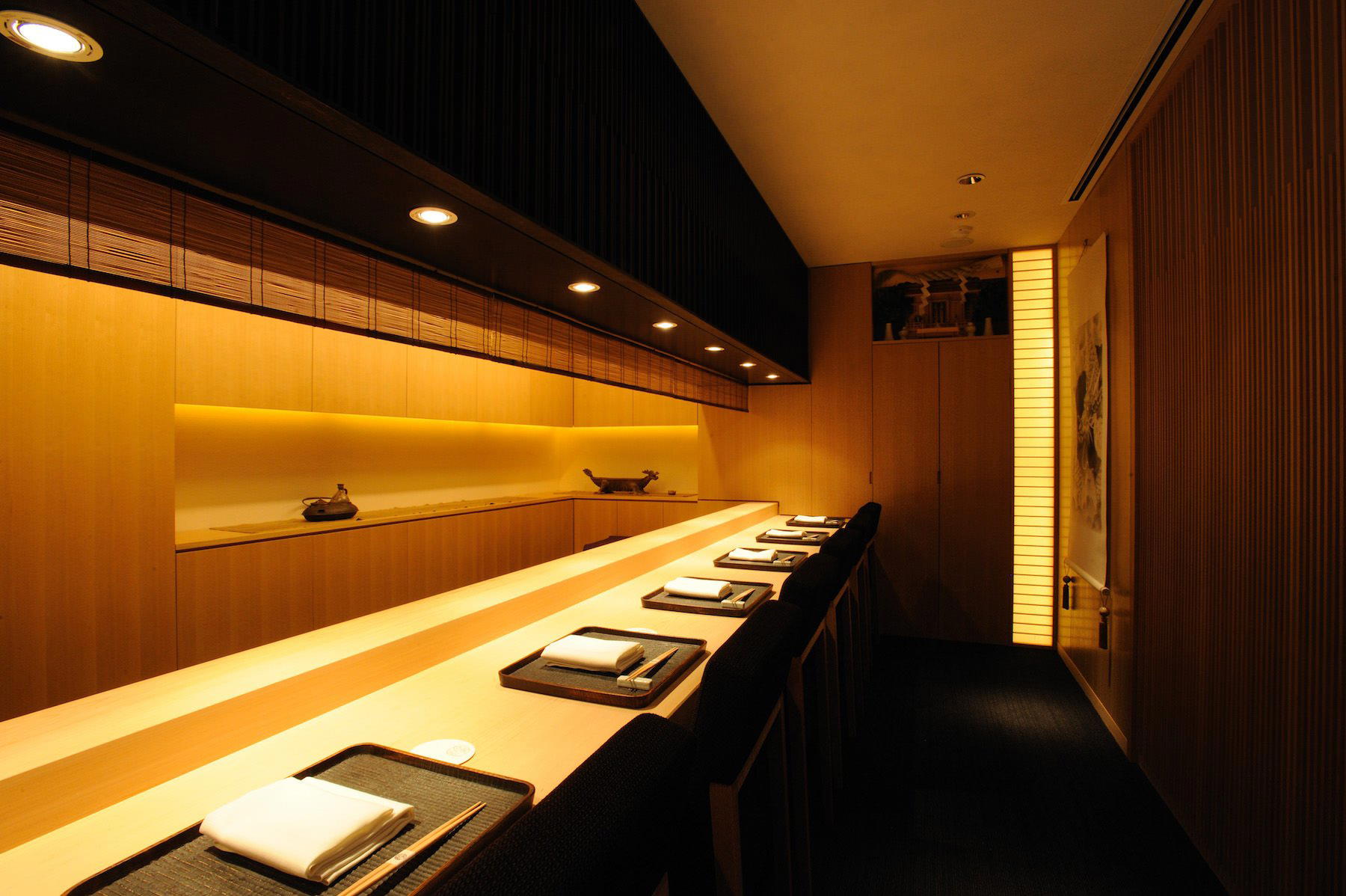
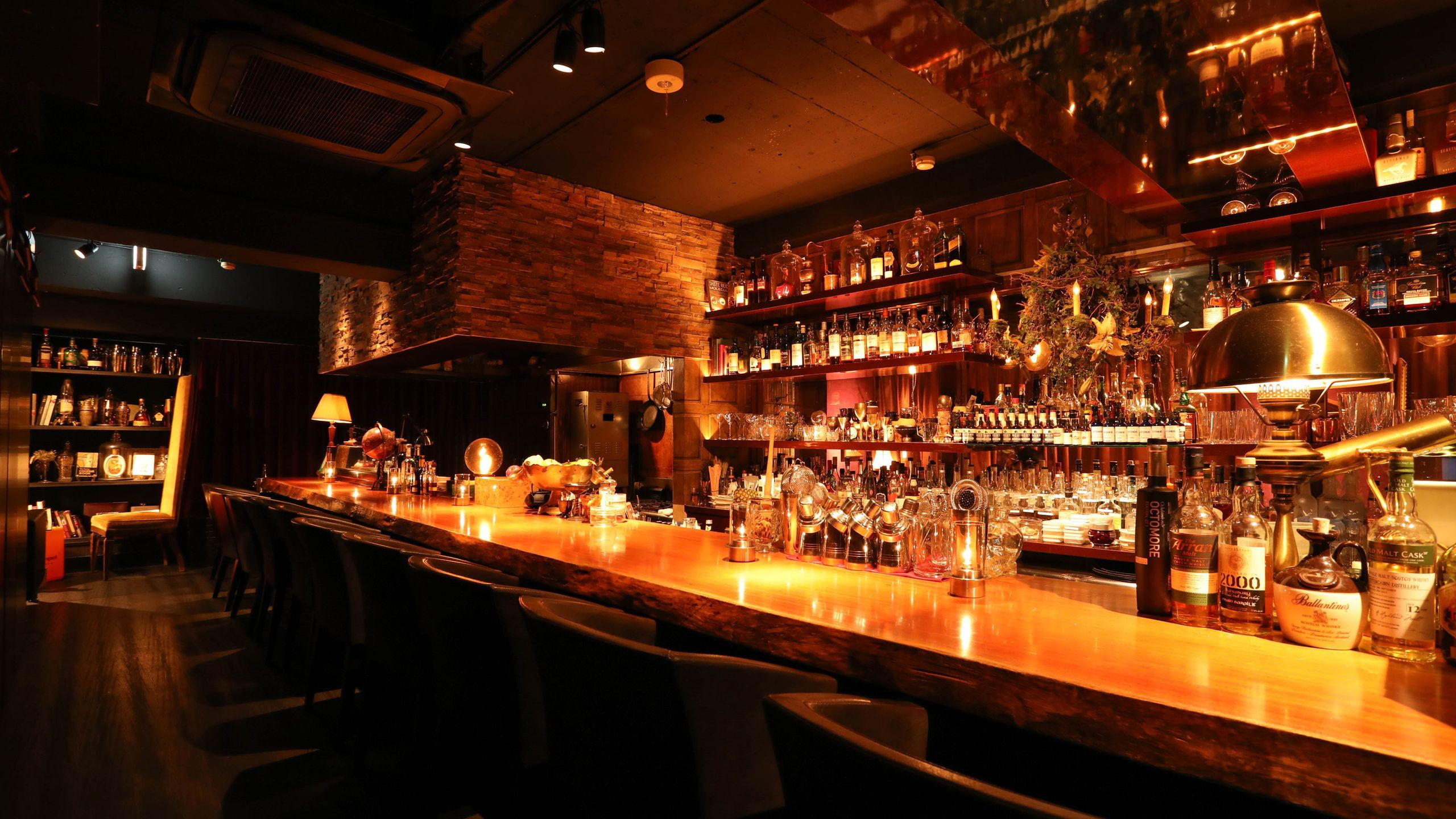
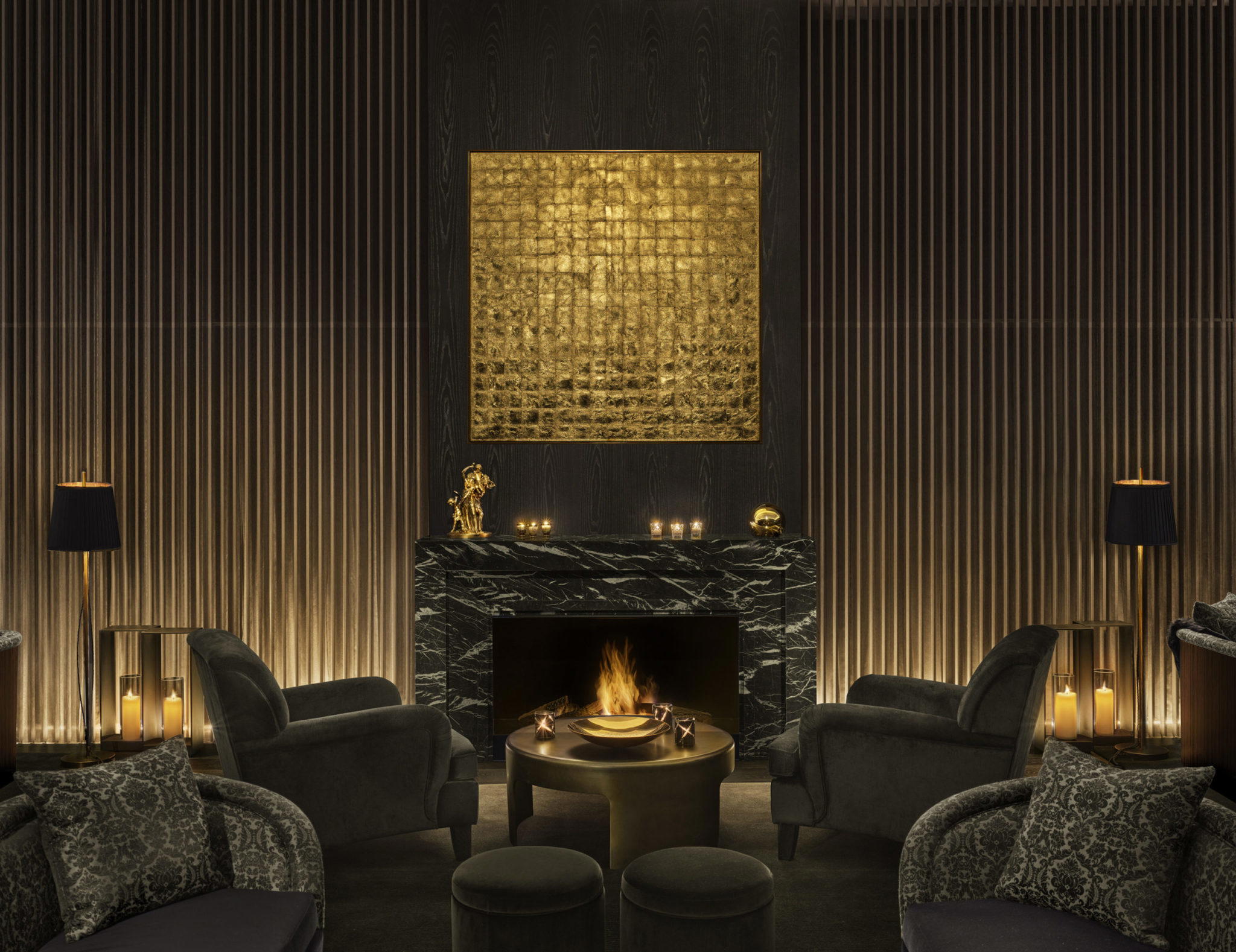
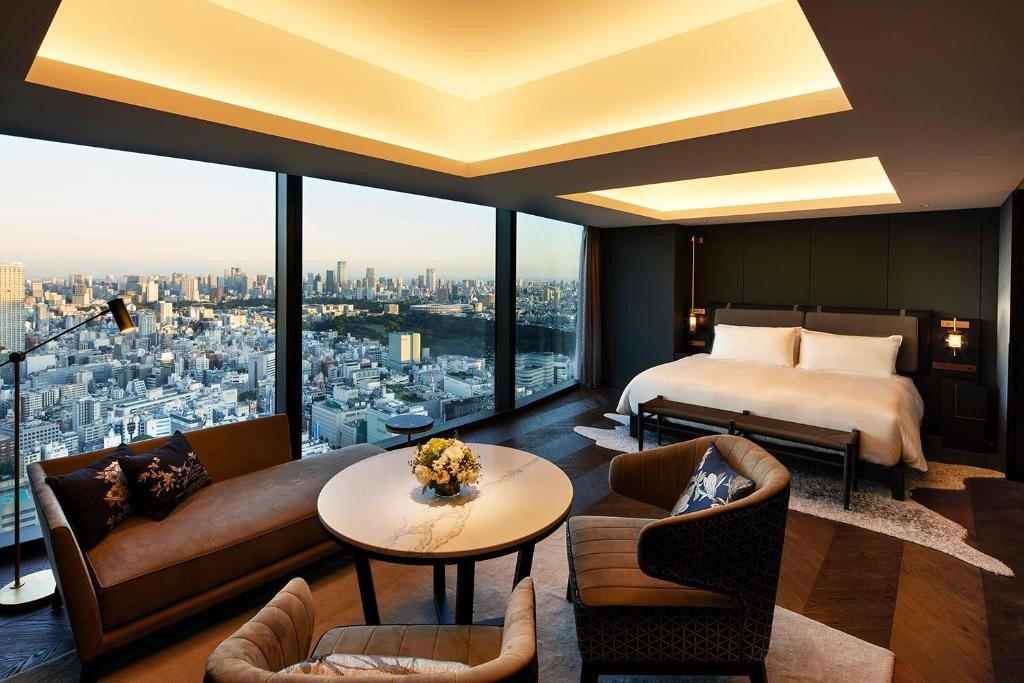
Intimate counter setting with elegant tableware and seasonal Japanese aesthetics creating an upscale, refined atmosphere.