

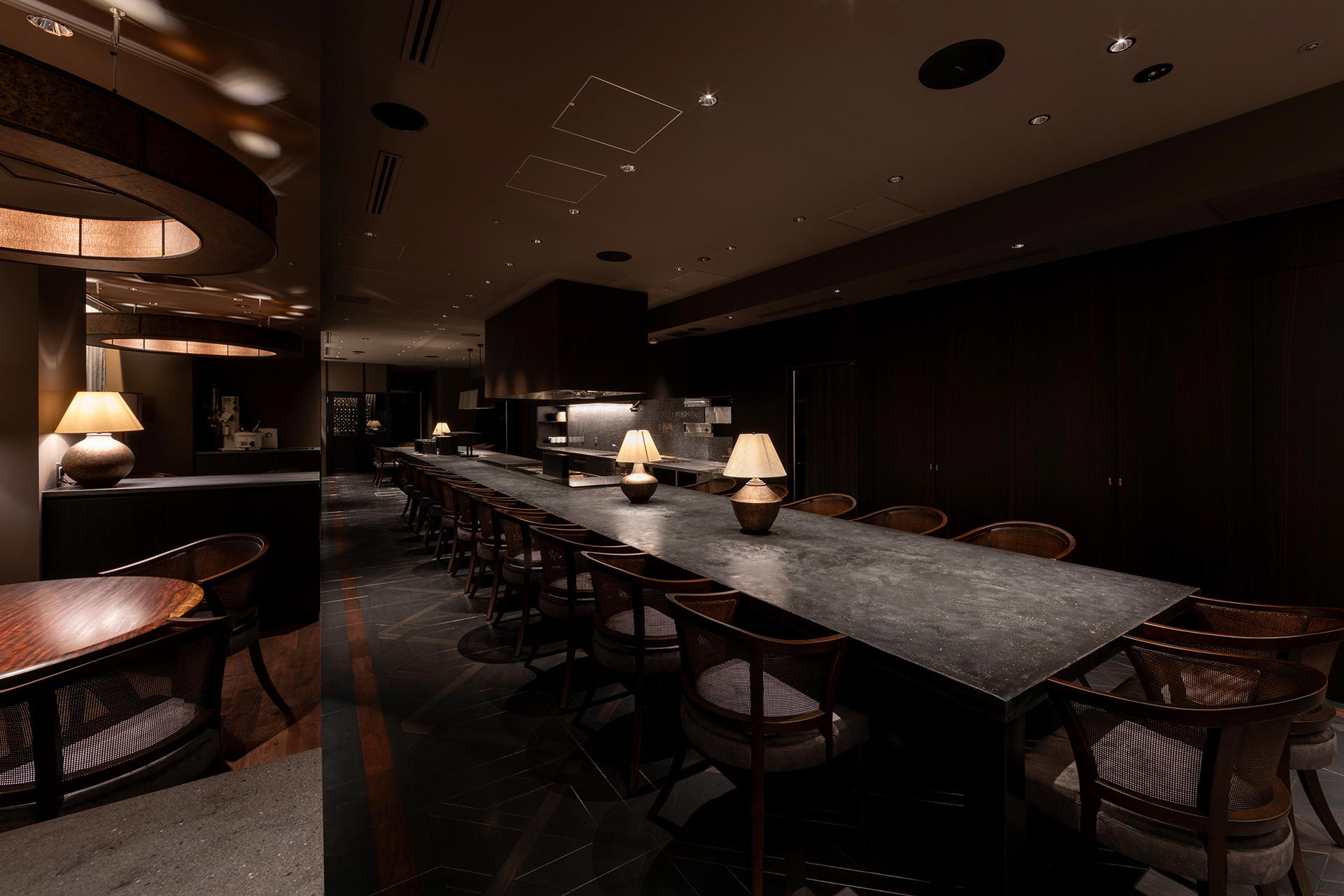
Mudai brings a tight, reservation-only Japanese cuisine format to Azabudai Hills, with an eight-seat room and critical recognition from Tabelog 100 Tokyo 2025 and Opinionated About Dining’s 2026 Japan Recommended list. Its appeal sits in the current Tokyo pattern of small counters inside high-design mixed-use districts, where reputation is built as much through restraint and scarcity as through spectacle.
Pearl is the En Primeur Club membership app — saves, bookings, and concierge access live there. Same editors, same standards.
- Address
- 東京都港区麻布台1-3-1 麻布台ヒルズ タワープラザ FREUDE by BMW 2F
- Phone
- +817069723823
- Website
- tabelog.com
 Saves & bookings on Pearl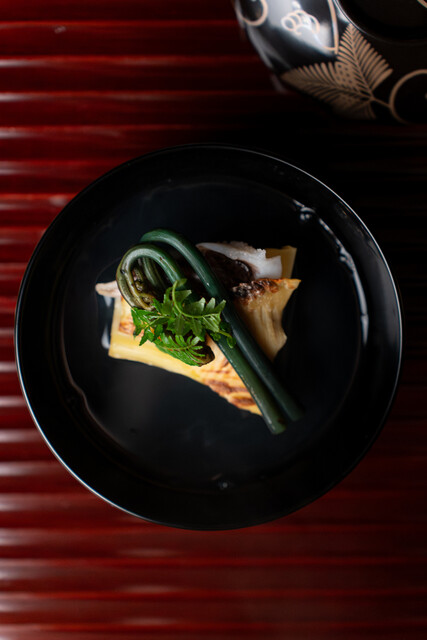
Azabudai Hills changes Tokyo destination dining’s usual rhythm. Instead of a lantern-lit side street or hushed Ginza building, the approach runs through a polished urban complex where retail, residences, design, and restaurants form one vertical district. Within it, Mudai fits a newer Tokyo category: small-format Japanese cuisine inside a luxury development, judged by the same standards as older, discreet counters across the city.
The tension helps. Tokyo’s Japanese cuisine scene has long prized separation from the street: a door, a counter, a fixed rhythm, and a room small enough for service to read the table without theatre. Azabudai Hills brings that language into a more international frame. Nearby Yoroniku Azabudai Hills, Dining 33, Sushi Saitou Azabudai, Ochiai Rou Steak House Tokyo, and 青柳 show the district as a concentrated dining address rather than a casual neighbourhood strip. Mudai sits in that cluster, but its scale and recognition place it closer to serious counter culture than development-driven spectacle.
Small-counter Japanese cuisine inside Tokyo's new luxury district
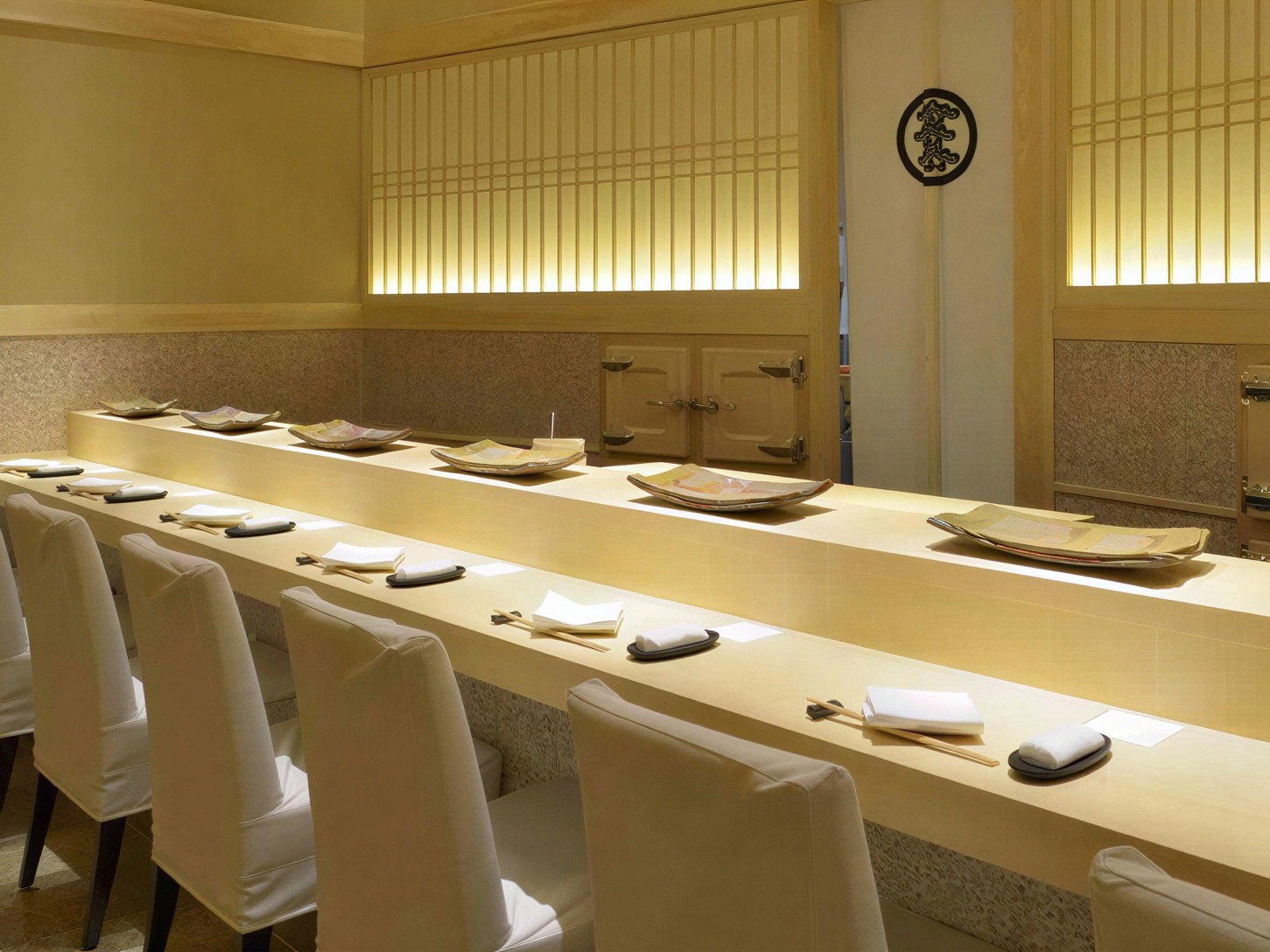
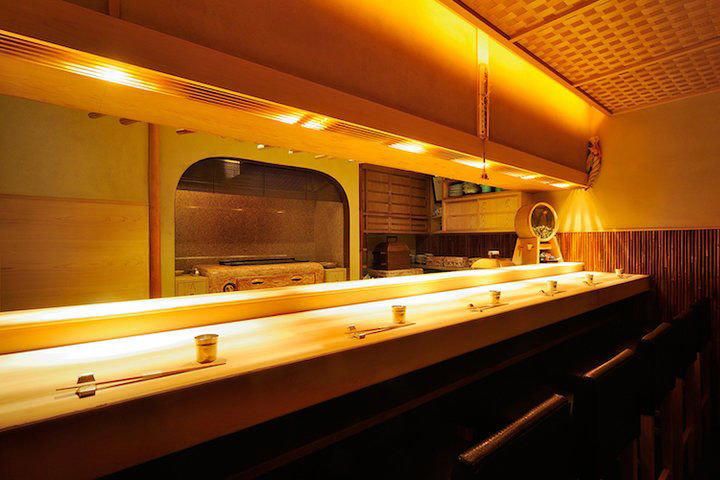
Japanese cuisine at this level is rarely about abundance. The format asks diners to accept a paced sequence, a narrow room, and a kitchen controlling tempo closely. In Tokyo, where sushi, tempura, kappo, and kaiseki-adjacent counters compete for diners who measure precision over decoration, that discipline matters. Mudai’s eight-seat setup puts it in the intimate category, where every service choice is amplified and scale becomes part of the argument.
Recognition gives that argument weight. Selection for Tabelog 100 Japanese Cuisine Tokyo 2025 shows the restaurant entered a competitive local field quickly after opening in 2024. Opinionated About Dining’s 2026 Japan Recommended listing adds an internationally watched marker, useful because Tokyo’s Japanese cuisine category can be opaque to travellers who know Michelin but not domestic ranking culture. Its Tabelog score of 3.73 is not casual in this genre; incremental differences matter, especially for small counters with limited seats and narrow service windows.
The listing as Japanese cuisine, rather than a single specialist lane, matters. In Tokyo, that often places a restaurant between formal kaiseki, kappo counter cooking, and seasonal tasting-menu logic. Without reducing it to a dish-by-dish script, the category points to progression, seasonality, and controlled revelation. The restaurant’s preference that guests avoid posting food details reinforces the model: surprise is structural, not a social-media tactic.
Reputation here is built on restraint, not volume
Tokyo signals ambition many ways: historic lineage, imported luxury ingredients, dramatic plating, or a chef’s public persona. Mudai’s signals are quieter and current: tiny seat count, reservation-only format, high-spend dinner bracket, and recognition from both a domestic dining list and an international survey. That combination places it in the city’s serious Japanese-cuisine tier without a long public backstory.
The price band shapes expectations. Diners here are comparing controlled counter experiences, not a casual dinner with a treat. Sushi Saitou Azabudai sits in a similarly high Tokyo price conversation, while Yoroniku Azabudai Hills shows the district’s broader premium mix through yakiniku rather than Japanese-course cooking. The useful comparison is diner intent, not cuisine-for-cuisine equivalence: Azabudai Hills lets visitors assemble a serious Tokyo dining itinerary inside one district, then choose beef, sushi, French-influenced high-rise dining, or a smaller Japanese counter.
District context is part of the draw. Kamiyacho and Roppongi-Ichome sit between old embassy-area Tokyo and new development Tokyo, where international hotels, private residences, corporate towers, and destination restaurants overlap. For food-led travellers, the area works differently from Shinjuku or Shibuya: it rewards targeted reservations, not wandering. Readers comparing options can use Our full Tokyo restaurants guide for the city’s restaurant spread, then cross-check trip architecture through Our full Tokyo hotels guide, Our full Tokyo bars guide, Our full Tokyo wineries guide, and Our full Tokyo experiences guide.
How to place it in a Tokyo dining plan
Mudai is strongest for diners who understand that Tokyo’s serious Japanese meals are often defined by constraint. The room is small, the format fixed, and the pace not built for a quick pre-theatre stop. Children are welcomed only when they can eat the same food as adults, underlining the meal’s adult structure without making it exclusionary. The no-perfume guidance is telling too: aroma is part of the dining environment, and guests are expected to respect that shared field.
Azabudai Hills parking and station access simplify logistics versus many small Tokyo counters, but the experience deserves the same planning discipline as Ginza sushi or a Kyoto kaiseki reservation. Keep the evening clean, avoid stacking a heavy bar program beforehand, and let dinner carry the night. For contrasting Tokyo meals at different registers, EP Club’s restaurant pages range from. 鮪と炭火焼き うお炭 秋葉原店 and 12/10 Shinjuku ten to 124. KAGURAZAKA (Yakitori), 2D Cafe, and 3 Chome no Curry Ya San.
Outside Tokyo, comparison is more about regional appetite than direct rivalry. A traveller extending the same Japan-focused food trip might pair the capital’s controlled counter culture with -Grilled beef Sukiyaki- KAMAKURA TANUKIAN 鎌倉 たぬき庵 in Kamakura.cafe in Osaka.know in Kumamoto, (Shoku) Vietnam in Kawasaki, [Curry Senmon Ten] Maruyama Kyoju. in Sapporo, or [ki:] in Kyoto. For Japanese dining outside Japan, Jōdo Saké Bar in Los Angeles and Onigiri Time in Pasadena show how different the category becomes once it leaves its home context.
The editorial verdict is measured but clear: this is a reputation-led Tokyo booking for diners who value compact rooms, controlled Japanese-course dining, and the credibility of Tabelog 100 and OAD recognition. It is not for a loose, improvisational night out. It is for seeing how Azabudai Hills absorbs serious Japanese cuisine into a new luxury district without stripping away the counter discipline that gives the genre its force.
Cuisine and Credentials
Comparable venues for orientation by cuisine and category.
| Venue | Cuisine | Price | Notes |
|---|---|---|---|
| MudaiThis venue — the venue you are viewing | Japanese Omakase / Kaiseki | $$$$ | Not listed |
| Ukai-tei Roppongi | Luxury Teppanyaki | $$$$ | Minato |
| Sushi Tanji | Traditional Edo-style Omakase Sushi | $$$$ | Minato |
| Isana sushi bar | Edomae Omakase Sushi | $$$$ | Minato |
| Ningyocho Imahan Toukyou gaaden terasu kioichou ten | Traditional Wagyu Sukiyaki & Shabu-shabu | $$$$ | Chiyoda |
| Iwai | Edo-Style Tempura Omakase | $$$$ | Chūō |
Recognition history
Dated appearances from independent guides and award organizations, with the underlying list record or original source where available.
Opinionated About Dining Top Restaurants in Japan Recommended
Opinionated About Dining
Tabelog 100 #47 · No. 47
Tabelog · Tabelog 100 - Japanese cuisine - TOKYO - 2025







At a Glance
- Sophisticated
- Intimate
- Elegant
- Modern
- Special Occasion
- Date Night
- Business Dinner
- Private Event
- Design Destination
- Standalone
- Sake Program
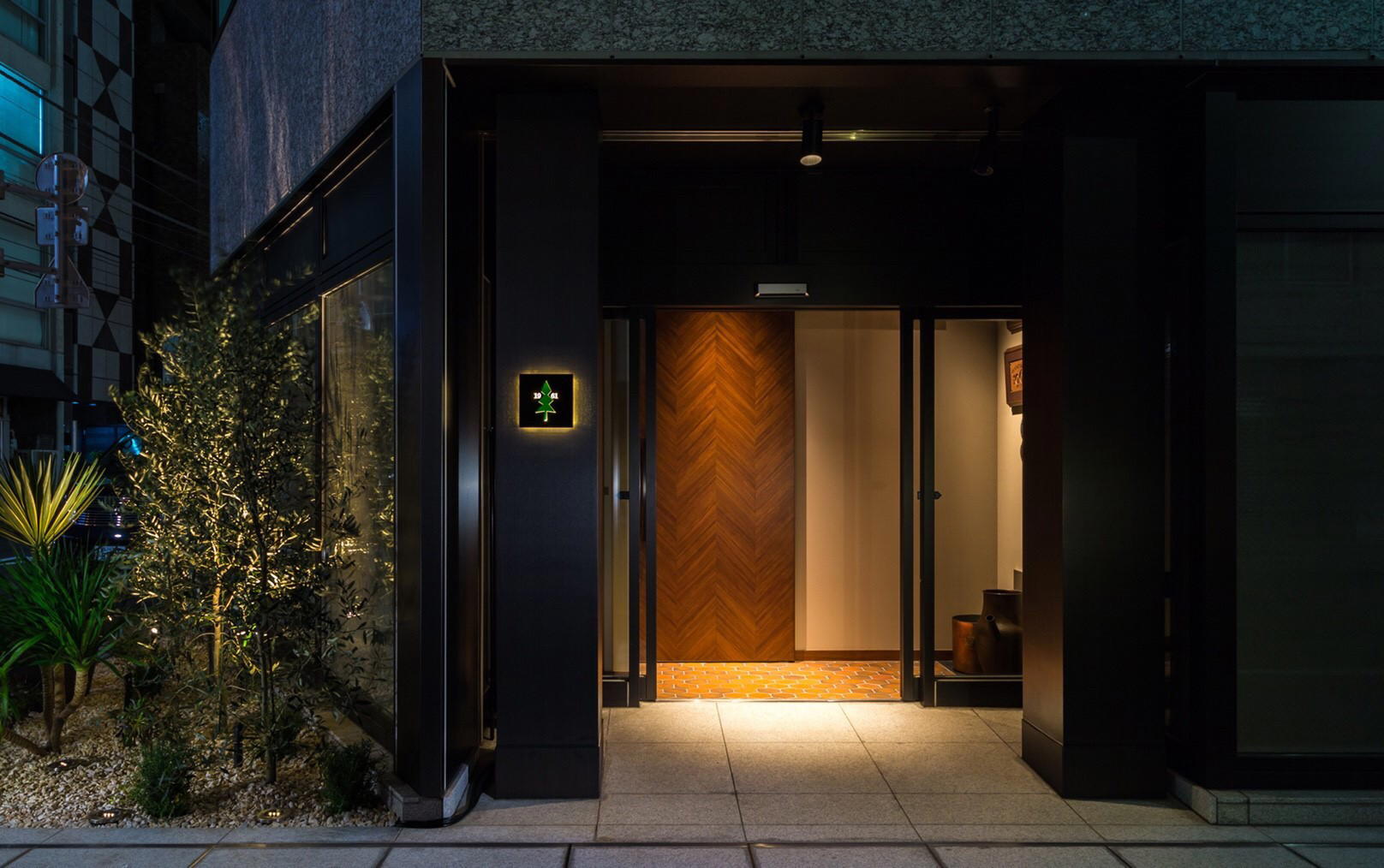
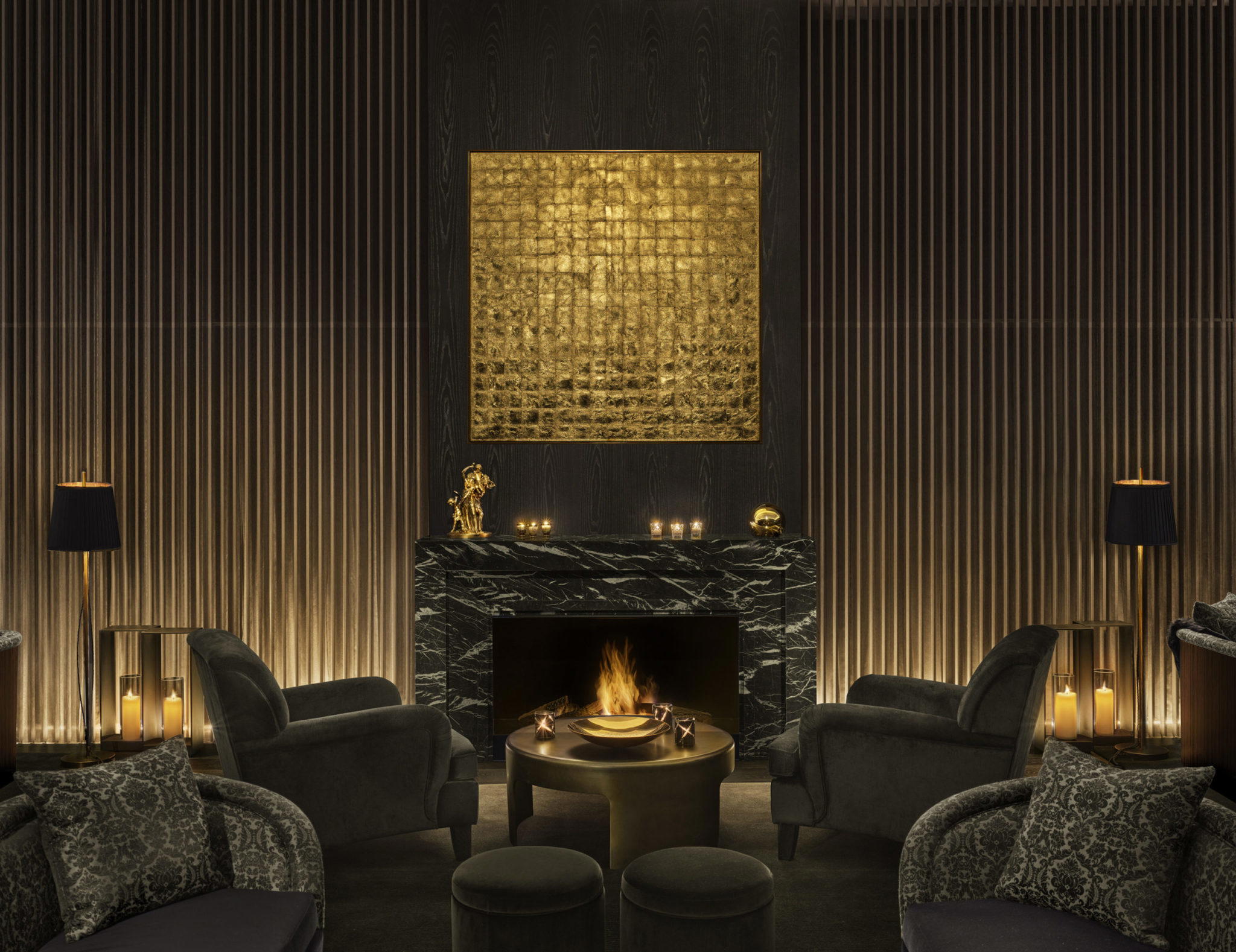
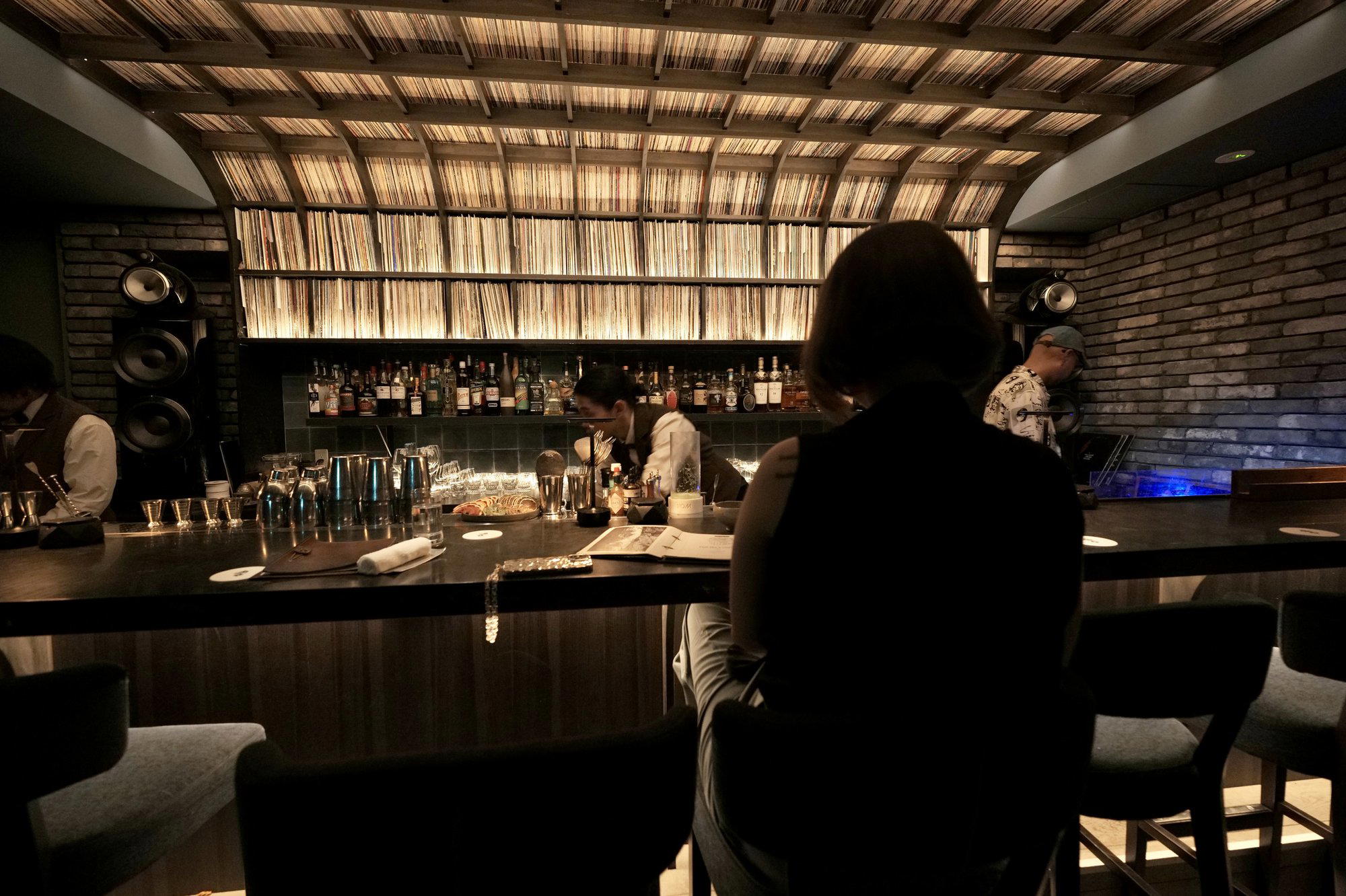
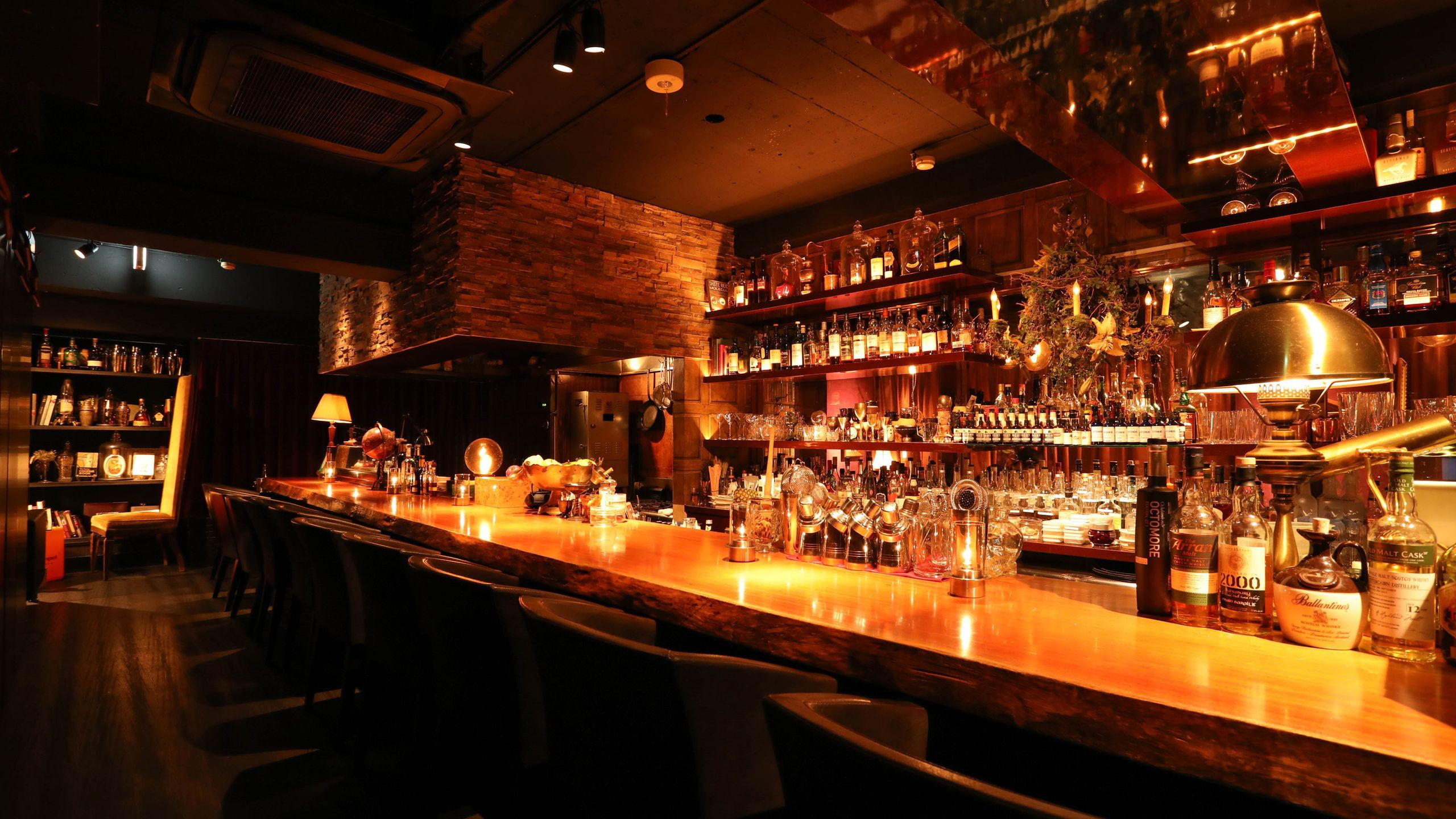
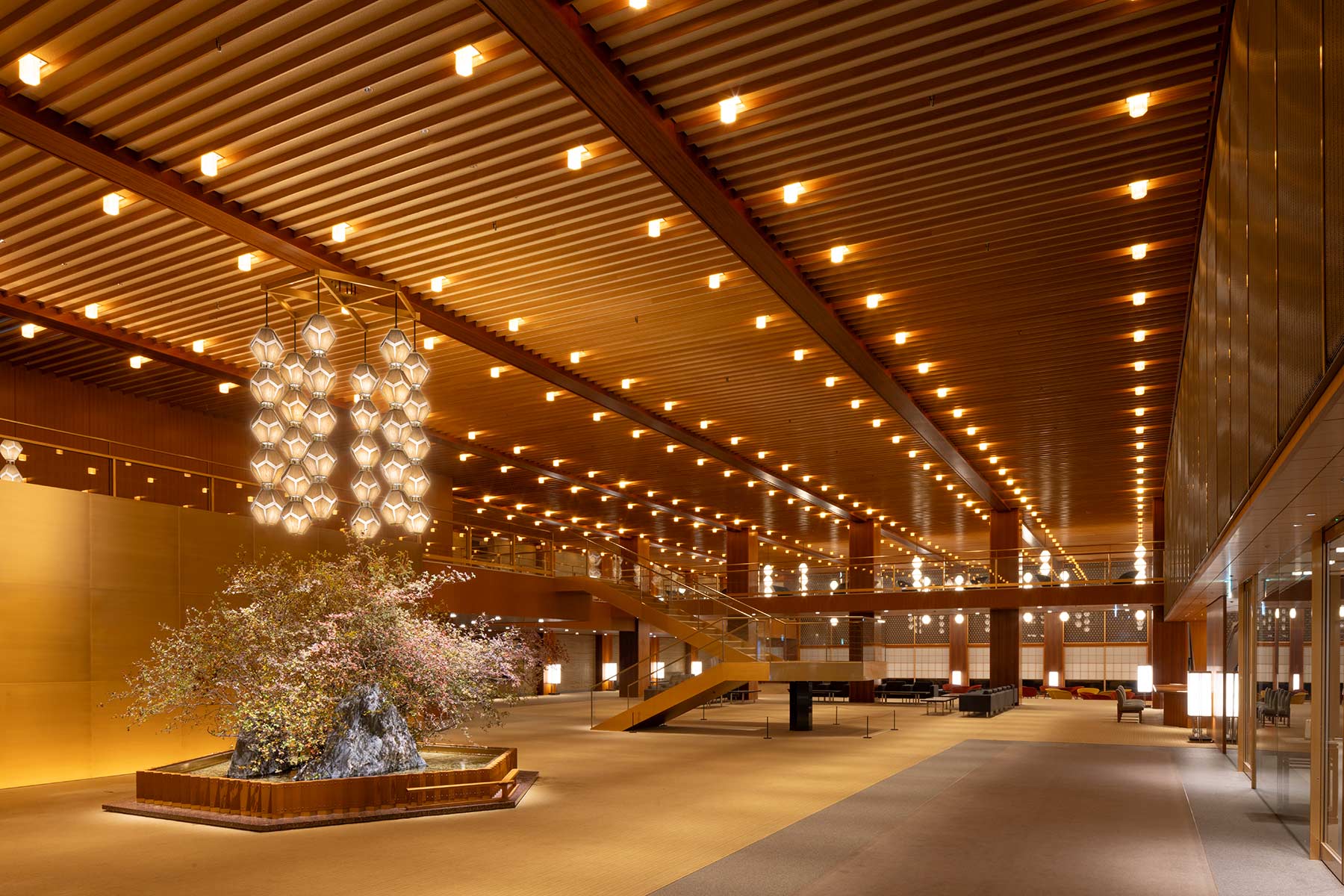
Quiet, refined, and unobtrusive, with an intimate eight-seat setting inside Azabudai Hills and a focus on aroma and presentation.