
In Shibuya's denser residential pocket, SHIZEN occupies a register distinct from Tokyo's high-volume dining corridors. The address places it at 3 Chome-6-18 Shibuya, away from the district's commercial noise, suggesting a format built around precision rather than footfall. For visitors mapping Tokyo's serious dining scene, it belongs in the same conversation as the city's more considered, format-driven rooms.
Pearl is the En Primeur Club membership app — saves, bookings, and concierge access live there. Same editors, same standards.
- Address
- 3 Chome-6-18 Shibuya, Tokyo 150-0002, Japan
- Website
- sakai-shokai.jp
- Directions
- Get directions
 Saves & bookings on Pearl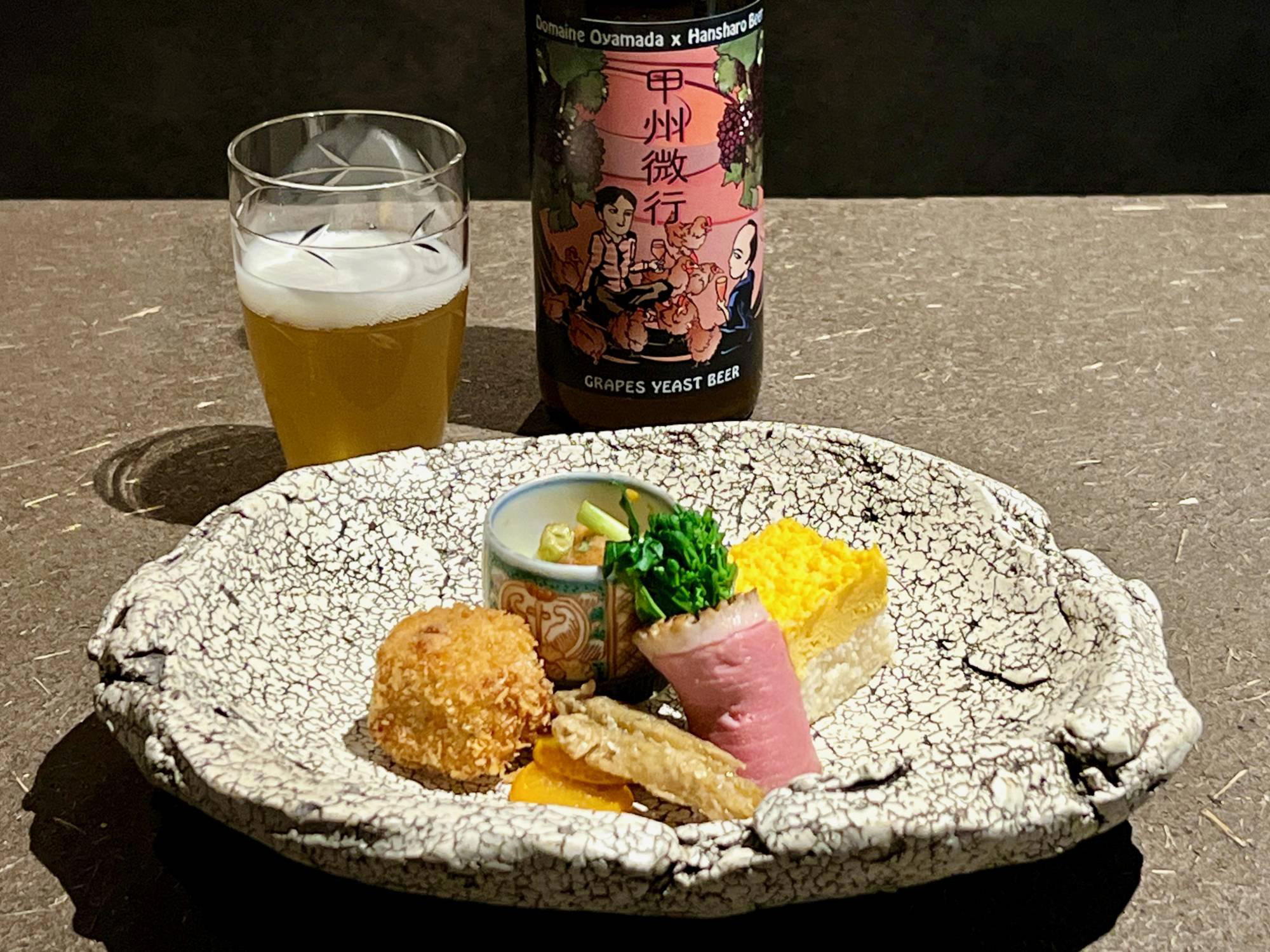
The Ritual Before the Food
Tokyo has spent the better part of two decades refining what a meal is supposed to feel like. Not just what it tastes like, but how it unfolds: the pace of arrival between courses, the temperature of the room, the moment a server steps forward versus steps back. In this context, Shibuya's dining identity is more layered than its commercial reputation suggests. The ward that houses department store food halls and conveyor-belt ramen also contains quieter pockets where the dining format itself carries as much weight as the menu. SHIZEN is a Modern Japanese Wood-Fired Kaiseki restaurant in Shibuya, Tokyo, at 3 Chome-6-18 Shibuya, Tokyo 150-0002, Japan.
The name translates loosely to "nature" in Japanese, a word that in the context of contemporary Tokyo dining carries specific implications: a preference for seasonal framing, for restraint over spectacle, for the meal as a structured passage rather than a series of individual dishes. These aren't decorative ideas in the city's serious dining rooms. They are load-bearing.
Shibuya as a Dining Address
Most of Tokyo's highest-profile dining is distributed across Ginza, Minami-Aoyama, and Nihonbashi, where real estate signals exclusivity and proximity to Michelin inspectors has historically been assumed. Shibuya operates differently. The district draws a younger, more internationally mobile audience, and the dining rooms that have established credibility here tend to do so through format and curation rather than through address prestige alone.
The 3 Chome area of Shibuya, where SHIZEN is located, sits away from the station's commercial gravity. Reaching it requires a degree of intention that self-selects the room. In Tokyo's dining grammar, this kind of address often correlates with a format built for repeat visitors rather than first-timers, the kind of room where regulars set the ambient tone and newcomers are expected to follow the rhythm of the space rather than dictate it.
For context, compare the positioning to venues like L'Effervescence, which operates in Nishi-Azabu with a French fine dining format at the ¥¥¥¥ tier, or Crony, which brings an innovative French approach to the same price bracket. SHIZEN's Shibuya positioning places it in a different neighbourhood conversation, one where the competitive set is defined less by cuisine category and more by the shared commitment to deliberate pacing.
How the Meal Is Structured to Be Read
The editorial angle most useful for understanding SHIZEN is not what is on the menu but how the meal is designed to be experienced over time. Tokyo's most considered dining rooms share a structural logic: the meal arrives in a sequence that builds rather than varies randomly, with early courses establishing a textural and temperature baseline that later courses either extend or deliberately break. The diner's role is to follow, not to lead.
This contrasts sharply with Western tasting menu conventions, where courses are often presented as standalone arguments. In rooms operating within a Japanese sensibility, even those not formally serving kaiseki, the sequence is a single long sentence with internal grammar. Arriving late collapses the opening. Eating out of order misses the logic. The expectations placed on the diner are real, even when they are never stated aloud.
Venues that share this structural seriousness in Tokyo include RyuGin, where chef Seiji Yamamoto's kaiseki sequences have earned three Michelin stars and a place inside the broader global conversation about Japanese fine dining, and Harutaka, where the sushi counter's omakase format demands the same kind of attentive participation. SHIZEN occupies the same conceptual space, a room where showing up is the beginning of an agreement, not just the start of a transaction.
Japan's Broader Fine Dining Geography
Tokyo tends to dominate the international coverage of Japanese fine dining, but the country's serious restaurant culture extends well beyond the capital. HAJIME in Osaka brings a three-Michelin-star French-influenced format to the Kansai region. Gion Sasaki in Kyoto operates within kaiseki's original geographic home. akordu in Nara and Goh in Fukuoka represent the spread of format-serious dining into secondary cities. Further afield, venues like 一本杉川嶋 in Nanao, 古代山乃 in Sapporo, 湖畔荘 in Takashima, and 底羽屋 in Nishikawa Machi point to regional traditions that predate the Michelin era and continue to operate outside it.
What this geography illustrates is that Tokyo venues like SHIZEN exist inside a national conversation about how meals should be structured and what they are for. That conversation is older and more codified than the global fine dining trends it now influences.
Dining Ritual and the International Reader
For international visitors mapping Tokyo's serious dining rooms alongside globally recognised reference points, it is useful to understand that the ritual norms differ. At a room like Le Bernardin in New York City, the service architecture is designed to be transparent and accommodating. At Atomix in New York City, Korean fine dining discipline is translated into a format legible to a cosmopolitan audience. Tokyo's more inward-facing rooms operate differently: legibility for the uninitiated is not always the design priority.
This is not a warning so much as a calibration. Rooms in Tokyo that prioritise the integrity of the format over diner convenience tend to reward visitors who arrive informed and patient. Sézanne, with its French fine dining framework adapted for a Tokyo audience, represents one way of bridging that gap. SHIZEN's Shibuya address and naming suggest a different approach: grounded in Japanese sensibility, designed for an audience that already knows how to read the room.
Visitors planning a broader itinerary can use our full Tokyo restaurants guide to map SHIZEN against the city's other serious dining addresses. Additional regional context comes from venues like Birdland in Sakai and Bistro Ange in Toyohashi, which indicate how Japanese hospitality norms translate across formats and price tiers.
Planning Your Visit
SHIZEN is located at 3 Chome-6-18 Shibuya, Tokyo 150-0002. Given the address's position in the residential section of the ward, arriving by taxi or on foot from Shibuya Station is more practical than navigating by bicycle.
Cuisine and Recognition
Comparable venues nearby, for context on price, style, and recognition.
| Venue | Cuisine | Price | Notes |
|---|---|---|---|
| SHIZENThis venue — the venue you are viewing | Modern Japanese Wood-Fired Kaiseki | $$$$ | Not listed |
| 3110NZ By LDH Kitchen | Modern Omakase Sushi with Art Gallery | $$$$ | Naka-Meguro |
| Mon cher ton ton (六本木 モンシェルトントン) | Teppanyaki with Kobe Beef | $$$$ | Roppongi |
| きよ田 離れ | Edomae Sushi Omakase | $$$$ | Ginza |
| 焼肉 いぶさな | Heritage Wagyu Yakiniku | $$$$ | Shibuya (Yoyogi/Sendagaya) |
| すし匠 | Edomae Omakase Sushi | $$$$ | Shinjuku |
Recognition history
Dated appearances from independent guides and award organizations, with the underlying list record or original source where available.
Opinionated About Dining Top Restaurants in Japan Recommended
Opinionated About Dining












At a Glance
- Intimate
- Modern
- Elegant
- Date Night
- Special Occasion
- Chefs Counter
- Open Kitchen
- Sake Program
Current opening hours
- Monday
- 5–11 PM
- Tuesday
- 5–7 PM, 7:30–11 PM
- Wednesday
- 5–7 PM, 7:30–11 PM
- Thursday
- 5–7 PM, 7:30–11 PM
- Friday
- 5–7 PM, 7:30–11 PM
- Saturday
- 12–2:30 PM, 6–11 PM
- Sunday
- 12–11 PM
Hours can change for holidays and private events. Last verified .
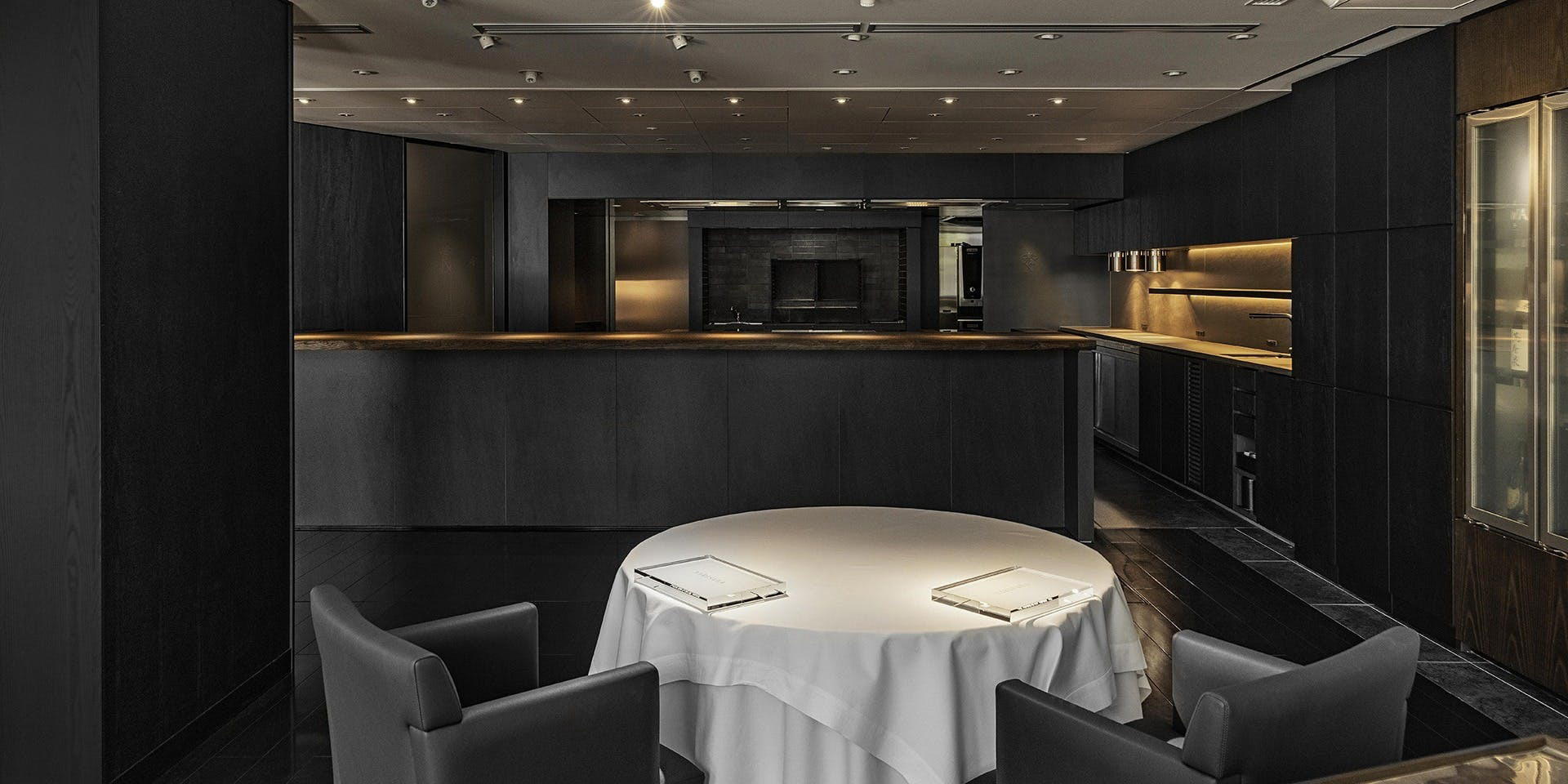
Warm and enveloping atmosphere in a hidden Shibuya location with an focus on kaiseki-style presentation.