
タワラ sits in Kanazawa's Katamachi district, one of the city's most concentrated blocks for evening dining. The venue occupies space in Royal Plaza Katamachi, placing it inside a neighbourhood that has tracked the broader evolution of Kanazawa's restaurant scene from traditional-only to a more layered mix of formats and cuisines. Booking details and current hours are best confirmed directly before visiting.
Pearl is the En Primeur Club membership app — saves, bookings, and concierge access live there. Same editors, same standards.
- Address
- Japan, 〒920-0981 Ishikawa, Kanazawa, Katamachi, 2 Chome−10−19 ロイヤルプラザ片町
- Phone
- +815031385570
- Website
- tawara-kanazawa.jp
- Directions
- Get directions
 Saves & bookings on Pearl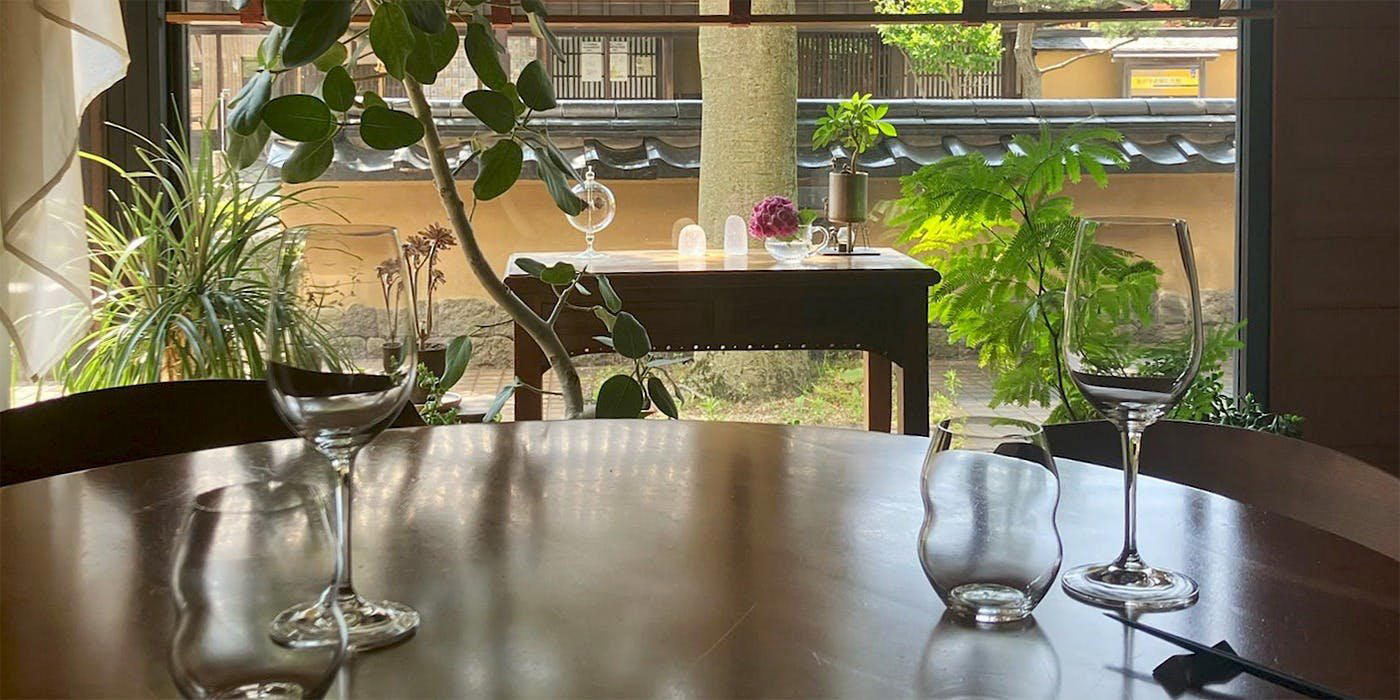
Katamachi After Dark: Reading a Neighbourhood Through Its Restaurants
Kanazawa's Katamachi district has long functioned as the city's most active evening corridor. The streets running south from the Sai River through the 2-chome blocks hold an unusually dense concentration of restaurants, bars, and late-night counters for a city of this size, and the mix has shifted considerably over the past two decades. Where kaiseki and kappo formats once dominated the area's prestige tier, the current Katamachi scene reflects a broader national pattern: specialist formats operating alongside more casual, format-flexible venues, with the traditional tier now anchored mostly in the older establishments that survived the thinning-out of the bubble-era dining boom. タワラ sits inside this neighbourhood at Royal Plaza Katamachi, a mid-rise building on 2-chome that itself represents the kind of urban commercial layering common to Japanese cities where dining occupies upper floors alongside offices and retail rather than street-front standalone premises.
How Kanazawa's Dining Scene Has Shifted
To understand what a venue in Katamachi represents now, it helps to trace what the neighbourhood has become. Kanazawa has been positioned by city tourism since the early 2010s as a culinary destination rooted in Kaga cuisine traditions: the cold-water seafood of the Sea of Japan coast, the region's distinct vegetable varieties, and a kaiseki lineage that rivals Kyoto in historical depth if not always in international name recognition. That positioning attracted national press attention, created a reliable domestic tourism flow, and put establishments like Dokkan and Amanatto Kawamura on itineraries alongside the traditional Kenroku-en circuit. The knock-on effect for Katamachi specifically was a diversification of format: as higher-end kaiseki demand concentrated in the Higashichaya and Kenroku-en-adjacent blocks, the Katamachi strip evolved toward a more pluralist offering, with room for French-influenced cooking at places like Budoonomori Les Tonnelles, casual yakitori counters near the Hamagurizaka slope, and the kind of neighbourhood regulars-first dining that rarely appears in travel coverage but constitutes the actual backbone of a dining district.
This is the competitive context in which タワラ operates. Katamachi at this point in its evolution rewards venues that have either deepened their specialisation or found a clear position in the casual-to-mid tier, because the premium end of the district has largely resolved itself around a smaller number of long-established names. Venues in buildings like Royal Plaza Katamachi tend to draw a mix of local office workers, evening shoppers from the Tatemachi arcade nearby, and the kind of repeat neighbourhood custom that doesn't generate review traffic but sustains businesses across years.
The Evolution Argument: Reinvention Across Japan's Regional Dining Cities
The pattern タワラ exists within is not Kanazawa-specific. Across Japan's secondary culinary cities, from Fukuoka to Nara, the past decade has seen a similar structural shift. Regional cities that once defined their dining identity almost entirely through local tradition have developed more layered ecosystems, with internationally trained chefs returning home, new format hybrids emerging, and the physical sites of dining changing from street-level traditional architecture to urban commercial buildings with mixed tenants. The upper tier of this evolution produces the kind of destination restaurants that draw national attention, such as HAJIME in Osaka or Gion Sasaki in Kyoto or akordu in Nara. The mid-tier of this evolution, less written about but arguably more representative of how cities actually eat, is where neighbourhood anchors like those in Katamachi's 2-chome operate.
In Kanazawa specifically, the tourist-facing narrative centres on a handful of marquee names and the city's Michelin history, but the dining week for most residents runs through exactly the kind of building-set, accessible venues that populate blocks like this one. The comparison matters because it frames what to expect from タワラ: not a destination in the tourism-brochure sense, but a participant in a neighbourhood dining ecology that has proven more durable than the higher-profile venues that cycle in and out of press coverage.
For context on the wider Japanese regional dining spectrum, the range runs from counter specialists like Harutaka in Tokyo at one end to the everyday formats that anchor local blocks at the other. Venues at both ends of that spectrum serve genuine functions; the editorial habit of covering only the former distorts how dining cities actually work. Kanazawa's Katamachi illustrates this well, with Go! Go! Curry and Hakuichi sitting within blocks of more formal options, all serving different moments in the same residents' eating week.
Planning a Visit
タワラ is located at 2 Chome-10-19 Katamachi, Kanazawa, Ishikawa, inside the Royal Plaza Katamachi building. The Katamachi area is walkable from central Kanazawa, roughly 15 minutes on foot from Kanazawa Station using the Korinbo or Tatemachi approach, and well-served by the Kanazawa Loop Bus which stops near the district. The venue's current hours, cuisine format, and reservation policy are not confirmed in available public records at the time of writing, so direct contact before visiting is advisable. The Katamachi block is most active from early evening through late night, with the surrounding streets offering backup options across most format categories if timing doesn't align. For broader planning across the city's dining options, the full Kanazawa restaurants guide covers the range from traditional kaiseki to casual neighbourhood formats across the main districts.
Readers planning longer regional itineraries can cross-reference dining in nearby prefectures: 三本木 石川製 in Nanao to the north, 湖畔荘 in Takashima to the south toward Shiga, and 老舗山乃 in Sapporo for Sea of Japan seafood in a northern context. For reference points outside Japan, the neighbourhood-anchor format タワラ represents has counterparts in cities where mid-tier dining sustains local culture more than destination restaurants: Le Bernardin in New York City and Atomix in New York City represent the other end of the formality spectrum, useful for calibrating expectations across the full range. Additional regional comparisons: 羽根屋 in Nishikawa Machi and Birdland in Sakai offer further texture on how Japan's regional dining scenes are evolving outside the major city circuits.
How タワラ Kanazawa compares with similar nearby venues.
| Venue | Price |
|---|---|
| tawaraThis venue — the venue you are viewing | JPY 15,000 - JPY 19,999 JPY 15,000 - JPY 19,999 |
Recognition history
Dated appearances from independent guides and award organizations, with the underlying list record or original source where available.
Tabelog 100 #14 · No. 14
Tabelog · Tabelog 100 - French - WEST - 2025
Continue exploring
More in Kanazawa
Restaurants in Kanazawa
Browse all →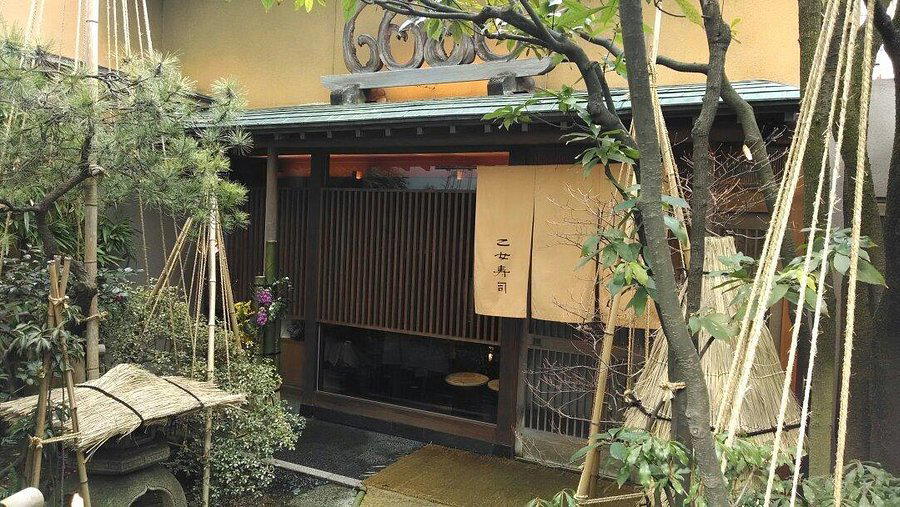
Bars in Kanazawa
Browse all →
Hotels in Kanazawa
Browse all →
Wineries in Kanazawa
Browse all →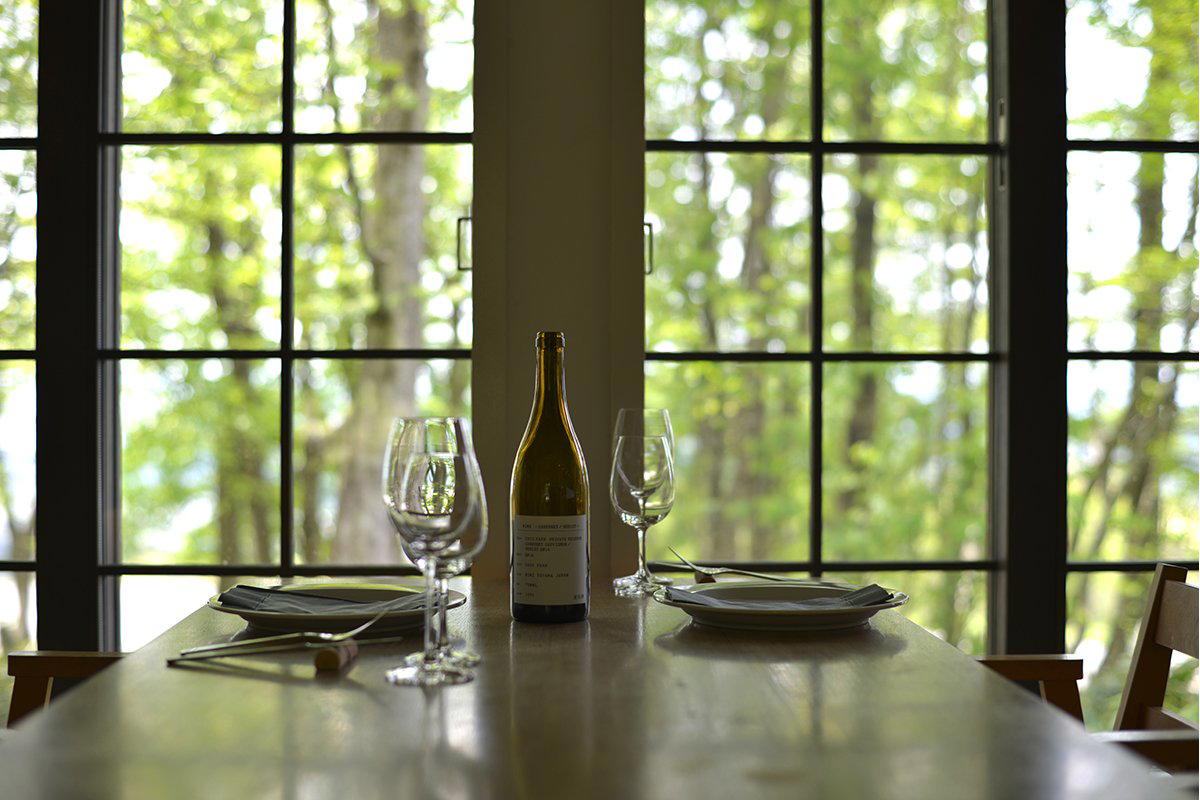
At a Glance
- Elegant
- Intimate
- Sophisticated
- Date Night
- Special Occasion
- Sake Program
- Local Sourcing
Current opening hours
- Monday
- 6–10:30 PM
- Tuesday
- 6–10:30 PM
- Wednesday
- 12–2:30 PM, 6–10:30 PM
- Thursday
- 6–10:30 PM
- Friday
- 6–10:30 PM
- Saturday
- 12–2:30 PM, 6–10:30 PM
- Sunday
- Closed
Hours can change for holidays and private events. Last verified .
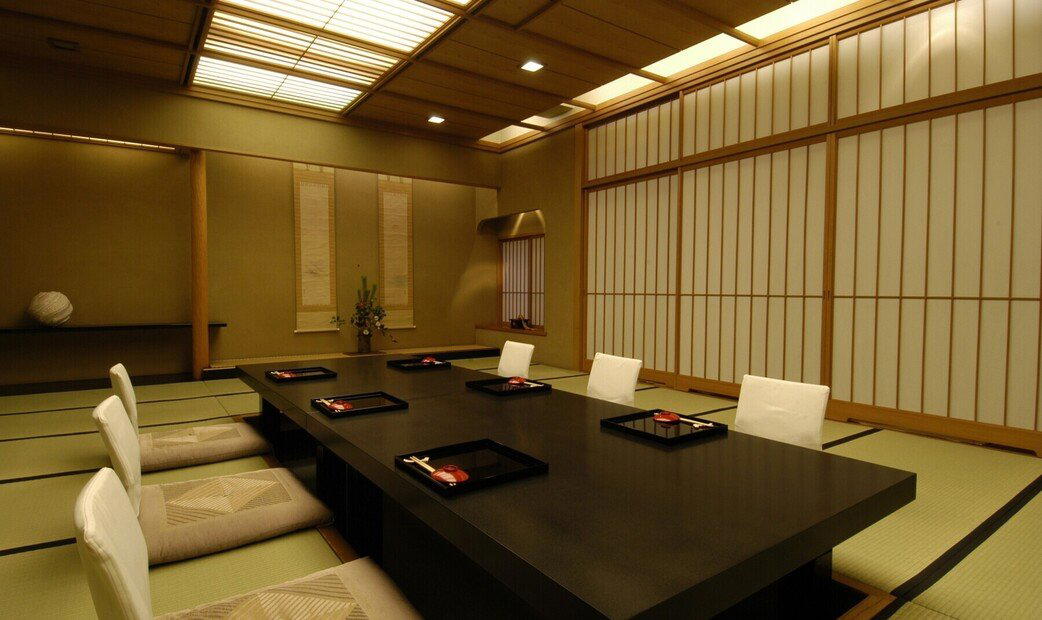
Tranquil adult atmosphere in a cozy, neatly arranged small space near samurai houses, with elegant plating and presentation.
Know Before You Go
- Getting there
- Japan, 〒920-0981 Ishikawa, Kanazawa, Katamachi, 2 Chome−10−19 ロイヤルプラザ片町