
Michelin Selected
A Michelin Selected ryokan in Kanazawa's Katamachi district, Korinkyo represents the quieter, more considered tier of Japanese inn hospitality — removed from the large-format resort circuit and positioned for guests who treat the dining programme as seriously as the room. Its address in Ishikawa Prefecture places it inside one of Japan's most compelling food regions.

Pearl is the En Primeur Club membership app — saves, bookings, and concierge access live there. Same editors, same standards.
- Address
- 1 Chome-1-31 Katamachi, Kanazawa, Ishikawa 920-0981, Japan
- Phone
- +81 76-209-7766
- Website
- korinkyo.com
- Directions
- Get directions
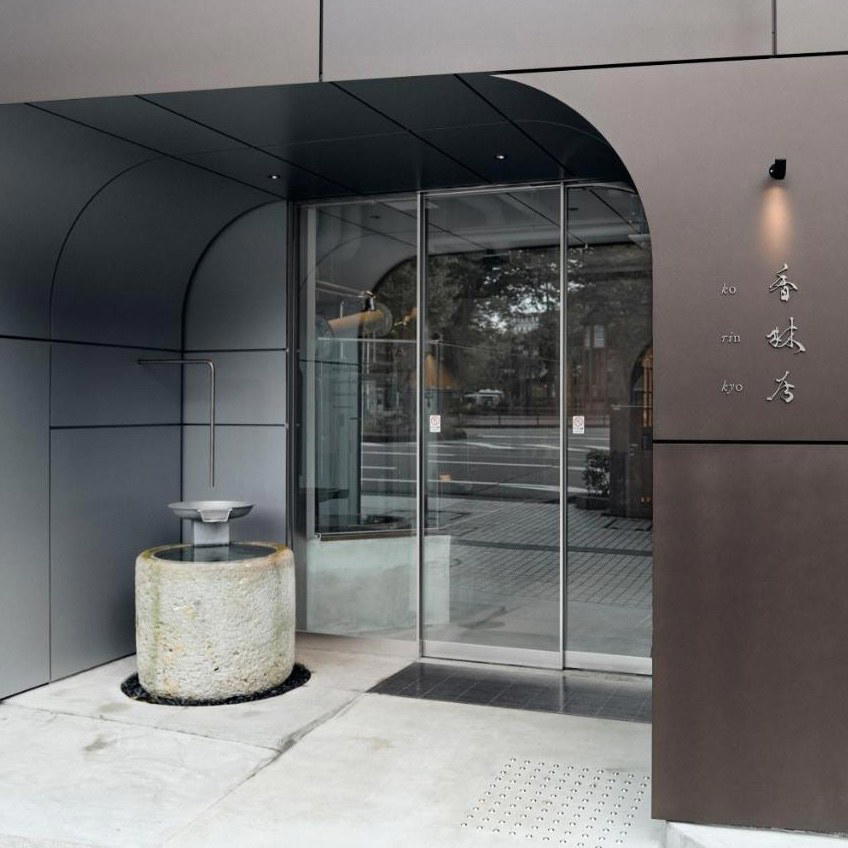
Katamachi and the Ryokan Tradition It Sustains
Kanazawa has long occupied an unusual position in Japanese travel: a city with Kyoto's cultural density but none of Kyoto's tourist saturation, at least not yet. Its Katamachi district, a walkable grid of narrow streets southwest of Kanazawa Castle Park, is where the city's evening economy concentrates — izakayas, sake bars, and the kind of discreet dining rooms that don't carry signage designed to catch a passing tourist. Korinkyo sits at 1-1-31 Katamachi, inside this neighbourhood grain, and its Michelin Selected designation for 2025 confirms it operates at the level where distinction is earned through consistency rather than scale.
The Michelin hotel programme applies selection criteria across atmosphere, service, and dining quality, placing the Selected tier above the general market while remaining distinct from the full star bracket. For Korinkyo, that recognition signals a specific kind of positioning: a property that competes on authenticity and programme depth rather than room count or amenity breadth. That framing matters in Ishikawa Prefecture, where the ryokan category has grown increasingly stratified between large onsen resort complexes and smaller, more deliberately curated inns.
Ishikawa's Food Culture and What It Demands of a Dining Programme
Any serious conversation about Korinkyo's dining identity has to begin with the region it occupies. Ishikawa Prefecture — and Kanazawa specifically, is one of the most food-literate prefectures in Japan, a claim the city has pressed for years with the phrase "West Japan's Kitchen" applied to its proximity to Sea of Japan seafood and its Kaga cuisine traditions. The prefecture draws from cold-water fish, mountain vegetables from the Noto Peninsula hinterland, and sake breweries that have operated continuously across generations. Kaga ryori, the local formal cuisine, is a kaiseki-adjacent tradition with its own regional ingredients and presentation conventions distinct from the Kyoto version that most international visitors know.
For any ryokan in this context, the dining programme carries more weight than in a city where food culture is thinner. Guests arrive in Kanazawa with ingredient awareness, they know that nodoguro (blackthroat seaperch), Kaga vegetables, and winter crab from the Sea of Japan define what serious eating here looks like. A property at Michelin Selected level is implicitly committing to source and present these ingredients at a standard consistent with that recognition. The ryokan that can anchor its dinner service in genuine regional cuisine, rather than a generic kaiseki template applicable anywhere in Japan, earns its premium position on those terms. Our full Ishikawa Prefecture restaurants guide maps the broader dining scene the prefecture offers visitors who want to extend that exploration beyond their inn.
Where Korinkyo Sits in the Regional Ryokan Tier
Japan's premium ryokan market has reorganised considerably over the past decade. The upper cohort now includes properties with strong international profiles, Gora Kadan in Hakone, Asaba in Izu, and Amanemu in Mie operate in a bracket where room rates, dining credentials, and onsen infrastructure combine into a full package that competes with the country's leading hotel offerings. Below that tier, a larger and more varied set of Michelin Selected properties occupies the space where regional integrity and personal-scale hospitality define the offer rather than designer architecture or international brand affiliation.
Korinkyo's Katamachi address places it within easy reach of Kanazawa's principal cultural sites, the Kenroku-en garden, the Higashi Chaya geisha district, and the Omicho market, which means a stay here functions as a genuine base for city exploration rather than a retreat-only proposition. That accessibility is a structural advantage over the more isolated ryokan formats, where the property becomes the near-entire experience by necessity. Properties like Zaborin in Kutchan or Nasu Mukunone in Nasu make a case for deep immersion in natural settings; Korinkyo makes a different case, as a ryokan experience embedded in one of Japan's most food-serious cities.
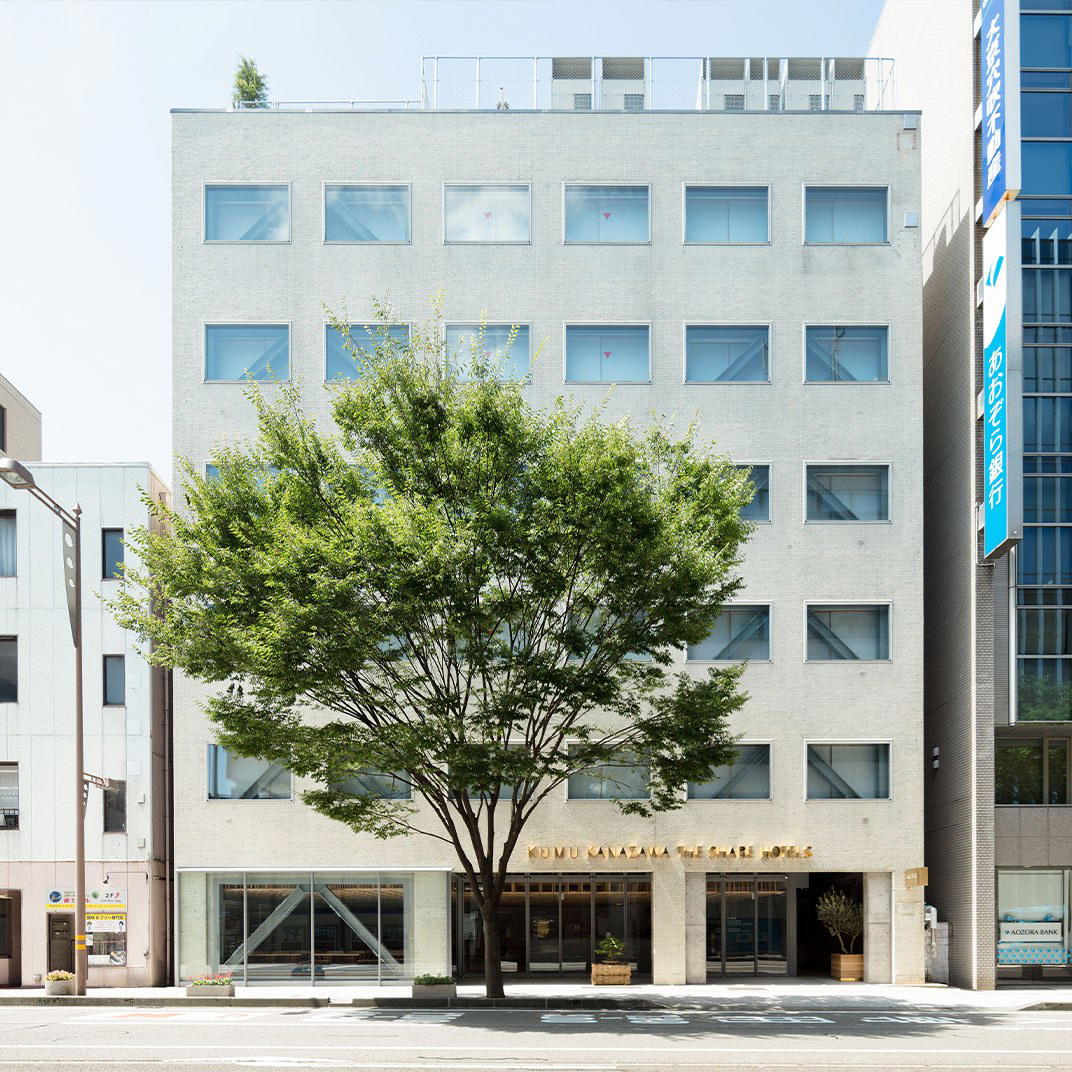
For guests interested in a design-led alternative within the same city, KUMU Kanazawa by THE SHARE HOTELS represents a contrasting approach, contemporary and community-facing rather than traditional inn hospitality. Both sit inside the same neighbourhood context, but they address meaningfully different guest priorities.
Planning a Stay: Practical Considerations
Kanazawa is accessible from Tokyo via the Hokuriku Shinkansen, a journey of approximately two and a half hours that became notably faster after the line extension completed in 2024. That infrastructure change has brought Kanazawa into sharper focus for short-break travel from Tokyo, increasing demand for the city's better accommodation in spring and autumn particularly, when Kenroku-en draws visitors for cherry blossom and autumn foliage seasons. Guests targeting those windows would be advised to book well in advance.
Korinkyo's Katamachi location keeps guests within walking distance of the central city, though winter in Kanazawa brings significant snowfall, and the city's grid of traditional stone-paved lanes can require more careful planning in December through February. The winter months do, however, coincide with the peak season for Sea of Japan crab, zuwaigani (snow crab) and PHP-tagged Kaga crab available from November through March, which gives a winter stay its own strong dining rationale.
Room category and dining inclusions are best confirmed at the time of reservation, as ryokan packages in Japan typically vary between room-only, half-board, and full-board formats with meaningfully different pricing implications.
Broader Context: Japan's Michelin Selected Hotel Category
The Michelin Selected hotel designation, introduced formally to the Japan guide in recent years, has given travellers a structured way to identify properties that meet a documented quality threshold without necessarily carrying the full amenity profile of a five-star resort. In practice, this means the Selected tier in Japan captures a significant portion of the country's culturally rich but architecturally modest ryokan stock, properties where the value is in the cuisine, the tatami room quality, and the onsen or garden rather than a lobby designed to signal luxury through scale.
This is the tier where Japan's most interesting overnight experiences often live, particularly outside Tokyo and Kyoto. Properties like Nishimuraya Honkan in Kinosaki-cho, Satoyama-Jujo in Niigata, and Fufu Nikko in Nikko operate in the same general register: smaller, regionally rooted, with dining programmes tied to local ingredient traditions. Korinkyo belongs to this cohort in Kanazawa, a city where the food culture is strong enough to validate that approach fully.
For those building a wider Japan itinerary around the country's leading hospitality, HOTEL THE MITSUI KYOTO and Bvlgari Hotel Tokyo represent the large-format luxury end of the spectrum, while properties like Benesse House in Naoshima, Fufu Kawaguchiko, and Sekitei in Hatsukaichi-shi occupy the same considered, smaller-scale register as Korinkyo, each anchored to a specific regional food and landscape identity.
Price Lens
Comparable venues nearby, for context on price, style, and recognition.
| Venue | Price | Awards | Notes |
|---|---|---|---|
| KorinkyoThis venue — the venue you are viewing | $100–200 | Michelin Selected | Not listed |
| KUMU Kanazawa by THE SHARE HOTELS | $100–200 | Michelin Selected | Kamitsutsumicho, Design-led boutique hotel in renovated former office building emphasizing communal harmony and local connectivity. |
| Gosoku no Kutsu | $200–300 | Michelin Selected | Asakusa-machi, Traditional Japanese ryokan with detached villas |
| seven x seven Ishigaki | Not listed | Michelin Selected | Maezato, Self-hospitality luxury resort with low-touch service and high-end comforts. |
| Hotel Granvia Osaka (ホテルグランヴィア大阪) | $100–200 | Not listed | Umeda, Contemporary urban tower hotel with direct train station access |
| KAI Yufuin (界 由布院) | Not listed | 4-Star | Yufuin Onsen, Contemporary ryokan blending traditional Japanese farmhouse architecture with modern design |
Recognition history
Dated appearances from independent guides and award organizations, with the underlying list record or original source where available.
Michelin Selected
Michelin
Continue exploring
More in Ishikawa
Hotels in Ishikawa
Browse all →
Bars in Ishikawa
Browse all →
Restaurants in Ishikawa
Browse all →
Wineries in Ishikawa
Browse all →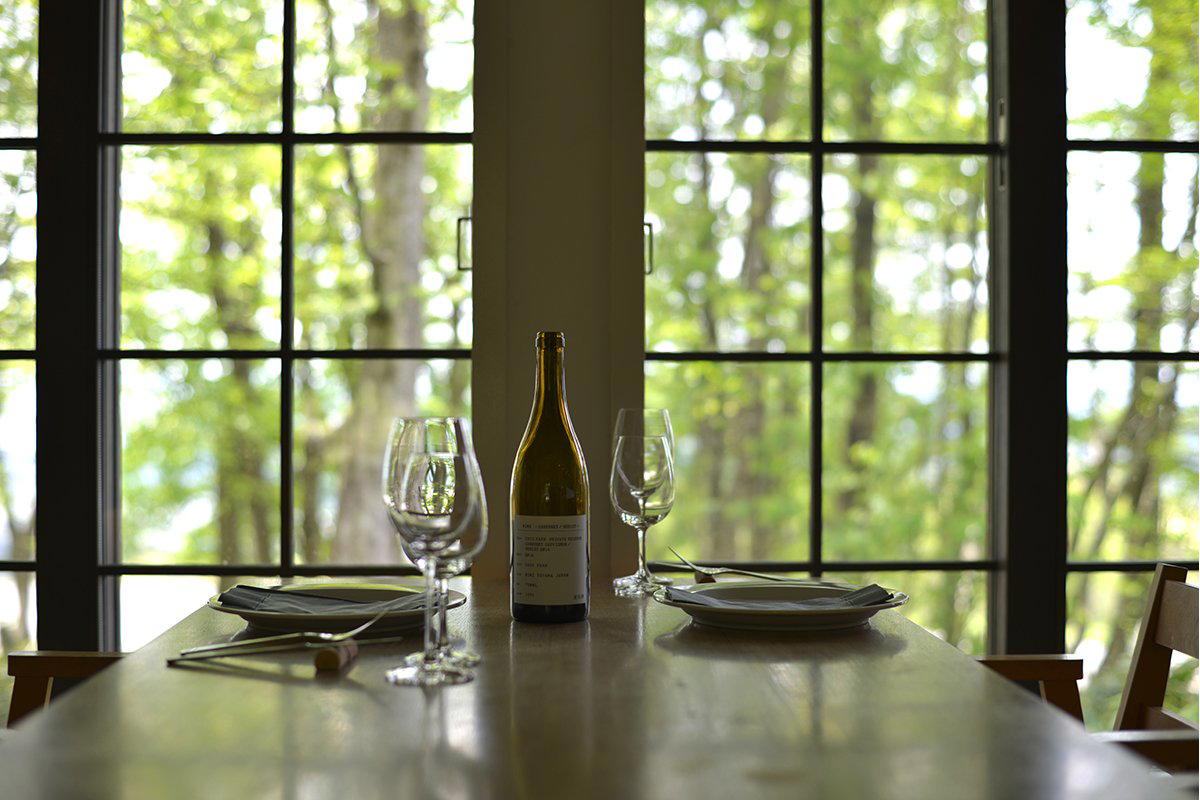
Details
- Minimalist
- Elegant
- Quiet
- Modern
- Intimate
- Romantic Getaway
- Weekend Escape
- Historic Building
- Panoramic View
- Wi Fi
- Spa
- Air Conditioning
- Restaurant
- Sauna
- Garden
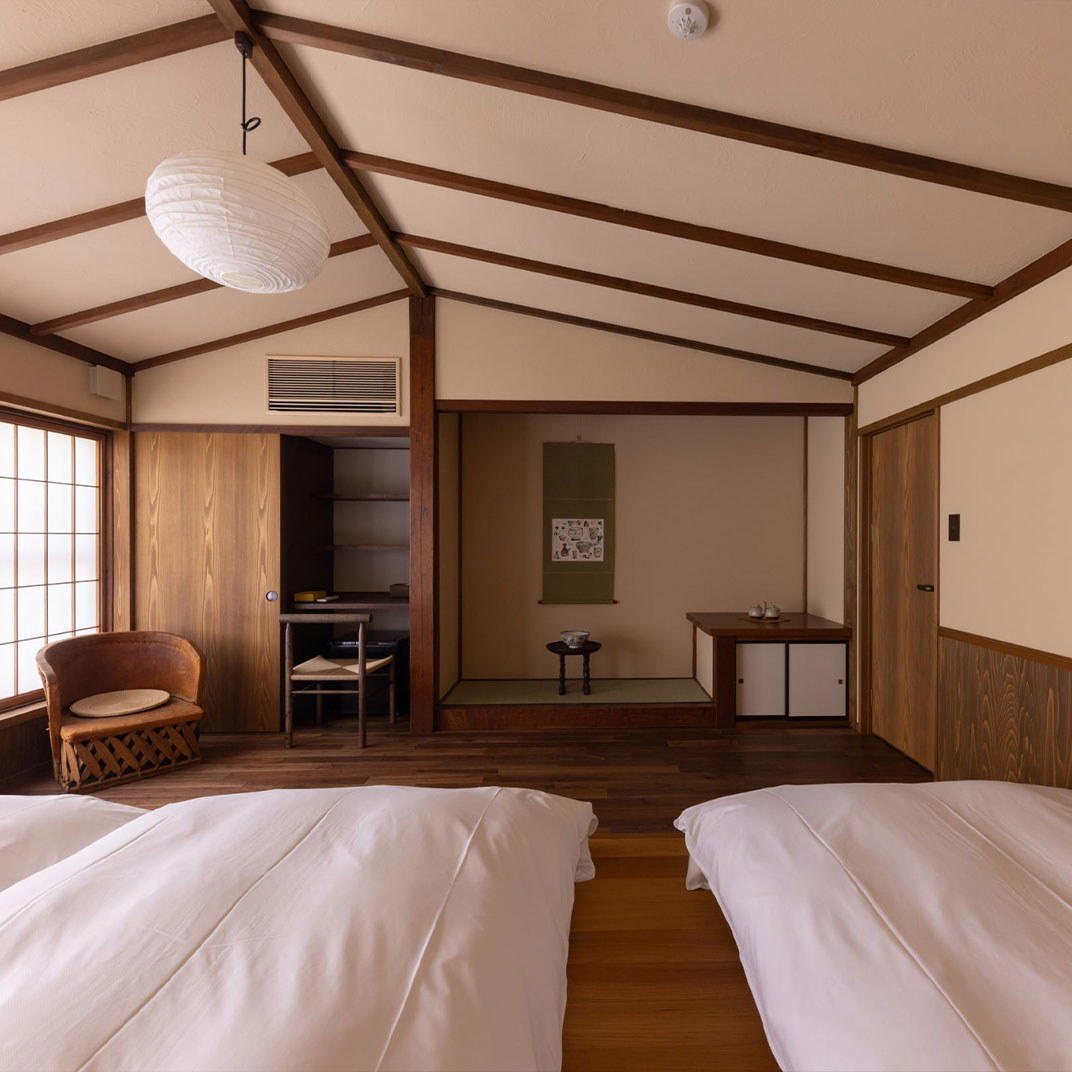
Minimalist interiors with high arched windows allowing natural light, calming atmosphere, industrial-chic concrete elements, and serene spaces for relaxation.