Our verdict
ラ ネネグース serves Traditional French in Machiya at 1-16 Sennichimachi, Kanazawa, with waterfront and street scene views that suit a leisurely dinner or lunch in smart casual surroundings.

Pearl is the En Primeur Club membership app — saves, bookings, and concierge access live there. Same editors, same standards.
- Address
- 1-16 Sennichimachi, Kanazawa, Ishikawa 921-8023, Japan
- Phone
- +81762436651
- Hours
- Mon ClosedTue–Thu 5:30–10 PMFri 11:30 AM–2 PM, 5:30–10 PMSat 11:30 AM–2:30 PM, 5:30–10 PMSun 11:30 AM–2 PM
- Website
- autoreserve.com
- Directions
- Get directions
- Booking
- Book on the venue's website
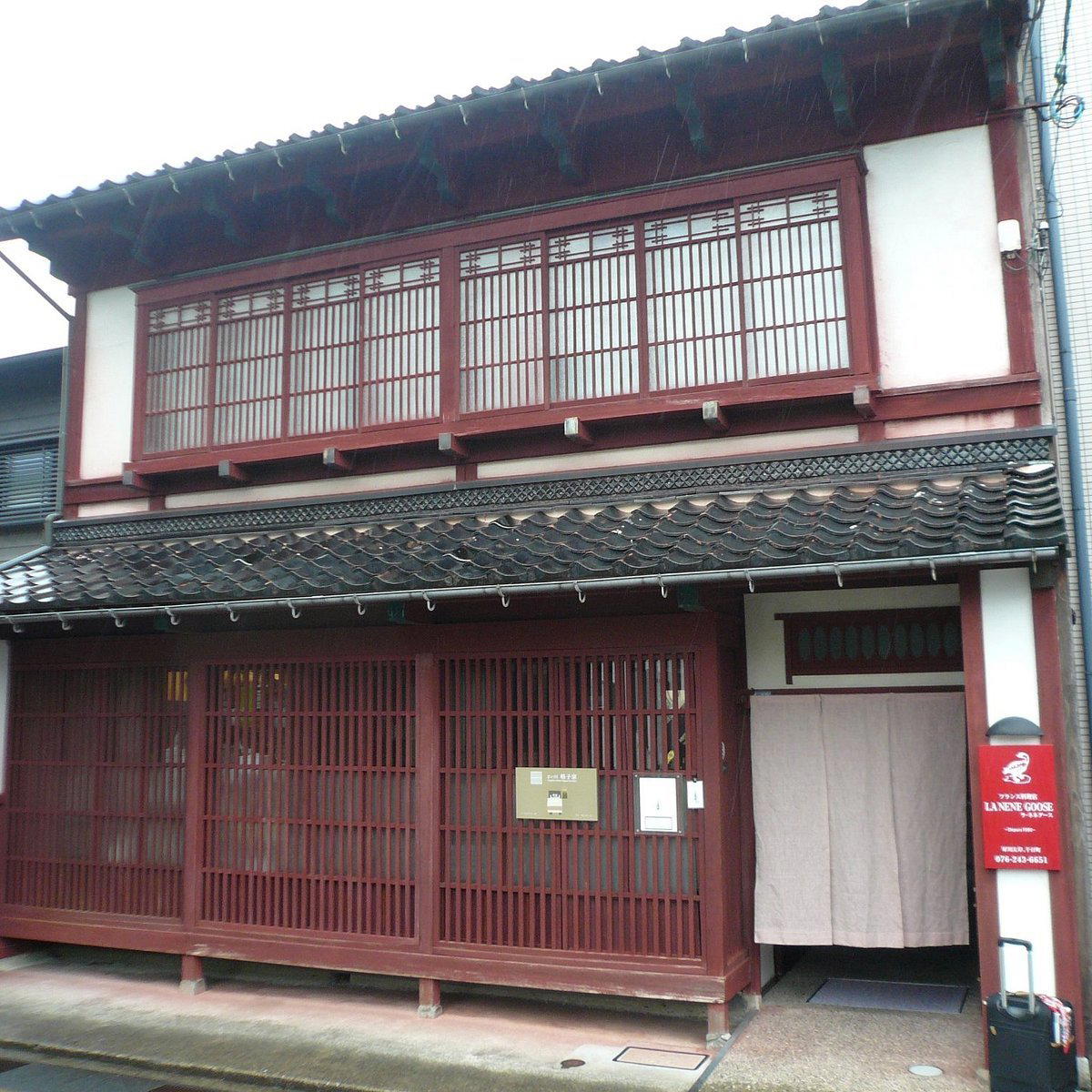
Sennichimachi After Dark: Reading a Kanazawa Side Street
There is a specific quality of quiet that belongs to Kanazawa's smaller residential streets once the Higashi Chaya district empties of tourists in the evening. Sennichimachi carries that quality. The address — 1-16 Sennichimachi — places ラ ネネグース on a block where the city's older grain reasserts itself: low rooflines, wooden facades, the faint percussion of rain on tile if the season is right. Arriving here means stepping away from the curated heritage corridors and into the part of Kanazawa that functions on its own rhythms, independent of itineraries.
Kanazawa has long sustained a dining culture that sits between Kyoto's ceremonial precision and the more casual registers of Osaka. The city's access to Noto Peninsula seafood, Kaga vegetables, and a deep craft tradition in sake and local fermentation has historically supported a range of formats: kaiseki rooms that impose a full seasonal grammar, yakitori counters that operate on proximity and repetition, and a quieter tier of neighbourhood restaurants that draw on the same ingredient base without the formal architecture. ラ ネネグース occupies terrain in that middle register, where the city's culinary richness becomes available without the reservation pressure or price architecture of its more decorated peers.
The Sensory Register of a Kanazawa Neighbourhood Venue
In cities where premium dining consolidates around recognised formats, the sensory experience of a lesser-documented venue is often where the city's actual character surfaces. Kanazawa's kaiseki tradition, visible at destinations like Dokkan and in the rarefied room conditions of Budoonomori Les Tonnelles, operates through restraint and silence as deliberate elements of the meal. A Sennichimachi side street at evening has its own version of that restraint: ambient sound is reduced to what the neighbourhood produces itself, which in practice means very little. Light levels on the approach tend toward the minimal. The effect, common across Kanazawa's non-commercial blocks, is that the interior of any establishment you enter reads as genuinely warm by contrast.
This atmospheric contrast between street and interior is not unique to ラ ネネグース, it is a structural feature of how Kanazawa's smaller dining rooms work. The city has historically been resistant to the kind of commercial signage that makes restaurant-finding easy in Tokyo or Osaka. A venue on a street like Sennichimachi earns its clientele through word of mouth and repeat custom rather than visibility, which shapes the interior dynamic: the room tends to feel occupied by people who chose to be there specifically, rather than people who wandered in. That distinction is audible as well as visible. Conversation in these rooms carries differently than in venues designed for turnover.
Kanazawa's Dining Tiers: Where ラ ネネグース Fits
Placing ラ ネネグース against the full range of Kanazawa's dining options requires acknowledging how stratified the city's scene has become. At the formally recognised end, venues drawing on kaiseki lineage and local ingredient sourcing have established Kanazawa as a credible alternative to Kyoto for Japan's premium regional dining circuit. Gion Sasaki in Kyoto and HAJIME in Osaka represent the tier at which Japan's regional fine dining competes internationally, and Kanazawa has its own contributors to that conversation. At the other end, accessible and high-volume formats like Go! Go! Curry serve the city's everyday appetite and its tourist throughput. Between these poles sits the tier that sustains neighbourhood life: smaller rooms, no awards infrastructure, dependent on the loyalty of local customers who return because the food is consistent and the atmosphere holds.
ラ ネネグース, based on its Sennichimachi address, operates in that middle tier. Comparable neighbourhood-anchored venues across Japan's secondary cities, such as a counterpart in Nanao on the Noto Peninsula, or venues in Takashima, share the characteristic of drawing ingredient quality from strong regional supply chains while operating outside the documentation that formal award circuits require. The Noto Peninsula's seafood, available in Kanazawa within hours of landing, is the kind of raw material that makes neighbourhood cooking here more interesting than comparable formats in cities without equivalent regional sourcing.
Planning the Visit
Visitors to Kanazawa arriving via the Hokuriku Shinkansen from Tokyo (roughly two and a half hours) typically base themselves near Kanazawa Station or in the Katamachi area. Sennichimachi sits within the wider central district, accessible on foot from most of the city's accommodation concentration. The address, 1-16 Sennichimachi, is precise enough to locate on standard mapping applications, though as with many Kanazawa side-street venues, physical signage may require close attention. For broader orientation across the city's dining options, our full Kanazawa restaurants guide covers the range from kaiseki to neighbourhood formats. Given the absence of published booking infrastructure for ラ ネネグース, it is worth approaching the venue directly or arriving at the opening of service to assess availability. In Kanazawa's neighbourhood dining tier, walk-in culture persists more than in the city's formal rooms, though this varies by day of week and season.
Kanazawa rewards visitors who plan around the city's food calendar. The Kaga vegetable season and the crab months (roughly November through March, when snow crab is at peak availability in the Sea of Japan) bring the city's ingredient quality to its highest expression. Those timing windows apply across the full range of Kanazawa dining, from the kaiseki rooms that build entire seasonal menus around crab to neighbourhood venues that incorporate the same ingredients at different price points. For comparison across Japan's broader regional dining circuit, Harutaka in Tokyo, Goh in Fukuoka, and akordu in Nara each represent how regional ingredient strength translates into different dining formats across Japan.
For Kanazawa-specific context on what the city's confectionery and craft culture adds to a broader visit, Amanatto Kawamura and Hakuichi represent the artisanal thread that runs alongside the city's dining scene. Internationally, the neighbourhood-venue format that ラ ネネグース represents has parallels in how cities like New York sustain serious cooking outside award-circuit venues: Atomix and Le Bernardin anchor the documented end of that city's dining, while a parallel ecosystem of neighbourhood rooms sustains the culture beneath them.
Frequently asked questions
Does ラ ネネグース work for a family meal?
Is ラ ネネグース better for a quiet night or a lively one?
at ラ ネネグース?
Is ラ ネネグース reservation-only?
How does ラ ネネグース fit into Kanazawa's French or European dining scene?
A Tight Comparison
Comparable venues nearby, for context on price, style, and recognition.
| Venue | Cuisine | Price | Awards | Notes |
|---|---|---|---|---|
| ラ ネネグースThis venue — the venue you are viewing | Classic French | $50–100 | Not listed | Not listed |
| ビストロ高柳 | French Bistro | $50–100 | Not listed | Kanazawa, French Bistro |
| レ・サヴール | Contemporary French | $50–100 | Not listed | Kanazawa, Contemporary French |
| インスタレーションテーブル エンソ ラシンメトリー ドゥ カルム | Modern French with Japanese influences | $200–300 | Tabelog Bronze #136 | Kanazawa, Modern French with Hokuriku Influences |
| レストラン エクティル | Contemporary French with Local Kanazawa Ingredients | $200–300 | Not listed | Kanazawa, Contemporary French with Local Kanazawa Ingredients |
| tawara | Kanazawa, Seasonal French | Not listed | Not listed | Not listed |
Continue exploring
More in Kanazawa
Restaurants in Kanazawa
Browse all →
Bars in Kanazawa
Browse all →
Hotels in Kanazawa
Browse all →
Wineries in Kanazawa
Browse all →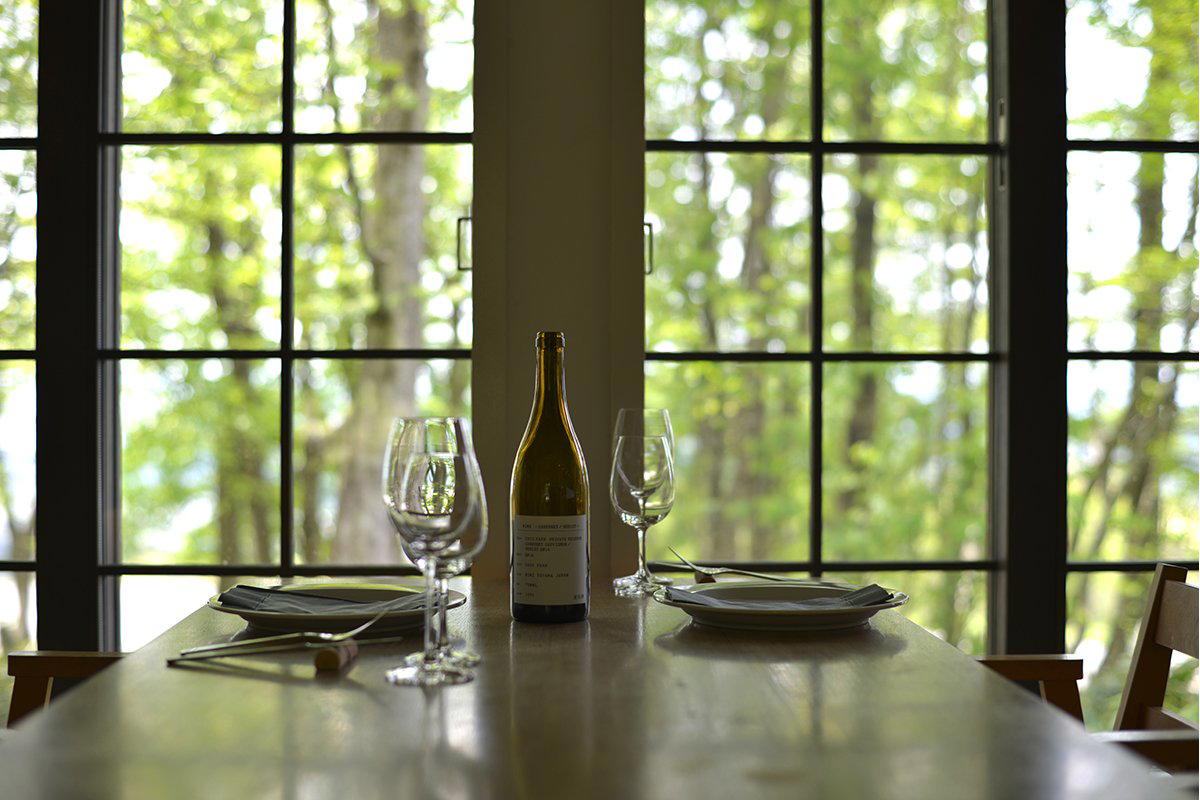
Details
- Elegant
- Sophisticated
- Classic
- Cozy
- Intimate
- Date Night
- Special Occasion
- Business Dinner
- Standalone
- Local Sourcing
- Waterfront
- Street Scene
- Set Menu
- Prix Fixe
Current opening hours
- Monday
- Closed
- Tuesday
- 5:30–10 PM
- Wednesday
- 5:30–10 PM
- Thursday
- 5:30–10 PM
- Friday
- 11:30 AM–2 PM, 5:30–10 PM
- Saturday
- 11:30 AM–2:30 PM, 5:30–10 PM
- Sunday
- 11:30 AM–2 PM
Hours can change for holidays and private events. Last verified .
Calm, refined, and relaxed, with a polished atmosphere suited to special occasions.