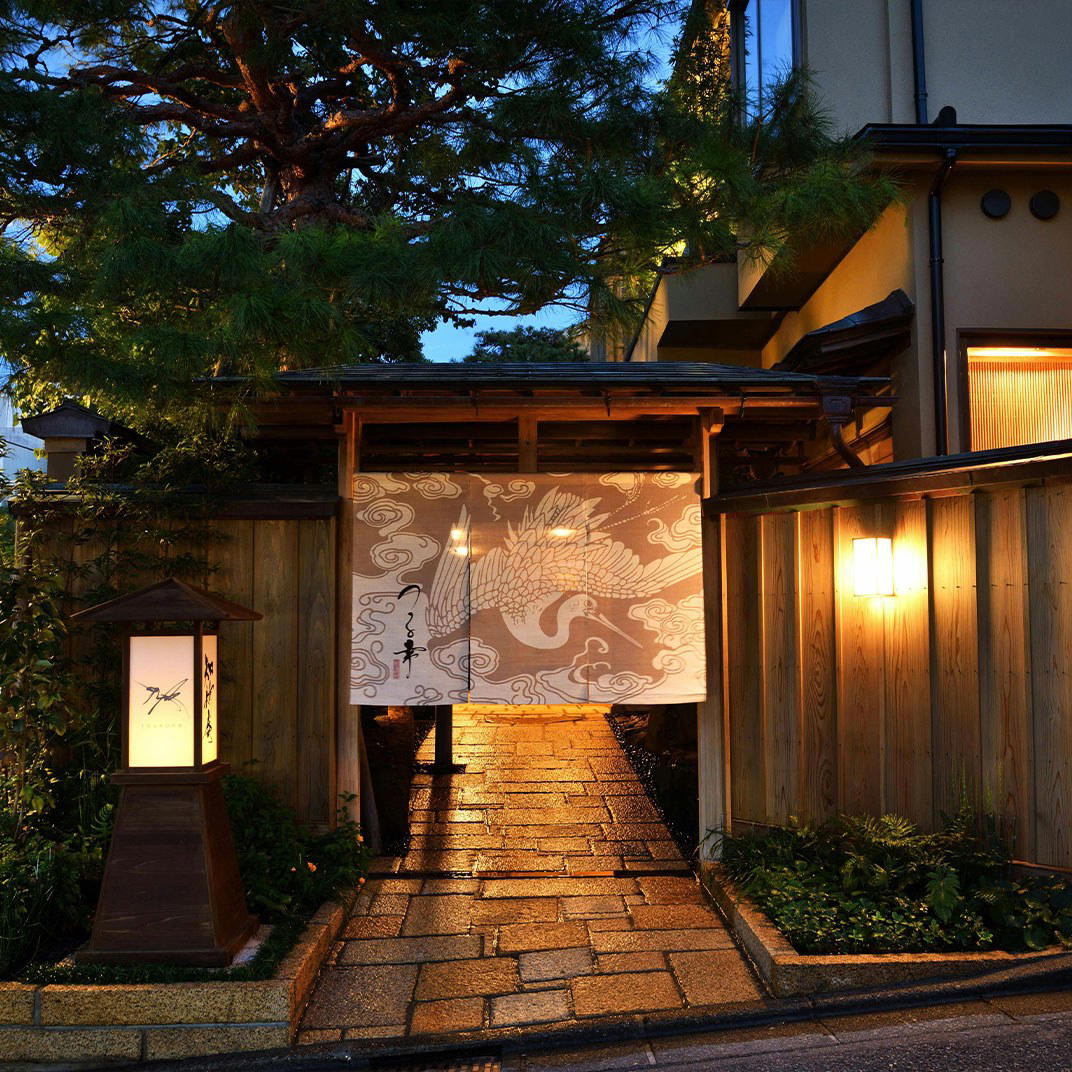
木佐貫 sits within Kanazawa's postcode 920-0834, a city where kaiseki tradition and hyperlocal sourcing have long defined the dining register. With minimal public-facing detail, the restaurant operates in the quieter tier of Kanazawa's dining circuit, the kind of address that circulates through local knowledge rather than algorithm. Visitors should verify current hours and booking arrangements directly before planning a visit.

Pearl is the En Primeur Club membership app — saves, bookings, and concierge access live there. Same editors, same standards.
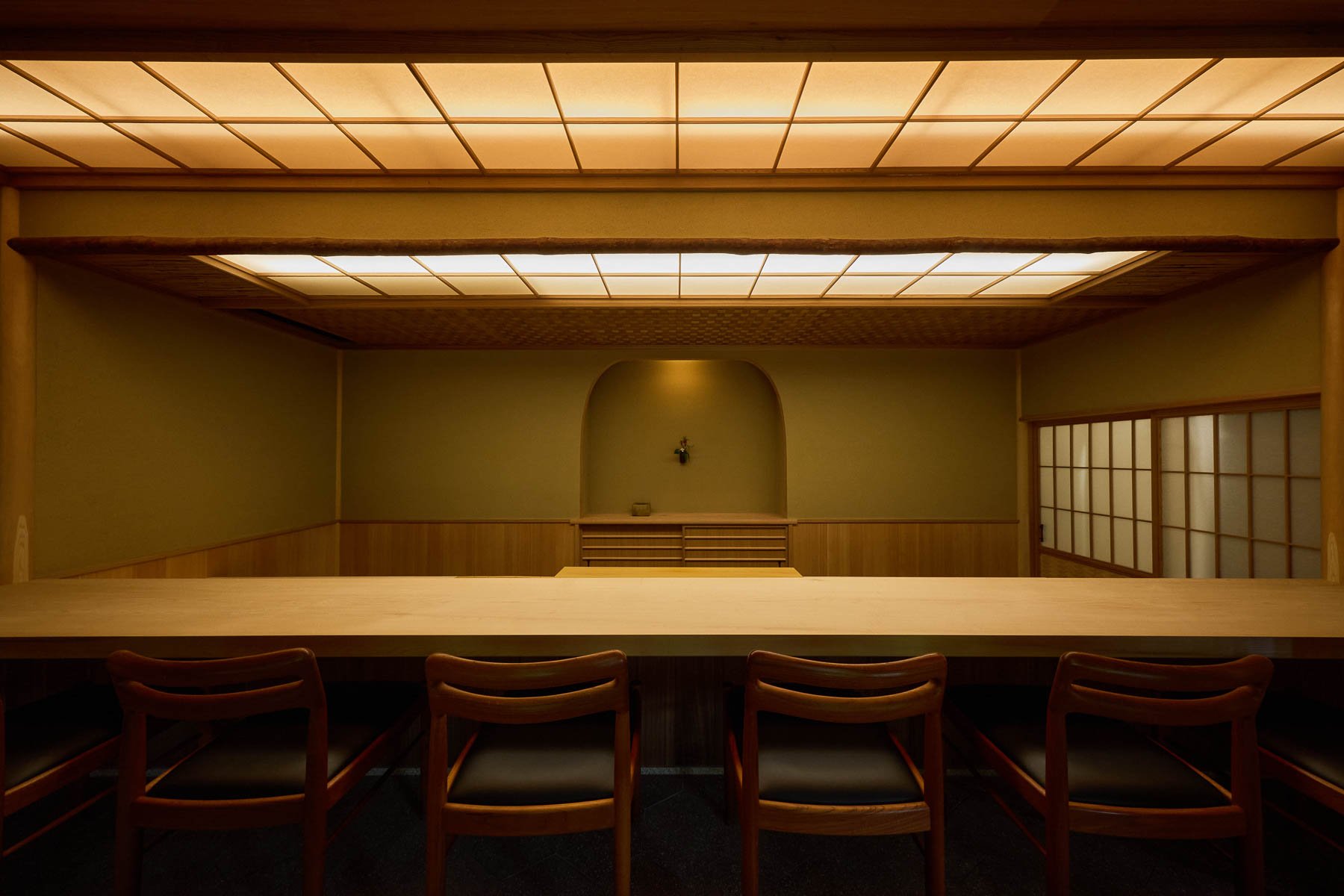
Kanazawa's Quiet Sourcing Ethic
Kanazawa has built one of Japan's more coherent regional food identities not through volume or spectacle but through proximity. The city sits at the edge of the Sea of Japan, backed by the Noto Peninsula's agricultural interior, which means that the supply chain connecting kitchen to source is shorter here than in almost any comparable Japanese city of its size. That geography has shaped a dining culture where the provenance question, what coast, which farm, which season, is embedded in how restaurants communicate with guests rather than treated as a marketing footnote. In that context, 木佐貫 operates within a city that has effectively made sustainability infrastructure rather than ideology.
This matters because Kanazawa's culinary reputation rests on kaiseki and its derivatives: multi-course formats built around seasonal progression, where waste is structurally minimised by design. The kaiseki discipline requires using ingredients at their precise moment of peak quality, which in practice means small quantities, deliberate selection, and near-zero tolerance for off-season substitution. That discipline sits close to what contemporary food culture now labels sustainable practice, though in Kanazawa the logic predates the terminology by several centuries. Venues like Dokkan and Amanatto Kawamura operate within this same inherited framework, where seasonal constraint is the point, not a limitation to work around.
The Address and What It Implies
木佐貫 is located within the 920-0834 postcode of Kanazawa city, Ishikawa Prefecture. That postcode covers a portion of central Kanazawa close enough to the old merchant and samurai districts to place the restaurant within the city's culturally densest quarter. Kanazawa's layout, with the Higashi Chaya geisha district to the northeast and the Kenroku-en garden anchoring the central zone, means that addresses within this band tend to attract diners who are already moving through the city with some depth of intention rather than as first-time visitors filling an afternoon. The practical implication: this is not a restaurant you land on by walking past it.
That opacity is not unusual for smaller Japanese restaurants, where word-of-mouth and repeat clientele often substitute for digital booking infrastructure.
Ethical Sourcing as Regional Default
What makes Kanazawa's approach to sourcing structurally interesting is the Noto Peninsula connection. Noto's coastline produces some of Japan's more carefully managed seafood, including the region's celebrated kaga yasai vegetables, a group of traditional Kaga cultivars that predate modern agricultural intensification and are grown in limited quantities by a small number of specialist producers. These are not heritage varieties preserved for novelty; they are the functional base of Kaga cuisine, grown because Kanazawa kitchens have maintained consistent demand for them. The result is a supply chain where the incentive structure runs in the right direction: restaurants pay premium prices for genuinely seasonal, low-yield produce, which makes it economically viable for farmers to keep growing it.
Restaurants working within this system, whether a kaiseki house or a smaller neighbourhood address like 木佐貫, benefit from infrastructure that larger cities cannot easily replicate. Tokyo's leading kaiseki programs, including celebrated addresses like Harutaka, must build bespoke sourcing relationships from scratch, often across significant distance. In Kanazawa, those relationships are part of the civic food culture. A restaurant operating here is starting from a baseline that a comparable venue in Kyoto, Osaka, or even Fukuoka would need to engineer deliberately.
Kanazawa in the Wider Regional Picture
The city's food scene has historically operated slightly outside Japan's main gastronomy press circuit, which is centred on Tokyo, Kyoto, and Osaka. That positioning has meant that Kanazawa's dining culture developed with less pressure to perform for outside audiences and more consistency in serving its own community. Smaller ryotei and neighbourhood restaurants here often run on reservation-only formats with limited seats, not because of manufactured scarcity but because the economics of using genuine seasonal product and minimal-waste preparation don't support high covers. This model appears across the region: the 三本木 in Nanao and 湖畔荘 in Takashima both reflect the same Ishikawa-region pattern of quiet, capacity-constrained restaurants rooted in local sourcing.
Comparison with venues further afield is instructive. Formats like Atomix in New York City or Le Bernardin have built deliberate sustainability programs as conscious institutional commitments, documented and communicated with some formality. In Kanazawa, the equivalent commitment tends to be embedded in practice rather than policy, which makes it harder to profile but more durable. The Budoonomori Les Tonnelles approach, applying European format discipline to Kanazawa's product base, represents one end of the range. 木佐貫, with its quieter public profile, sits closer to the traditional end of that spectrum.
Visitors building a focused food itinerary might cross-reference 木佐貫 alongside confirmed addresses such as Hakuichi and explore the city's broader range, including the casual end represented by Go! Go! Curry, to build a complete picture of how Kanazawa's food culture spans its registers. For yakitori within the regional frame, Hamagurizaka Maekawa offers a point of comparison. Venues like 大地の恵み in Sapporo, 羽根屋 in Nishikawa Machi, and Birdland in Sakai or akordu in Nara can frame what regional Japanese dining looks like when it operates at genuine depth outside the major cities.
This kind of friction is characteristic of smaller Japanese establishments and is not a signal of inaccessibility so much as an indication that the restaurant operates on its own terms.
Price and Recognition
Comparable venues nearby, for context on price, style, and recognition.
| Venue | Cuisine | Price |
|---|---|---|
| 木佐貫This venue — the venue you are viewing | Tokiwamachi, Kanazawa Kaiseki Omakase | $$$$ |
| Kaiseki Tsuruko (つる幸) | Takaoka-machi, Traditional Kaga Kaiseki | $$$$ |
| Sushi Dokoro Mekumi | Nonoichi, Traditional Japanese Omakase | $$$$ |
| é å± å½ä¸é | Kanazawa, Traditional Kaga Kaiseki | $$$$ |
| å¤©éº©ç¾ å°éåº å¤©é | Kanazawa, Traditional Kaga Kaiseki | $$$ |
| さかい | Kiguramachi, Kaiseki Japanese Cuisine | $$$$ |
Continue exploring
More in Kanazawa
Restaurants in Kanazawa
Browse all →
At a Glance
- Intimate
- Elegant
- Sophisticated
- Special Occasion
- Chefs Counter
- Sake Program
- Local Sourcing
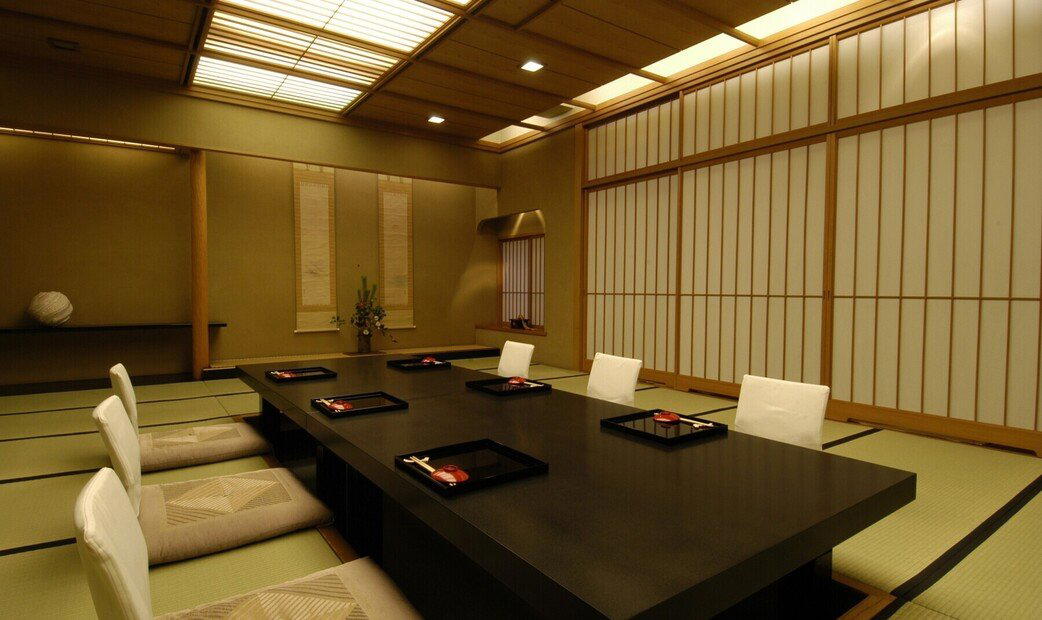
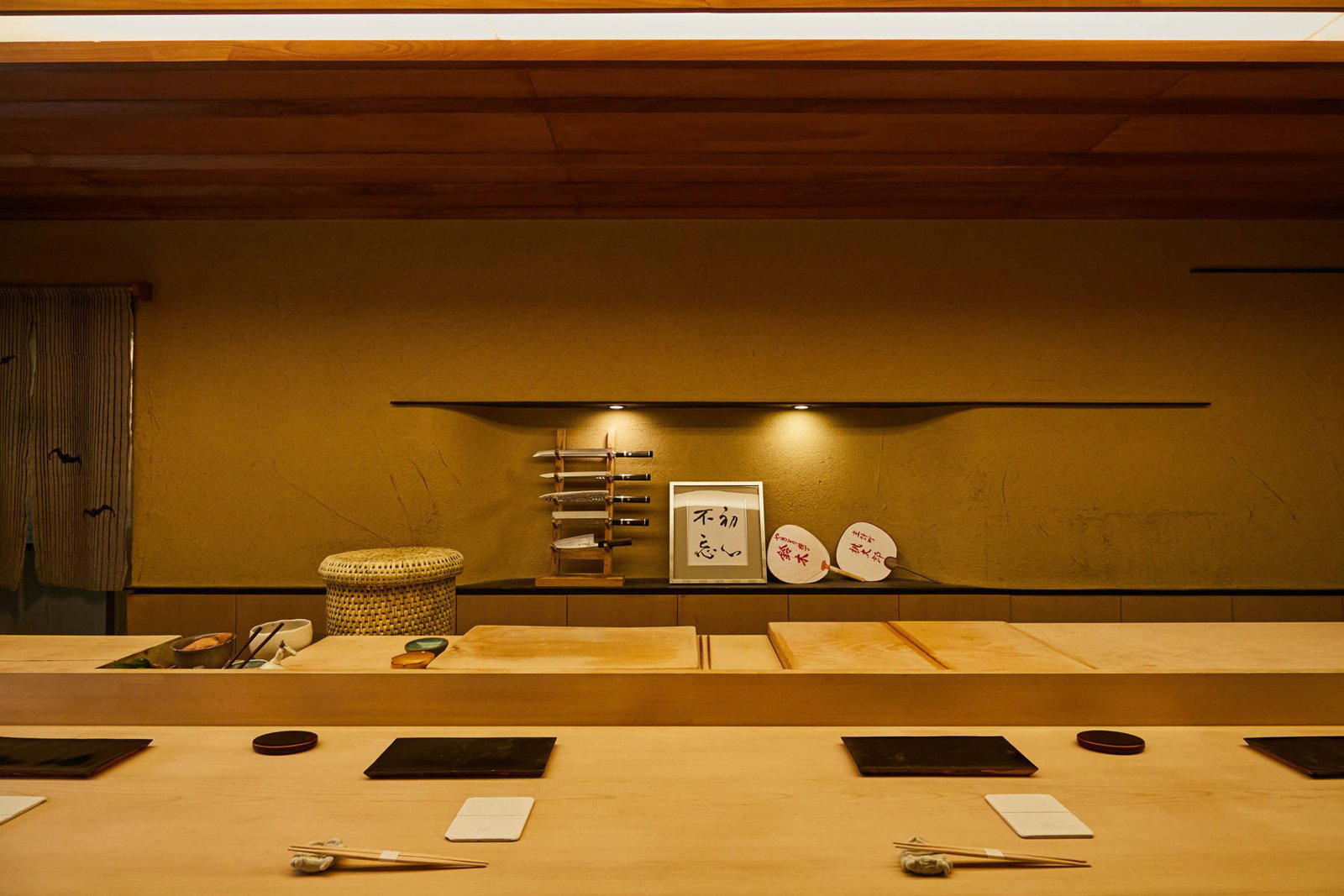
Serene and intimate atmosphere along the river with excellent staff coordination, fostering a refined dining experience.