Our verdict
レストラン エクティル sits in Kanazawa's Kitayasue district, a neighborhood where the city's appetite for quiet, precise dining finds its most considered expression.

Pearl is the En Primeur Club membership app — saves, bookings, and concierge access live there. Same editors, same standards.
- Address
- 2 Chome-7-31 Kitayasue, Kanazawa, Ishikawa 920-0022, Japan
- Phone
- +81762345665
- Hours
- Daily 12–10:30 PM
- Website
- norio-k.jp
- Directions
- Get directions
- Booking
- Book on TableCheck
Kitayasue and the Architecture of Restraint
Kanazawa's residential fringes have a particular quality that its more-trafficked central districts do not. Along the streets around Kitayasue, where レストラン エクティル holds its address at 2 Chome-7-31, the built environment is low and unhurried. The city's dining culture has long drawn a parallel between its physical spaces and its culinary register: both tend toward restraint, precision, and a deliberate avoidance of spectacle. This is not Kanazawa's tourist corridor. It is the kind of address that a resident gives to another resident, or that a traveler finds after spending enough time in the city to look beyond its best-known stops.
That spatial logic matters when thinking about how restaurants like this one function. In cities with a deeply embedded craft tradition, the relationship between a dining room's physical container and what happens inside it is rarely incidental. Kanazawa, which has spent decades positioning itself as Japan's closest analogue to Kyoto in terms of cultural density, has produced a category of restaurant that fits neither the grand kaiseki format nor the casual izakaya. These are places with their own interior grammar, legible mainly to those already familiar with the city's dining vocabulary.
Where エクティル Sits in Kanazawa's Dining Order
Kanazawa's restaurant scene organizes itself around a few clear poles. Kaiseki is the prestige format, represented by institutions such as Kataori and Zeniya, both of which operate within the full ceremonial structure of seasonal tasting courses, lacquerware, and multi-room progression. At the other end, casual dining addresses like Go! Go! Curry serve the city's most famous everyday export to lines of locals and visitors. Between those poles sits a more heterogeneous middle ground: restaurants that may draw on French technique, contemporary Japanese presentation, or regional Ishikawa ingredients without committing fully to any single category.
レストラン エクティル's address places it outside Kanazawa's most-visited dining precincts, which is itself a form of positioning. Restaurants that operate at a remove from the Higashi Chaya and Omicho Market corridors are generally not seeking the walk-in trade. They are built for repeat visitors, for guests who have made a deliberate booking decision, and for a dining room atmosphere that proximity to tourist infrastructure tends to erode. For context on how Kanazawa's full dining range is structured, the EP Club Kanazawa restaurants guide maps the broader picture.
The Hokuriku region's ingredient quality is a non-negotiable baseline for serious restaurants in this city. Kanazawa's proximity to the Sea of Japan gives its kitchens access to a different marine profile than Tokyo or Osaka: yellowtail in winter, crab through the colder months, and the kind of rice-growing terroir that supports some of Japan's most particular sake production. Any restaurant operating at the more considered end of Kanazawa's market will be drawing on this supply chain, and the city's producers have developed long relationships with the kitchens that take their sourcing seriously. Comparable restaurants across Japan's regional fine dining circuit, from Gion Sasaki in Kyoto to Goh in Fukuoka, demonstrate how regional ingredient identity can anchor a restaurant's identity as firmly as any culinary lineage.
The Physical Container as Editorial Statement
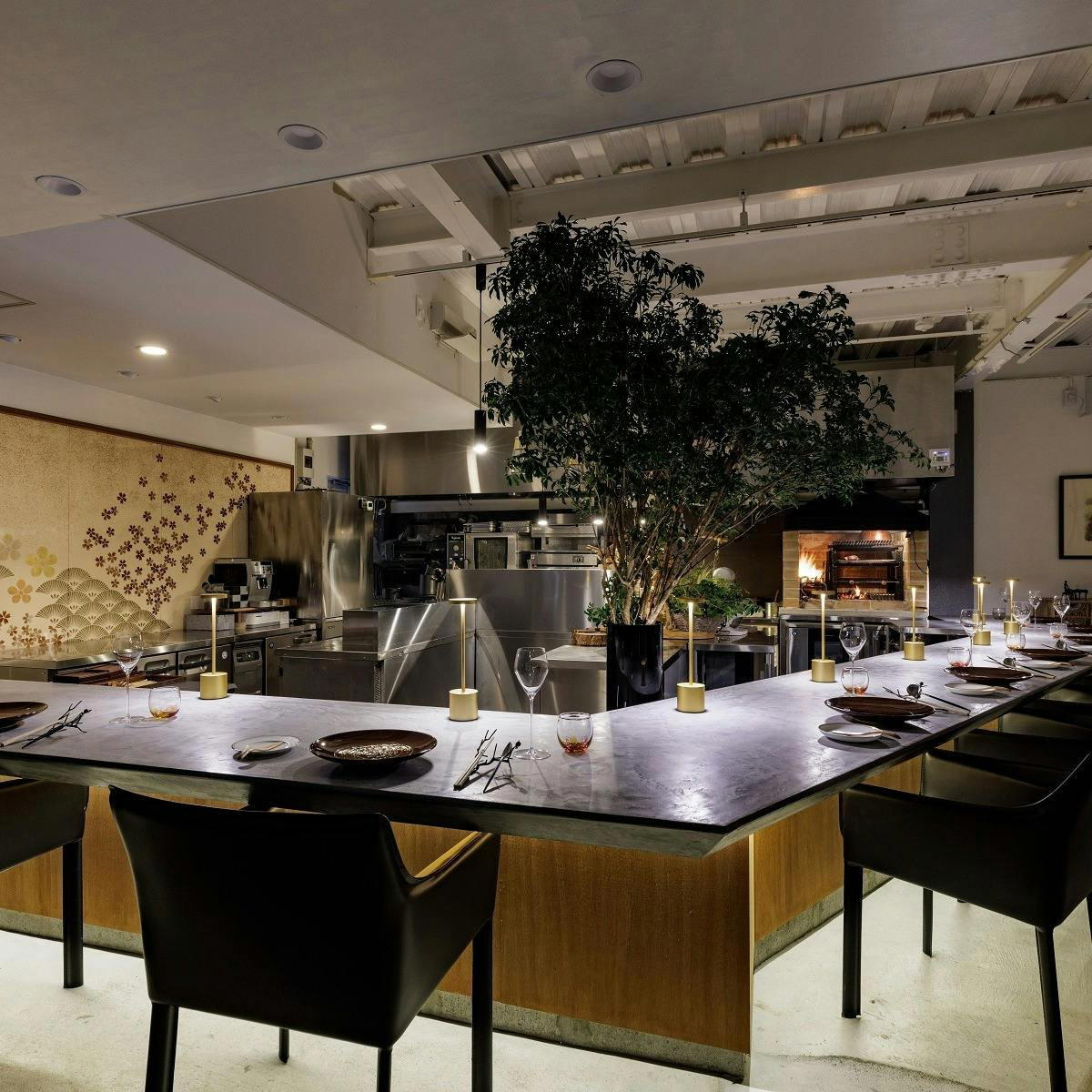
In Japan's provincial fine dining rooms, interior architecture does significant communicative work. The decision to seat guests at a counter versus a table, to use natural wood versus lacquered surfaces, to allow city noise in or to muffle it entirely: each choice signals a particular stance toward the dining experience. Counter formats, which dominate in Tokyo's omakase culture as seen at venues like Harutaka, create a direct transactional relationship between kitchen and guest. Table formats, more common in French-influenced contemporary Japanese restaurants such as Budoonomori Les Tonnelles in Kanazawa itself, create a different social geometry.
Kanazawa's more considered dining formats tend toward small capacity. The effect in such rooms is cumulative: a quiet dining room in a residential district produces a specific atmosphere that larger, more central restaurants cannot replicate regardless of their technical accomplishment. The absence of ambient noise from passing traffic, the domestic scale of neighboring buildings, the sense that the evening is contained, are all functions of where a restaurant chooses to locate itself. Comparable regional precision dining elsewhere in Japan, from akordu in Nara to HAJIME in Osaka, shows how space and setting interact with ambition at the highest level of the regional dining circuit.
For travelers working through Kanazawa's full dining range, the city also rewards time spent at its craft food stops. Hakuichi and Amanatto Kawamura represent the city's confectionery and craft food traditions, while Dokkan offers a different register entirely. The range across Kanazawa's dining rooms is wider than its reputation as a kaiseki city suggests, and restaurants in residential districts like Kitayasue are part of that fuller picture. Regional comparisons extend beyond Kanazawa too: 一本木 有川製 in Nanao and 湖邸荘 in Takashima represent the Hokuriku and neighboring Shiga dining scenes that share ingredient sources and sensibility with Kanazawa's kitchens.
Planning a Visit
Kanazawa is accessible from Tokyo via the Hokuriku Shinkansen in approximately two and a half hours, and from Osaka or Kyoto via limited express services. For those building a broader Hokuriku itinerary, venues such as 夕利山乃 in Sapporo, 庭羽屋 in Nishikawa Machi, and Birdland in Sakai illustrate the breadth of Japan's regional dining circuit that Kanazawa sits within.
Frequently asked questions
What should I eat at レストラン エクティル?
How hard is it to get a table at レストラン エクティル?
What is レストラン エクティル known for?
Is レストラン エクティル suitable for a special occasion dinner in Kanazawa?
Booking and Cost Snapshot
Comparable venues nearby, for context on price, style, and recognition.
| Venue | Cuisine | Price | Awards | Notes |
|---|---|---|---|---|
| レストラン エクティルThis venue — the venue you are viewing | Contemporary French with Local Kanazawa Ingredients | $200–300 | Not listed | Not listed |
| インスタレーションテーブル エンソ ラシンメトリー ドゥ カルム | Modern French with Japanese influences | $200–300 | Tabelog Bronze #136 | Kanazawa, Modern French with Hokuriku Influences |
| Budoonomori Les Tonnelles | French Farm-to-Table with Mexican Influences | $150–200 | Tabelog Bronze #243 | Kanazawa, French Farm-to-Table with Mexican Influences |
| Tobi | High-end Kanazawa Sushi Omakase | $100–150 | Tabelog 100 #43 | Kanazawa, High-end Kanazawa Sushi Omakase |
| ラ ネネグース | Classic French | $50–100 | Not listed | Kanazawa, Traditional French in Machiya |
| ビストロ高柳 | French Bistro | $50–100 | Not listed | Kanazawa, French Bistro |
Continue exploring
More in Kanazawa
Restaurants in Kanazawa
Browse all →
Bars in Kanazawa
Browse all →
Hotels in Kanazawa
Browse all →
Wineries in Kanazawa
Browse all →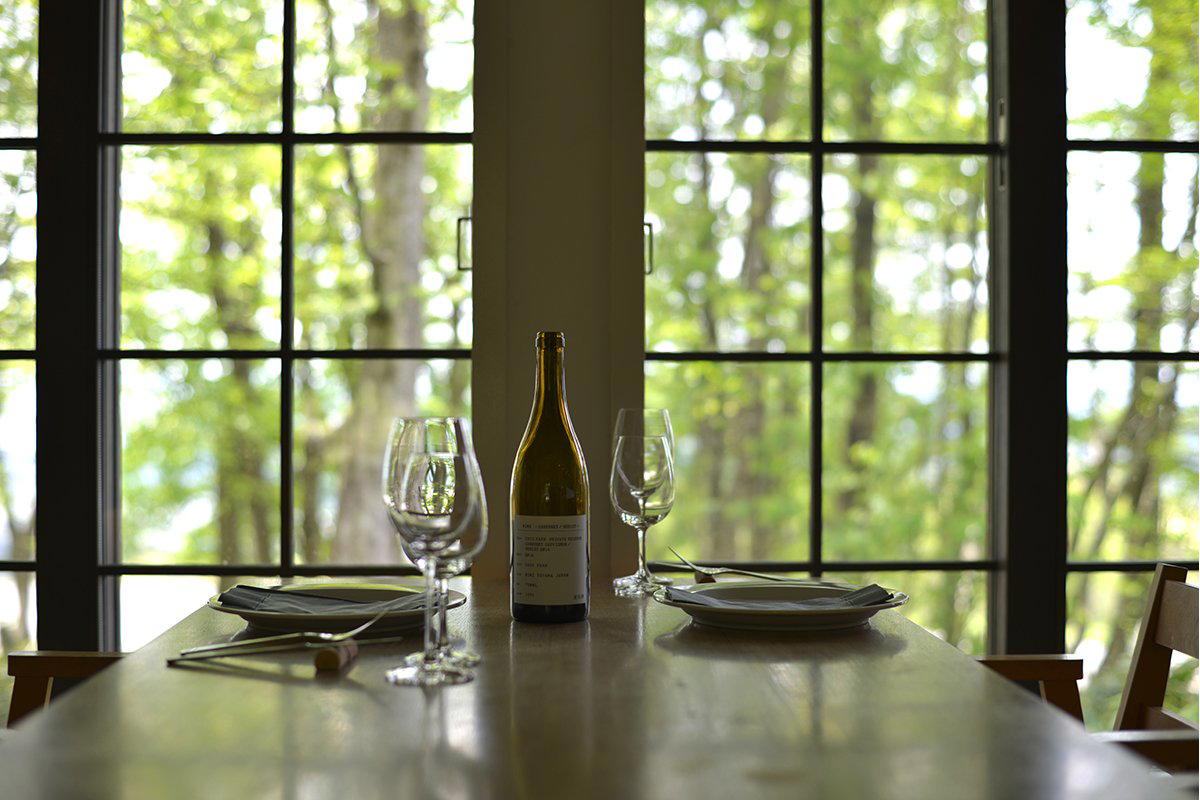
Details
- Elegant
- Intimate
- Sophisticated
- Modern
- Date Night
- Special Occasion
- Chefs Counter
- Open Kitchen
- Standalone
- Sake Program
- Local Sourcing
- Tasting Menu
- Counter Dining
Current opening hours
- Monday
- 12–10:30 PM
- Tuesday
- 12–10:30 PM
- Wednesday
- 12–10:30 PM
- Thursday
- 12–10:30 PM
- Friday
- 12–10:30 PM
- Saturday
- 12–10:30 PM
- Sunday
- 12–10:30 PM
Hours can change for holidays and private events. Last verified .
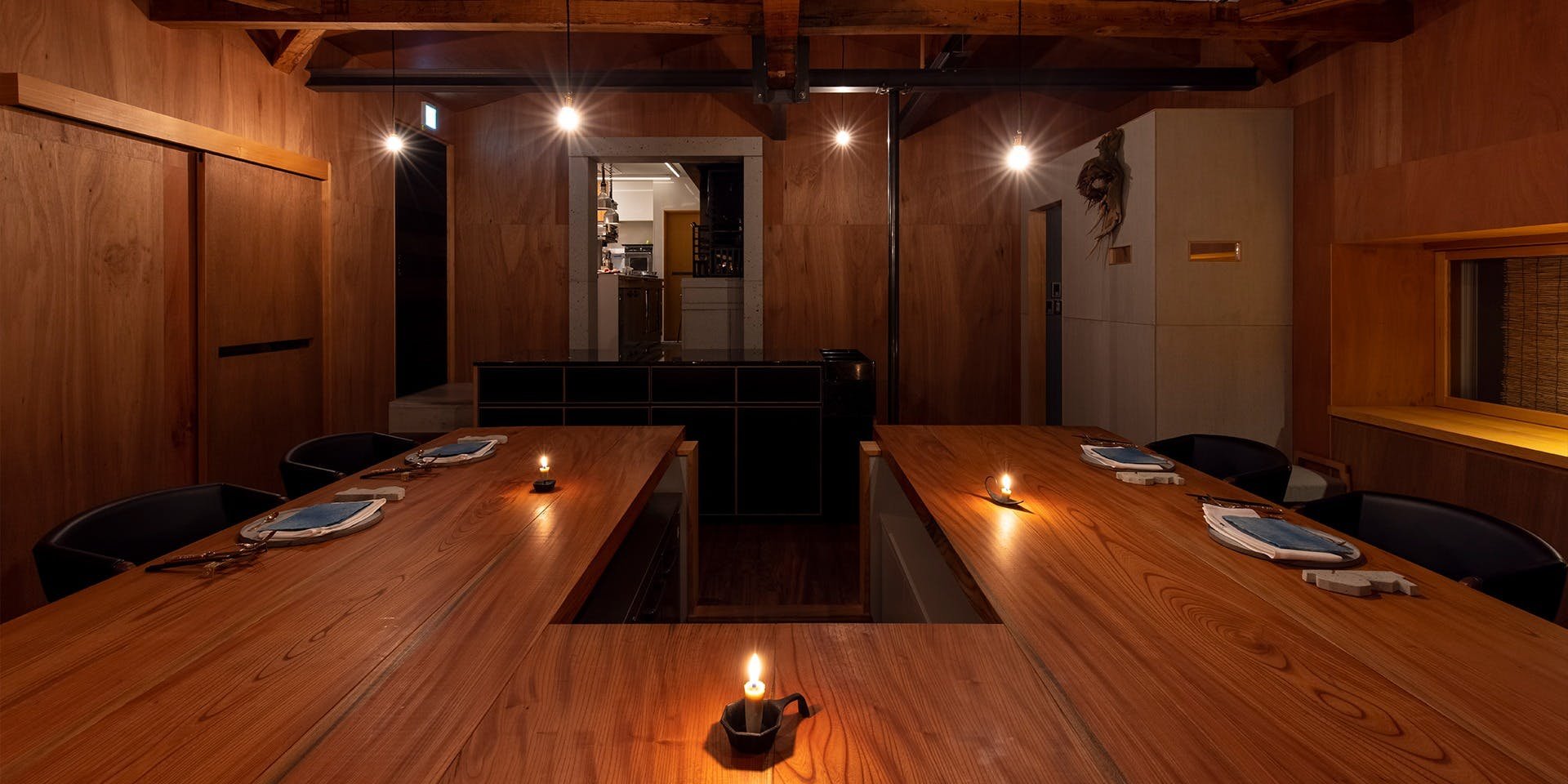
Intimate counter seating around an open kitchen in a standalone house in a quiet residential area, with traditional Kanazawa decor elements like gold leaf art.