
Kabuna places Kanazawa’s izakaya culture in Katamachi rather than the museum-lit dining rooms visitors often associate with the city. Its Tabelog 100 Izakaya WEST 2025 selection, fish-led cooking, sake focus, counter seats, tatami rooms and private rooms make it a useful read on how serious local dining can remain social, flexible and rooted in the evening rhythm of the neighbourhood.
Pearl is the En Primeur Club membership app — saves, bookings, and concierge access live there. Same editors, same standards.
- Address
- Parche, 1F, 2 Chome-23-5 Katamachi, Kanazawa, Ishikawa 920-0981, Japan
- Phone
- +81 76-260-7899
- Website
- miraicorp.co.jp
 Saves & bookings on Pearl
Katamachi after dark is where Kanazawa loosens its collar. The city’s formal food reputation is built on kaiseki discipline, sushi counters and the seafood wealth of the Hokuriku coast, but its working evening appetite often lands in izakaya rooms: places built for fish, sake, conversation and repeat use rather than ceremony. Kabuna belongs to that register, with the practical architecture of a neighbourhood tavern and the recognition profile of a serious address.
That distinction matters in Kanazawa. A visitor can spend at the higher end at A_RESTAURANT or follow the kaiseki line through Zeniya; another can keep the evening casual at SPICEBOX or use sweets and daytime errands to understand the city through Amanatto Kawamura. Kabuna sits in a different middle band: fish-led izakaya cooking with sake, shochu and wine, priced for dinner rather than occasion dining, and selected for Tabelog 100 - Izakaya - WEST - 2025. For the wider city map, Our full Kanazawa restaurants guide gives the surrounding context.
Katamachi gives the izakaya format its point
Kanazawa’s central dining geography is not a single luxury corridor. Katamachi works as an evening district: compact, bar-friendly and close to the kind of small-room dining that rewards groups as much as solo counter eaters. In that setting, the izakaya is not a fallback from formal Japanese cuisine. It is the format that absorbs the city’s seafood culture into a more conversational night out.
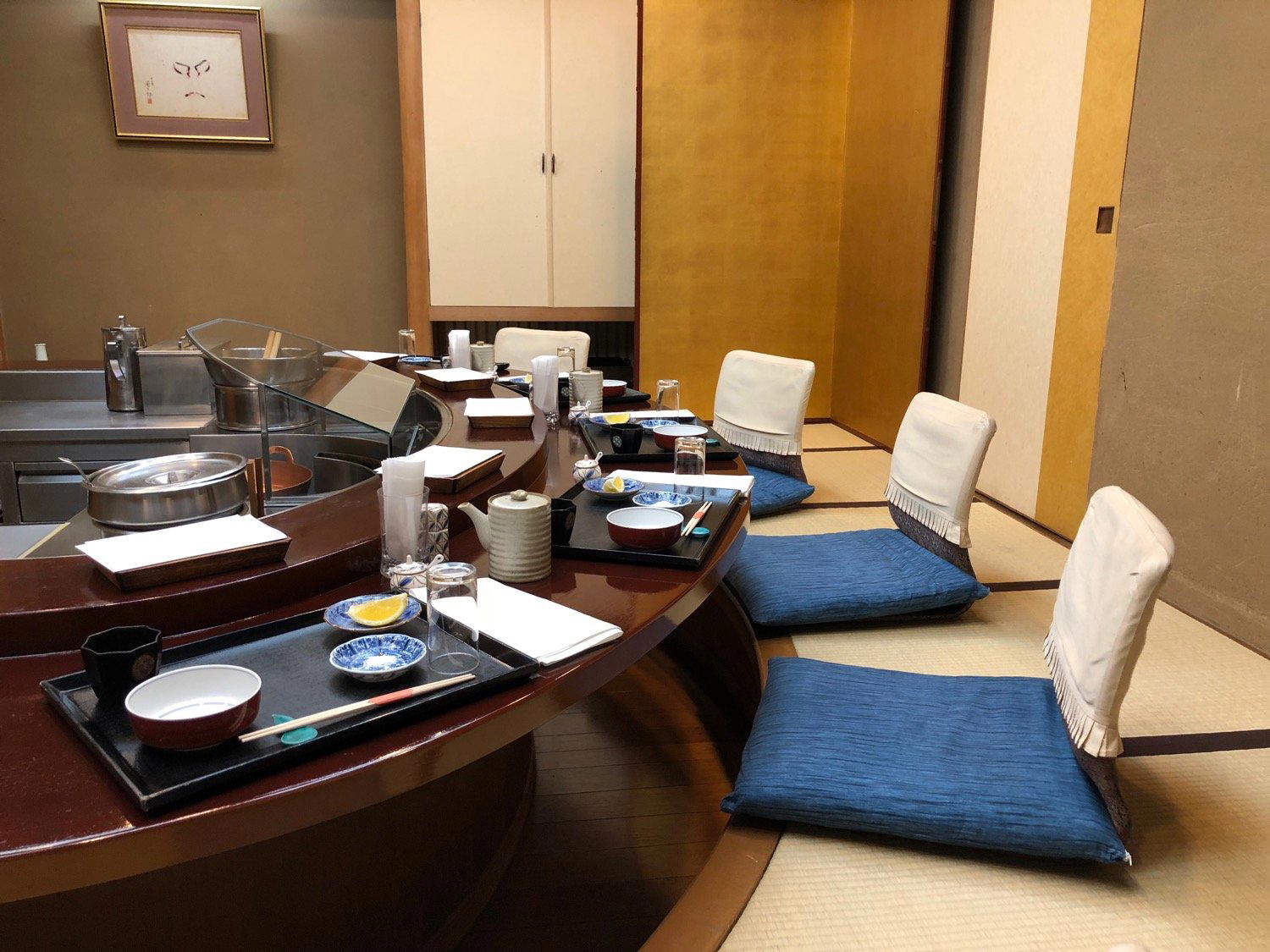
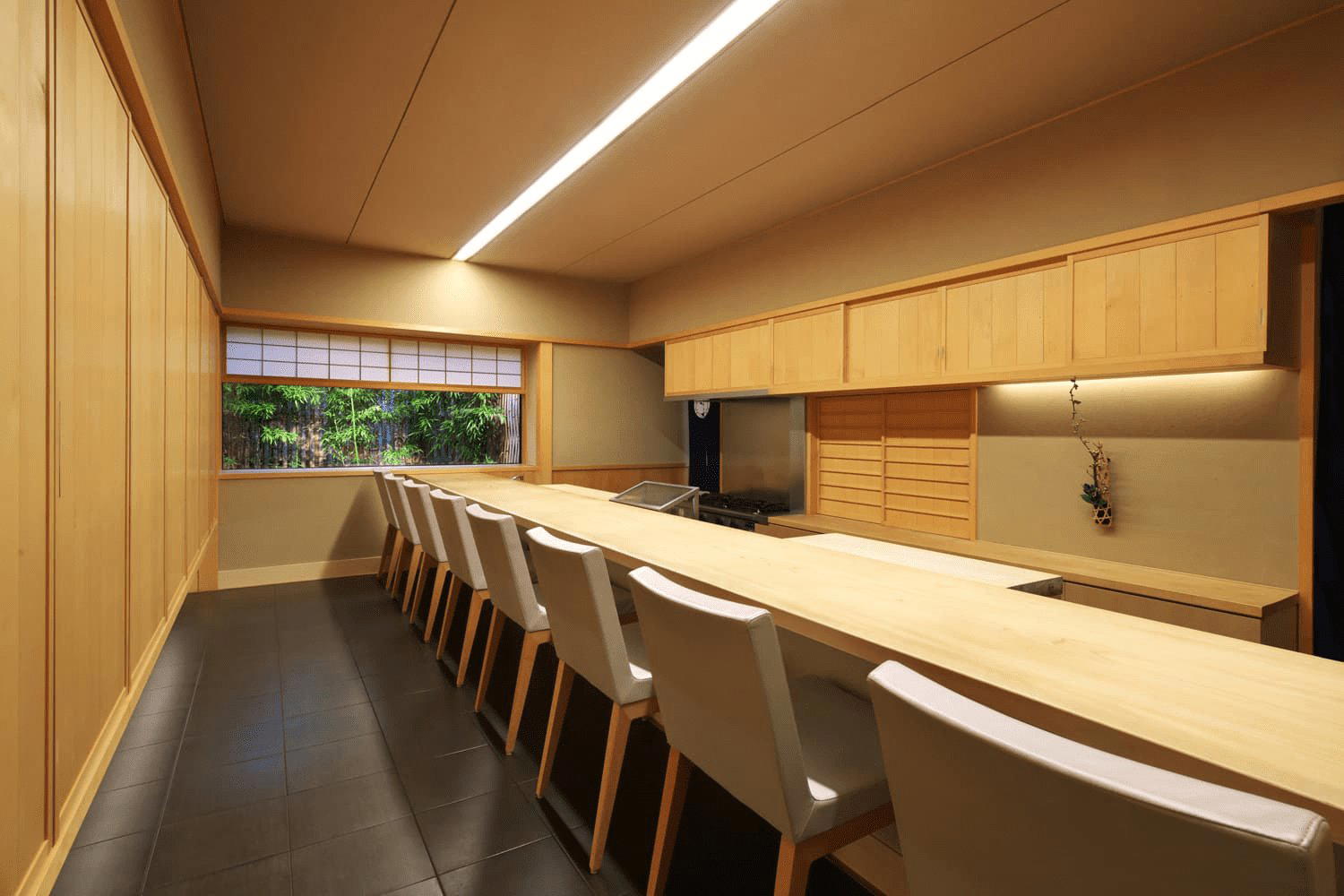
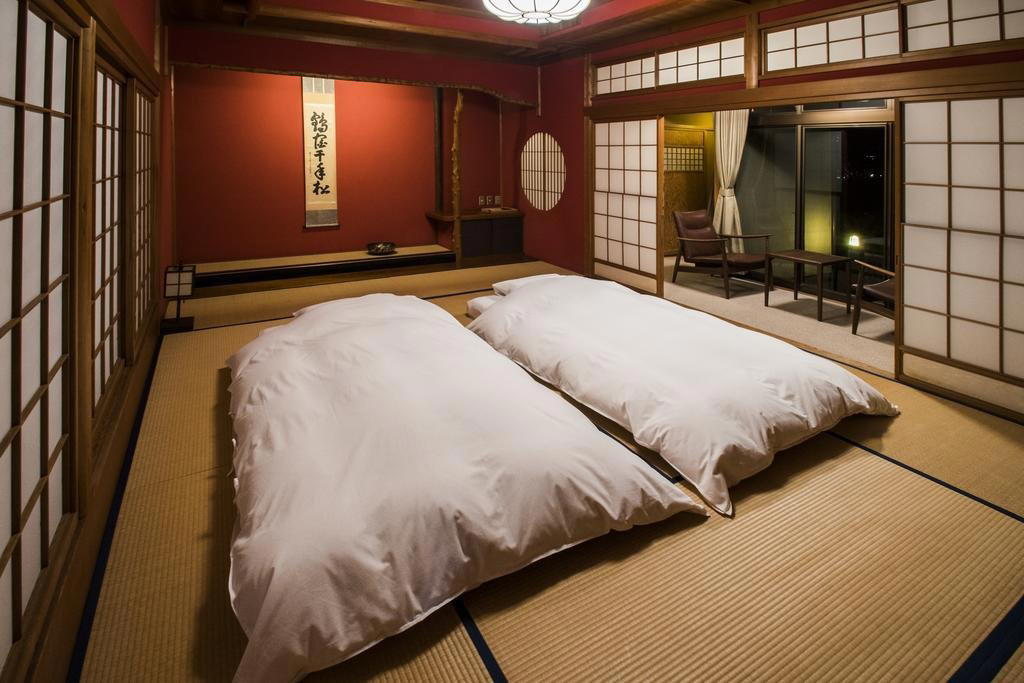
Kabuna’s room supports that reading. The format includes 58 seats, with 8 at the counter and 11 private rooms, plus tatami and sunken seating. Those details say more than atmosphere adjectives would. A counter can suit a diner interested in the kitchen’s pace; private rooms make sense for families, friends or work dinners; tatami and horigotatsu-style seating keep the meal close to Japanese tavern convention without pushing it into banquet stiffness.
The food identity is described through izakaya, seafood and creative categories, with a stated emphasis on fish. In Kanazawa, that is not incidental branding. The city’s proximity to the Sea of Japan has long shaped its dining economy, and fish-led izakaya cooking gives visitors a less formal route into the same ingredient culture that supports pricier sushi and kappo meals. Otomezushi, listed outside the metro comparison set, represents the sushi end of that spectrum; Kabuna occupies the tavern side, where ordering can move across seafood, drinks and shared plates rather than follow a set progression.
Award recognition without the hush of a tasting room
The Tabelog 100 Izakaya WEST 2025 selection places Kabuna in a competitive regional category rather than a tourist-only Kanazawa list. That is a useful signal because izakaya quality is harder to read from outside Japan than Michelin-style fine dining. The format can look casual, even ordinary, while the difference between routine and serious versions lies in sourcing, drink alignment, pacing and the ability to handle mixed parties.
At this price tier, the comparison is not with kaiseki formality or omakase theatre. It is with the stronger izakaya addresses across western Japan: places where sake matters, fish matters, and the room must work for multiple uses in a single night. Kabuna’s drinks profile points in that direction, naming nihonshu, shochu and wine, with particular attention to sake. That combination is telling. Kanazawa’s tavern culture does not need to perform minimalism; it needs range, because the table may be ordering seafood, cooked dishes and repeat rounds across the evening.
There is also a practical editorial point here: izakaya dining in Japan rewards format literacy. A higher-priced restaurant may tell the diner what will happen through a set menu. A tavern asks the diner to read the room, order with the season and pace drinks around the table. Kabuna’s recognition suggests that this informal structure is being executed at a level that registered beyond local habit. It is not a substitute for Zeniya if the goal is kaiseki, and it is not trying to be a sushi counter like Otomezushi. Its value is that it keeps Kanazawa’s fish culture social.
How to place it in a Kanazawa itinerary
For travellers, the smarter use of Kabuna is as a Katamachi evening anchor rather than a standalone trophy booking. Build the day around Kanazawa’s historical core, then let dinner shift into the city’s night economy. The surrounding district makes it easy to pair dinner with a bar plan; Our full Kanazawa bars guide is the cleaner way to extend the evening. If the trip is built around lodging decisions, Our full Kanazawa hotels guide helps separate station convenience from neighbourhood atmosphere.
The reservation and room format make it relevant for more than one kind of diner. Counter seats suit smaller parties who want a tighter view of service; private rooms give families or groups more control over pace. Children are welcomed, which is not automatic in serious Japanese dining rooms, and that shifts the restaurant from specialist-only to genuinely useful for mixed-age travel. The presence of designated smoking space is also part of the real-world izakaya picture in Japan, so travellers sensitive to smoke should choose seating with that in mind.
Kanazawa dining should not be reduced to one category. A strong itinerary might use Kabuna for fish and sake in Katamachi, then compare other city moods through 1/3 HAMBURGER FACTORY, 333, Aburi Niku Garan and Ajiraku Yumemi. Broader Japan planning can stretch the comparison further: beef-focused dining at -Grilled beef Sukiyaki- KAMAKURA TANUKIAN 鎌倉 たぬき庵 in Kamakura, seafood-and-charcoal idioms at. 鮪と炭火焼き うお炭 秋葉原店 in Tokyo, cafe culture at.cafe in Osaka, regional dining at.know in Kumamoto, Vietnamese cooking at (Shoku) Vietnam in Kawasaki, curry specificity at [Curry Senmon Ten] Maruyama Kyoju. in Sapporo, sake-bar culture at Jōdo Saké Bar in Los Angeles and Japanese comfort food abroad at Onigiri Time in Pasadena. For non-restaurant planning around the city, Our full Kanazawa wineries guide and Our full Kanazawa experiences guide round out the itinerary.
A Minimal
Side-by-side context: comparable cuisine and price.
| Venue | Cuisine | Price | Notes |
|---|---|---|---|
| KabunaThis venue — the venue you are viewing | $$$ | ||
| うなぎ四代目菊川 | $$$ | Kanazawa Station, Kansai-style Whole Eel (Unagi) | |
| Koide | $$$ | Kanazawa, Traditional Japanese Izakaya & Sake Bar | |
| 割鮮 のむら | 泉野出町, Kappo Japanese with Fresh Seafood | $$$ | |
| Sushi Ikuta | $$$ | Kanazawa, Seasonal Edomae-Style Sushi Omakase | |
| Tori Take | $$$ | Kanazawa, Yakitori (Grilled Chicken Skewers) |
Continue exploring
More in Kanazawa
Restaurants in Kanazawa
Browse all →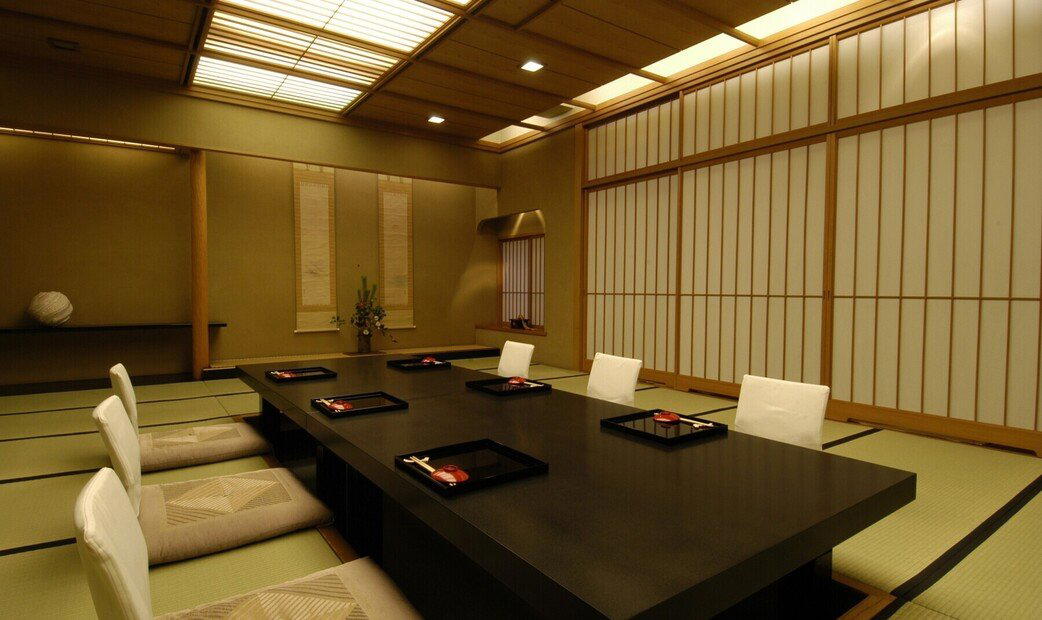
At a Glance
- Cozy
- Lively
- Hidden Gem
- Intimate
- Classic
- After Work
- Date Night
- Group Dining
- Casual Hangout
- Late Night
- Special Occasion
- Standalone
- Design Destination
- Private Dining
- Sake Program
- Beer Program
- Local Sourcing
Warm, wood-accented izakaya atmosphere with counter seating and small private rooms, lively but relaxed in the evenings, feeling like a polished neighborhood spot rather than a tourist restaurant.