Our verdict
In Kanazawa's Owaricho district, ア・ラ・フェルム・ドゥ・シンジロウ occupies a quietly considered space where French technique meets the city's deep agricultural and seafood traditions. The restaurant sits within a dining culture shaped by proximity to the Japan Sea and centuries of domain-era food craft, placing it in a small but serious tier of Franco-Japanese addresses in the Hokuriku region. Booking ahead is strongly advised.

Pearl is the En Primeur Club membership app — saves, bookings, and concierge access live there. Same editors, same standards.
- Address
- 1 Chome-9-9 Owaricho, Kanazawa, Ishikawa 920-0902, Japan
- Phone
- +81762218818
- Hours
- Mon–Tue 11:30 AM–3 PM, 6–9:30 PMWed ClosedThu–Sun 11:30 AM–3 PM, 6–9:30 PM
- Website
- k-wine.jp
- Directions
- Get directions
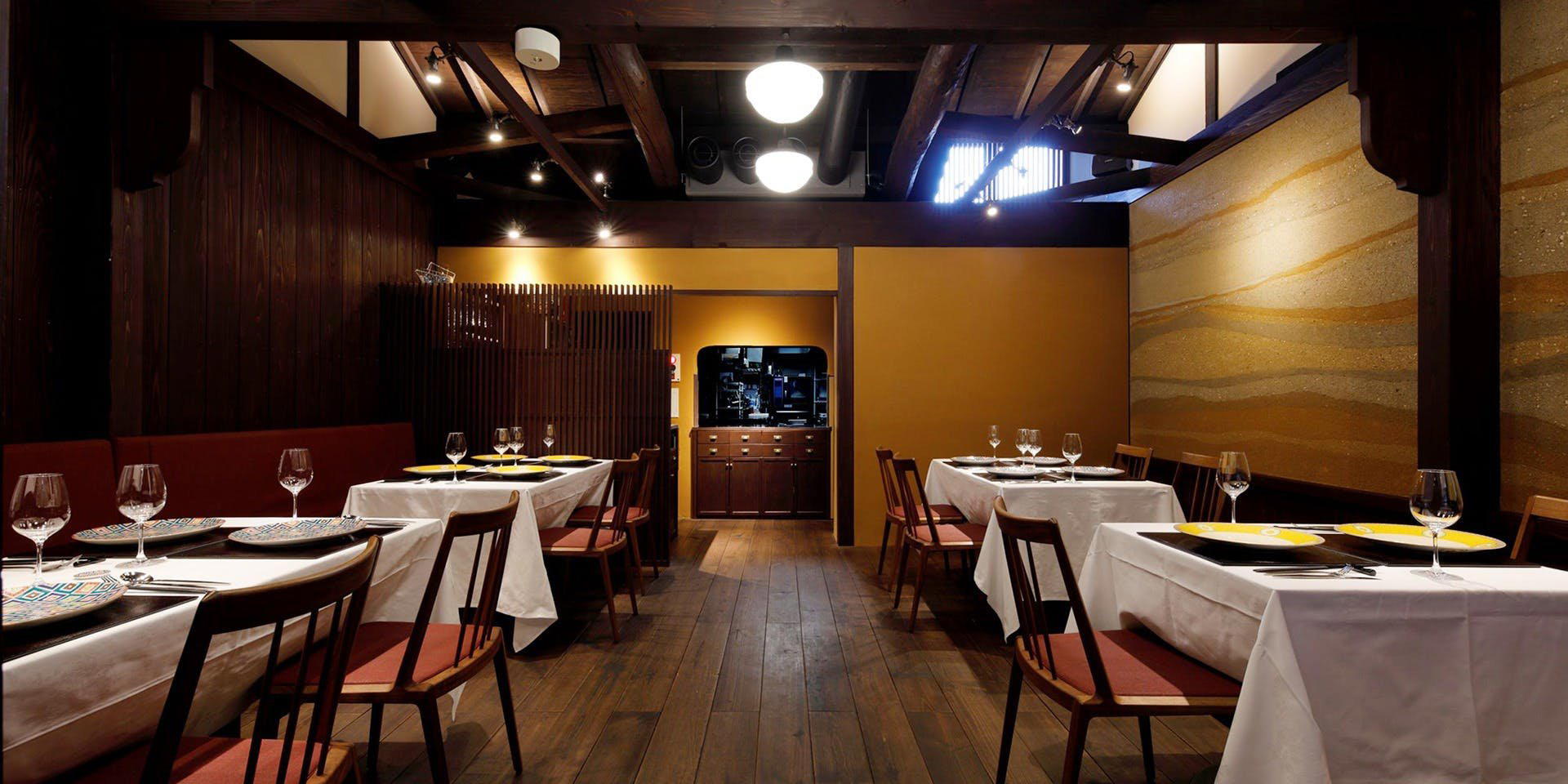
A Room That Sets Its Own Tempo
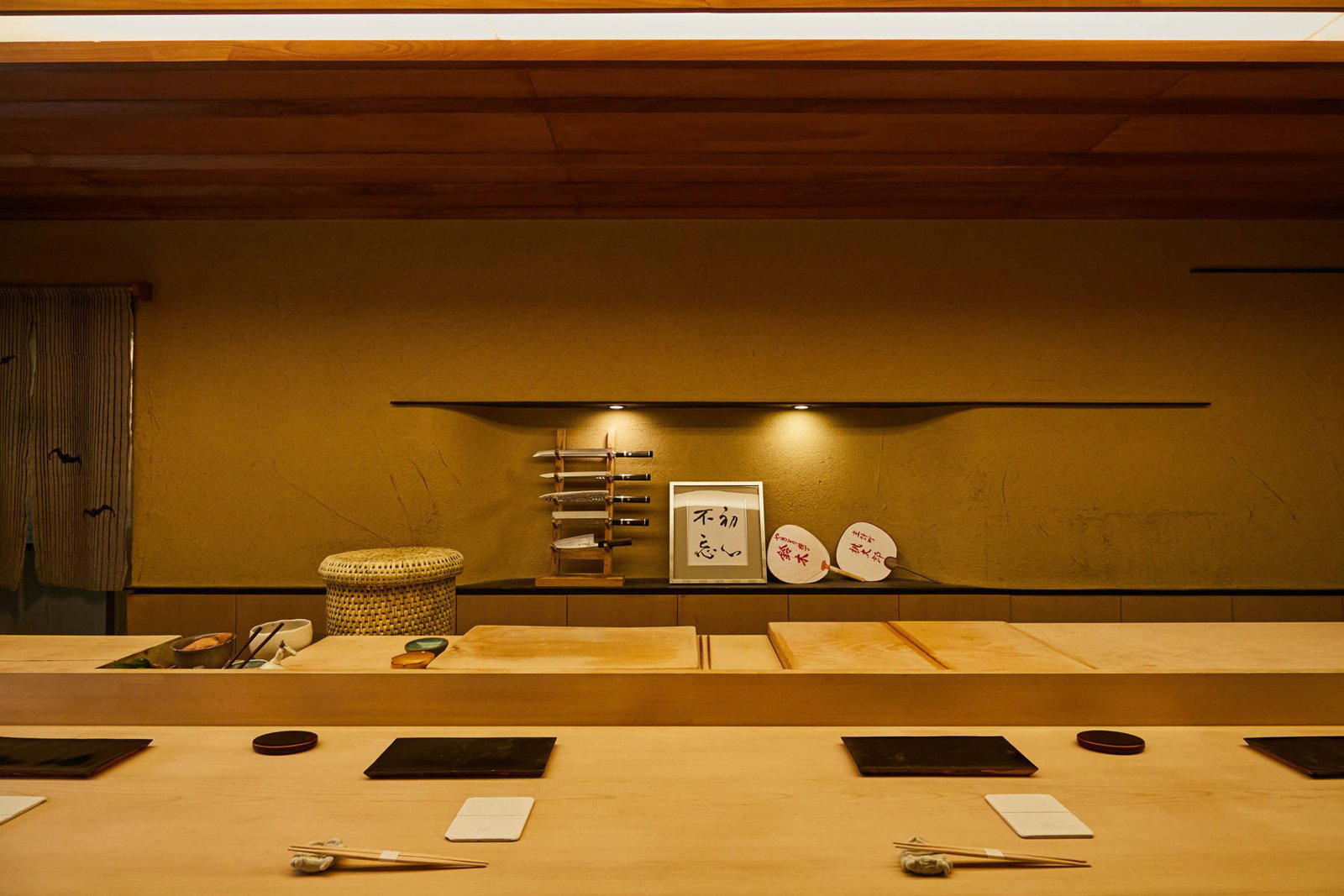
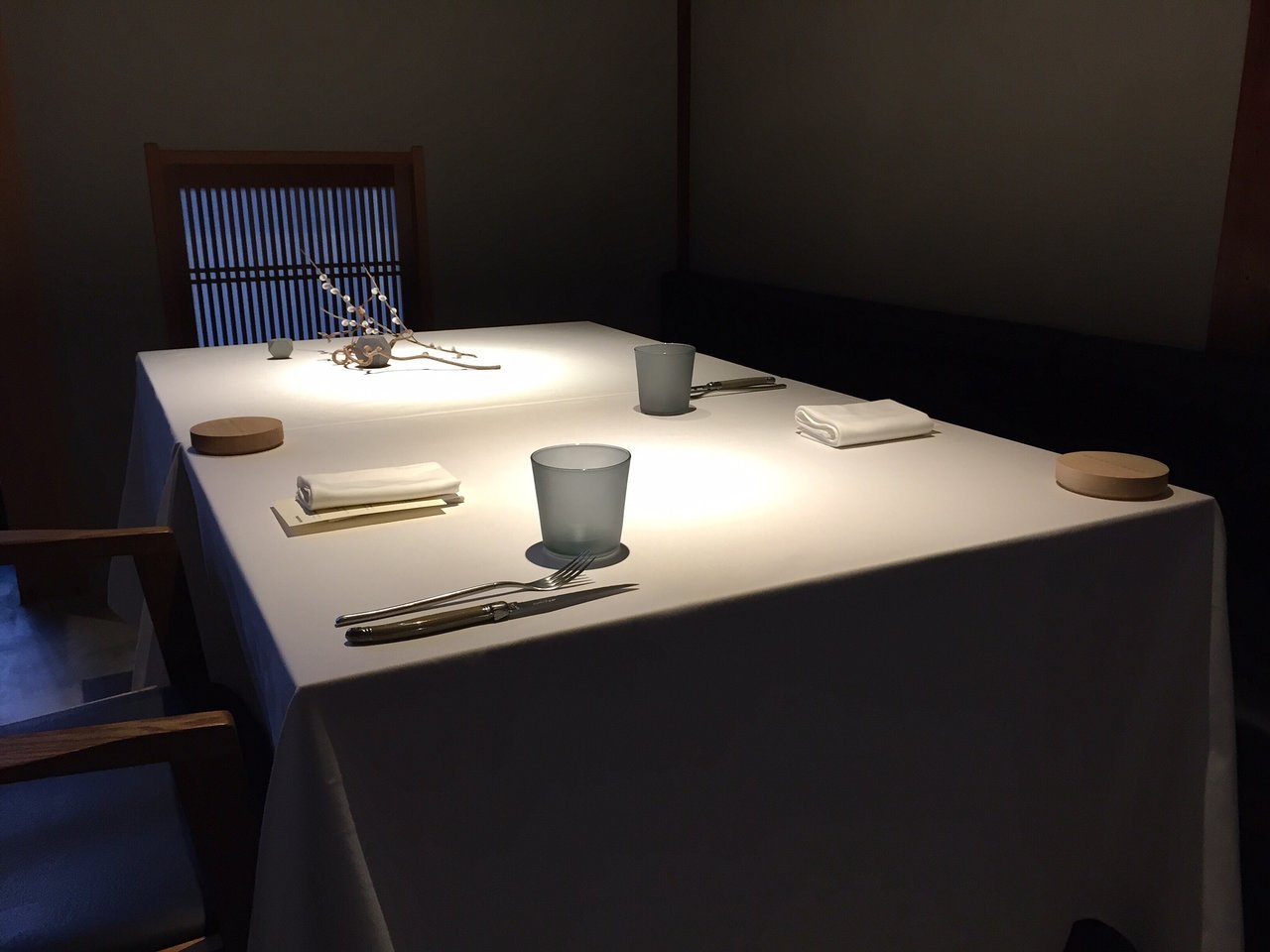
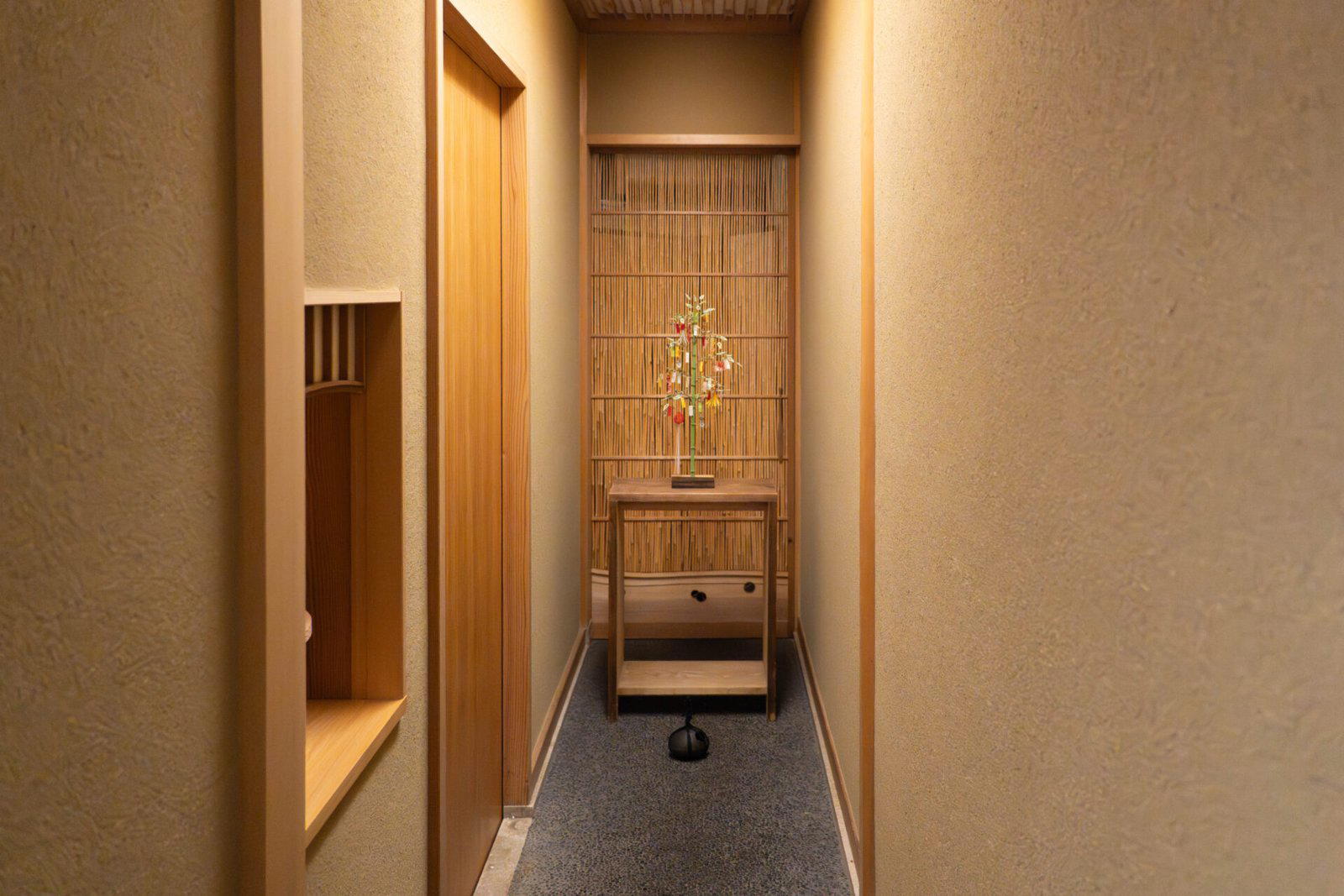
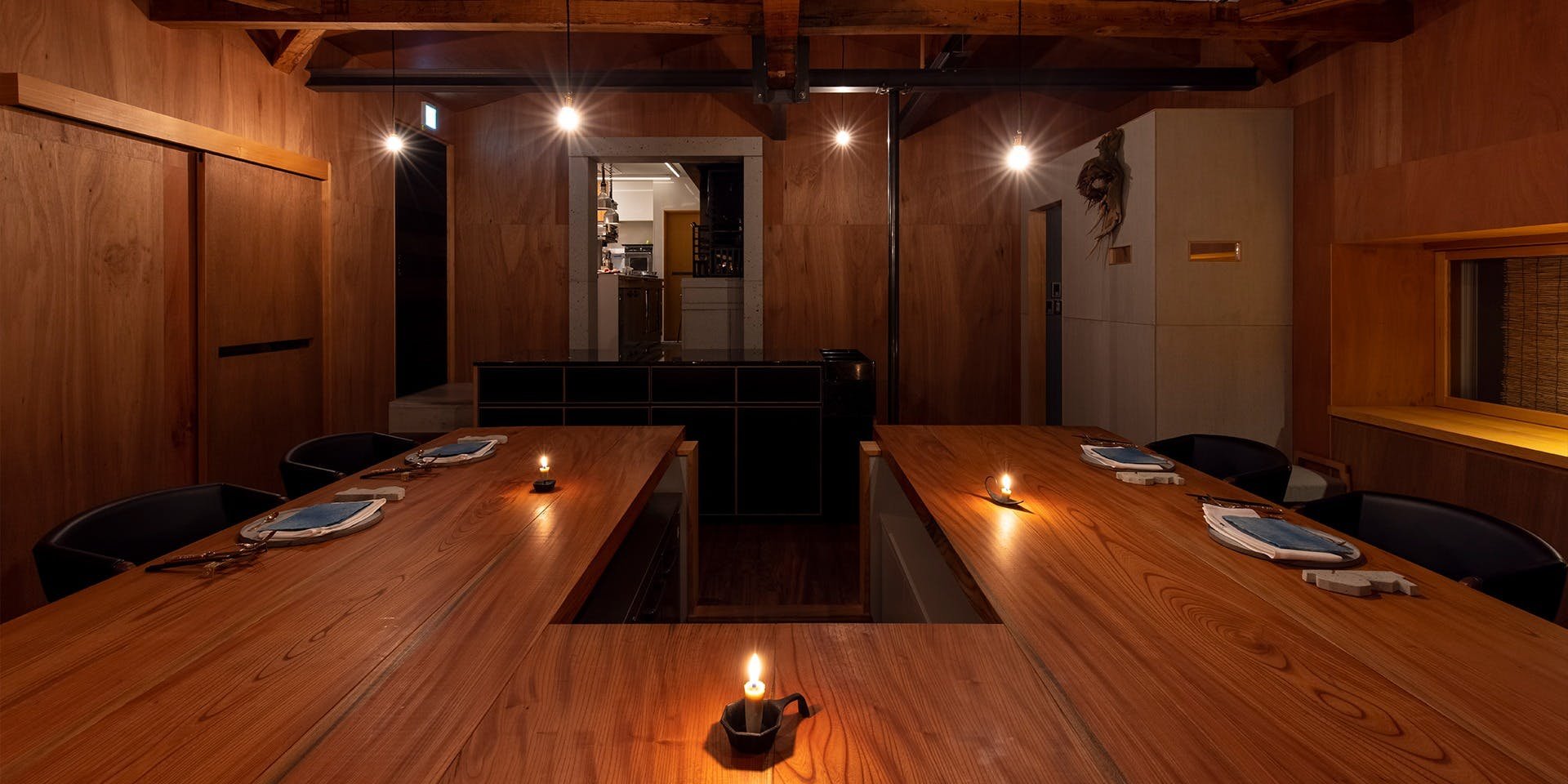
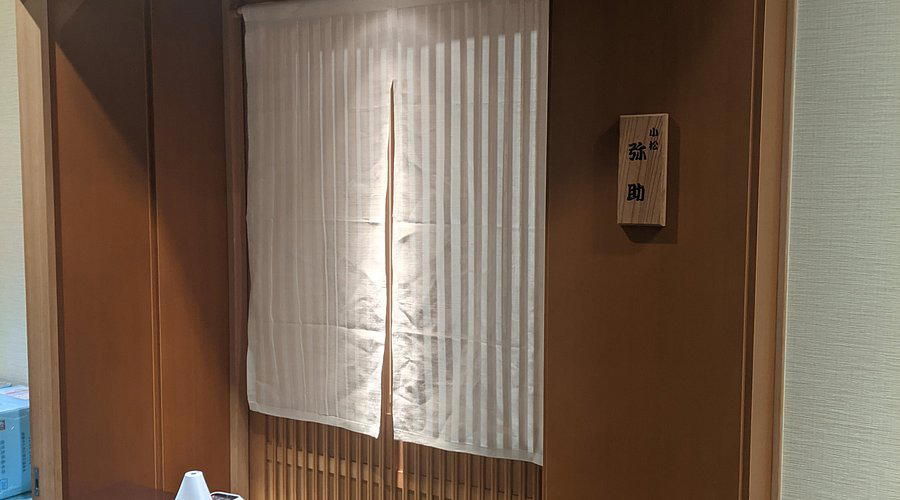
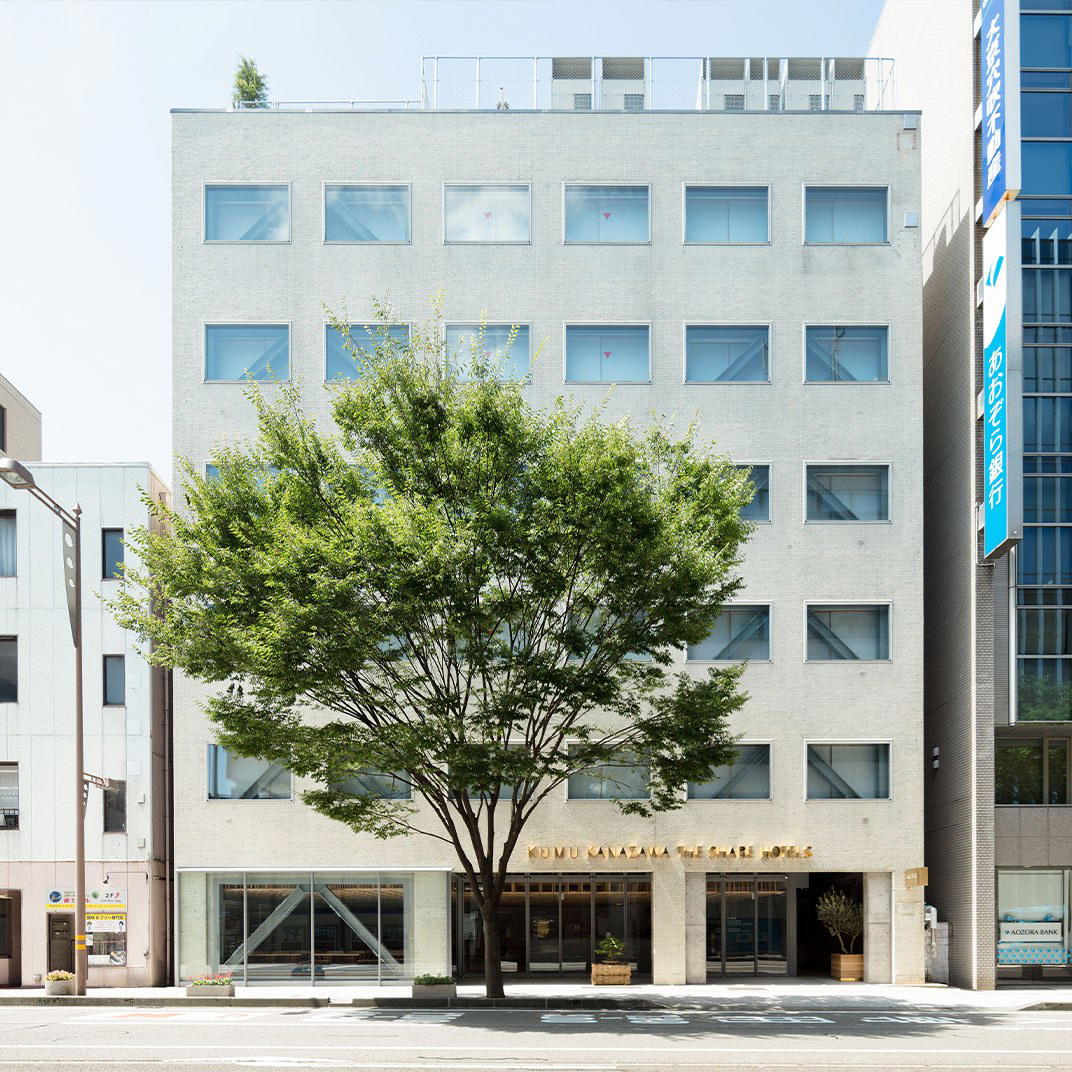
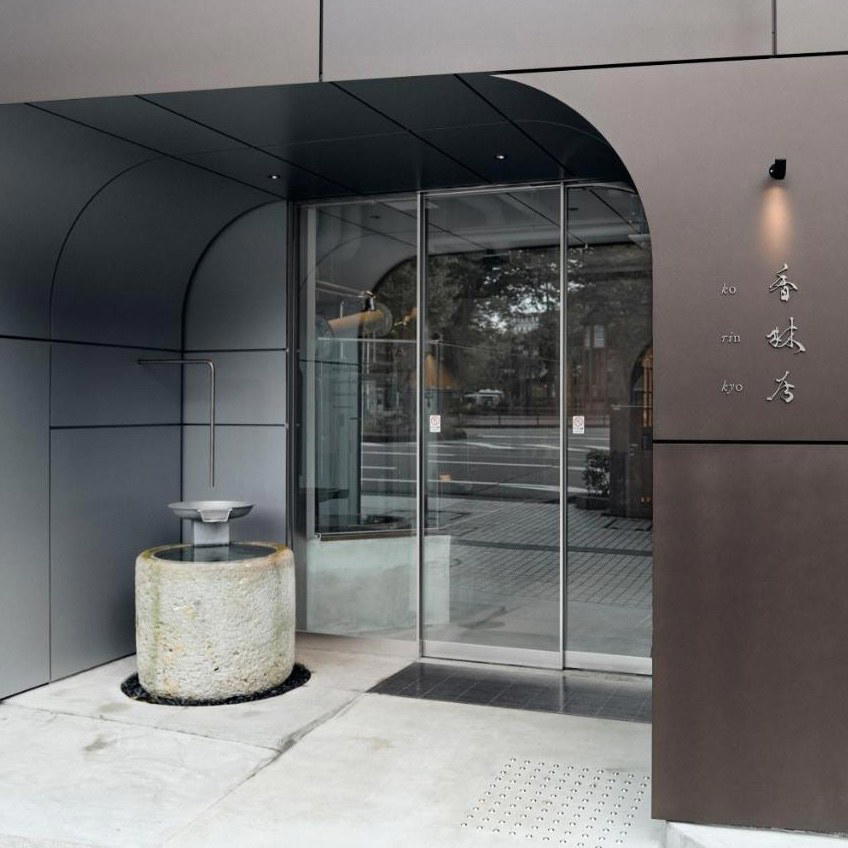
Owaricho is one of Kanazawa's older merchant districts, a neighbourhood whose streetscape still carries the measured proportions of Edo-period commerce. Walking along its blocks, you pass lacquerware shops, confectionery houses, and facades that suggest continuity rather than reinvention. ア・ラ・フェルム・ドゥ・シンジロウ sits within this fabric at 1 Chome-9-9, and the building's presence on the street reads accordingly: considered, unhurried, nothing shouted at passers-by. That restraint is a recurring signal in Kanazawa's finer dining rooms, where the city's long association with craft and quietude tends to shape the physical container as much as the cuisine inside it.
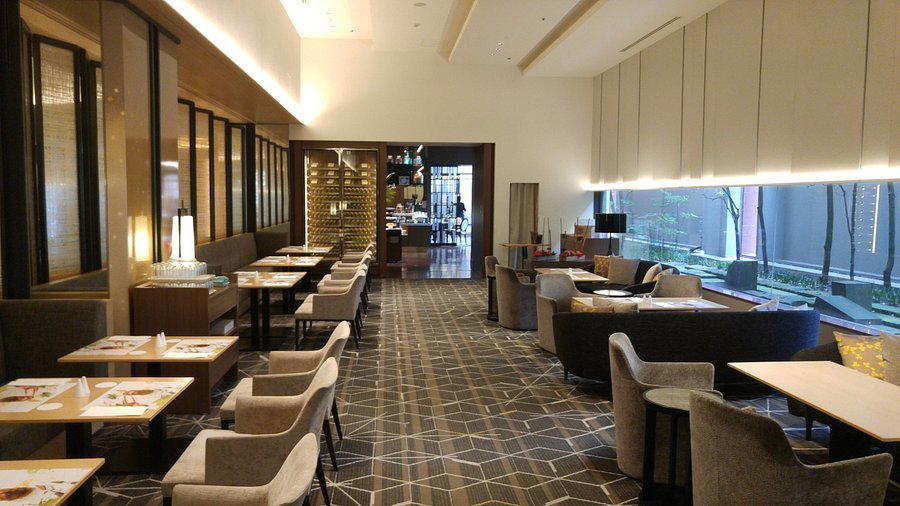
French restaurants in Japan operate across a wide range of spatial registers, from the high-polish formal rooms of Tokyo's Ginza to casual bistro formats in Osaka backstreets. In smaller regional cities like Kanazawa, the Franco-Japanese dining room has developed its own idiom: intimate in scale, attentive to material quality, and often rooted in a specific local sourcing logic that differentiates it from both the capital's grand tradition and the countryside farmhouse aesthetic. ア・ラ・フェルム・ドゥ・シンジロウ falls into this regional category, where the interior architecture functions as an argument about where the cuisine is positioned, before a single dish arrives. For comparable French-inflected ambition in the Hokuriku region, Budoonomori Les Tonnelles offers an instructive point of contrast, with its own interpretation of how French structure meets Ishikawa produce.
The Franco-Japanese Dining Tradition in Hokuriku
Kanazawa's food culture is frequently framed through kaiseki, and rightly so: the city's domain-era kitchens, proximity to Noto Peninsula seafood, and access to mountain vegetables from the Hakusan foothills created conditions in which the kaiseki form took deep root. But the city also has a longer-standing relationship with Western culinary ideas than many outside Japan appreciate. Meiji-era modernisation brought French and European cooking techniques into urban Japan broadly, and regional cities with established merchant and samurai food cultures were not slow to adapt. By the late twentieth century, a cluster of Franco-Japanese and Italian-influenced addresses had established themselves in Kanazawa alongside the kaiseki houses that dominate the city's international reputation.
The Franco-Japanese model that operates in cities like Kanazawa typically works differently from its Tokyo equivalent. Rather than competing with the capital's density of starred addresses, regional French restaurants in Japan's secondary cities tend to anchor their identity in place-specific sourcing: fish from the Japan Sea, game from the interior, dairy from northern farms, and mountain ingredients that shift sharply with the season. This is the competitive terrain on which a restaurant with a name like ア・ラ・フェルム・ドゥ・シンジロウ (the French phrase evoking a farm or agricultural estate, paired with a Japanese given name) is operating. The name itself is a compositional signal: French structure, Japanese grounding.
For readers interested in how this tension plays out across Japan's regional fine dining scene, the approach at akordu in Nara and Goh in Fukuoka offer useful reference points, each addressing the question of European technique in a Japanese regional context with distinct answers. At the higher end of the national conversation, HAJIME in Osaka shows what Franco-Japanese ambition looks like when taken to its furthest technical extreme.
Kanazawa's Dining Ecology and Where This Room Fits
Kanazawa rewards visitors who take the time to read its dining culture horizontally, not just vertically. The city has a dense concentration of serious eating at multiple price points and across multiple traditions. Kaiseki houses like Zeniya and Kataori occupy the formal upper tier of Japanese cooking in the city. Yakitori at Hamagurizaka Maekawa represents a different kind of seriousness: precision applied to a less rarified format. At the accessible end, Go! Go! Curry is as Kanazawa-specific as anything in the kaiseki district, given that the city claims the dish as its own. Dokkan and Hakuichi each contribute to the city's distinct food character from different angles, while Amanatto Kawamura speaks to Kanazawa's deep confectionery tradition. Our full Kanazawa restaurants guide maps the city's dining culture across all of these registers.
Within this ecology, French-rooted restaurants occupy a smaller, more specialised niche. They tend to attract a clientele that moves between Japanese and European culinary frames fluently, and they compete less with the kaiseki houses than they do with each other and with the city's more cosmopolitan Italian and fusion addresses. The Owaricho location of ア・ラ・フェルム・ドゥ・シンジロウ places it in a neighbourhood with foot traffic from cultural tourism, which means the restaurant is accessible without being buried, and visible enough to draw visitors who might not have specifically sought it out.
For broader regional context across Japan's secondary cities, addresses like 三本木 石川制 in Nanao, 湖畔荘 in Takashima, and 羽根屋 in Nishikawa Machi each illustrate how the Chubu and Tohoku regions handle the intersection of local produce and formal dining traditions. Internationally, the structural rigour of Le Bernardin in New York City and the ingredient-focused precision of Atomix in New York City represent the kind of culinary seriousness that Franco-Japanese regional restaurants in Japan are, in their own way, in conversation with.
Planning a Visit
Owaricho is walkable from Kanazawa's central Katamachi area and within easy reach of the Higashi Chaya geisha district, making the restaurant a logical anchor for an evening that begins or ends in that part of the city. As with most serious Franco-Japanese restaurants operating at this level in regional Japan, reservations are advisable rather than optional. The phone number and website are not publicly listed in standard directories, which suggests bookings may be managed through direct contact or a third-party reservation service; inquiring through your hotel concierge or using a platform like Tableall or Omakase is the practical approach for overseas visitors. Kanazawa is served by the Hokuriku Shinkansen from Tokyo (approximately two and a half hours), which has brought a measurable increase in high-expectation dining visitors to the city since its extension to Tsuruga in 2024. Arriving by rail and staying centrally puts the Owaricho address within a short taxi or walk from most accommodation.
Comparable efforts in the craft of regional French dining in Japan, such as Gion Sasaki in Kyoto and Harutaka in Tokyo (each serious, each deeply rooted in place), give a sense of the standard that serious regional Franco-Japanese dining in Japan is measured against. For those building an itinerary around Hokuriku dining, 夕張山荘 in Sapporo and Birdland in Sakai round out a picture of how Japan's regional cities are developing distinct fine dining identities that do not simply replicate what the capital offers.
Frequently asked questions
What part of town is ア・ラ・フェルム・ドゥ・シンジロウ in?
ア・ラ・フェルム・ドゥ・シンジロウ is located at 1 Chome-9-9 Owaricho, Kanazawa, Ishikawa 920-0902, Japan, Kanazawa.
How does ア・ラ・フェルム・ドゥ・シンジロウ compare to kaiseki restaurants in Kanazawa?
Where Kanazawa's kaiseki rooms apply the formal grammar of Japanese seasonal cuisine to Hokuriku ingredients, ア・ラ・フェルム・ドゥ・シンジロウ applies French culinary structure to the same larder — Noto Peninsula seafood, Ishikawa vegetables, and the coastal produce that makes this city one of Japan's most ingredient-rich dining destinations. The result is a complementary experience rather than a competing one, and Kanazawa's dining culture is strong enough to support both traditions at a serious level. Visitors spending multiple days in the city will find the two approaches illuminate each other.
What should I order at ア・ラ・フェルム・ドゥ・シンジロウ?
The kitchen operates at the intersection of French technique and Hokuriku ingredients, so the strongest choices follow that logic: dishes built around Noto Peninsula seafood and seasonal produce from Ishikawa Prefecture. Given the restaurant's position in Kanazawa's Owaricho district, the menu reflects what serious Franco-Japanese kitchens in this region do well — treating local fish and vegetables through a French lens rather than defaulting to either tradition wholesale. Specific current menu items are best confirmed directly when booking, as seasonal rotation is standard practice at this level.
Is ア・ラ・フェルム・ドゥ・シンジロウ reservation-only?
At a Franco-Japanese restaurant of this calibre in Kanazawa's Owaricho district, walk-in seating is unlikely to be available, particularly for dinner service. Advance reservation is strongly advisable, and for visitors coordinating around Kanazawa's other dining commitments — the city has a dense concentration of serious rooms — booking ahead is standard practice.
What makes ア・ラ・フェルム・ドゥ・シンジロウ worth seeking out?
Kanazawa's dining identity is anchored in kaiseki, which means a Franco-Japanese kitchen working seriously with Hokuriku ingredients occupies a distinct position in the city's dining ecology. The Owaricho address places it in one of Kanazawa's older merchant districts, away from the more tourist-facing corridors, which tends to attract a local clientele with higher expectations. For visitors who have already covered the kaiseki circuit, this room offers a different angle on the same exceptional regional larder.
Style and Standing
Comparable venues nearby, for context on price, style, and recognition.
| Venue | Cuisine | Price | Awards | Notes |
|---|---|---|---|---|
| ア・ラ・フェルム・ドゥ・シンジロウThis venue — the venue you are viewing | Kanazawa French Farm-to-Table | $100–150 | Not listed | Not listed |
| レストラン エクティル | Contemporary French with Local Kanazawa Ingredients | $200–300 | Not listed | Kanazawa |
| ビストロ リョーモン | French Bistro | $50–100 | Not listed | Kanazawa |
| Restaurant Ennu | Modern French Bistronomy | Not listed | Tabelog 100 #94 | Kanazawa |
| tawara | Seasonal French | Not listed | Not listed | Kanazawa |
| Sakai | Japanese Kaiseki | $50–100 | Not listed | Kanazawa |