Hakuichi sits at the intersection of Kanazawa's deep ingredient tradition and technique imported from further afield — a combination that defines the city's most ambitious dining tier. The venue draws on Ishikawa Prefecture's celebrated produce, from Noto Peninsula seafood to local mountain vegetables, and applies precision methods that reframe those materials for a contemporary palate.
- Address
- Kanazawa, Japan
- Directions
- Get directions
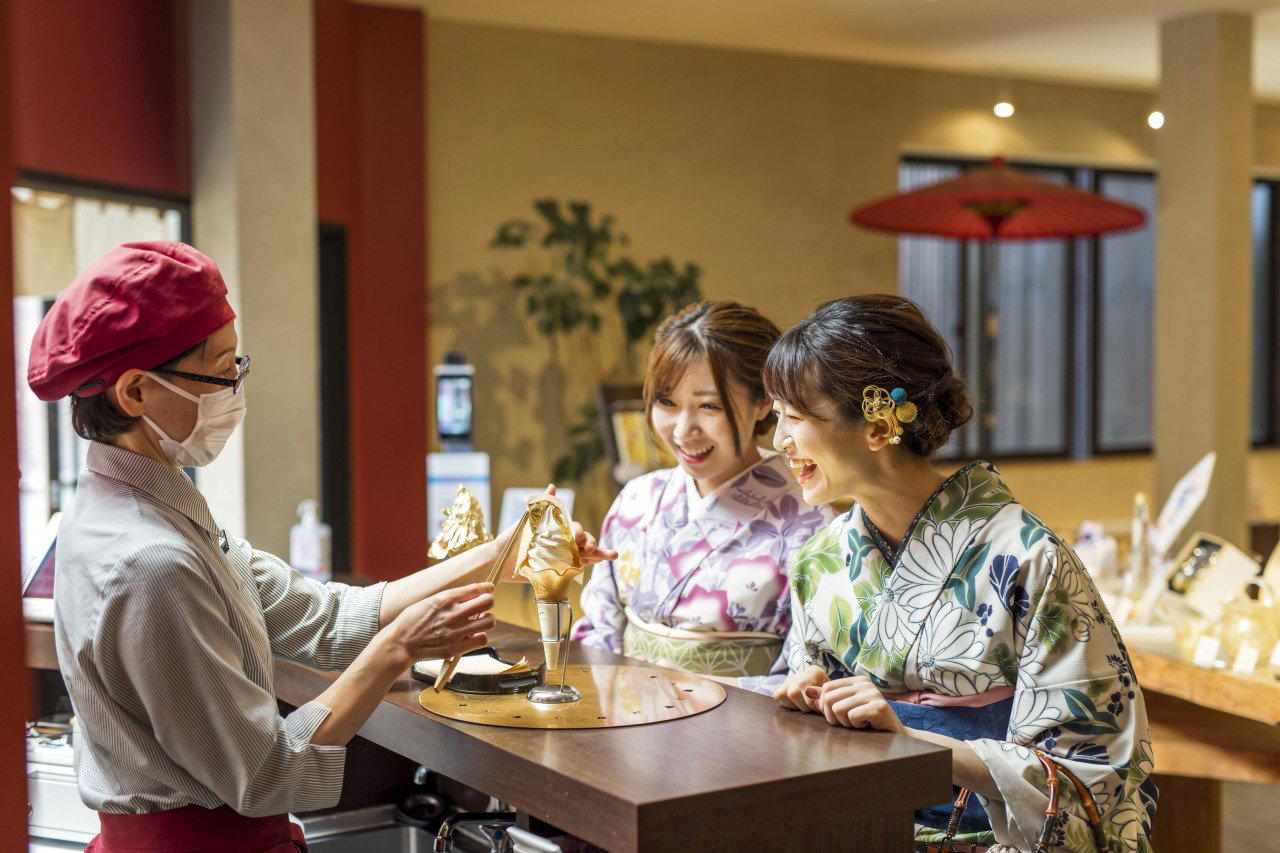
Kanazawa's Ingredient Logic and Where Hakuichi Fits
Few Japanese cities have as clear a culinary identity as Kanazawa. The former castle town of the Kaga Domain preserved its food culture across centuries of relative peace and prosperity, and the result is a dining scene built on specificity: Noto Peninsula crab and abalone, Ishikawa's mountain vegetables, aged salted fish from the Japan Sea coast. The city's kaiseki houses, yakitori counters, and specialty restaurants do not so much celebrate these ingredients as take them as given — a baseline expectation rather than a selling point. Into that context, Hakuichi operates as a venue where the sourcing logic of Kanazawa meets processing and presentation methods that draw from a wider technical vocabulary.
That intersection — local ingredients shaped by global technique, is increasingly the operative frame for understanding what distinguishes the upper tier of Kanazawa dining from simple regional cooking. Across Japan, restaurants working at that junction have accumulated serious recognition: HAJIME in Osaka applies scientific precision to Kansai produce; Gion Sasaki in Kyoto presses the kaiseki format through a contemporary lens; akordu in Nara imports Basque technique directly into the Yamato ingredient tradition. Hakuichi belongs to the same conversation, positioned within Kanazawa rather than outside it.
The Physical Register
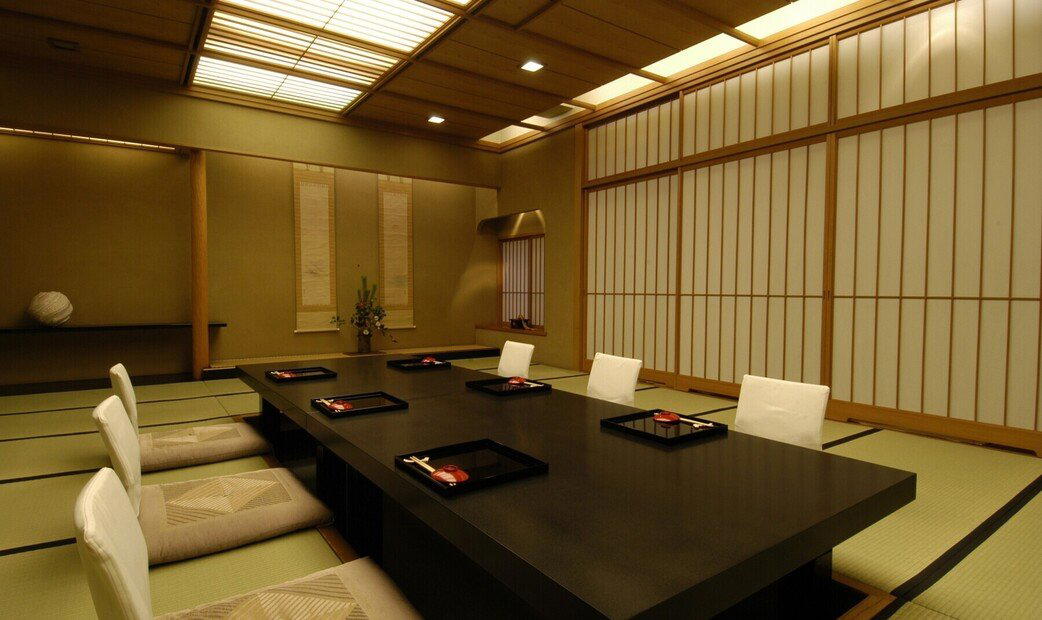
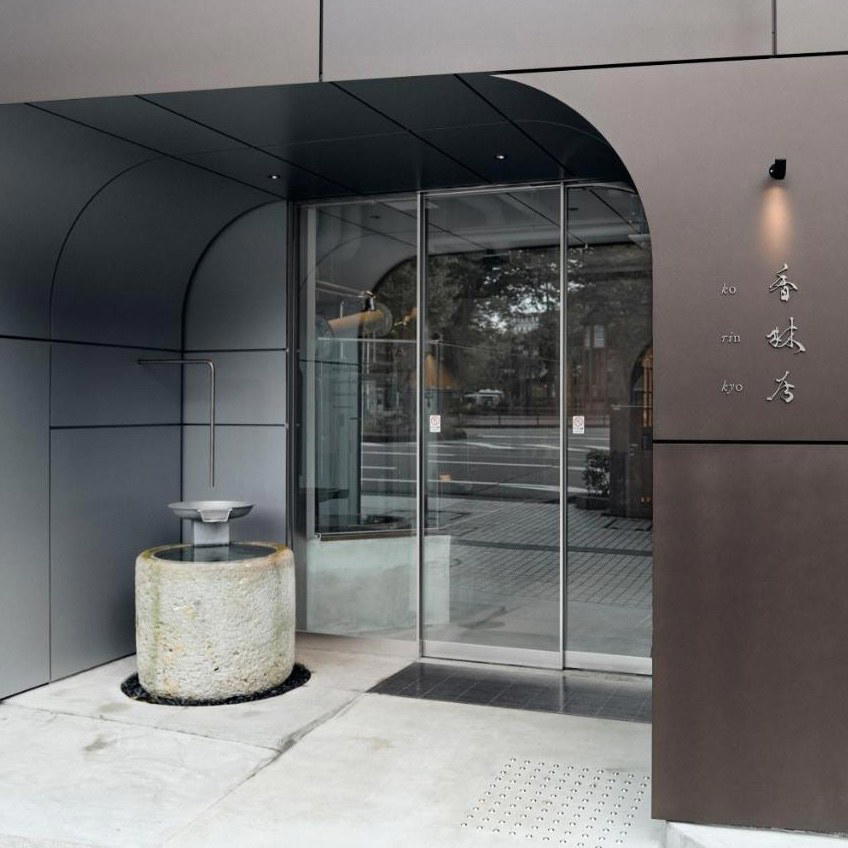
Kanazawa's dining interiors tend toward restraint. Dark timber, natural stone, ceramics from local kilns, and the kind of quiet that makes a single piece of crockery feel considered, these are the materials that signal serious intent here. The city's aesthetic inheritance from the Kaga clan runs through its craft traditions (Kutani porcelain, Kanazawa gold leaf, Wajima lacquerware), and its better restaurants use those craft objects as functional tableware rather than decoration. Approaching a venue like Hakuichi, the physical environment is not incidental to the meal; it is continuous with the ingredient and technique logic that structures the menu.
That continuity between room and plate is a marker of the city's dining ambition. Kanazawa's premium tier has grown steadily over the past decade, partly tracking domestic tourism from Tokyo and Osaka since the Hokuriku Shinkansen extension reached the city in 2015, and partly driven by international visitors seeking an alternative to the saturated Kyoto circuit. The shinkansen connection now puts Kanazawa roughly two and a half hours from Tokyo, which has reshaped the economics and expectations of the dining scene considerably.
Local Ingredients, Applied Methods
The editorial interest in Hakuichi lies specifically in the question of technique. Kanazawa's ingredient supply is not the constraint, Ishikawa Prefecture is one of the most productive prefectures in Japan for high-quality seafood and mountain produce. The constraint, historically, was that traditional preparation methods left certain qualities of those ingredients underexplored. What restaurants working at the intersection of local sourcing and imported method do is apply temperature control, fermentation knowledge, aging protocols, or textural approaches drawn from French, Spanish, Nordic, or contemporary Japanese fine dining to materials that have mostly been treated within a narrower technical range.
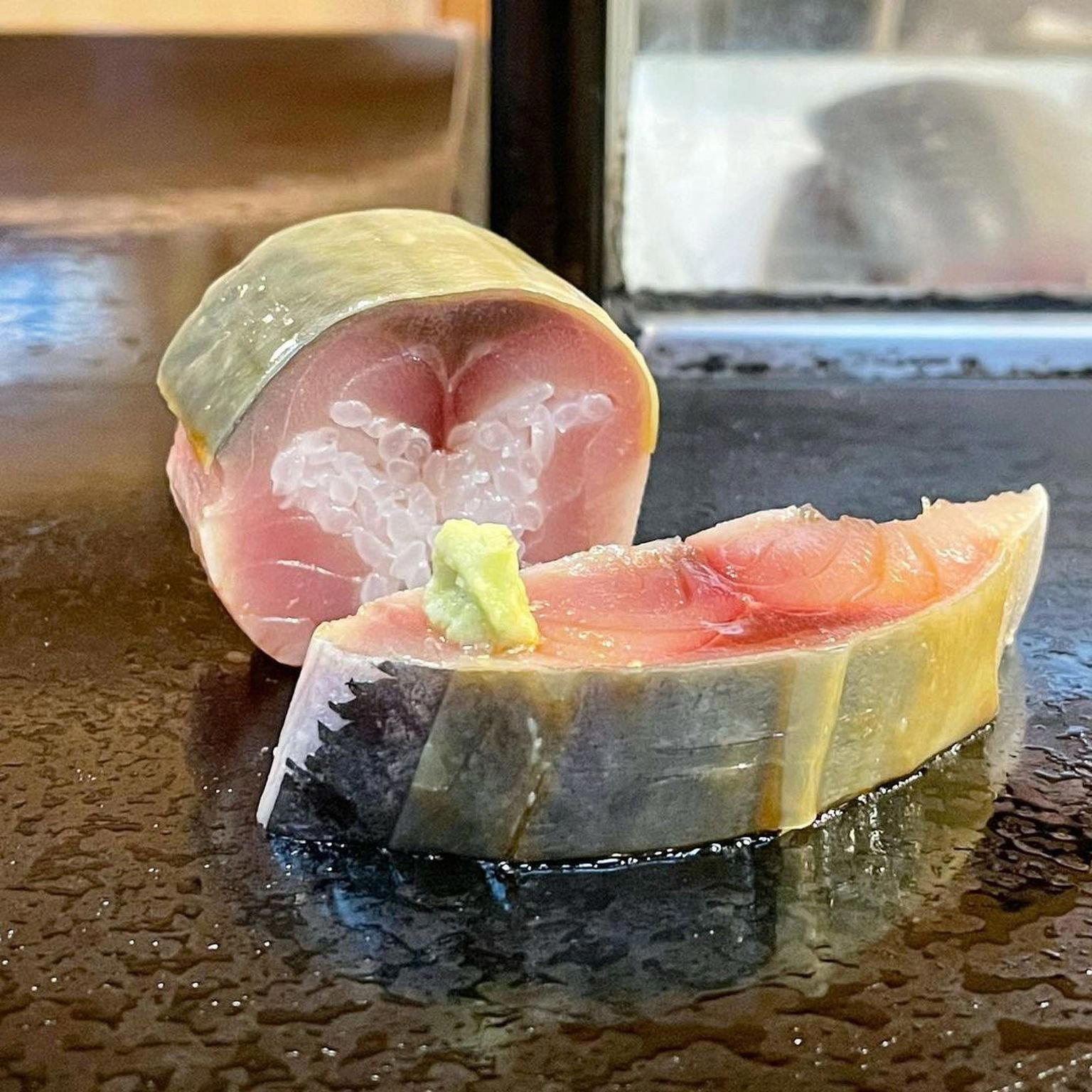
This is not fusion in the pejorative sense. At restaurants like Goh in Fukuoka or Harutaka in Tokyo, the technique serves the ingredient rather than replacing it. The benchmark for quality remains what the ingredient is, not what you can disguise it as. Hakuichi operates on that same principle, where the sourcing fidelity to Kanazawa's seasonal and geographic specificities is non-negotiable, and the technique is in service of making that fidelity legible on the plate.
Seasonality in Kanazawa is sharply defined. Winter brings the Kano-gani (male snow crab) season, which runs from November through March and is the most closely watched ingredient event in Ishikawa Prefecture. Autumn delivers matsutake mushrooms from the Noto hills. Spring and summer rotate through bamboo shoots, young sea bream, and the bay's smaller shellfish. A visit planned around a specific season will produce a significantly different meal than one taken at another time of year, which is precisely the point for visitors who understand how this tier of Japanese dining operates.
Within the city, Hakuichi sits alongside venues operating across several different format registers. Zeniya and Kataori represent the city's traditional kaiseki line, long-established, deeply local, and operating within formal structures that have changed slowly over decades. Respiracion brings an innovative Spanish frame to local produce, while Hamagurizaka Maekawa works the yakitori format with the same ingredient seriousness applied to grilled chicken and offal. Dokkan and Amanatto Kawamura extend the city's range into confectionery and specialty formats. Hakuichi's position within that set depends on the specific technique register it applies, which places it closer to the contemporary-method cohort than to the kaiseki traditionalists.
For visitors building a broader Japan itinerary, the comparison extends outward. Le Bernardin in New York City and Atomix in New York City both demonstrate what it looks like when a single ingredient philosophy is carried consistently across an entire tasting format, a useful reference point for understanding what distinguishes disciplined, technique-led cooking from simply ambitious cooking. Regional comparisons within Japan also illuminate Hakuichi's positioning: venues like a specialty restaurant in Nanao or its counterpart in Sapporo show how the local-ingredient, applied-technique model scales across different Japanese regional contexts. See our full Kanazawa restaurants guide for the broader city picture.
Planning a Visit
Kanazawa is most efficiently reached from Tokyo via the Hokuriku Shinkansen (approximately two and a half hours), or from Osaka by limited express train through the Thunderbird service. Given the current absence of confirmed booking details in the public record, visitors should treat reservation lead time as a variable and plan accordingly, the city's premium dining tier generally requires advance booking of several weeks, particularly during the winter crab season and the autumn foliage period. Venues in this tier in Kanazawa do not typically maintain English-language booking infrastructure, making concierge assistance particularly useful for international visitors. Budoonomori Les Tonnelles and Go! Go! Curry represent the broader range of the city's accessible dining options for days when the premium tier requires more planning than the schedule allows.
Comparable Options
A short peer table to compare basics side-by-side.
| Venue | Cuisine |
|---|---|
| HakuichiThis venue — the venue you are viewing | Not listed |
| Kataori | Kaiseki |
| Respiracion | Innovative Spanish |
| Sushi Kibatani | Chinese |
| Zeniya | Kaiseki |
| Hamagurizaka Maekawa | Yakitori |
Continue exploring
More in Kanazawa
Restaurants in Kanazawa
Browse all →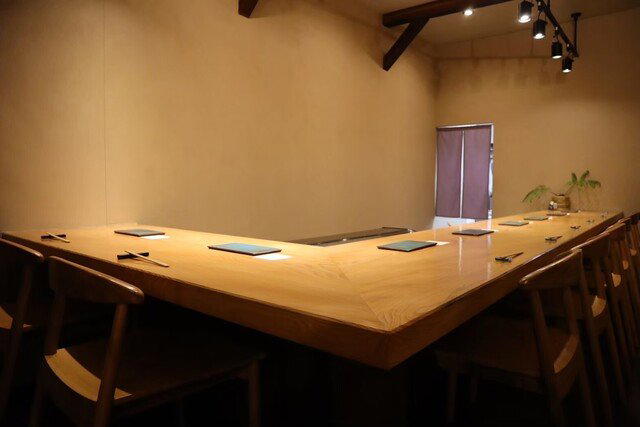
Bars in Kanazawa
Browse all →
Hotels in Kanazawa
Browse all →
Wineries in Kanazawa
Browse all →
At a Glance
- Cozy
- Elegant
- Modern
- Casual Hangout
- Solo
- Historic Building
- Sake Program
Relaxed and cheerful with table seating for unwinding amid gold leaf-themed decor.