

Kanazawa sushi has a different center of gravity from Tokyo: access to Hokuriku seafood, a compact counter culture, and a shokunin rhythm shaped by repetition rather than theatre. Otomezushi sits in that serious local tier, backed by Tabelog Award recognition and a 17-seat format that keeps the experience closer to a craft counter than a destination dining room.
Pearl is the En Primeur Club membership app — saves, bookings, and concierge access live there. Same editors, same standards.
- Address
- 4-10 Kiguramachi, Kanazawa, Ishikawa 920-0988, Japan
- Phone
- +81 76-231-7447
- Website
- tabelog.com
- Directions
- Get directions
 Saves & bookings on Pearl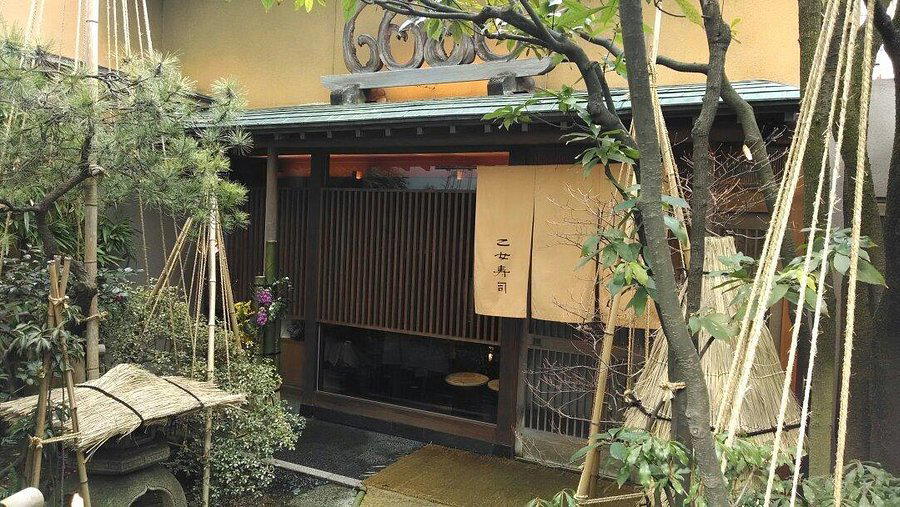
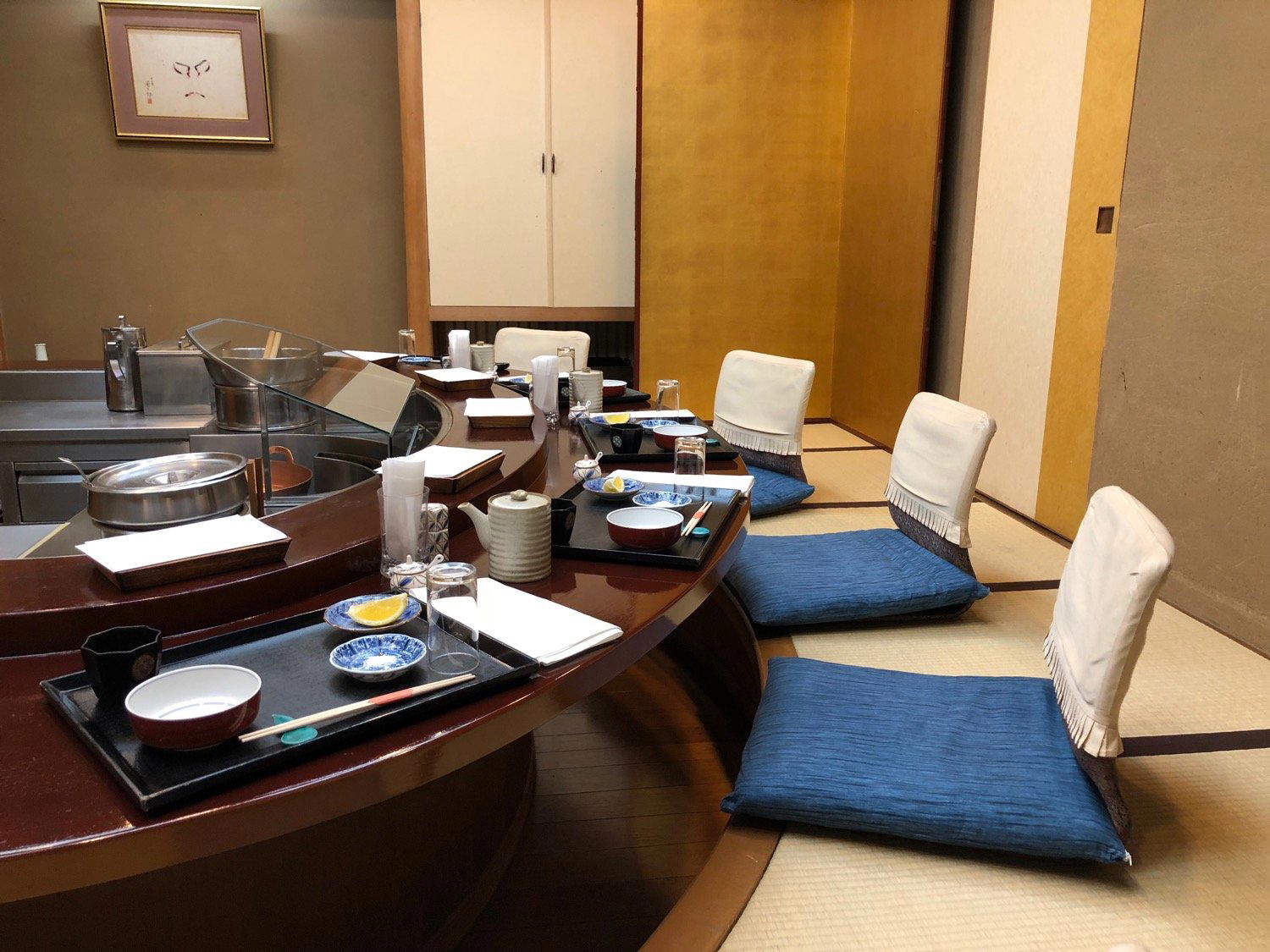
Kiguramachi is not Ginza, and that matters. The approach to serious sushi in Kanazawa is quieter, less staged around luxury codes, and more tied to the city’s proximity to the Sea of Japan. At Otomezushi, the room’s split between counter seats and tatami seating says much about Ishikawa dining culture: craft is central, but hospitality keeps one foot in the local house-restaurant tradition rather than the glass-box minimalism associated with capital-city sushi.
Kanazawa’s sushi scene rewards diners who understand apprenticeship as infrastructure. The shokunin model is not a decorative backstory; it is the operating system behind rice temperature, fish handling, pacing, and restraint. Chef Kazuhiko Tsurumi’s name matters less as biography than as a signal of accountability at the counter. In regional sushi, authority is earned through consistency across many small decisions, not through a parade of named luxury ingredients.
Kanazawa sushi, viewed through the discipline of the counter
The city’s strongest sushi counters benefit from geography before technique enters the frame. Hokuriku’s seafood culture gives Kanazawa a different vocabulary from Edo-mae Tokyo, where aging, curing, and vinegar work often dominate the conversation. Here, the point is not to imitate the capital. The more interesting question is how a counter interprets local supply without turning dinner into a tourist lesson about the coast.
Otomezushi belongs in the bracket where that question becomes serious. Tabelog lists it as a 2026 Bronze Award restaurant with a 4.25 score, after repeated Tabelog Award recognition across recent years and selection for Tabelog Sushi WEST 100 in 2025, 2022, and 2021. Those signals place it beyond casual neighborhood sushi and into the small group of Ishikawa counters that diners compare before planning a sushi-led trip.
The comparison within Ishikawa is useful because the prefecture has more than one sushi language. Komatsu Yasuke carries the weight of local sushi history, while Sushi Shinosuke and Taheizushi help define the contemporary field. Otomezushi sits among these as a compact, counter-led address rather than a broad-format restaurant, which is exactly why the apprenticeship frame fits: the meal’s authority comes from controlled repetition, not scale.
The shokunin frame matters more than spectacle
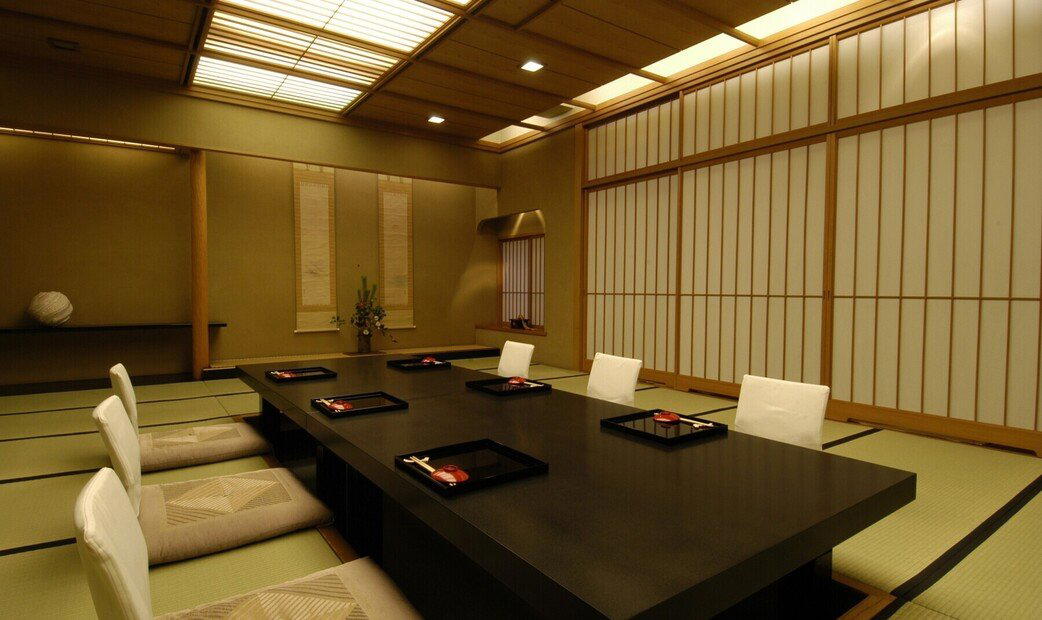
Japanese sushi writing often overuses the language of philosophy. The more useful reading is operational. A 17-seat restaurant with 9 counter seats and 8 tatami seats creates a narrow margin for error; every seating depends on tempo, preparation, and the ability to move between intimacy and formality without making the room stiff. That format rewards a chef who can work visibly while keeping the meal coherent for different kinds of diners, from solo counter guests to small groups.
The drink program points in the same direction. Sake and shochu are listed, with particular attention to sake, which is the expected pairing grammar for a sushi counter in this part of Japan. Nothing in the format suggests a wine-led international dining room. The emphasis remains Japanese, fish-driven, and anchored in the craft vocabulary that makes Kanazawa a serious sushi city rather than a side trip from Kyoto or Tokyo.
That restraint also explains why Otomezushi reads differently from broader Ishikawa dining rooms such as Tsubomi or Installation Table ENSO L'asymetrie du calme. Those names sit in a wider conversation about regional dining, tea-room aesthetics, and contemporary restaurant structure. Sushi counters operate under harsher constraints. Rice, fish, knife work, and pacing leave less room to hide behind concept.
The national comparison is also revealing. A Tokyo counter such as 3110, Sushi in Tokyo competes in a market where sushi is often framed by scarcity, international demand, and capital-city pricing. AKA to SHIRO, Sushi in Osaka belongs to a different urban rhythm again. Kanazawa asks a sharper regional question: what happens when the ingredients are close, the city is smaller, and the counter is expected to serve locals as well as travelers?
How to place it within an Ishikawa itinerary
For travelers, the decision is not whether Kanazawa can support a serious sushi meal. It can. The decision is how much of the trip should be built around a counter meal versus the city’s other dining and cultural formats. Otomezushi is a strong fit for diners who want the sushi portion of an Ishikawa itinerary to feel grounded in local practice rather than imported Tokyo ceremony.
The practical profile is compact: counter seating, tatami seating, non-smoking policy, credit-card acceptance, no dedicated parking, and family-friendly notation. Those details make the room more flexible than its award profile might suggest, though the meal remains in a premium sushi price band and should be treated with the respect that implies. The useful move is to plan the day around Kanazawa rather than treating dinner as an isolated trophy booking.
For broader context, use Our full Ishikawa restaurants guide to compare the prefecture’s dining range, then layer in Our full Ishikawa hotels guide, Our full Ishikawa bars guide, Our full Ishikawa wineries guide, and Our full Ishikawa experiences guide for the rest of the stay. Readers comparing Japanese dining styles beyond Ishikawa can also look at -Grilled beef Sukiyaki- KAMAKURA TANUKIAN 鎌倉 たぬき庵 in Kamakura. 鮪と炭火焼き うお炭 秋葉原店 in Tokyo.cafe in Osaka.know in Kumamoto, (Shoku) Vietnam in Kawasaki, and [Curry Senmon Ten] Maruyama Kyoju. in Sapporo to see how format changes the meaning of a meal across Japan.
The editorial verdict is simple: this is not a sushi counter for diners chasing spectacle. It is for travelers who understand that Kanazawa’s appeal lies in compression: strong product, disciplined handling, a small room, and a city where culinary seriousness does not need to announce itself loudly.
At-a-Glance Comparison
Comparable venues by cuisine and price in the same metro.
| Venue | Cuisine | Price | Awards | Notes |
|---|---|---|---|---|
| OtomezushiThis venue — the venue you are viewing | Traditional Japanese Omakase | $$$$ | Not listed | Not listed |
| Komatsu Yasuke | Well-known Kanazawa Sushi Omakase | $$$$ | Not listed | Hommachi |
| Sushi Shinosuke | Michelin-Starred Hokuriku Omakase Sushi | $$$$ | Not listed | Irie, Kanazawa |
| Taheizushi | Kanazawa-style Sushi | $$$ | Not listed | Nonoichi |
| L'Atelier de NOTO | Contemporary French with Noto Terroir | $$$$ | Not listed | Wajima |
| Installation Table ENSO L'asymetrie du calme | Modern French with Japanese influences | $$$$ | Michelin 2 Star | Nomachi |
Recognition history
Dated appearances from independent guides and award organizations, with the underlying list record or original source where available.
Tabelog Bronze #346
Tabelog
Opinionated About Dining Top Restaurants in Japan Ranked #216
Opinionated About Dining
Tabelog 100 #34 · No. 34
Tabelog · Tabelog 100 - Sushi - WEST - 2025
Tabelog Bronze
Tabelog
Opinionated About Dining Top Restaurants in Japan Ranked #183
Opinionated About Dining
Opinionated About Dining Top Restaurants in Japan Highly Recommended
Opinionated About Dining
Continue exploring
More in Ishikawa
Restaurants in Ishikawa
Browse all →
Bars in Ishikawa
Browse all →
Hotels in Ishikawa
Browse all →
Wineries in Ishikawa
Browse all →
At a Glance
- Intimate
- Elegant
- Sophisticated
- Date Night
- Solo
- Special Occasion
- Chefs Counter
- Sake Program
- Local Sourcing
- Sustainable Seafood
Current opening hours
- Monday
- 12–2 PM, 5–9 PM
- Tuesday
- 12–2 PM, 5–9 PM
- Wednesday
- Closed
- Thursday
- 12–2 PM, 5–9 PM
- Friday
- 12–2 PM, 5–9 PM
- Saturday
- 12–2 PM, 5–9 PM
- Sunday
- Closed
Hours can change for holidays and private events. Last verified .
Intimate counter seating in a tucked-away hideout with a traditional, relaxing atmosphere focused on the chef's craft.
Know Before You Go
- Reservations
- Essential
- Dress code
- Smart casual
- Getting there
- 4-10 Kiguramachi, Kanazawa, Ishikawa 920-0988, Japan