

Tabelog Bronze #195
Our verdict
Tempura Koizumi puts Kanazawa’s seasonal discipline into a nine-seat counter format, treating tempura less as a fried-food category than as a paced, multi-course progression. Its Tabelog Award 2026 Bronze recognition, Tabelog Tempura 100 selections, and OAD Japan Recommended listing place it in a serious national conversation rather than a local-only dining bracket.

Pearl is the En Primeur Club membership app — saves, bookings, and concierge access live there. Same editors, same standards.
- Address
- 4 Bancho-34 Ikedamachi, Kanazawa, Ishikawa 920-0987, Japan
- Phone
- +81 76-223-0023
- Hours
- Daily 12–2 PM, 6–8 PM
- Website
- tempura-koizumi.jp
- Directions
- Get directions
- Booking
- Book on the venue's website
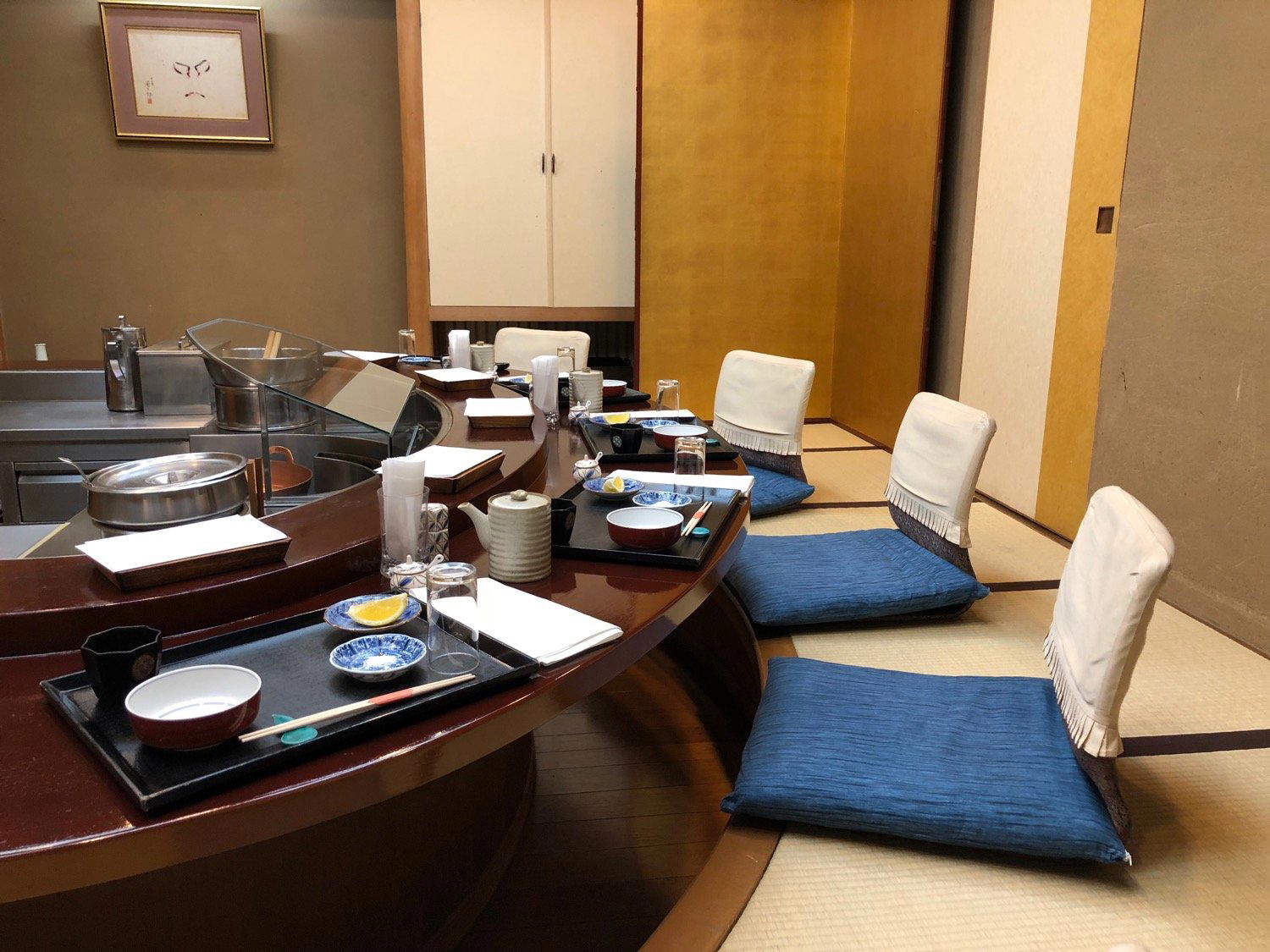
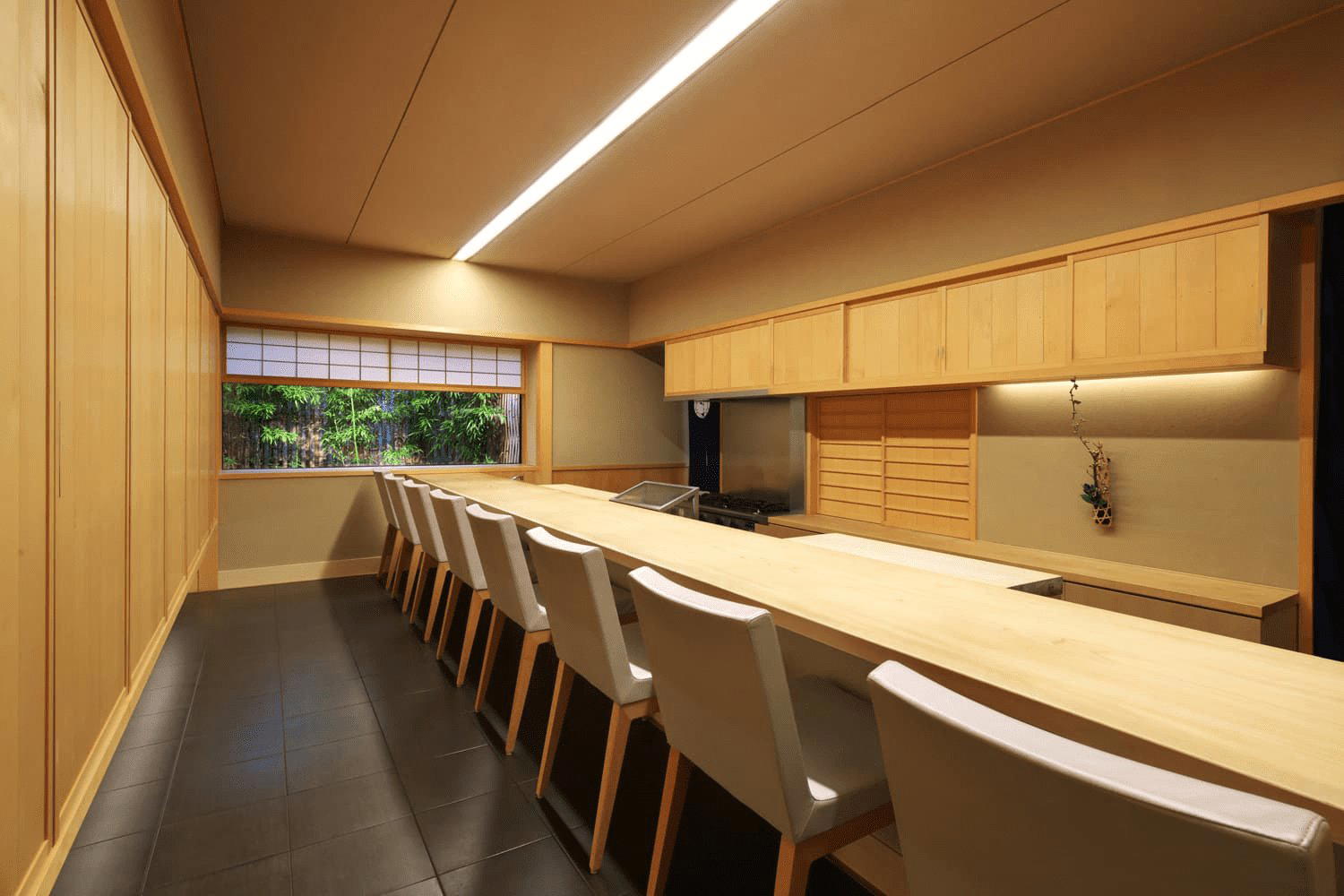
The room reads as a counter before a restaurant: nine seats, no private rooms, and a format that makes the fryer the focal point, not a background appliance. In Kanazawa, where seafood, vegetables, lacquerware, tea, and kaiseki manners carry unusual weight for a city of its size, that intimacy matters. Tempura here is not a casual add-on to soba or set-meal comfort; it is paced as a sequence, closer to kaiseki than to assorted fritters.
That is why Tempura Koizumi belongs in the conversation around serious Kanazawa dining. The city’s higher-end tables often trade on seasonality, restraint, and local produce, but tempura adds a different test: timing. Kaiseki can hold attention through vessels, broths, sashimi, grilled courses, and rice. A counter tempura meal has fewer hiding places. Batter, oil temperature, ingredient cut, and serving rhythm become the evening’s grammar.
Kanazawa seasonality, translated through a tempura counter
Kanazawa’s food culture is often described through abundance: Sea of Japan fish, Kaga vegetables, winter crab, mountain vegetables, and sweets linked to tea ceremony. The more useful lens is control. The city rewards kitchens that know when to stop. In tempura, restraint is structural. The ingredient arrives in a thin coat, the course lands quickly, and the diner reads the kitchen’s judgment in seconds rather than through a long sauce or garnish.
Tempura Koizumi, led by Seijiro Koizumi, uses the counter as a seasonal argument rather than theatre. The public signals are unusually strong for a specialist outside Tokyo: Tabelog Award 2026 Bronze, selections for Tabelog Tempura 100 in 2022, 2023, and 2025, and inclusion in Opinionated About Dining’s 2026 Top Restaurants in Japan Recommended list. These are not decorative badges. They indicate consistency in a category where small technical errors are immediately visible.
The kaiseki connection is not copying a tea-house meal course for course. It is cadence, hierarchy, and omission. A tempura progression must decide which ingredients deserve prominence, when richness should peak, and how the meal returns the palate to balance. Kanazawa’s stronger restaurants tend to value sequence over spectacle, and this counter fits that pattern.
Within Kanazawa, the useful comparison is between small specialist formats. Tempura Matoba gives the city another tempura reference point, while broader local listings such as 1/3 HAMBURGER FACTORY, 333, Aburi Niku Garan, and Ajiraku Yumemi show how varied the city’s dining map becomes beyond the postcard version of seafood and gold leaf. For a wider read, use Our full Kanazawa restaurants guide alongside Our full Kanazawa hotels guide, Our full Kanazawa bars guide, Our full Kanazawa wineries guide, and Our full Kanazawa experiences guide.
Why the national tempura context matters
Japan’s serious tempura counters form a narrower field than sushi, kaiseki, ramen, or yakitori in travel planning. Tokyo has a deeper bench and longer international attention, but not every non-Tokyo counter is secondary. Outside the capital, the strongest tempura rooms need technical credibility and a regional reason to exist. Kanazawa supplies the latter through produce, seasonality, and a dining culture already comfortable with quiet multi-course formats.
The comparison venues outside the city show that tempura’s premium tier is not monolithic. Kusunoki in Nagoya, Tenjaku, Enyuan Kobayashi, Tenboshi, and Tempura Naruse all sit in the broader national field, but price band, locality, and audience differ. Tempura Koizumi occupies a Kanazawa-specific lane: a small counter, award-backed tempura specialization, and a city context where seasonal progression is fluent.
For travelers building a Japan itinerary, the decision is practical as well as aesthetic. A Tokyo tempura reservation may carry more international name recognition, with venues such as Akita Tempura Mikawa, Tempura in Tokyo and Azabu Ichigo, Tempura in Tokyo serving as useful capital-city references. Kanazawa offers fewer seats, less metropolitan noise, and a culinary setting where a tempura counter can feel aligned with the city rather than imported into it.
That is also why the awards profile carries weight. Tabelog’s Bronze level and Tempura 100 selections point to sustained domestic recognition, while OAD’s Japan Recommended listing places the restaurant within a wider group of serious Japanese tables. The Tabelog score in the low 4s reinforces the same point: this is a narrow, specialist address with enough public consensus to matter, not merely a local curiosity.
The reader decision: choose it for discipline, not spectacle
The right diner is interested in progression, temperature, and the discipline of a small counter. The wrong diner wants a broad à la carte evening or loose group dinner. Counter tempura compresses the relationship between cook and guest; absorbing, but not flexible. It rewards attention.
Kanazawa’s appeal often lies in how compactly it holds craft traditions, from ceramics and lacquer to seafood markets and tea culture. Tempura Koizumi fits that logic because the meal depends on small adjustments rather than grand gestures. A nine-seat counter changes the stakes: the experience is shaped by pacing and concentration, not room design or social sprawl.
For readers comparing categories across Japan, this is not the same decision as choosing a regional casual stop such as -Grilled beef Sukiyaki- KAMAKURA TANUKIAN 鎌倉 たぬき庵 in Kamakura, a Tokyo charcoal-and-tuna address like. 鮪と炭火焼き うお炭 秋葉原店 in Tokyo, a cafe stop such as.cafe in Osaka, a contemporary Kumamoto listing like.know in Kumamoto, a Vietnamese table such as (Shoku) Vietnam in Kawasaki, or a curry specialist like [Curry Senmon Ten] Maruyama Kyoju. in Sapporo. This is narrower: a Kanazawa tempura counter for diners who want the city’s seasonal grammar expressed through oil, batter, and sequence.
The editorial case is clear. Tempura Koizumi is not valuable because Kanazawa lacks good restaurants; it is valuable because the city’s kaiseki-minded restraint gives a tempura counter the right cultural frame. In a country where the category ranges from inexpensive lunch sets to rigorous counter dining, this address belongs in the latter conversation.
Frequently asked questions
Is Tempura Koizumi a family-friendly restaurant?
The listing does not flag it as family-friendly, and the room is a 9-seat counter in Kanazawa. That setup suits diners who are comfortable with focused counter service more than large family groups.
Is Tempura Koizumi formal or casual?
It reads as formal-counter dining rather than casual. Reservation-only service, a 9-seat counter, and a 5% service charge place Tempura Koizumi in a composed, appointment-led format.
What type of food is Tempura Koizumi known for?
Tempura Koizumi serves Tempura cuisine.
What is Tempura Koizumi known for?
Tempura Koizumi is primarily known for Tempura in Kanazawa.
Snapshot
Comparable venues by cuisine and price in the same metro.
| Venue | Cuisine | Price | Awards | Notes |
|---|---|---|---|---|
| Tempura KoizumiThis venue — the venue you are viewing | Michelin-Starred Tempura Omakase | $100–150 | Tabelog Bronze #195 | Not listed |
| Hamagurizaka Maekawa | Yakitori | $150–200 | Not listed | Kanazawa |
| 貴船 | Traditional Kaga Kaiseki | $150–200 | Not listed | Kanazawa |
| Sakai | Japanese Kaiseki | $50–100 | Not listed | Kanazawa |
| Tobi | High-end Kanazawa Sushi Omakase | $100–150 | Tabelog 100 #43 | Kanazawa |
| さかい | Japanese Kaiseki | $50–100 | Not listed | Kiguramachi |
Recognition history
Dated appearances from independent guides and award organizations, with the underlying list record or original source where available.
Opinionated About Dining Top Restaurants in Japan Recommended
Opinionated About Dining
Tabelog Bronze #195
Tabelog
Full recognition history (4 entries)
Opinionated About Dining Top Restaurants in Japan Ranked #617
Opinionated About Dining
Tabelog 100 #23 · No. 23
Tabelog · Tabelog 100 - Tempura - 2025
Continue exploring
More in Kanazawa
Restaurants in Kanazawa
Browse all →
Bars in Kanazawa
Browse all →
Hotels in Kanazawa
Browse all →
Wineries in Kanazawa
Browse all →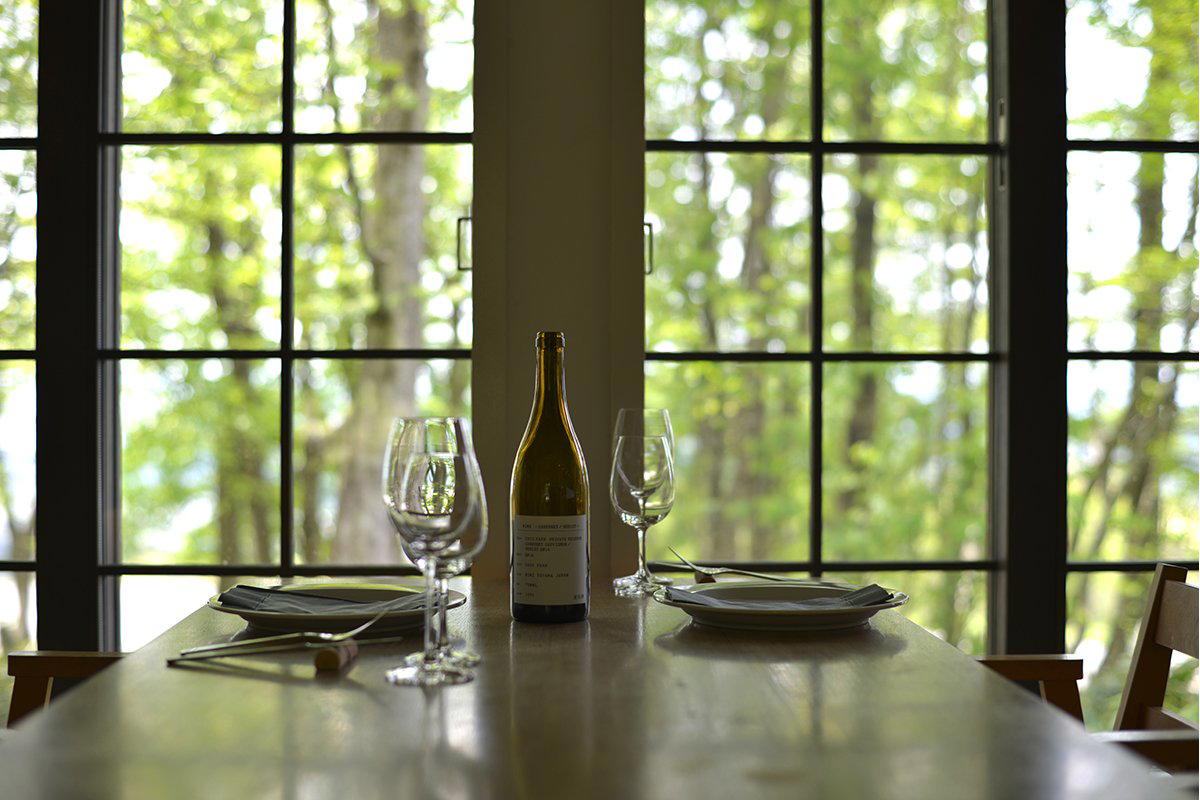
Details
- Intimate
- Elegant
- Quiet
- Sophisticated
- Special Occasion
- Date Night
- Chefs Counter
- Sake Program
- Local Sourcing
- Omakase
- Counter Dining
- Sake
Current opening hours
- Monday
- 12–2 PM, 6–8 PM
- Tuesday
- 12–2 PM, 6–8 PM
- Wednesday
- 12–2 PM, 6–8 PM
- Thursday
- 12–2 PM, 6–8 PM
- Friday
- 12–2 PM, 6–8 PM
- Saturday
- 12–2 PM, 6–8 PM
- Sunday
- 12–2 PM, 6–8 PM
Hours can change for holidays and private events. Last verified .
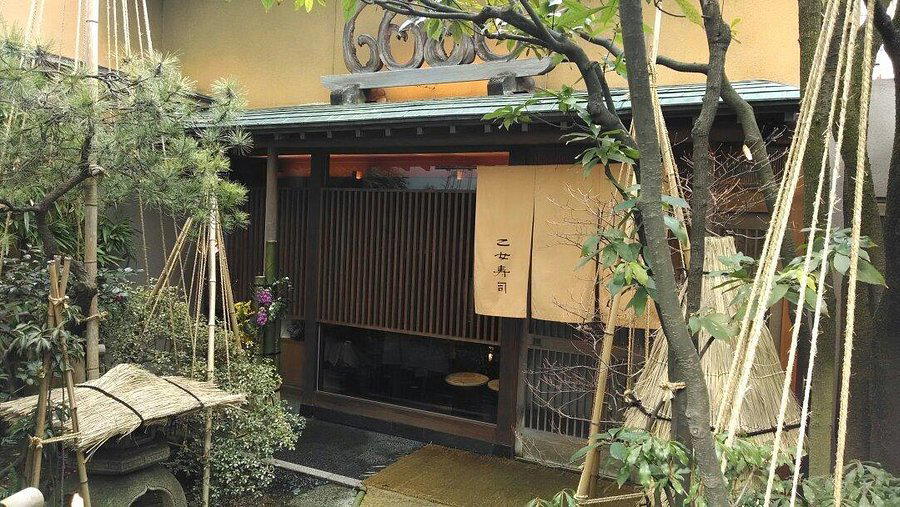
Intimate counter seating in a serene traditional Japanese house with calm, focused atmosphere centered on the chef's craft.