Dokkan occupies a quiet address in Shimenomachi, one of Kanazawa's preserved heritage districts, where the city's tradition of refined local craft extends naturally into its dining culture. Positioned within a scene that includes kaiseki stalwarts and specialist counter formats, Dokkan represents the kind of address that rewards visitors already familiar with what Kanazawa asks of its restaurants.
Pearl is the En Primeur Club membership app — saves, bookings, and concierge access live there. Same editors, same standards.
- Address
- Ro-310 Shimenomachi, Kanazawa, Ishikawa 920-0059, Japan
- Phone
- +81762687877
- Website
- gourmet.tsuku2.jp
- Directions
- Get directions
 Saves & bookings on Pearl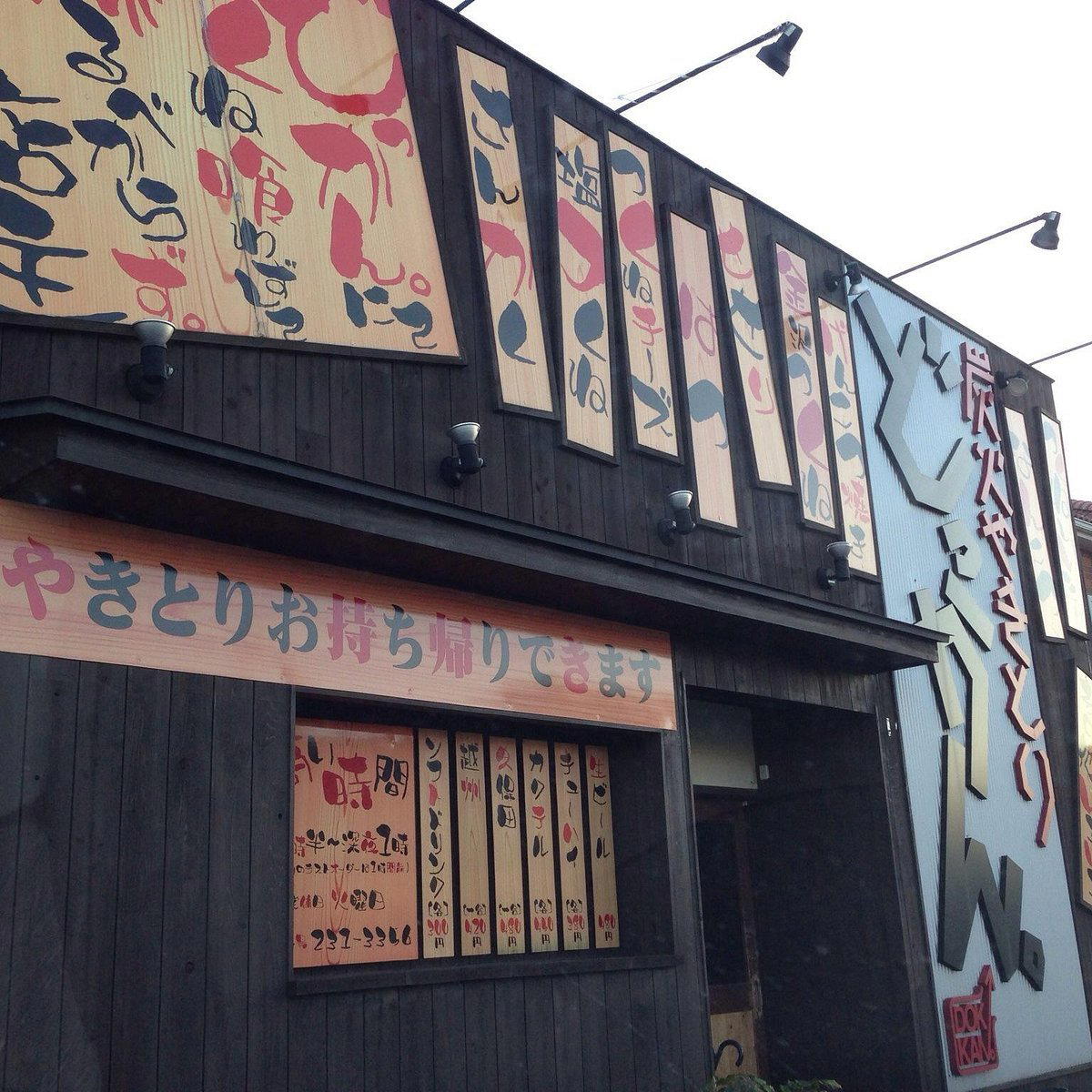
Shimenomachi and the Logic of Kanazawa's Dining Districts
Kanazawa has a specific geography of seriousness when it comes to restaurants. The city's most considered addresses tend to cluster in or near its preserved machiya districts, where the physical fabric of old merchant and samurai quarters sets a quiet register that dining rooms here seem to honour. Shimenomachi, where Dokkan sits at Ro-310, belongs to that fabric. It is not the city's most tourist-trafficked neighbourhood, which is precisely the point: restaurants that establish themselves here are speaking to a local and repeat-visitor clientele rather than to foot traffic off the Kenroku-en path.
That neighbourhood logic matters in Kanazawa more than in most Japanese cities of comparable size. Kyoto's restaurant culture is legible to international visitors partly because of Michelin infrastructure and English-language coverage. Kanazawa's equivalent scene, which includes kaiseki institutions like Zeniya and Kataori alongside counter specialists and inventive formats like Budoonomori Les Tonnelles, operates with less external annotation. You need to know where to look, and addresses in districts like Shimenomachi tend to reward that prior knowledge.
Where Dokkan Sits in Kanazawa's Restaurant Ecology
Kanazawa's dining spectrum runs from the deeply formal kaiseki format, through yakitori specialists like Hamagurizaka Maekawa, to casual Kanazawa-style curry counters such as Go! Go! Curry, and the city also has a well-developed tradition of confectionery addressed by spots like Amanatto Kawamura. What the address itself communicates, however, is intent: Shimenomachi restaurants do not rely on passing trade.
For the visitor who has already moved through Kanazawa's more immediately accessible options and is looking for the next layer, this kind of address tends to function as a marker. Japan's regional restaurant culture beyond Tokyo and Kyoto rewards exactly this kind of investigative approach. Cities like Fukuoka (where Goh operates), Osaka (home to HAJIME), and Nara (where akordu has established itself) each have a secondary tier of addresses that the first-time visitor misses entirely. Kanazawa is no different.
The Shimenomachi Approach: What the Location Tells You
Japanese restaurant culture frequently embeds meaning in location choices that Western visitors under-read. A Shimenomachi address in Kanazawa signals several things simultaneously: proximity to the city's historic craft traditions, a neighbourhood residential character that favours regulars over tourists, and a physical context in which the building itself carries historical weight. Kanazawa escaped wartime bombing that reshaped most other Japanese cities, and the result is an unusually intact urban fabric that its restaurants inhabit rather than merely reference.
That intact fabric is also what makes Kanazawa's restaurant scene feel distinctive when set against peer cities on Japan's Sea of Japan coast. The city's craftwork tradition, gold leaf production, Kutani ceramics, and Kenzan lacquerware create a material culture that local restaurants frequently draw on for tableware and presentation. A restaurant address in Shimenomachi is, in that sense, adjacent to the production as much as to the consumption. The Hakuichi gold leaf tradition visible elsewhere in the city is part of the same craft continuum that serious Kanazawa restaurants engage with, whether through ceramics, lacquerware, or the seasonal ingredient sourcing that Ishikawa Prefecture's fishing ports and mountain foraging grounds make possible.
Regional Comparison: What Kanazawa Offers Beyond the Obvious
Visitors mapping Japan's serious dining destinations tend to anchor on Tokyo and Kyoto, with Osaka as a secondary stop. The case for Kanazawa at the level of considered dining is built on ingredient access and cultural specificity rather than on Michelin density. The prefecture's Sea of Japan coastline produces crab, yellowtail, and shellfish under conditions quite different from Pacific-facing fisheries, and the city's relative distance from Tokyo's gravitational pull means that ingredient streams have not been fully absorbed into the capital's supply chains.
That ingredient logic runs through Kanazawa's restaurant scene in a way that distinguishes it from, say, the more internationally legible fine dining of Harutaka in Tokyo or the formally awarded kaiseki of Gion Sasaki in Kyoto. Kanazawa's strongest addresses work with a specific local palette. Japan's broader regional dining depth is also visible in cities like Ashiya, where Abon operates, or further north in Akita, where affetto akita represents a similar pattern of serious cooking anchored in regional produce away from the main tourist circuits. Dokkan's Shimenomachi location places it in this broader pattern of Japanese regional dining that operates at a high level precisely because it is not chasing external validation.
Planning a Visit: What to Know in Advance
Venue-specific data for Dokkan, including confirmed hours, booking method, pricing, and cuisine format, was not available at the time of publication. For any Kanazawa address operating in a heritage district context, it is worth assuming that advance contact is preferable to walk-in attempts, and that English-language reservations may require a hotel concierge or a Japanese-speaking intermediary, particularly for smaller or more specialist formats. Kanazawa's dining scene, like those of other second-tier Japanese cities, can present a higher friction level for independent international visitors than Tokyo or Osaka. That friction is part of the calculus: the addresses that require more effort to book tend to be the ones that deliver the most specific experience.
For a fuller picture of where Dokkan sits within the city's options, our full Kanazawa restaurants guide maps the scene across cuisine types, price tiers, and neighbourhood character. Visitors building a Kanazawa itinerary should also consider how the city's dining compares to other Japan stops. For reference points at the higher end of Japanese regional cooking, Aji Arai in Oita, Ajidocoro in Yubari District, and Akakichi in Imabari offer a comparative sense of how different regional centres approach serious dining outside the major cities. For international reference points at the formal end of the spectrum, Le Bernardin in New York City and Lazy Bear in San Francisco illustrate the kind of commitment to format and sourcing that serious diners use to calibrate expectations before approaching a new city's specialist addresses.
How Dokkan Kanazawa compares with similar nearby venues.
| Venue | Cuisine | Price |
|---|---|---|
| Sushi Shinosuke | Sushi | Not listed |
| 1/3 HAMBURGER FACTORY | Not listed | JPY 2,000 - JPY 2,999 JPY 2,000 - JPY 2,999 |
| Teuchi Soba Koyori | Not listed | JPY 2,000 - JPY 2,999 |
| Suzume Kanazawa hyakubangai ten | Not listed | JPY 999 |
Continue exploring
More in Kanazawa
Restaurants in Kanazawa
Browse all →
Bars in Kanazawa
Browse all →
Hotels in Kanazawa
Browse all →
Wineries in Kanazawa
Browse all →
At a Glance
- Cozy
- Intimate
- Casual Hangout
- After Work
- Sake Program
Current opening hours
- Monday
- Closed
- Tuesday
- Closed
- Wednesday
- 5–11 PM
- Thursday
- 5–11 PM
- Friday
- 5–11 PM
- Saturday
- 5–11 PM
- Sunday
- 5–11 PM
Hours can change for holidays and private events. Last verified .
Know Before You Go
- Getting there
- Ro-310 Shimenomachi, Kanazawa, Ishikawa 920-0059, Japan