
Michelin Selected
KUMU Kanazawa by THE SHARE HOTELS is a Michelin Selected property in Kanazawa, a city where craft tradition and design sensitivity run deeper than almost anywhere else in Japan. The hotel occupies a position within the design-led, locally rooted tier of Japanese accommodation, where material choices and spatial atmosphere do more editorial work than brand scale or room count.

Pearl is the En Primeur Club membership app — saves, bookings, and concierge access live there. Same editors, same standards.
- Address
- 2-40 Kamitsutsumicho, Kanazawa, Ishikawa 920-0869, Japan
- Phone
- +81 76-282-9600
- Website
- thesharehotels.com
- Directions
- Get directions
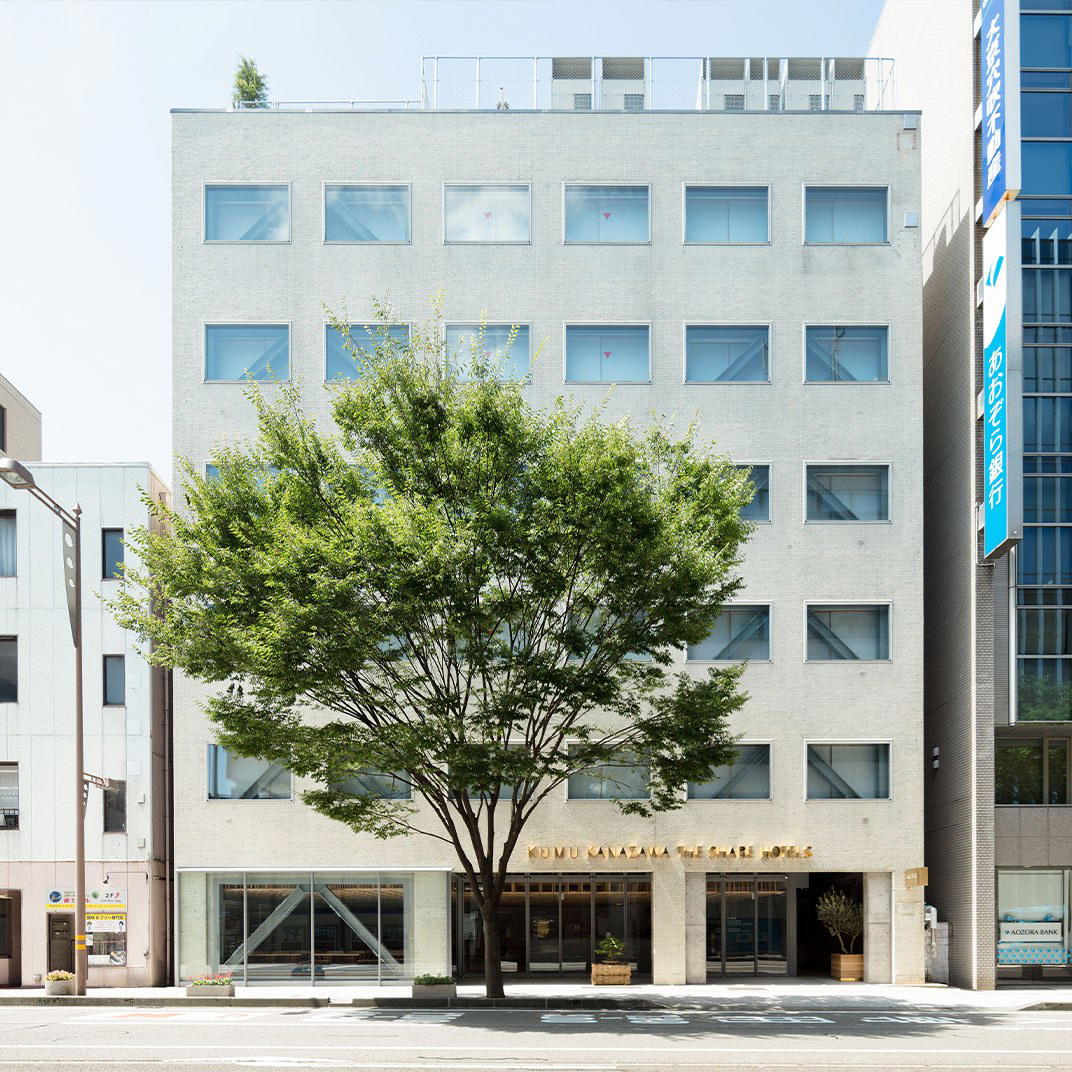
Where Kanazawa's Craft Tradition Meets Contemporary Lodging
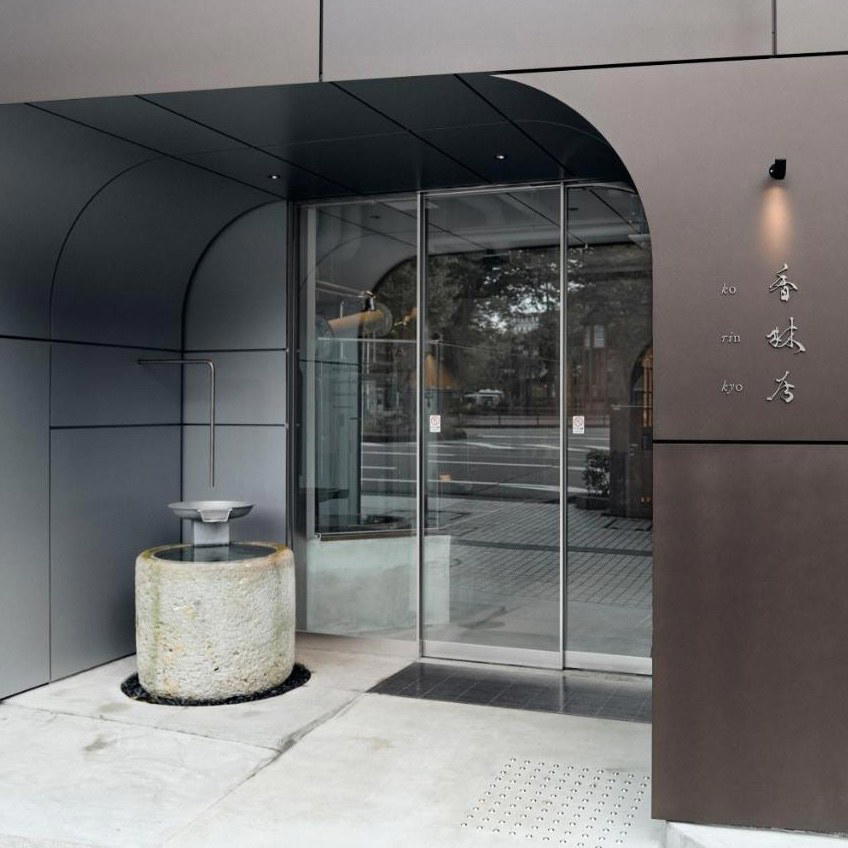
Kanazawa has long operated as Japan's counterweight to Kyoto: a city that preserved its artisan culture through deliberate geographic isolation and escaped wartime bombing, which means its machiya townhouses, lacquerware workshops, and temple districts arrived intact into the present. That intact quality shapes how the city's better properties are built and positioned. Korinkyo anchors one end of the local premium spectrum; KUMU Kanazawa by THE SHARE HOTELS sits at a different coordinate — design-forward, accessible in register, but still disciplined about where and how it places itself within the city's physical fabric.
The address — 2-40 Kamitsutsumicho, places the hotel in Kanazawa's older urban grain, a neighbourhood where the street scale is human and the buildings carry material weight rather than glass-and-steel anonymity. Across Japan's boutique hotel circuit, THE SHARE HOTELS has developed a consistent approach: identify cities with strong local identity, find buildings or sites that absorb rather than reject that identity, and produce properties that feel authored rather than templated. KUMU Kanazawa is that approach applied to one of Japan's most demanding design contexts.
The Architecture of Restraint
Japan's design-led hotel cohort has fractured into two recognisable camps over the past decade. One group pursues minimalist abstraction, the Zen-adjacent aesthetic that works as a universal shorthand for Japanese hospitality. The other group leans into regional material specificity: the particular cedar of a given prefecture, the stone quarried within thirty kilometres, the lacquer technique of the local craft guild. THE SHARE HOTELS tends toward the second camp, and in Kanazawa that tendency is well-supported by context.
Kanazawa is Japan's largest producer of gold leaf, responsible for more than ninety percent of domestic output. It maintains living traditions in Kenroku-en garden design, Kaga Yuzen silk dyeing, Kutani porcelain, and Wajima lacquerware. A hotel that engages seriously with that material culture, rather than gesturing at it through a lobby display case, reads differently than a property that imports its design vocabulary wholesale. KUMU Kanazawa's spatial choices reflect this. The interiors work with texture, warmth, and material reference in ways that place the building in conversation with the city's craft heritage without pastiche.
That positioning matters for a specific category of traveller: those who want design intelligence evident in the construction rather than declared in the brochure. Across Japan's mid-to-premium boutique tier, the properties that hold their reputation longest tend to be the ones where the architecture does the most work. Compare this with internationally branded properties in Tokyo like Bvlgari Hotel Tokyo in Tokyo, which operates at a fundamentally different price register and brand logic, or with HOTEL THE MITSUI KYOTO in Kyoto, which draws from a heritage site framework. KUMU Kanazawa is neither of those things. It is a smaller, more specific proposition, and that specificity is its argument.
Michelin Selection and What It Signals Here
KUMU Kanazawa by THE SHARE HOTELS holds a MICHELIN Selected designation in the 2025 Michelin Hotels guide, placing it within the tier of properties that Michelin's inspectors judge to offer a consistent, high-quality experience without necessarily matching the room count or amenity stack of the guide's higher distinction holders. In Japan's hotel landscape, that tier is genuinely competitive: the country produces more Michelin Selected properties than almost any other, and inclusion requires that inspectors find the property coherent and well-executed across multiple assessment visits.
For Kanazawa specifically, Michelin recognition carries additional weight because the city is still developing its international accommodation profile. Properties that secure early inspector attention tend to define visitor expectations for the destination as a whole. Understanding that distinction matters when booking: you are choosing a spatially considered city base, not a retreat with outdoor baths and kaiseki set over three courses.
Japan's Craft-Hotel Circuit in Context
Japan has produced a generation of properties that treat hospitality design as a form of cultural argument. Zaborin in Kutchan applies that logic to Hokkaido's winter landscape. Benesse House in Naoshima fuses art institution with accommodation. Satoyama-Jujo in Niigata anchors itself to local food tradition and farming culture. What these properties share is a refusal to treat the building as neutral container. KUMU Kanazawa operates inside the same logic, with Kanazawa's specific craft density as its material.
That density makes Kanazawa an unusually strong host city for this kind of approach. Visitors can move from the hotel into the Higashi Chaya geisha district, through the 21st Century Museum of Contemporary Art (which introduced a generation of travellers to Kanazawa as a design destination), and across to working Kenroku-en without the city ever feeling thin or manufactured. The hotel sits within a city that justifies the proposition rather than just decorating it.
For travellers building a broader Japan itinerary, Kanazawa connects logically to the Japan Sea coast's quieter cultural circuit. Properties like Nishimuraya Honkan in Kinosaki-cho and Asaba in Izu represent adjacent points on the heritage accommodation spectrum, though each operates from a very different building type and service format. See our full Ishikawa Prefecture restaurants guide for the dining context that should surround a stay here.
Planning a Stay
Kanazawa is accessible from Tokyo in approximately two and a half hours via the Hokuriku Shinkansen, which opened the city to short-break visitors from the capital and shifted the accommodation market noticeably upward in quality expectations since 2015. Spring cherry blossom at Kenroku-en and autumn foliage draw the highest visitor volumes; winter is less crowded and the snow-covered garden is frequently cited as its most atmospheric state. Booking KUMU Kanazawa through standard channels applies, and given the Michelin recognition and the city's growing profile, advance reservation in peak seasons is advisable. The hotel's city-centre location means Kanazawa's walkable districts, Higashi Chaya, Omicho Market, the 21st Century Museum, are reachable on foot, which matters for a city where the detail is in the street-level texture rather than the landmark set pieces.
Travellers who appreciate design-led accommodation in culturally specific Japanese cities might also consider Fufu Nikko in Nikko, Fufu Kawaguchiko in Fujikawaguchiko, Fufu Kyu-Karuizawa Restful Forest in Karuizawa, Nasu Mukunone in Nasu, or Kamenoi Besso in Yufu as part of a wider itinerary. For island and coastal alternatives, Jusandi in Ishigaki, Halekulani Okinawa in Okinawa, The Hiramatsu Hotels & Resorts Ginoza in Ginoza, and GOTO RETREAT by Onko Chishin in Goto each offer distinct propositions at the premium end of Japanese coastal hospitality. Those extending their trip internationally might benchmark the design-led format against very different reference points: The Fifth Avenue Hotel in New York City, Badrutt's Palace Hotel in St. Moritz, or Hôtel de Paris Monte-Carlo in Monte Carlo represent what heritage-anchored luxury looks like at very different scales and in very different markets. Also worth noting in the Japan sea region: Sekitei in Hatsukaichi-shi and Atami Izusan Karaku in Atami offer contrasting takes on coastal Japanese hospitality.
In Context: Similar Options
| Venue | Price | Awards |
|---|---|---|
| KUMU Kanazawa by THE SHARE HOTELSThis venue — the venue you are viewing | $100–200 | Michelin Selected |
| Bvlgari Hotel Tokyo | Not listed | 3 Michelin Keys · World's 50 Best #24 |
| Aman Kyoto | Not listed | 2 Michelin Keys · World's 50 Best #74 |
| Aman Tokyo | Not listed | 2 Michelin Keys · World's 50 Best #11 |
| Palace Hotel Tokyo | Not listed | 3 Michelin Keys · World's 50 Best #73 |
| Amanemu | Not listed | 3 Michelin Keys · La Liste Top Hotels |
Recognition history
Dated appearances from independent guides and award organizations, with the underlying list record or original source where available.
Michelin Selected
Michelin
Continue exploring
More in Ishikawa
Hotels in Ishikawa
Browse all →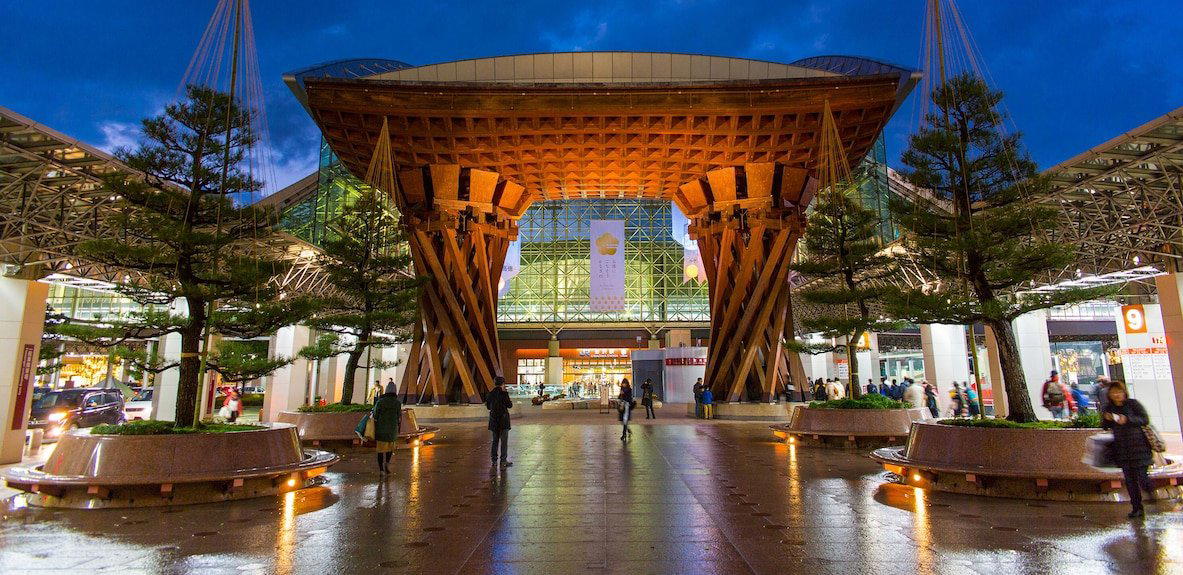
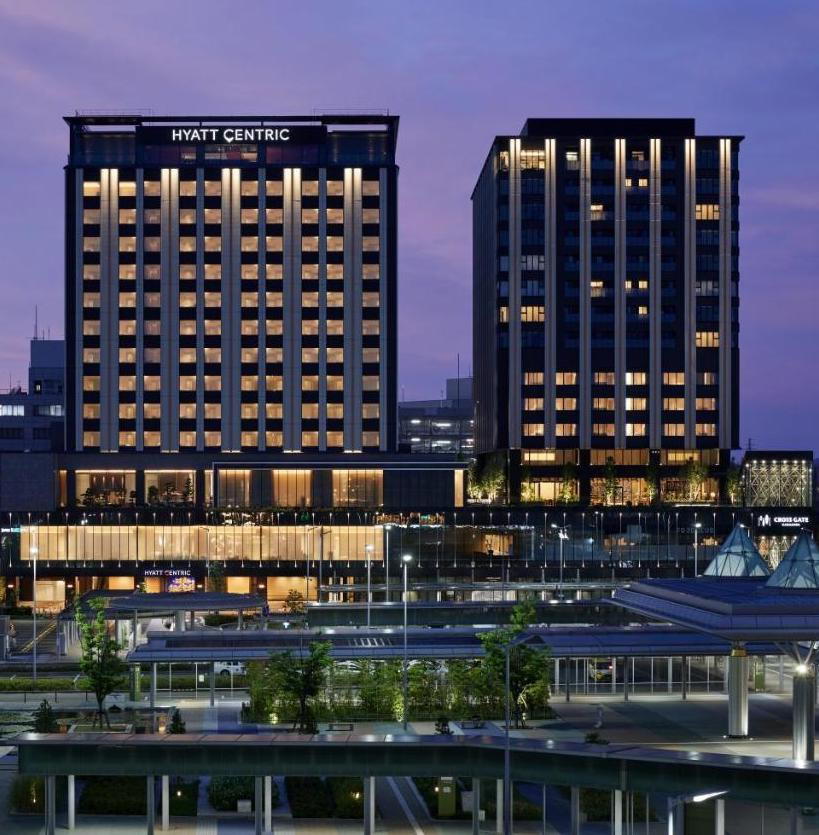
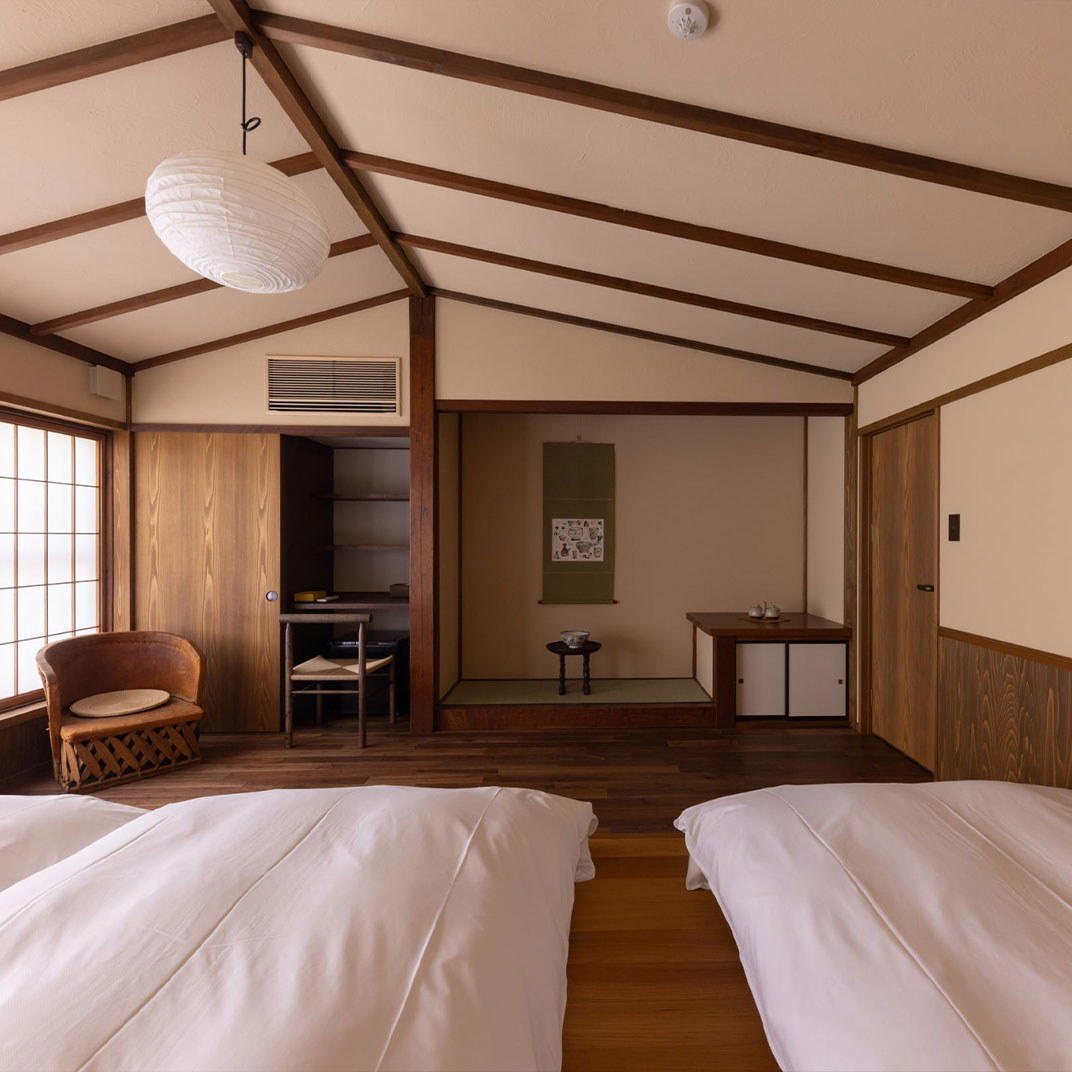
Bars in Ishikawa
Browse all →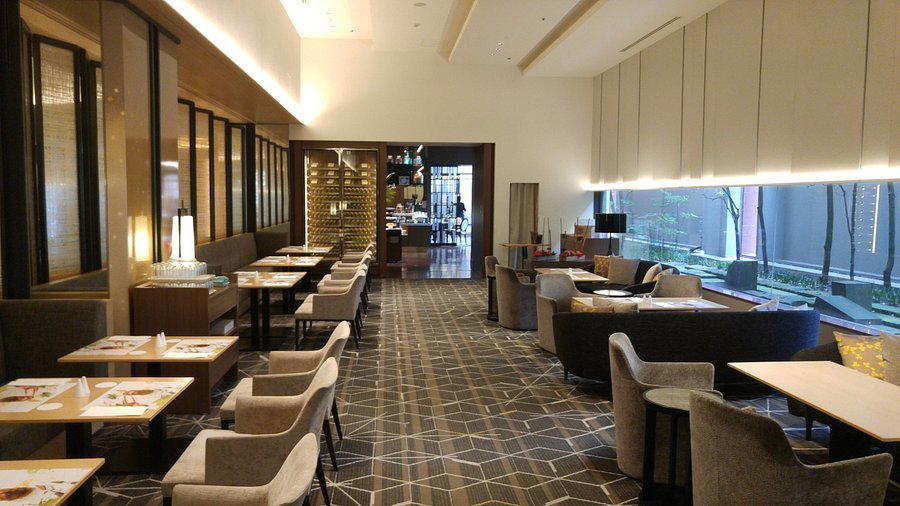
Restaurants in Ishikawa
Browse all →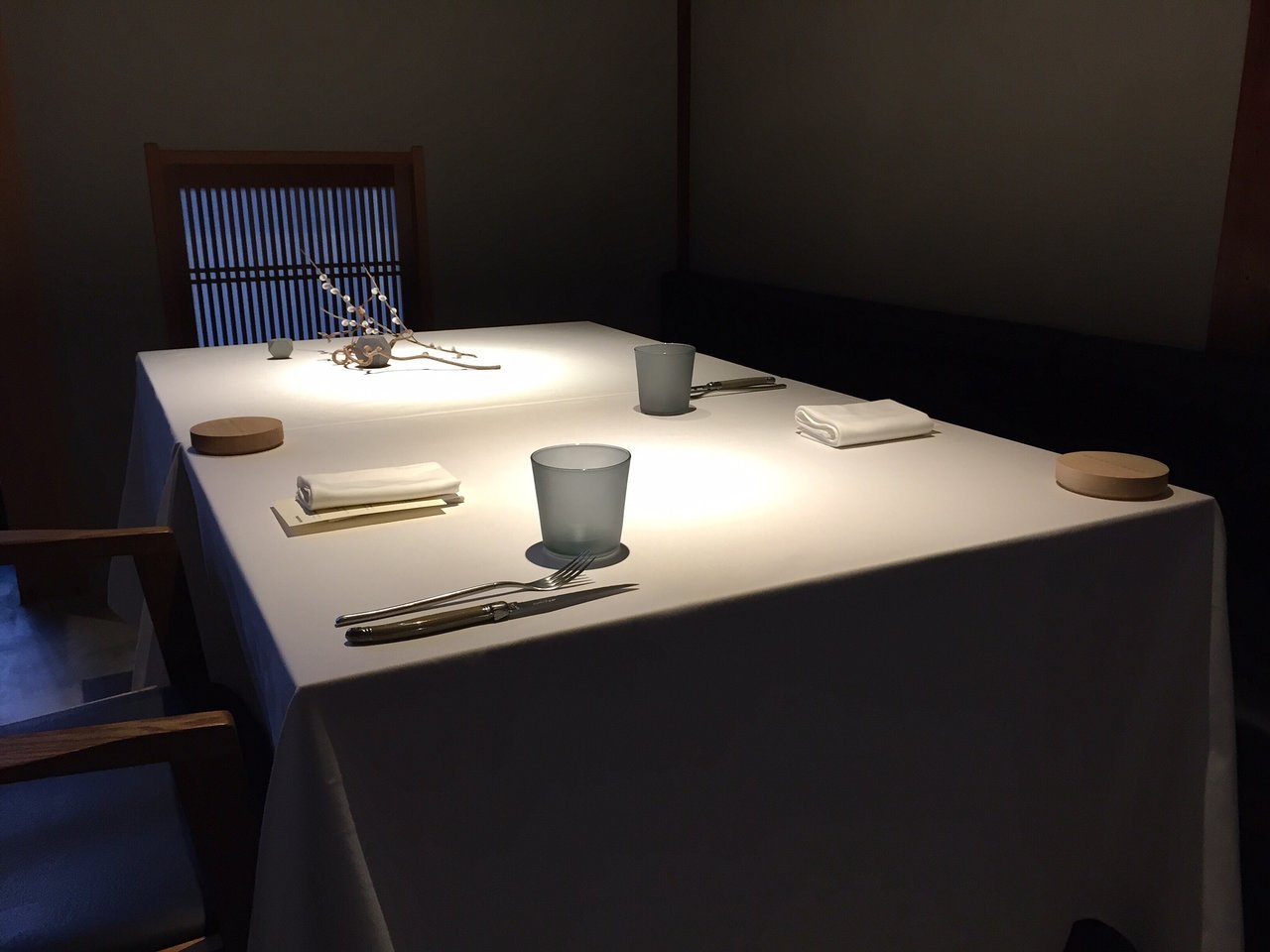
Wineries in Ishikawa
Browse all →
Details
- Modern
- Elegant
- Minimalist
- Scenic
- Weekend Escape
- Romantic Getaway
- Rooftop Pool
- Historic Building
- Design Destination
- Wi Fi
- Laundry Service
- Concierge
- Street Scene
Contemporary post-industrial design with bare concrete, timber grids, and latticed elements creating a refined, interconnected space that merges modern Japanese style with local samurai culture heritage.