Yamanoo
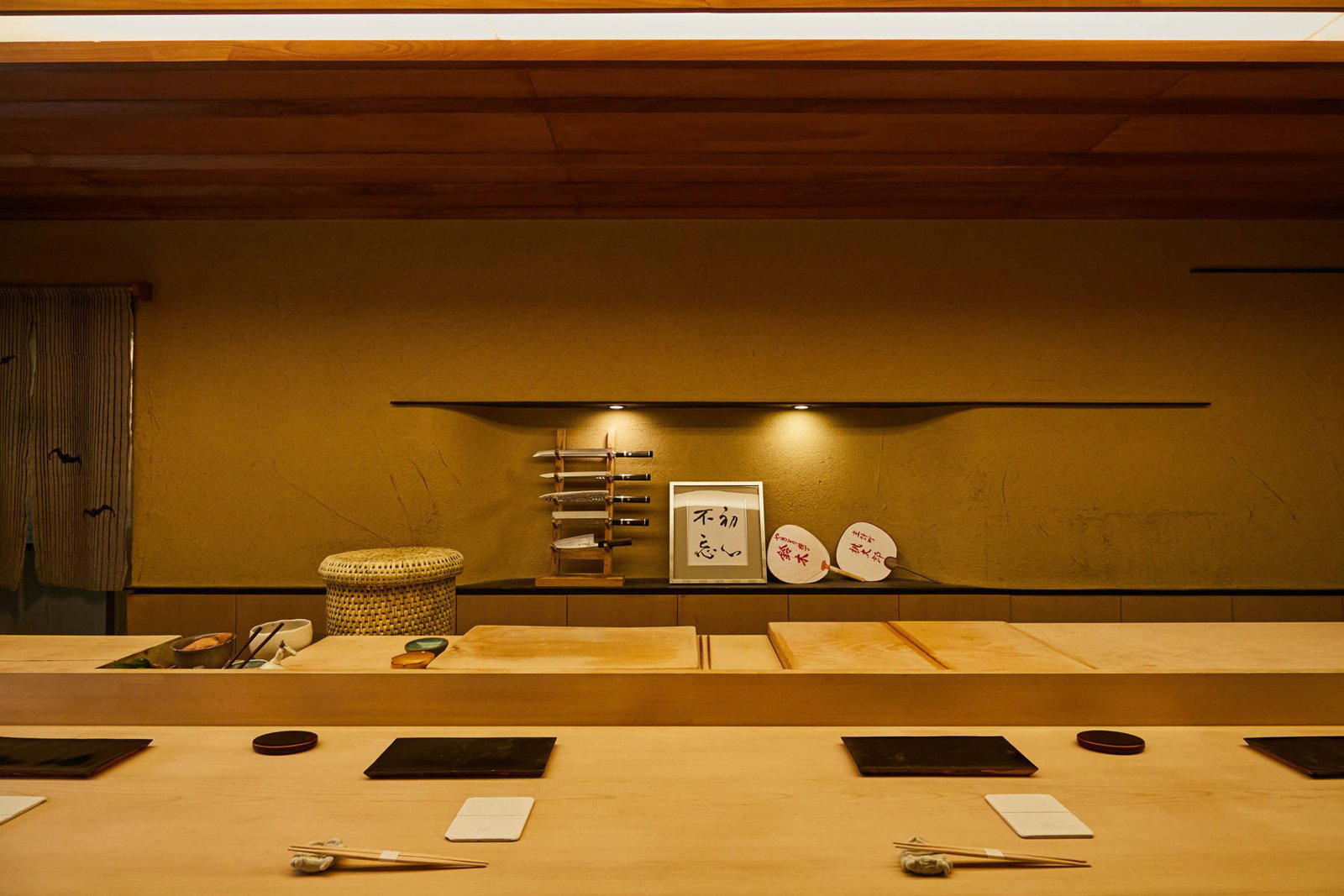
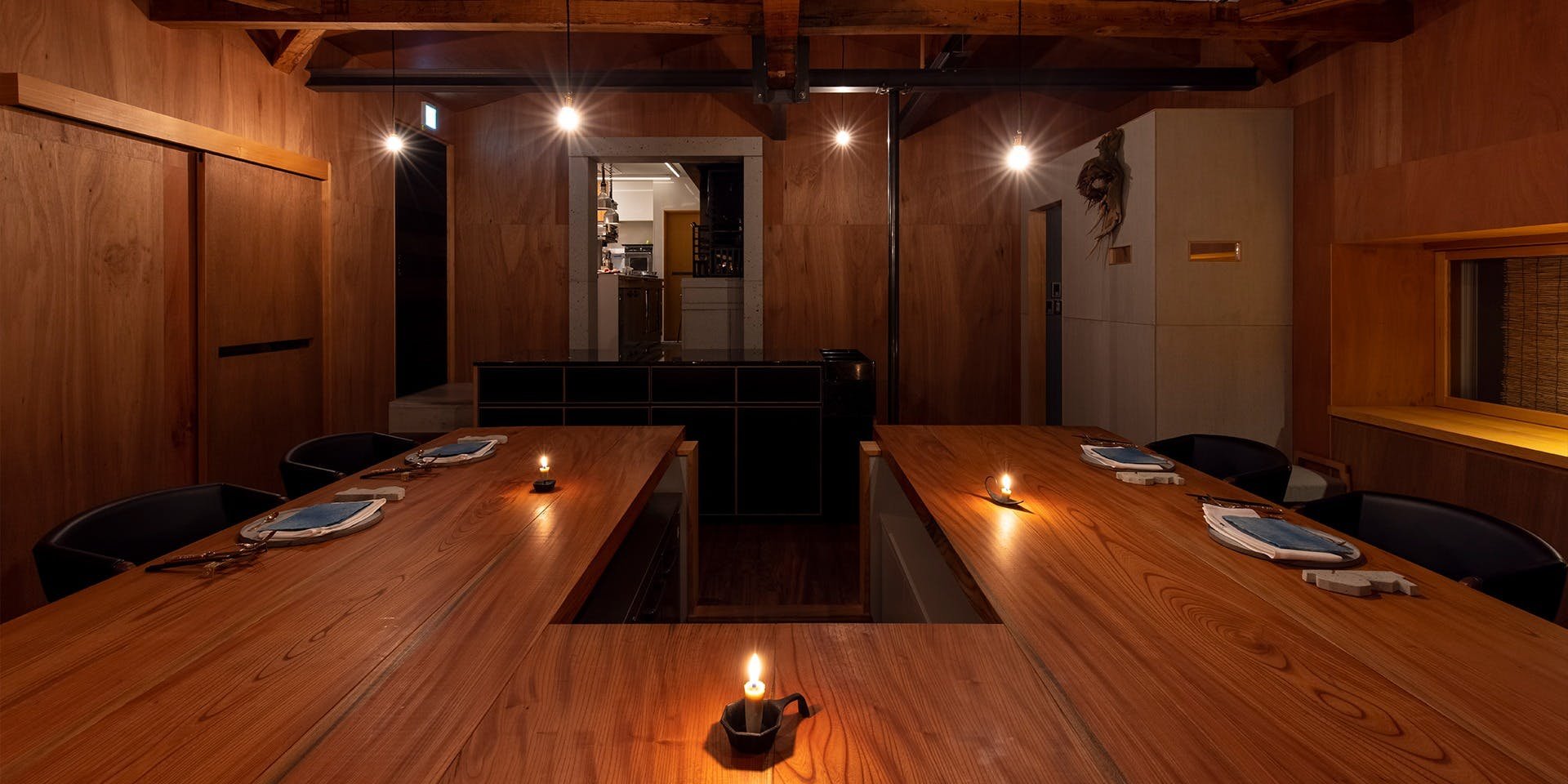
Yamanoo occupies a machiya-style ryotei in Kanazawa's Higashiyama district, one of the city's best-preserved geisha quarters. The setting alone positions it within Japan's most architecturally coherent tradition of formal dining, where the physical space is as deliberate as anything served within it. For visitors tracing the Hokuriku region's culinary culture, it functions as a serious reference point.

Pearl is the En Primeur Club membership app — saves, bookings, and concierge access live there. Same editors, same standards.
- Address
- Japan, 〒920-0831 Ishikawa, Kanazawa, Higashiyama, 1 Chome−31−25 料亭山乃尾
- Phone
- +81 76 252 5171
- Website
- yamanoo.jp
- Directions
- Get directions
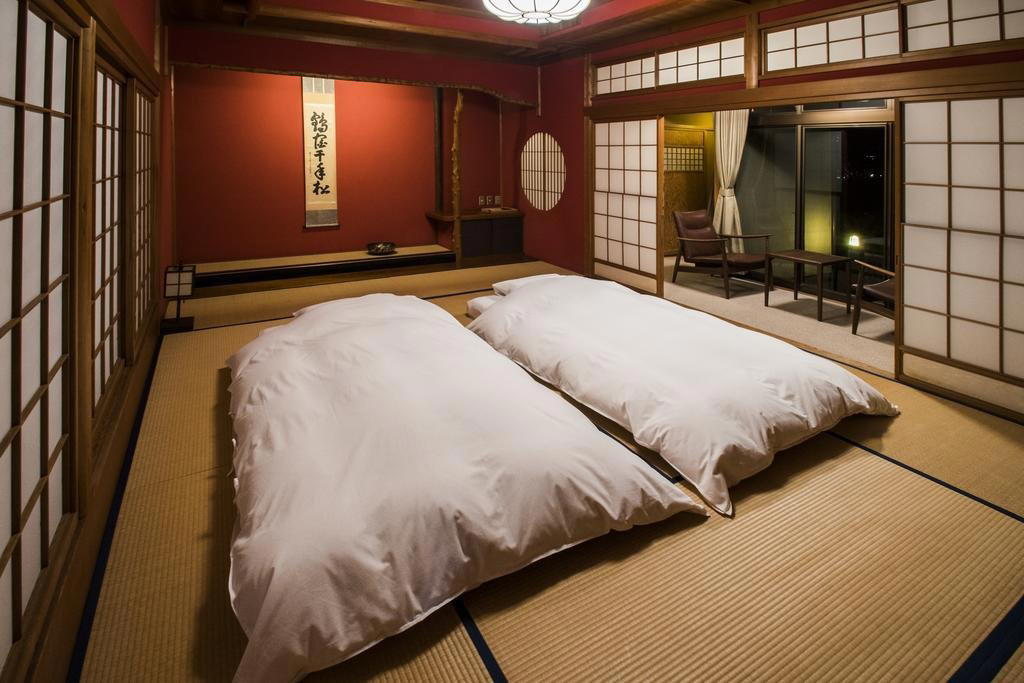
Higashiyama's Spatial Logic
Kanazawa's Higashiyama district operates by a different architectural grammar than most Japanese urban dining neighborhoods. The streets here were laid out in the early nineteenth century to house the city's geisha culture, and the built fabric has remained largely intact ever since. Narrow machiya townhouses line the lanes in rows of dark timber and latticed facades, and the ryotei that sit among them are not restaurants that have adopted a traditional aesthetic — they are the tradition itself, continuous with a form of hospitality that predates modern restaurant culture by several generations. Yamanoo, addressed at 1 Chome-31-25 in Higashiyama, sits inside this architectural context rather than apart from it.
That distinction matters when reading premium dining in Japan. The country's most formally structured restaurants — the kaiseki ryotei, derive much of their meaning from spatial continuity: the garden seen through a shoji screen, the progression from genkan entryway to tatami room to serving alcove, the seasonal object placed in the tokonoma. These are not decorative choices but functional grammar. A ryotei building that has not been significantly altered carries a kind of architectural authority that no amount of interior renovation can reproduce. In Kanazawa, where the absence of wartime bombing preserved entire neighborhood blocks, that authority is more accessible than in most Japanese cities, including Kyoto.
The Ryotei Form and What It Demands
The ryotei as a dining category sits above the kaiseki restaurant in formality and, usually, in price. Entry is historically by introduction, the room layout is private rather than communal, and the meal is timed to the pace of the guest rather than the turn of a table. In practice, these distinctions have softened at many establishments over the past two decades, particularly those trying to accommodate international visitors or reduce the friction of first contact. The core spatial logic, however, has proved more durable: the private room remains the fundamental unit, and the transition through a series of architecturally considered spaces remains the structural experience.
Kanazawa has maintained a denser concentration of functioning ryotei than most comparable Japanese cities, partly because of the district's preservation status and partly because of the city's historic identity as a regional capital with its own distinct craft and food culture. The Kaga region, of which Kanazawa was the administrative center under the Maeda clan, developed a cooking tradition that drew on both Kyoto influence and local ingredients from the Sea of Japan coast, producing a kaiseki style that differs from its Kyoto counterpart in ingredient emphasis rather than formal structure. Crab, yellowtail, and mountain vegetables from the interior appear alongside the more familiar seasonal markers, and the weight of local craft, Kutani ware, Wajima lacquer, inflects table settings in ways that matter to anyone paying attention.
Properties across the broader Hokuriku region that take this material culture seriously include Araya Totoan in Kaga, where the same coastal ingredient tradition operates within a different hospitality format, and Beniya Kofuyuden in Awara, which bridges the Fukui prefecture onsen context with serious culinary ambition. For visitors planning wider Hokuriku itineraries, these anchor points help frame how food and spatial experience interconnect across the region.
Reading the Higashiyama Address
The specific address in Higashiyama places Yamanoo in the northern section of the historic district, closer to the Asanogawa river than to the main tourist approach from Kazuemachi. This is relevant practically: the neighborhood does have a quiet residential quality after mid-morning, and arriving on foot from the Omicho market area or from the castle grounds gives a genuine sense of how the district sits within the wider city grid. Kanazawa is navigable by foot for much of the historic core, though the street layout in Higashiyama rewards a degree of deliberate wandering rather than direct routing.
Japan's most architecturally conscious hospitality properties tend to cluster around intact historic environments precisely because the environment is part of the product. Gora Kadan in Hakone and Asaba in Izu both operate within this logic, as does Nishimuraya Honkan in Kinosaki-cho, where the fabric of the onsen town provides the spatial frame that the accommodation inhabits. In each case, the building's relationship to its neighborhood is a primary consideration, not a secondary amenity. Yamanoo's Higashiyama position fits that pattern directly.
Peer Context Across Japan's Premium Dining Tier
Japan's premium ryotei tier operates with limited external documentation by design. Many do not maintain English-language websites, do not appear on standard reservation platforms, and do not seek or publicize awards. This opacity is structural rather than accidental: the introduction-based access model that historically governed ryotei entry persists, in softened form, in the emphasis on advance contact and in the assumption that guests arrive with some baseline understanding of the format. For international visitors, this creates a real information gap that requires either local guidance or deliberate research before arrival.
The broader Japanese luxury hotel sector has responded to this gap in various ways. Properties like HOTEL THE MITSUI KYOTO and Bvlgari Hotel Tokyo position their concierge services as intermediaries capable of bridging exactly this kind of access difficulty, and guests staying at Amanemu in Mie or Zaborin in Kutchan increasingly expect that level of connective tissue. For Kanazawa specifically, the most direct planning route is to contact the venue through its physical address or via a Japanese-speaking intermediary well in advance of travel, the Higashiyama ryotei tier does not accommodate last-minute approaches reliably. See our full Kanazawa Shi restaurants guide for broader context on how to approach the city's dining tier.
Other Japan properties worth cross-referencing for travelers building regional itineraries include Fufu Kawaguchiko, Fufu Nikko, Halekulani Okinawa, Jusandi in Ishigaki, ENOWA Yufu, Benesse House in Naoshima, Sekitei in Hatsukaichi-shi, Atami Izusan Karaku, Azumi Setoda in Onomichi, Bettei Otozure in Nagato, and Bettei Senjuan in Minakami.
Planning and Access
Kanazawa is accessible by Shinkansen from Tokyo in approximately two and a half hours since the Hokuriku Shinkansen extension opened in 2015, which substantially changed the city's tourism profile. The shift brought higher visitor volumes to Higashiyama, making advance planning more necessary than it was in the preceding decade. Spring (late March to early May) and autumn (October to November) represent the peak periods by demand, and the ryotei tier fills earliest during these windows. Approaching from Kyoto by limited express is also possible, though the journey time is longer. For comparative international reference, properties like Aman New York, The Fifth Avenue Hotel, and Aman Venice operate in a similar tier of deliberate, space-led hospitality, different traditions, same underlying logic of architecture as experience.
At-a-Glance Comparison
| Venue | Price | Awards |
|---|---|---|
| YamanooThis venue — the venue you are viewing | $500–750 | Not listed |
| Bvlgari Hotel Tokyo | Not listed | 3 Michelin Keys · World's 50 Best #24 |
| Aman Kyoto | Not listed | 2 Michelin Keys · World's 50 Best #74 |
| Aman Tokyo | Not listed | 2 Michelin Keys · World's 50 Best #11 |
| Amanemu | Not listed | 3 Michelin Keys · La Liste Top Hotels |
| Four Seasons Hotel Tokyo at Otemachi | Not listed | 3 Michelin Keys · La Liste Top Hotels |
Continue exploring
More in Kanazawa Shi
Hotels in Kanazawa Shi
Browse all →
Bars in Kanazawa Shi
Browse all →
Restaurants in Kanazawa Shi
Browse all →
Wineries in Kanazawa Shi
Browse all →
Details
- Quiet
- Elegant
- Intimate
- Minimalist
- Scenic
- Romantic Getaway
- Honeymoon
- Anniversary
- Private Villa
- Garden
- Historic Building
- Wi Fi
- Garden
- Parking
- Air Conditioning
- Housekeeping
- Garden
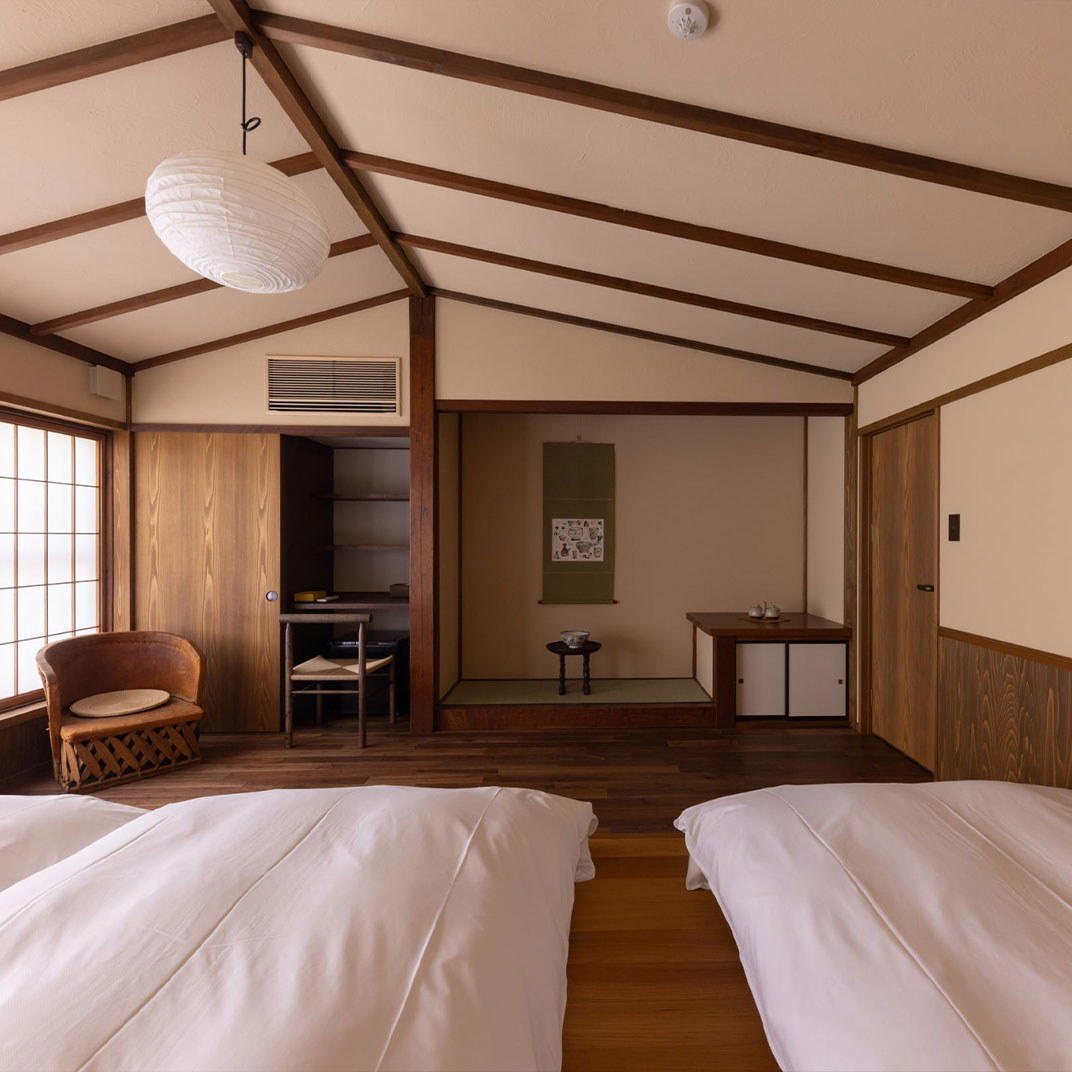
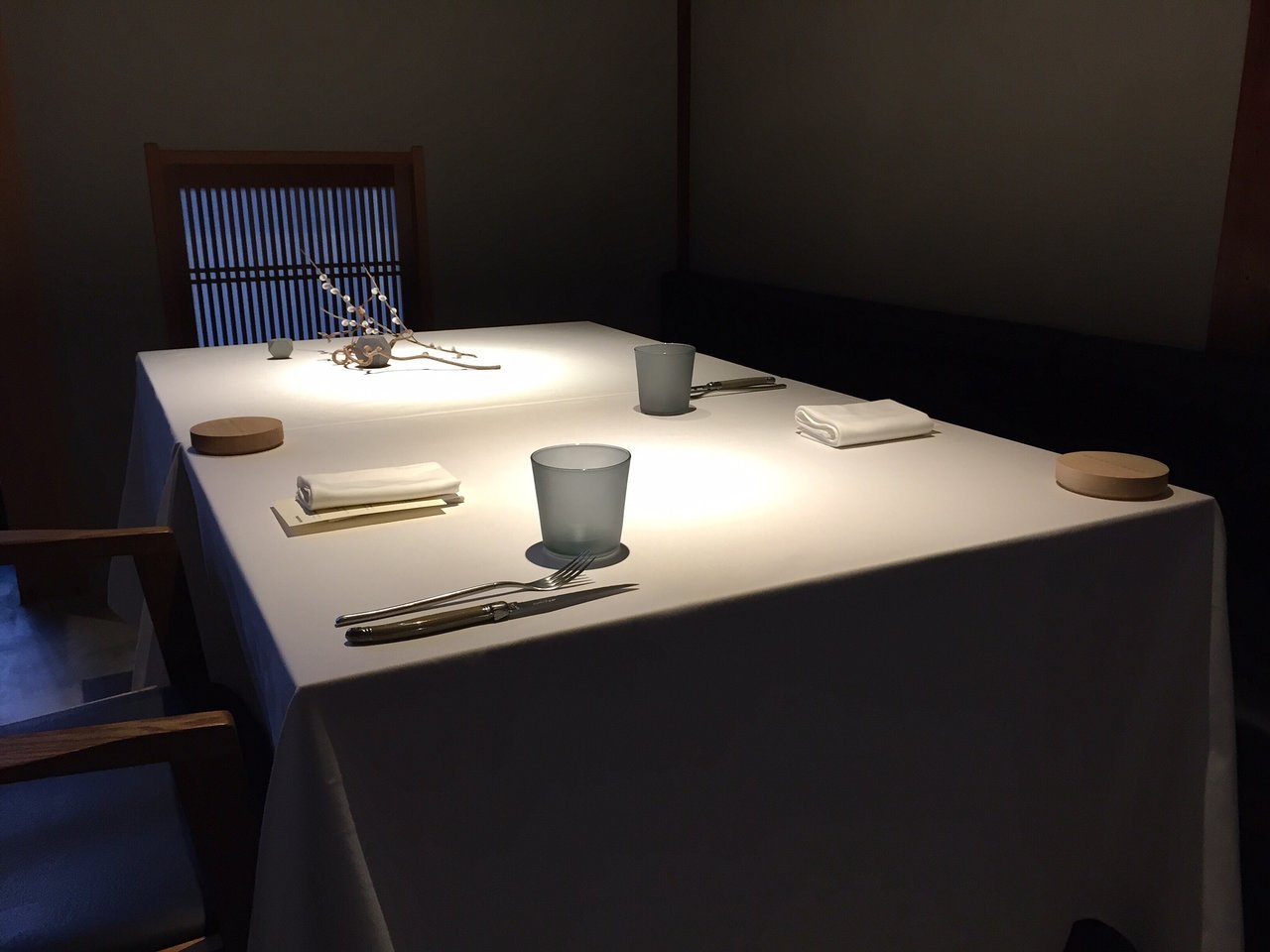
Serene and tranquil with minimalist Japanese design featuring low wooden beams, tatami floors, sliding shoji doors, and warm traditional atmosphere.