


Zeniya is a two-Michelin-star kaiseki counter in Kanazawa's Katamachi district, where second-generation chef Shinichiro Takagi cooks directly at the counter using market-fresh Ishikawa produce. Holding a Green Star alongside its culinary honours, the restaurant ranks among Japan's most-recognised provincial kaiseki addresses and operates as a Relais & Châteaux member property.
Pearl is the En Primeur Club membership app — saves, bookings, and concierge access live there. Same editors, same standards.
- Address
- 2 Chome-29-7 Katamachi, Kanazawa, Ishikawa 920-0981, Japan
- Phone
- +81 76-233-3331
- Website
- zeniya.co.jp
- Directions
- Get directions
 Saves & bookings on Pearl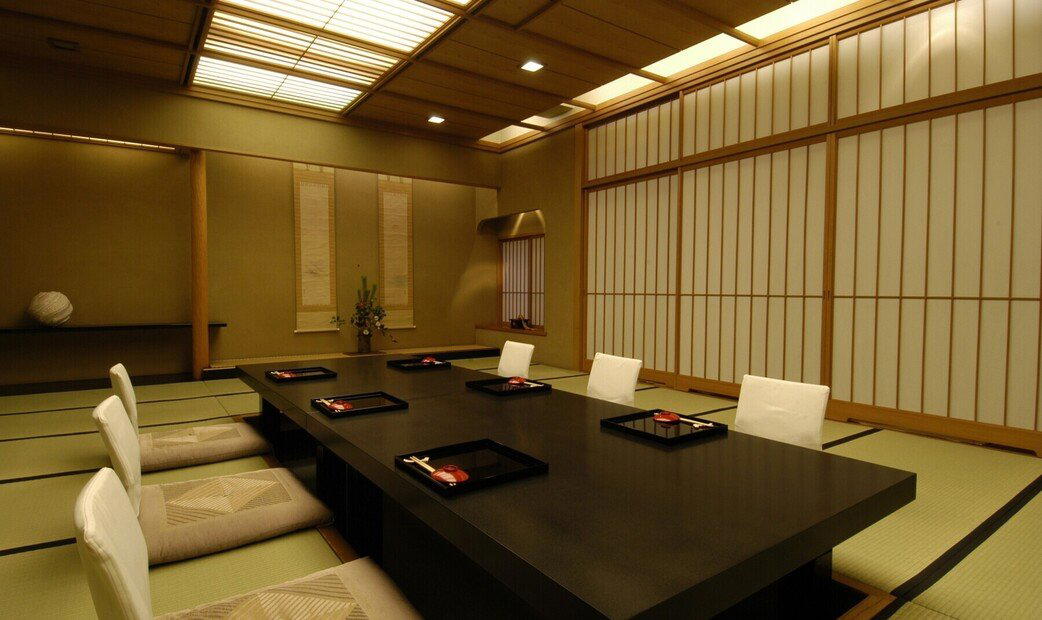
Counter Service, Regional Depth
Kanazawa has long occupied an unusual position in Japan's fine dining conversation: a city with Kyoto's cultural density but without Kyoto's crowds, drawing serious kaiseki practitioners who work from one of the country's most productive ingredient regions. The Sea of Japan coast delivers crab, yellowtail, and seafood with a seasonal precision that rivals anything available in the capital, while the Noto Peninsula's farms supply produce that carries genuine provenance. Within that context, the Katamachi district's kaiseki counters represent a small, tightly contested tier — and Zeniya has held its place inside it across multiple award cycles.
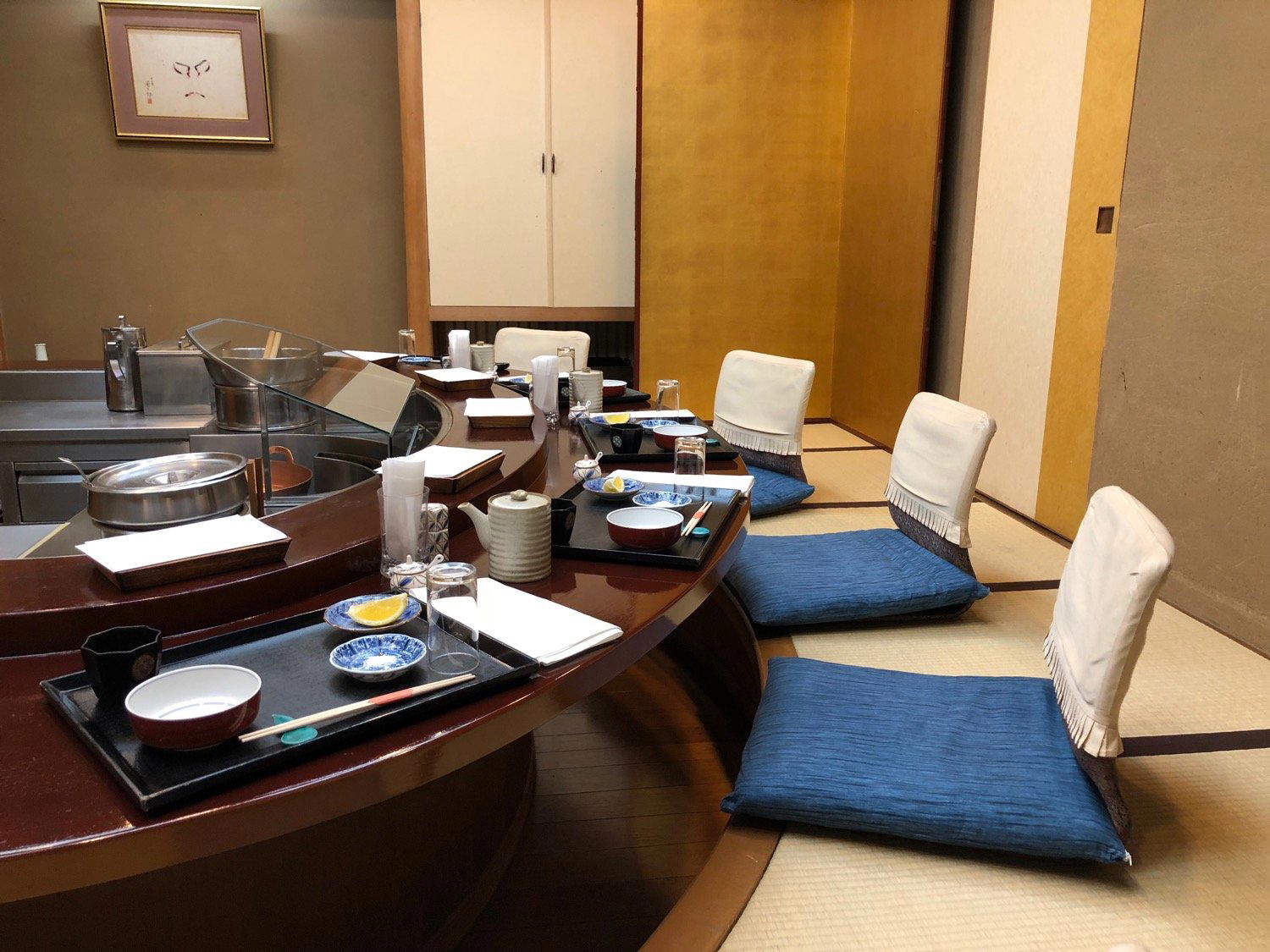
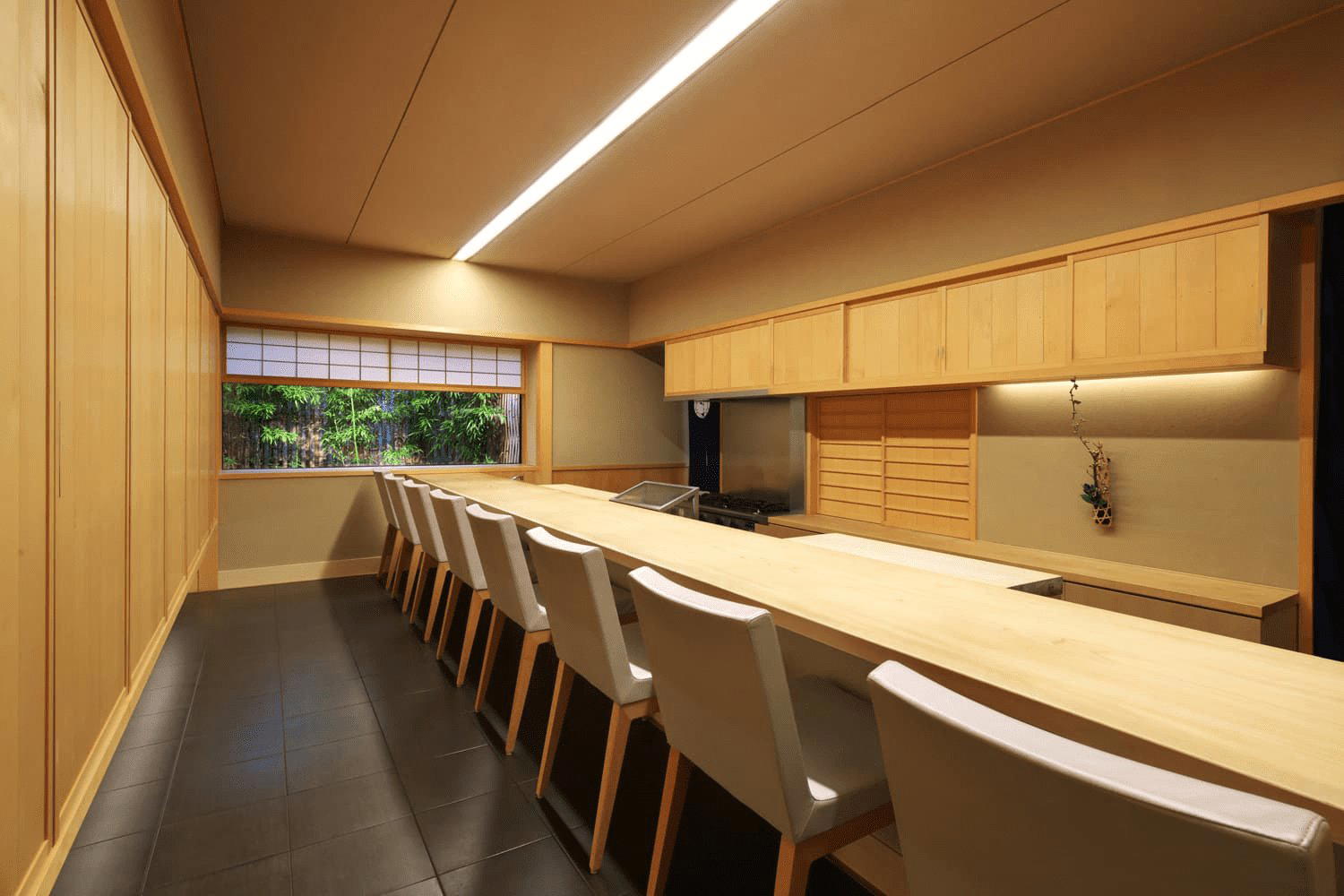
That choice is worth noting because it distinguishes Zeniya from the more formal, service-mediated kaiseki rooms that defined the previous generation of Japanese fine dining. The interaction is choreographed but visible: the rhythm of preparation, the handling of ingredients, the sequencing of courses all happen within sight of the table. For diners accustomed to kaiseki as ceremony-at-a-distance, the proximity changes the experience considerably.
A Second-Generation Kitchen in a Tradition-Heavy City
The trajectory of second-generation chefs in Japanese fine dining follows a recognisable pattern: years of rigorous external training, a period of working under established figures elsewhere, and an eventual return to inherit and reinterpret a family kitchen. Shinichiro Takagi fits that model. The second-generation designation at Zeniya signals continuity with a founding culinary philosophy while the current chef brings his own formative training to bear on the menu — a combination that tends to produce cooking with both rootedness and technical ambition.
In Kanazawa specifically, that inheritance carries weight. The city's kaiseki tradition is not simply a regional echo of Kyoto; it developed its own vocabulary around Kaga cuisine, a branch of Japanese culinary tradition with distinct ingredient choices, plating aesthetics, and seasonal markers tied to Ishikawa Prefecture's specific geography. Counter kaiseki that draws on Kaga idioms while incorporating a chef's broader training represents the kind of synthesis that serious kaiseki practitioners find interesting to track over multiple visits. For the broader audience of Japan's fine dining circuit, it places Zeniya in conversation with addresses like Gion Sasaki in Kyoto and Ifuki in Kyoto, houses where generational knowledge and personal refinement sit alongside each other in the cooking.
The Award Signal and What It Implies
Zeniya holds two Michelin stars and a Green Star in the 2025 guide, alongside a La Liste score of 75.5 points and a position of #208 in the 2025 Opinionated About Dining ranking for Japan (up from #242 in 2024 and Highly Recommended in 2023, a consistent upward trajectory across three consecutive cycles). A Relais & Châteaux membership adds another layer of peer-set positioning: that network selects on both culinary and hospitality criteria, which suggests the front-of-house experience at Zeniya operates at a register consistent with its kitchen credentials.
The Green Star is the more pointed signal. Michelin introduced the designation specifically for restaurants demonstrating commitment to sustainable gastronomy, sourcing transparency, waste reduction, and producer relationships. At a market-fresh kaiseki counter, that credential confirms what the format already implies: the menu is genuinely constructed around what is available and in condition, not around a fixed signature structure. Compared to kaiseki practitioners operating on fixed set menus year-round, that approach demands more from both the kitchen and the supplier network. It also tends to produce cooking with sharper seasonal definition.
For comparison within Kanazawa, Kataori and Komatsu represent the city's wider fine dining range, while Kisanuki offers another reference point in Japanese cuisine at an refined register. Beyond kaiseki, Budoonomori Les Tonnelles shows how Kanazawa's dining scene extends into French cooking with local ingredient framing, and Hamagurizaka Maekawa covers the yakitori register for evenings structured differently. The city's full dining breadth is mapped in our full Kanazawa restaurants guide.
Where Zeniya Sits in Japan's Kaiseki Geography
Japan's two-star kaiseki tier is not uniform. The Kyoto cluster, the Tokyo contingent, and the regional provincial houses all operate with different ingredient geographies, different price expectations, and different relationships to tourist traffic versus local clientele. Kanazawa's two-star addresses serve a city that has seen significant cultural tourism growth since the Hokuriku Shinkansen extension reached the city in 2015, opening a direct line from Tokyo that reduced journey time to roughly two and a half hours. That infrastructure change shifted Zeniya from a destination requiring genuine effort to one reachable as a day-trip from the capital, though serious diners typically stay overnight to cover the city's full culinary range.
Within the national kaiseki map, Zeniya belongs to a cohort of regionally rooted houses that have built sustained recognition outside the Kyoto-Tokyo axis. That list includes Goh in Fukuoka, akordu in Nara, and, at the intersection of kaiseki and broader Japanese fine dining, Harutaka in Tokyo and HAJIME in Osaka.
Those planning a kaiseki-focused Japan itinerary that extends to the Kansai and Kanto circuits might also reference Kikunoi in Tokyo and 1000 in Yokohama as markers for how the form shifts across regions.
Planning a Visit
Zeniya operates Tuesday through Saturday, opening at 5:30 pm with last seating effectively structured around a single dinner service that runs until 10 pm. The restaurant is closed Sunday and Monday, a schedule consistent with market-dependent kitchens that require recovery and sourcing days built into the week. The Katamachi address places it in Kanazawa's central entertainment and dining district, accessible from both the main hotel corridor and the Higashi Chaya geisha district without requiring a taxi for guests already in the city centre.
Reservations are handled through the Relais & Châteaux contact channel (zeniya@relaischateaux.com) and the restaurant's own website at zeniya.co.jp. Given the counter format and the Michelin recognition, booking lead times for non-Japanese speakers are worth planning carefully, the Relais & Châteaux email route is the most reliable point of entry for international guests unfamiliar with Japanese reservation systems.
Guests building a full Kanazawa stay can extend across the city's broader offerings using our full Kanazawa hotels guide, our full Kanazawa bars guide, our full Kanazawa experiences guide, and our full Kanazawa wineries guide.
Accolades, Compared
Comparable options at a glance, pulled from our tracked venues.
| Venue | Cuisine | Awards |
|---|---|---|
| ZeniyaThis venue — the venue you are viewing | Kaiseki | GREEN STAR |
| Kataori | Kaiseki | Not listed |
| Sushi Kibatani | Chinese | Not listed |
| Respiracion | Innovative Spanish | Not listed |
| Hamagurizaka Maekawa | Yakitori | Not listed |
| Kyo Gion Negiyaki Kona | Okonomiyaki | Not listed |
Recognition history
Dated appearances from independent guides and award organizations, with the underlying list record or original source where available.
Opinionated About Dining Top Restaurants in Japan Recommended
Opinionated About Dining
Relais Chateaux Award
Relais Chateaux
La Liste Top Restaurants
La Liste
Opinionated About Dining Top Restaurants in Japan Ranked #208
Opinionated About Dining
Opinionated About Dining Top Restaurants in Japan Ranked #242
Opinionated About Dining
Opinionated About Dining Top Restaurants in Japan Highly Recommended
Opinionated About Dining
Continue exploring
More in Kanazawa
Restaurants in Kanazawa
Browse all →
Bars in Kanazawa
Browse all →
Hotels in Kanazawa
Browse all →
Wineries in Kanazawa
Browse all →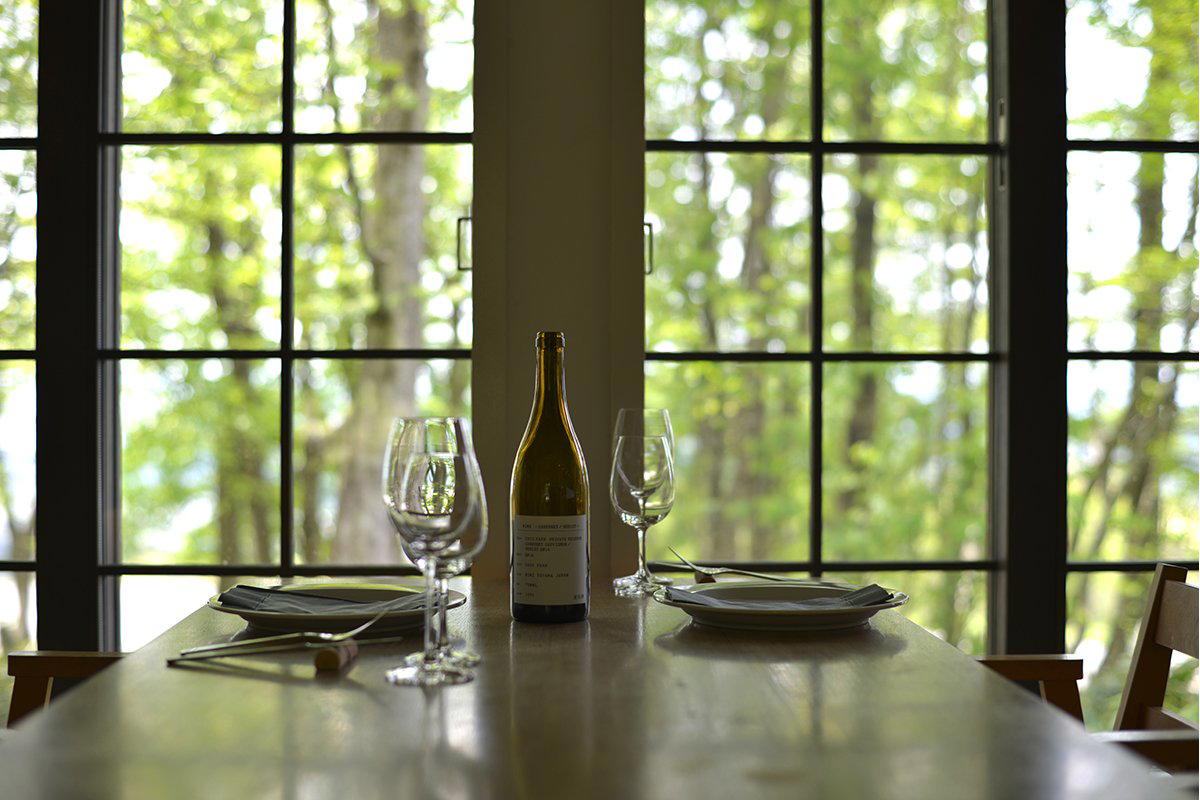
At a Glance
- Elegant
- Intimate
- Quiet
- Sophisticated
- Classic
- Special Occasion
- Date Night
- Business Dinner
- Chefs Counter
- Private Dining
- Open Kitchen
- Garden
- Sake Program
- Local Sourcing
- Garden
Current opening hours
- Monday
- 5:30–10 PM
- Tuesday
- 5:30–10 PM
- Wednesday
- 5:30–10 PM
- Thursday
- 5:30–10 PM
- Friday
- 5:30–10 PM
- Saturday
- 5:30–10 PM
- Sunday
- Closed
Hours can change for holidays and private events. Last verified .
Refined simplicity with traditional hinoki wood counter, subdued lighting, neutral tones, and tranquil private tatami rooms overlooking a small garden, fostering intimacy and calm.
Know Before You Go
- Getting there
- 2 Chome-29-7 Katamachi, Kanazawa, Ishikawa 920-0981, Japan