
Amanatto Kawamura sits within Kanazawa's tradition of precision confectionery, drawing a loyal following to the quiet craft of amanatto — sugar-glazed legumes and grains that trace their lineage through Edo-period sweetmaking. The shop occupies a niche between everyday wagashi and formal kaiseki dessert, offering regulars a repeatable, unhurried ritual that few visitors think to seek out.
Pearl is the En Primeur Club membership app — saves, bookings, and concierge access live there. Same editors, same standards.
- Address
- 2 Chome-24-7 Nomachi, Kanazawa, Ishikawa 921-8031, Japan
- Phone
- +81 76-282-7000
- Website
- mame-kawamura.com
- Directions
- Get directions
 Saves & bookings on Pearl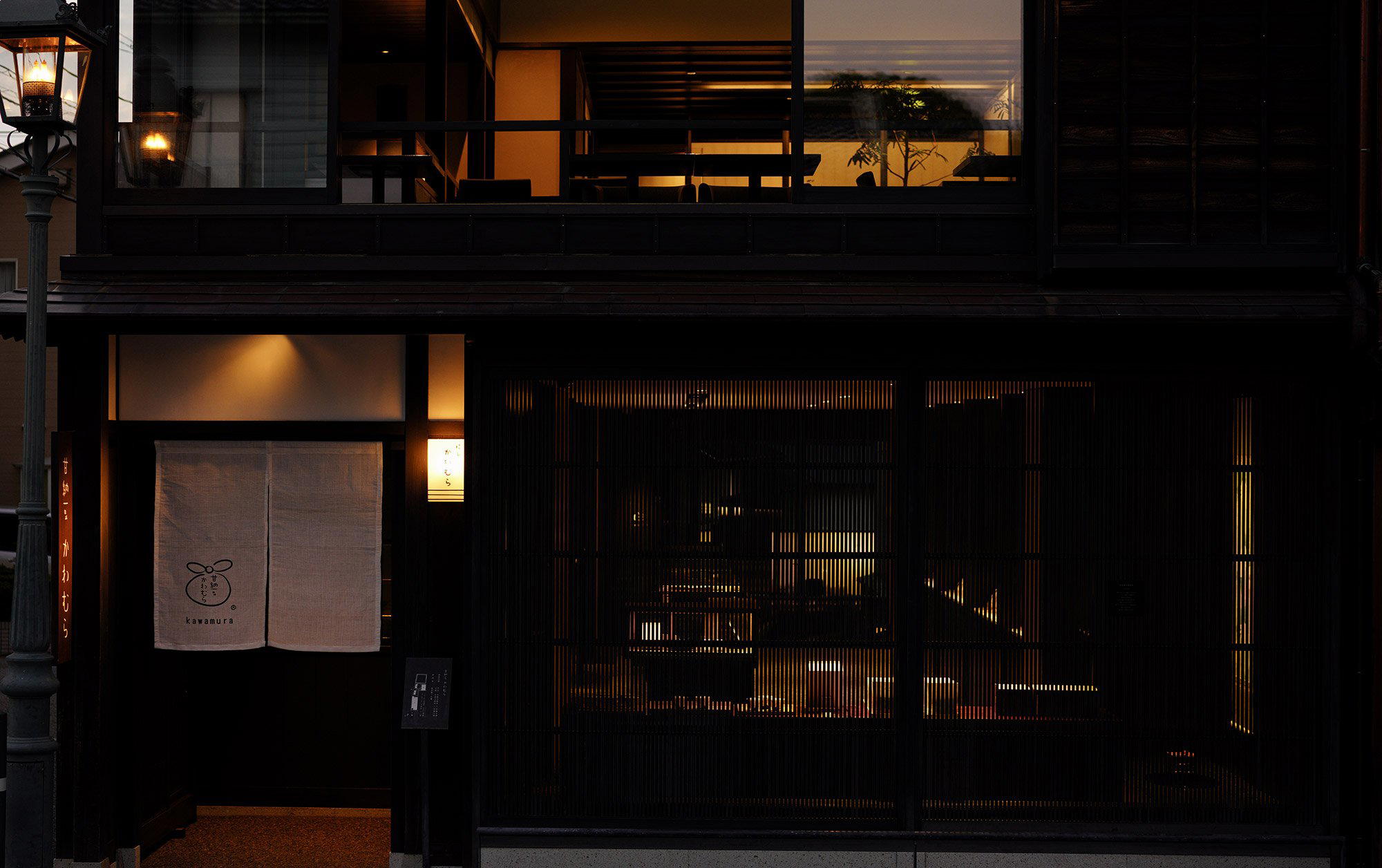
The Quiet Counter Culture of Kanazawa's Sweet Shops
Kanazawa has long maintained a confectionery culture that operates at a different register from the city's famous kaiseki dining. Where restaurants like Dokkan or the French-inflected Budoonomori Les Tonnelles anchor the formal end of the city's food reputation, the wagashi and specialty sweet shops fill in something else entirely: a daily, habitual sweetness that locals treat as infrastructure rather than occasion. Amanatto Kawamura belongs to that second category. It is a specialist in amanatto — beans, peas, and grains cooked slowly in sugar syrup and dried to a crystalline finish — a confection so specific in its pleasures that it rarely appears on the tourist itinerary, yet commands a devoted local clientele who return on rhythm rather than impulse.
What Keeps Regulars Coming Back
The logic of amanatto as a repeat purchase is different from that of a restaurant. There is no tasting menu to exhaust, no seasonal omakase that resets curiosity. The draw is consistency: the same careful sweetness applied to different legumes across the calendar, the same unhurried texture that rewards slow eating. Regulars at shops like Amanatto Kawamura are not chasing novelty. They are maintaining a relationship with a particular confectionery register, one that sits below the theatrical register of formal wagashi and above the disposable register of mass-produced sweets.
That positioning matters in Kanazawa specifically. The city ranks alongside Kyoto as one of Japan's most significant wagashi centers, a status built over centuries of domain patronage under the Maeda clan. The density of serious sweet-making here is unusual even by Japanese standards, which means consumers are comparatively sophisticated. A shop that survives on repeat local trade in this environment is making a case through product quality rather than location or presentation alone. For visitors oriented toward Kanazawa's more prominent dining rooms, that context is worth understanding before dismissing a specialty confectionery stop as a minor footnote.
Amanatto in the Broader Wagashi Spectrum
Amanatto occupies a specific and somewhat underappreciated position within Japanese confectionery taxonomy. Unlike namagashi, the fresh, moisture-rich sweets served in tea ceremony, amanatto is shelf-stable, portable, and eaten without ceremony. Its pleasures are textural and quietly sweet rather than visually elaborate. The craft lies in controlling sugar penetration and drying time across different legumes: kuromame (black soybeans), adzuki, edamame, and sometimes less common grains, each requiring its own timing to hit the right balance between tender interior and crystallized surface. Getting that balance wrong produces either a tough, over-dried product or one that weeps sugar syrup and collapses. Getting it right produces something that rewards attention without demanding it, exactly the quality that sustains a loyal, unhurried clientele.
This is a different craft calculus from the high-drama precision of, say, a Michelin-tracked kaiseki dessert course. Venues like Gion Sasaki in Kyoto or HAJIME in Osaka operate in a register where every sweet element is integrated into a composed narrative. Amanatto Kawamura's output is designed for an entirely different consumption context: taken home, eaten over days, shared without occasion. The shop's significance is precisely that it serves the dailiness of Kanazawa's sweet culture rather than its ceremonial peaks.
Kanazawa as Context
Understanding why a specialist amanatto shop earns serious local loyalty requires understanding what Kanazawa's food culture values at ground level. The city has developed a reputation, among Japan's regional dining destinations, for depth across categories rather than concentration at the leading. Yes, there are formal kaiseki rooms and rigorous yakitori counters like Hamagurizaka Maekawa. But the city's food identity also runs through its morning markets, its craft sake producers, and its neighborhood confectionery shops in ways that comparable cities sometimes let atrophy. The market at Omicho, the gold-leaf craft tradition visible at places like Hakuichi, and the persistence of specialist sweet shops all reflect a city that has preserved production culture at multiple price points.
That breadth is relevant to how visitors should plan their time. A day that includes formal dining at a kaiseki room sits alongside, rather than above, an afternoon stop at a confectionery specialist. The two experiences address different registers of the same cultural tradition. Travelers who treat Kanazawa's food scene as a single-tier luxury proposition miss the more interesting claim the city makes: that craft runs all the way down, from the ceremonial to the everyday. For comparable depth in other Japanese cities, Harutaka in Tokyo and akordu in Nara reflect how regional cities preserve distinct craft traditions within national fine-dining conversations. Kanazawa's wagashi lineage is its equivalent argument.
Planning a Visit
Specific booking details, hours, and pricing for Amanatto Kawamura are not reliably documented in English-language sources, and the shop operates in a category where walk-in browsing is typically the norm rather than advance reservation. Kanazawa's confectionery shops generally follow morning-to-early-afternoon trading patterns, with stock sometimes depleting before closing, arriving in the morning is a reasonable default for specialty sweets anywhere in Japan. The shop is worth cross-referencing against our full Kanazawa restaurants guide for updated logistics and neighborhood context. If you're building a longer Japan itinerary, the craft dining cultures of Goh in Fukuoka and regional specialists like restaurants in nearby Nanao provide useful comparison points for how seriously Japan's secondary cities treat culinary tradition.
Visitors arriving from the more internationally profiled end of Japanese dining, the tasting-menu rooms tracked by awards bodies and publications, may need to recalibrate expectations. Amanatto Kawamura is not competing in that arena. It is doing something narrower and, for its regulars, more essential: maintaining a specific confectionery tradition with enough consistency that people return not because they are seeking an experience but because the product has become part of how they eat. That is a different kind of reputation, and in Kanazawa, it is the one that tends to last.
How Amanatto Kawamura Kanazawa compares with similar nearby venues.
| Venue | Cuisine | Price | Awards |
|---|---|---|---|
| Amanatto Kawamura | Not listed | Not listed | Tabelog 100 #28 (2023) |
| Rakugan Moroeya Nishichaya Karyo Ajiwai | Not listed | JPY 1,000 - JPY 1,999 | Not listed |
| Hamagurizaka Maekawa | Yakitori | Not listed | Not listed |
Recognition history
Dated appearances from independent guides and award organizations, with the underlying list record or original source where available.
Tabelog 100 #28 · No. 28
Tabelog · Tabelog 100 - Japanese traditional sweets / Japanese sweets cafe - WEST - 2023
Continue exploring
More in Kanazawa
Restaurants in Kanazawa
Browse all →
Bars in Kanazawa
Browse all →
Hotels in Kanazawa
Browse all →
Wineries in Kanazawa
Browse all →
At a Glance
- Classic
- Cozy
- Elegant
- Modern
- Casual Hangout
- Historic Building
- Sake Program
- Street Scene
Current opening hours
- Monday
- 9:30 AM–6 PM
- Tuesday
- 9:30 AM–6 PM
- Wednesday
- 9:30 AM–6 PM
- Thursday
- 9:30 AM–6 PM
- Friday
- 9:30 AM–6 PM
- Saturday
- 9:30 AM–6 PM
- Sunday
- 9 AM–5 PM
Hours can change for holidays and private events. Last verified .
Spacious and modern interior contrasting with traditional old-fashioned exterior, stylish and relaxing space in historic geisha district with historical charm.
Know Before You Go
- Getting there
- 2 Chome-24-7 Nomachi, Kanazawa, Ishikawa 921-8031, Japan