
Preferred Hotels Member
At the centre of Kanazawa's Korinbo district, the Tokyu Hotel operates as the city's most accessible full-service address, with 232 rooms and walking distance to Kenroku-en, the Higashi Chaya quarter, and the Omicho market. It is a city hotel in the clearest sense: reliable, centrally positioned, and without the ryokan ritual of the Kaga region properties nearby.

Pearl is the En Primeur Club membership app — saves, bookings, and concierge access live there. Same editors, same standards.
- Address
- 2-chōme-1-1 Kōrinbō, Kanazawa, Ishikawa 920-0961
- Phone
- +81 76-231-2411
- Website
- tokyuhotels.co.jp
- Directions
- Get directions
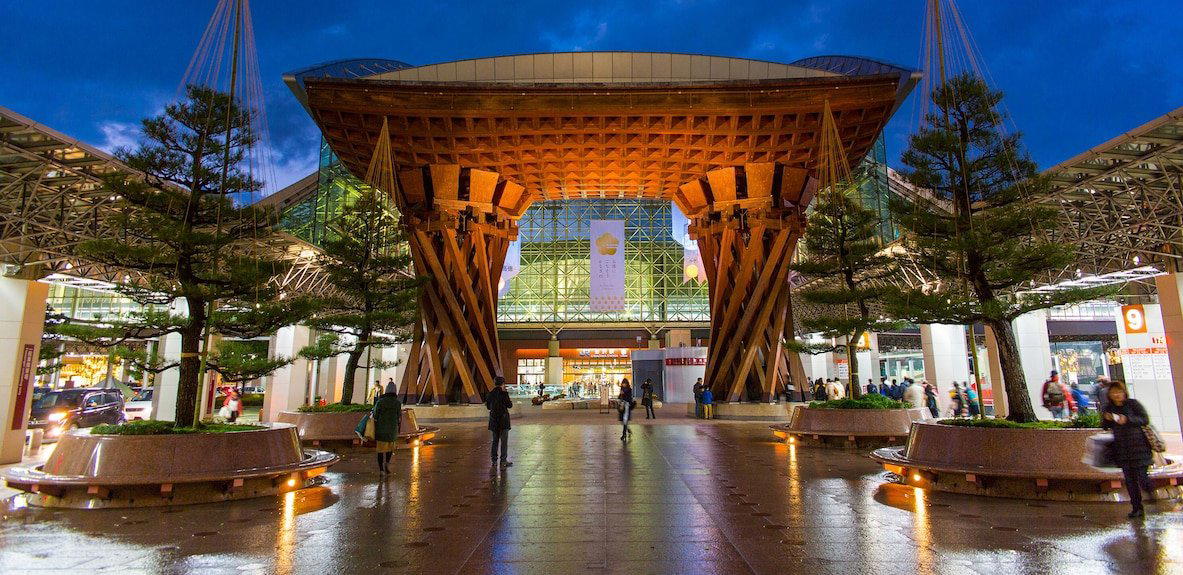
A City-Centre Address in One of Japan's Most Considered Destinations
Kanazawa has spent the past decade earning a reputation as the city that resisted the coastal drift toward mass tourism that reshaped Kyoto and Nara. The Higashi Chaya geisha district still functions as it has for two centuries. Kenroku-en, one of Japan's three canonical landscape gardens, draws visitors who come specifically to understand what deliberate aesthetic restraint looks like across seasons. Into this context, the Kanazawa Tokyu Hotel operates from a Korinbo address that puts guests at the geographic centre of the city's most walkable cultural corridor, with 232 rooms at a scale that makes it one of the larger full-service hotels in the city, but still a far smaller footprint than the international convention hotels that dominate comparable Japanese secondary cities.
The Korinbo district is Kanazawa's commercial and cultural spine. Department stores, galleries, and the covered shopping arcades that characterise mid-sized Japanese city centres are all within walking distance. More importantly for the traveller arriving from outside the region, Kanazawa Station — the terminus for the Hokuriku Shinkansen that connects the city to Tokyo in roughly two and a half hours — is accessible by direct bus or short taxi, making the Tokyu Hotel's location functionally central without the noise trade-offs of a station-adjacent property.
Scale and Structure in the Context of Kanazawa's Hotel Market
At 232 rooms, the Kanazawa Tokyu Hotel occupies a different tier from the small-format ryokan properties that define much of the region's high-end accommodation offer. Properties such as Araya Totoan in Kaga or Beniya Kofuyuden in Awara operate at single-digit or low double-digit room counts, building their experience around seasonal kaiseki programming and private onsen access. The Tokyu Hotel's positioning is deliberately different: it is a full-service city hotel designed for the business traveller, the domestic leisure weekend, and the international visitor who wants reliable infrastructure and a walkable address rather than ritual immersion.
That distinction matters in Ishikawa Prefecture, where the accommodation market bifurcates sharply. On one side sit the onsen ryokan of the Kaga Onsen cluster, each competing on intimacy, seasonal cuisine, and the depth of their kaiseki programmes. On the other, a smaller number of full-service city hotels serve the Kanazawa urban core. The Tokyu Hotel, as part of a national chain with properties across Japan's major and secondary cities, brings the operational consistency and reservation infrastructure that individual ryokan operators rarely replicate. For the traveller who wants a base from which to move across the city across multiple days, that consistency has practical weight. For the complete picture of what the Hokuriku region offers in accommodation, see our full Kanazawa restaurants guide and the broader regional context it sets.
The Architecture of a City Business Hotel Done at Japanese Standards
Full-service city hotels in Japan operate within a design logic that differs from the European business hotel model. Even at the mid-to-upper tier, Japanese city hotels tend toward spatial efficiency over generous square footage, with the functional precision that characterises Japanese hospitality: bathroom fixtures at a quality level above the room rate equivalent in other markets, in-room materials that read as considered rather than generic, and public spaces that serve multiple functions without appearing cluttered. The Tokyu brand applies this consistently across its portfolio.
Kanazawa's cultural associations with craft, Kenzan ceramics, Kaga yuzen silk dyeing, Kutani ware, create a regional design reference pool that well-positioned hotels in the city draw on, whether through direct material choices or through the aesthetic restraint those craft traditions embody. The Korinbo location puts the hotel within reach of the workshops and galleries where those traditions remain active, so guests with specific design or craft interests can use the property as a practical base rather than a destination in itself.
For travellers calibrating expectations against Japan's design-led hotel tier, properties such as HOTEL THE MITSUI KYOTO or Bvlgari Hotel Tokyo sit at the upper bracket of design investment, where architecture and material sourcing are the primary editorial argument for the rate. The Kanazawa Tokyu Hotel makes no equivalent argument: it is a city hotel at a city-hotel scale, and it performs that function with the operational reliability the Tokyu group brings to properties across Japan. The comparison set is domestic business hotels in secondary cities, not resort-format design properties.
What the Region Around the Hotel Offers
Kanazawa's pedestrian geography is one of its structural advantages as a destination. The Higashi Chaya district, the Nishi Chaya district, the Omicho covered market, one of the largest permanent fresh produce and seafood markets in the Hokuriku region, and the Nagamachi samurai quarter all sit within a distance that makes the city viable on foot across a two- or three-day visit. Kenroku-en, which takes its name from the six landscape attributes considered essential in classical garden design, is a short walk from the Korinbo district.
The regional food culture compounds the case for a Kanazawa stay. The prefecture's access to Sea of Japan seafood, snow crab in winter, nodoguro (blackthroat seaperch) year-round, fresh buri (yellowtail) from late autumn, gives the city's restaurants a ingredient argument that peers inland cannot match. The Omicho market allows independent exploration of that supply chain at a retail level before the ingredient appears refined at a restaurant counter in the evening.
For travellers extending into the wider Hokuriku region, the Hokuriku Shinkansen's arrival in 2024 extended services toward Tsuruga, opening the coast further. The adjacent Ishikawa and Fukui prefectures carry their own accommodation tier, including properties like Araya Totoan in Kaga for those pursuing the full ryokan format nearby.
Planning Your Stay
The Kanazawa Tokyu Hotel's Korinbo address places it within walking distance of the city's principal cultural sites and the Korinbo 109 department store district, which functions as the practical centre of Kanazawa's commercial core. Kanazawa Station is accessible by direct bus connection, which is relevant for arrivals on the Hokuriku Shinkansen from Tokyo or Osaka. Travellers arriving by rail from the Kansai direction use the Thunderbird limited express service to Kanazawa, with the shinkansen extension now also allowing approach from the Kyoto and Osaka side via transfer. The hotel's 232 rooms give it meaningful availability during peak periods when smaller ryokan in the region sell out months in advance, particularly during the cherry blossom window in late March to mid-April and the autumn foliage period in October and November.
For travellers comparing Japan options across different city and resort formats, EP Club covers the full range: the design-first resort tier at Amanemu in Mie, Zaborin in Kutchan, and Benesse House in Naoshima; the traditional ryokan format at Gora Kadan in Hakone, Asaba in Izu, and Nishimuraya Honkan in Kinosaki-cho; and broader resort formats at Halekulani Okinawa, Jusandi in Ishigaki, and ENOWA Yufu in Yufu. For those building itineraries around hot spring culture specifically, Fufu Kawaguchiko, Fufu Nikko, ANA InterContinental Beppu, Atami Izusan Karaku, and Bettei Senjuan in Minakami each represent the onsen-centred format at different points on the luxury spectrum. International comparisons for travellers also considering Aman New York, The Fifth Avenue Hotel, or Aman Venice are available through EP Club's broader portfolio coverage.
Comparable Spots, Quickly
Comparable venues nearby, for context on price, style, and recognition.
| Venue | Cuisine | Price | Awards | Notes |
|---|---|---|---|---|
| Kanazawa Tokyu HotelThis venue — the venue you are viewing | Modern urban hotel blending Japanese hospitality with contemporary luxury | $1–100 | Preferred Hotels Member | Not listed |
| Tsuruko | Traditional Japanese ryokan with contemporary hospitality standards | $200–300 | 1 Michelin Key | Downtown Kanazawa |
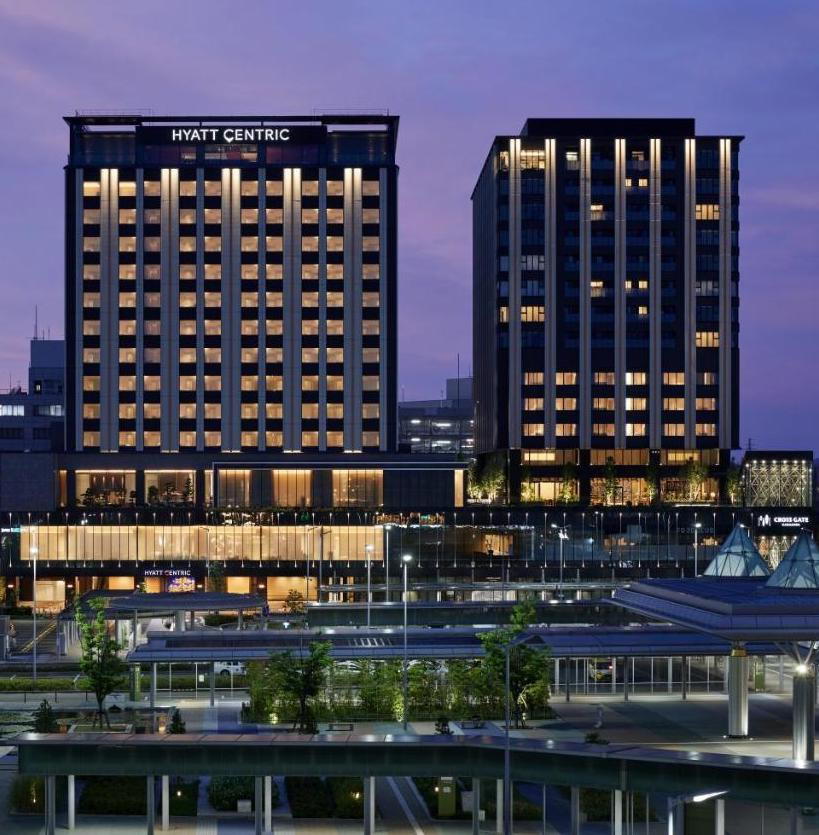
| Hyatt Centric Kanazawa | Contemporary city center hotel integrating local Kanazawa craftsmanship | $200–300 | Michelin Selected | Kanazawa |
| 観水庭 こぜにや | Traditional Japanese ryokan with heritage roots dating to 1948, positioned as an intimate boutique property emphasizing authentic hospitality and natural hot spring wellness. | Not listed | 4-Star | Eiraku Onsen |
| 扉温泉 明神館 | Traditional Japanese ryokan with modern renovations | Not listed | 4-Star | 入山辺 |
| Mitsui Garden Hotel Ginza Premier | Modern luxury tower hotel polished above Ginza with panoramic city views. | $200–300 | Michelin Selected | Ginza |
Recognition history
Dated appearances from independent guides and award organizations, with the underlying list record or original source where available.
Preferred Hotels Member
Preferred Hotels
Continue exploring
More in Kanazawa
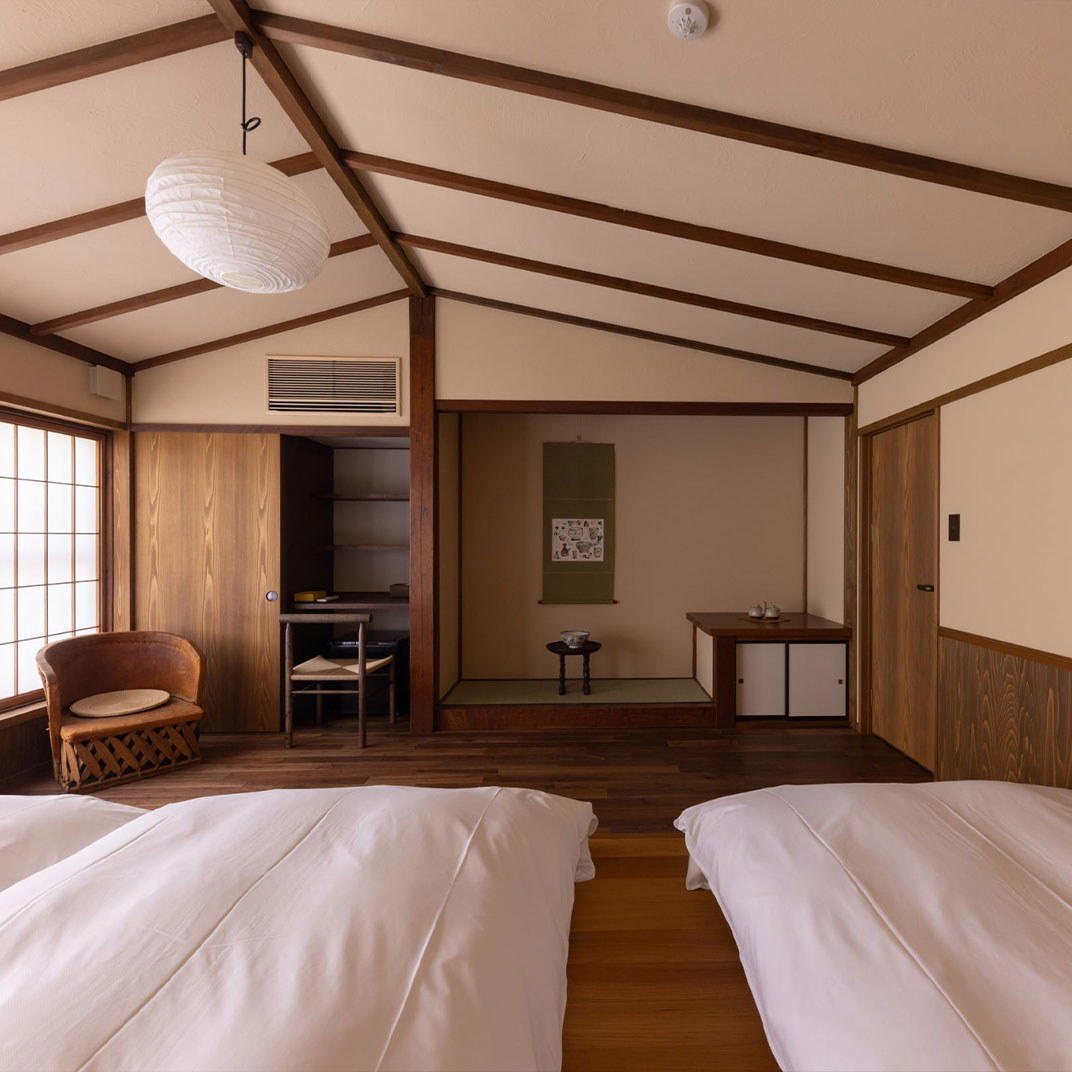
Hotels in Kanazawa
Browse all →
Bars in Kanazawa
Browse all →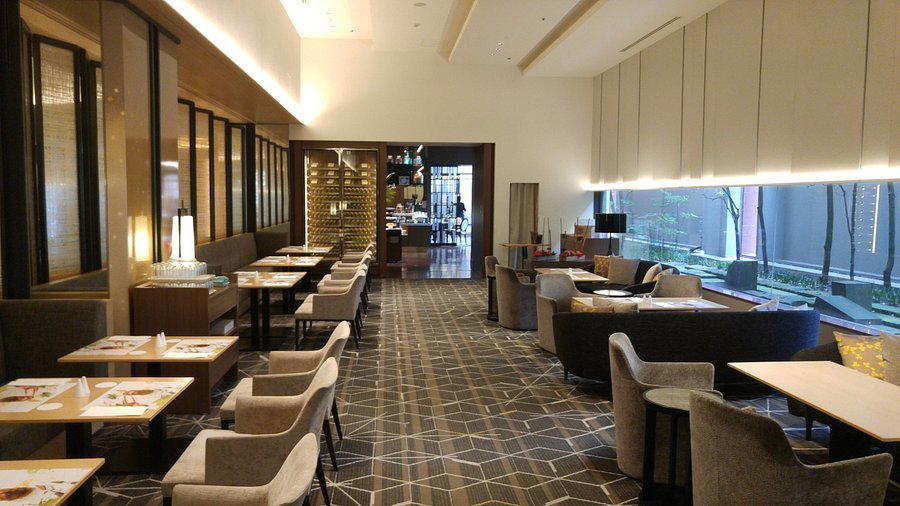
Restaurants in Kanazawa
Browse all →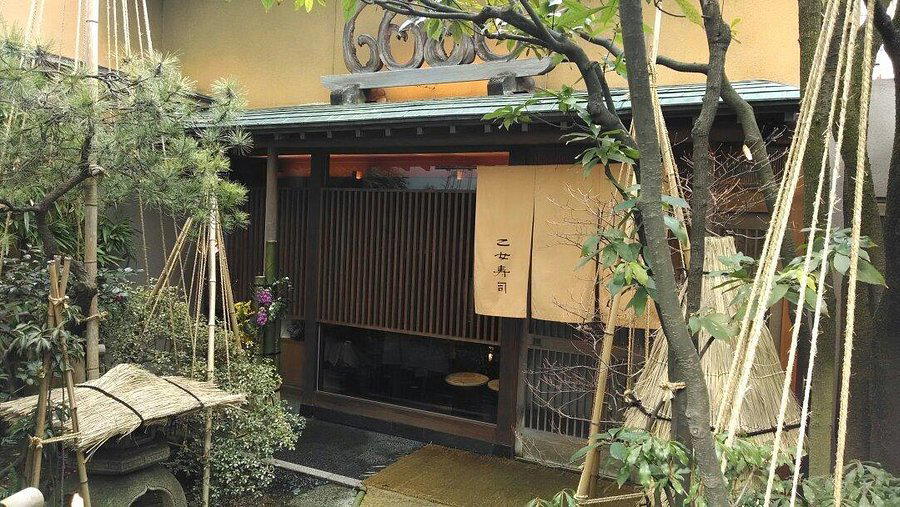
Wineries in Kanazawa
Browse all →
Details
- Elegant
- Modern
- Sophisticated
- Business Trip
- Weekend Escape
- Historic Building
- Wi Fi
- Fitness Center
- Room Service
- Concierge
- Laundry Service
- Wheelchair Accessible
- Elevator
- Step Free Entrance
Clean, comfortable rooms with air conditioning, modern lighting, and a refined, welcoming atmosphere praised by guests.