
Michelin Selected
Michelin Selected for 2025, Hyatt Centric Kanazawa sits in the Hirooka district and brings an internationally operated hotel format to one of Japan's most food-serious cities. The property gives travellers a reliable, well-located base from which to engage Kanazawa's layered culinary scene, from morning market visits to evening kappo dinners, without sacrificing brand consistency.

Pearl is the En Primeur Club membership app — saves, bookings, and concierge access live there. Same editors, same standards.
- Address
- 1 Chome-5-2 Hirooka, Kanazawa, Ishikawa 920-0031, Japan
- Phone
- +81 76-256-1234
- Website
- hyatt.com
- Directions
- Get directions
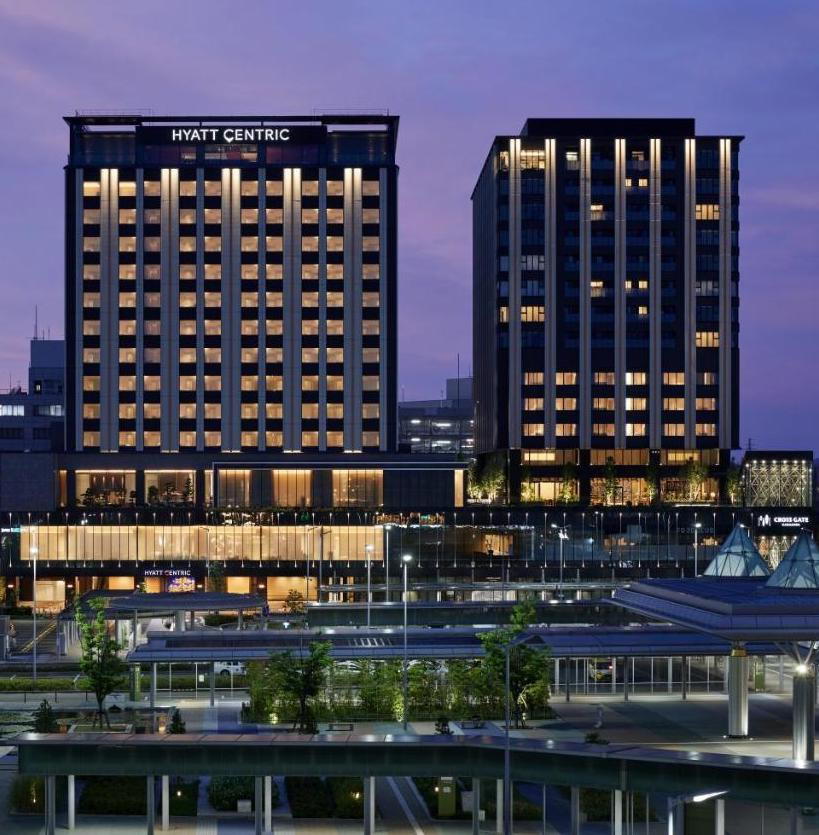
Where an International Hotel Format Meets Japan's Most Underrated Food City
Kanazawa has a particular pull on serious food travellers. The city escaped wartime bombing, which preserved its merchant-quarter architecture, its markets, and the unbroken chain of culinary knowledge that flows through them. Omicho Market remains one of the most active wholesale fish markets in Japan outside Toyosu, and the surrounding Higashi Chaya geisha district still frames an evening the way it did two centuries ago. Into this setting, the Hyatt Centric brand introduces a format designed for urban explorers: a mid-scale international hotel with enough operational polish to serve as a competent base, without the room count or spa infrastructure of the flagship luxury tiers. The property's 2025 Michelin Selected status confirms it meets a recognised threshold of quality, placing it in the broader cohort of Kanazawa accommodations that the guide considers worth recommending.
In a city where the local ryokan tradition runs deep, the Hyatt Centric model occupies a distinct tier. Properties like Tsuruko and Kanazawa Tokyu Hotel represent different positioning strategies: one leaning into the intimate, service-intensive ryokan format, the other operating as a longer-established Western hotel with local recognition. The Hyatt Centric sits between those poles, appealing to travellers who want brand familiarity and modern room standards alongside genuine proximity to the city's culinary core. Its address in the Hirooka district positions guests within reach of the key dining and cultural precincts without requiring a car.
Kanazawa's Culinary Identity and What It Means for Hotel Dining
Understanding the Hyatt Centric's dining proposition requires understanding the competitive pressure any hotel restaurant faces in Kanazawa. This is a city where the local restaurant culture is genuinely formidable. Kanazawa is often cited alongside Kyoto as one of Japan's most food-serious provincial cities, with a per-capita concentration of high-grade seafood, Kaga vegetables, and traditional preservation techniques that have sustained a local kappo and kaiseki tradition for generations. Hotel restaurants in this environment operate against an unusually strong external alternative: the reader who books a table at a local kappo counter will almost certainly eat better than the reader who defaults to in-house dining every evening.
That context shapes how the Hyatt Centric's dining programme should be read. The Centric brand globally tends toward accessible all-day dining concepts rather than destination-level tasting menus, and that positioning is appropriate for a city where the better culinary experiences consistently come from specialist restaurants rather than hotel kitchens. Travellers who use the property's restaurant for breakfast and casual meals, then direct their serious dining energy toward the city's independent operators, are making the rational choice. For comprehensive guidance on where to eat across the city's different meal occasions and price points, our full Kanazawa restaurants guide covers the independent scene in depth.
How Hyatt Centric Fits the Kanazawa Stay
Kanazawa typically works well as a two-to-three night stay within a longer Japan itinerary. The city's major draws, Kenroku-en garden, the 21st Century Museum of Contemporary Art, Higashi Chaya, and the samurai and geisha districts, can be covered in that window without feeling rushed. The Hyatt Centric's urban-focused format suits this pattern: it is not the kind of property that invites the extended, inward-looking stay that a property like Gora Kadan in Hakone or Zaborin in Kutchan might inspire. The value here is operational convenience and brand reliability within a city that rewards active engagement.
For travellers building longer Japan itineraries, the Kanazawa stop fits naturally between Kyoto and the Noto Peninsula or as part of a Hokuriku circuit. HOTEL THE MITSUI KYOTO represents the kind of deeper luxury positioning that Kyoto supports, while the Kanazawa leg can afford to be more operationally direct given that the city's cultural and culinary rewards come primarily from its streets and markets rather than from the hotel itself. Travellers looking for immersive ryokan experiences elsewhere in Japan might consider Asaba in Izu, Nishimuraya Honkan in Kinosaki-cho, or Kamenoi Besso in Yufu for that format done at high intensity.
Kanazawa in the Broader Japan Hotel Context
Japan's premium hotel market has fragmented sharply over the past decade. At the top tier, properties like Bvlgari Hotel Tokyo and Amanemu in Mie operate in a category defined by extraordinary capital expenditure and service depth. Below that, a wide mid-luxury and upper-midscale band covers properties that offer consistent standards without the architectural ambition or staff ratios of the summit tier. The Hyatt Centric brand sits in that second band globally, and the Kanazawa outpost is consistent with that positioning. It is not a competitor to Benesse House in Naoshima or Halekulani Okinawa in terms of conceptual ambition; it is a reliable operator in a city where the surrounding environment, rather than the hotel itself, does the heavy lifting.
For international travellers accustomed to properties like Badrutt's Palace Hotel in St. Moritz or Hôtel de Paris Monte-Carlo, the Hyatt Centric Kanazawa will read as a calibrated step down in hotel experience, compensated by the exceptional quality of the city itself. That trade-off is often worth making in Japan's secondary cities, where the most compelling experiences happen outside the hotel walls. Other properties in Japan's nature-and-culture orbit worth considering alongside this itinerary include Fufu Nikko, Fufu Kawaguchiko, and Satoyama-Jujo in Niigata, each of which takes a more destination-hotel approach to the Japan regional stay.
Planning Your Stay
Kanazawa is accessible by Shinkansen from Tokyo on the Hokuriku line, a journey of approximately two and a half hours, which has materially increased visitor numbers since the line's extension. Spring cherry blossom season and the autumn foliage months represent the highest-demand periods; booking accommodation several weeks ahead during those windows is prudent. The Hyatt Centric, operating within the World of Hyatt loyalty programme, handles reservations through standard brand channels. The Michelin Selected designation, current for 2025, applies to the hotel's overall quality of accommodation rather than to a restaurant programme specifically. Travellers arriving for food-focused stays should plan the bulk of their dining reservations independently before arrival, as Kanazawa's better kappo and kaiseki counters fill quickly, particularly on weekends and during peak travel seasons. Properties like Fufu Kyu-Karuizawa Restful Forest, Nasu Mukunone, and Atami Izusan Karaku offer useful comparison points for the regional Japan hotel format at various price levels.
Budget Reality Check
Comparable venues nearby, for context on price, style, and recognition.
| Venue | Price | Awards | Notes |
|---|---|---|---|
| Hyatt Centric KanazawaThis venue — the venue you are viewing | $200–300 | Michelin Selected | Not listed |
| Tsuruko | $200–300 | 1 Michelin Key | Downtown Kanazawa, Traditional Japanese ryokan with contemporary hospitality standards |
| Kanazawa Tokyu Hotel | $1–100 | Preferred Hotels Member | Kanazawa, Modern urban hotel blending Japanese hospitality with contemporary luxury |
| Takaragawa Onsen Osenkaku (宝川温泉 汪泉閣) | Not listed | 4-Star | Takaragawa Onsen, Traditional Japanese ryokan with historic charm since 1923 |
| Hyatt Centric Sapporo | Not listed | Not listed | Sapporo Station area, Upscale urban lifestyle hotel under the Hyatt Centric brand, positioned as a base for exploration in central Sapporo. |
| Sierra Resort Hakuba | $300–500 | Michelin Selected | Hakuba Village, Western-style luxury mountain resort blending contemporary comfort with traditional Japanese architecture and natural hot spring heritage. |
Recognition history
Dated appearances from independent guides and award organizations, with the underlying list record or original source where available.
Michelin Selected
Michelin
Continue exploring
More in Kanazawa
Hotels in Kanazawa
Browse all →
Bars in Kanazawa
Browse all →
Restaurants in Kanazawa
Browse all →
Wineries in Kanazawa
Browse all →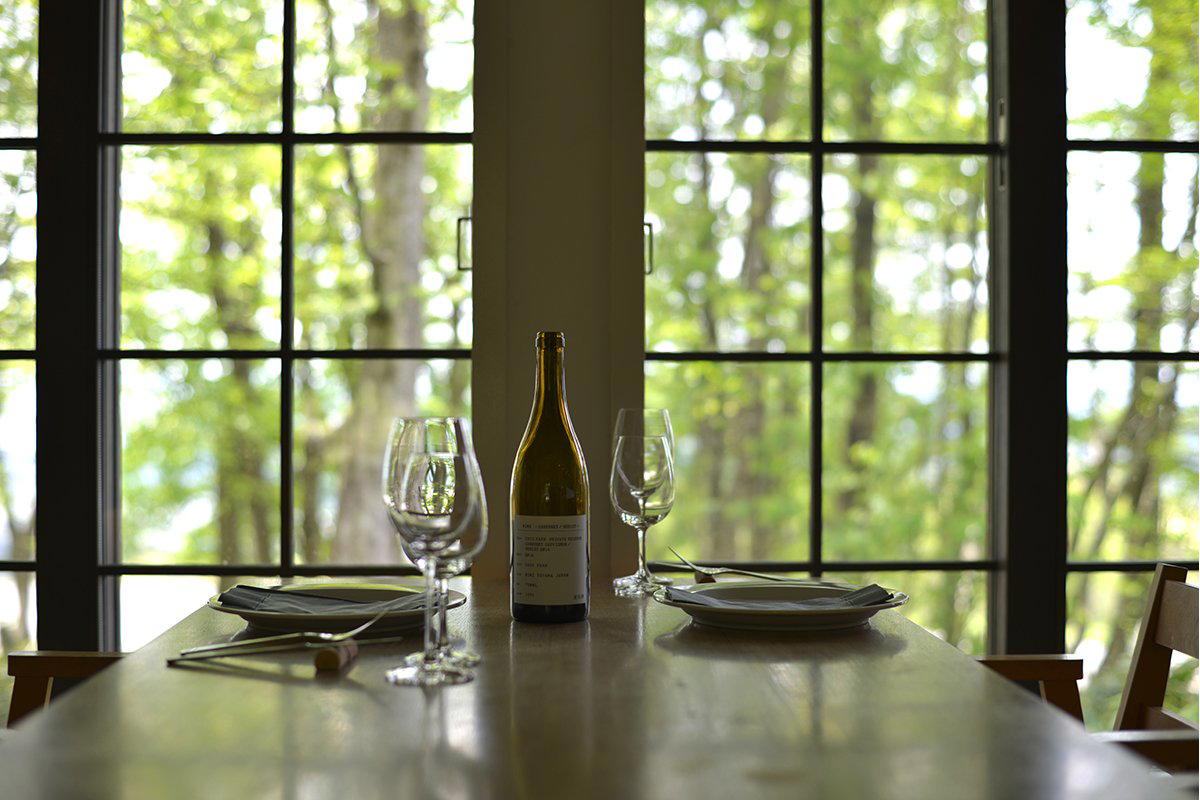
Details
- Modern
- Elegant
- Sophisticated
- Business Trip
- Weekend Escape
- Historic Building
- Design Destination
- Wi Fi
- Fitness Center
- Room Service
- Concierge
- Street Scene
- Wheelchair Accessible
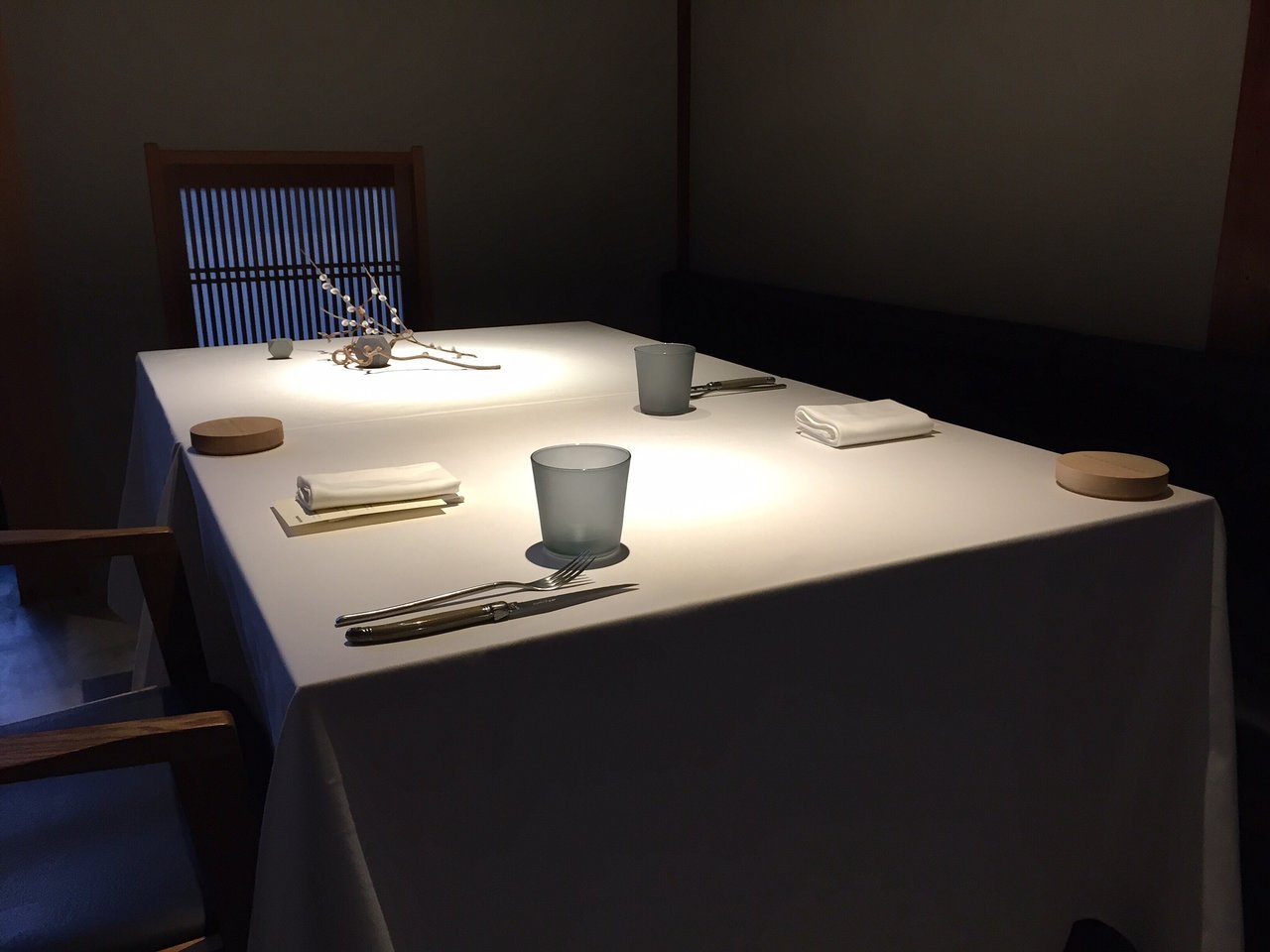
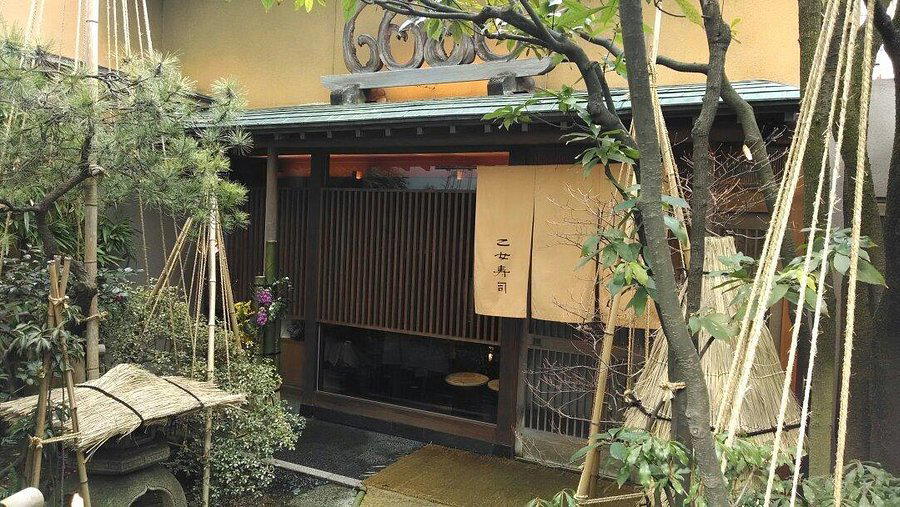
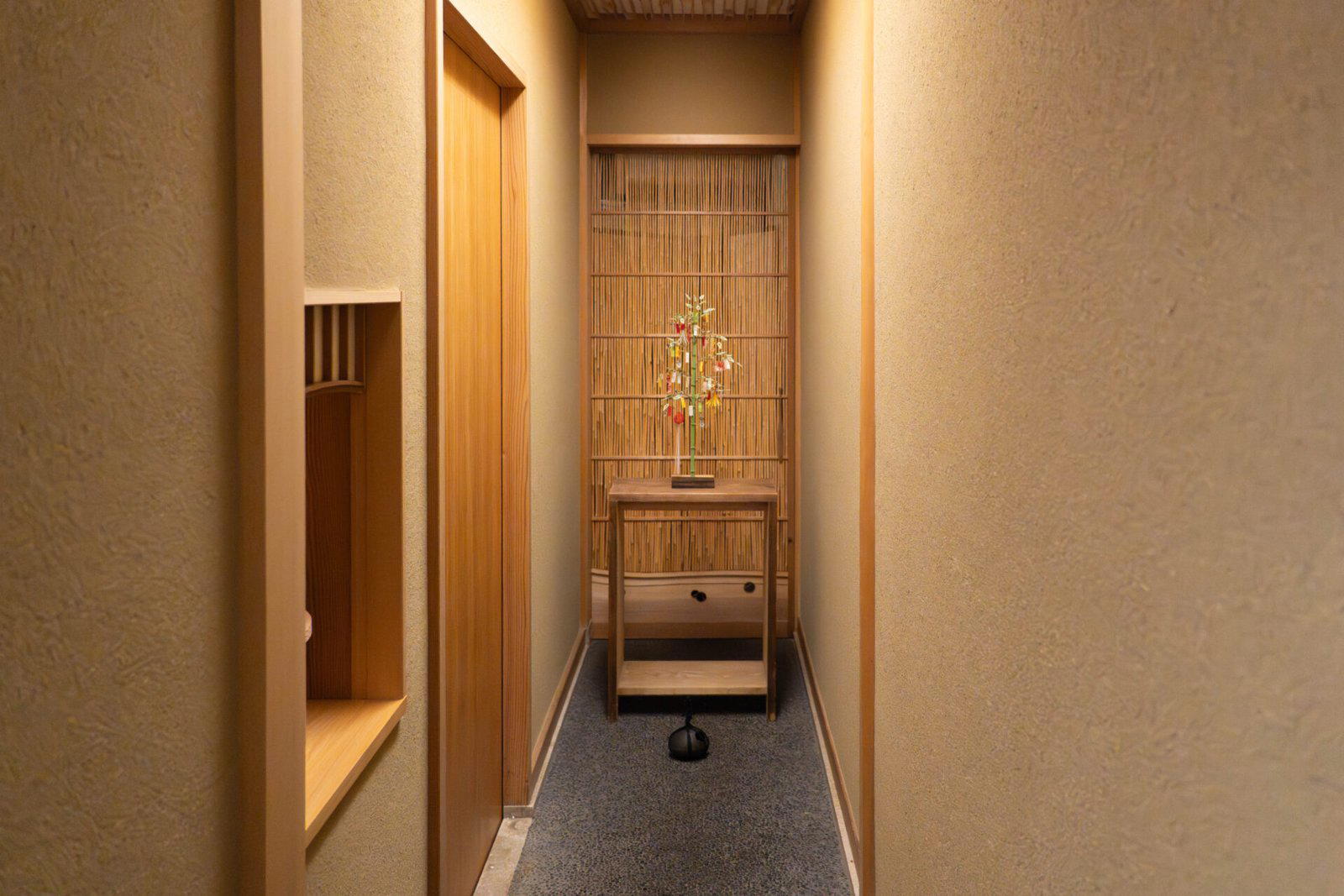
Bright and inviting with modern interiors, high ceilings, wooden lattices, cozy lobby fireplace, and stylish decor inspired by local heritage.