
A Tabelog Award Bronze winner operating from the Budoonomori estate outside Kanazawa, Les Tonnelles serves French cuisine framed entirely around the produce of its surrounding farm. The 16-seat dining room operates by reservation only, with a dedicated sommelier, English-speaking staff, and pricing that sits between JPY 6,000 and JPY 9,999 for set menus — considerably below what reviewers typically spend.
Pearl is the En Primeur Club membership app — saves, bookings, and concierge access live there. Same editors, same standards.
- Address
- Ha-50-1 Iwademachi, Kanazawa, Ishikawa 920-0171, Japan
- Phone
- +81 76-258-0204
- Website
- lestonnelles.budoo.co.jp
- Directions
- Get directions
 Saves & bookings on Pearl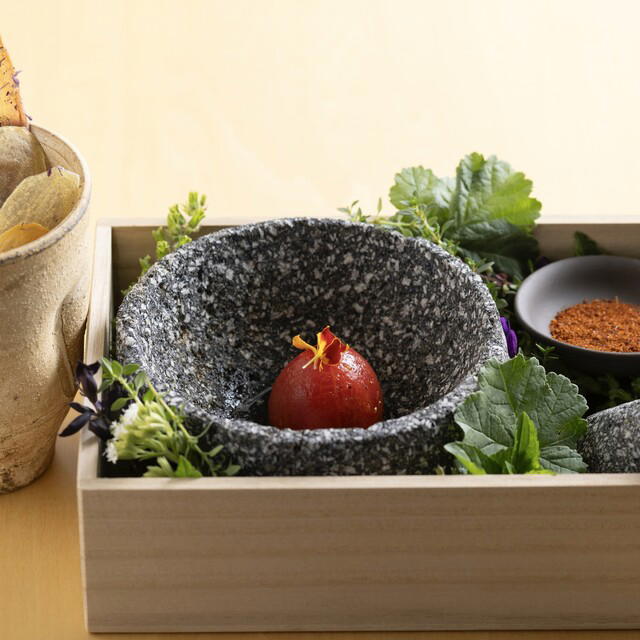
French Cooking on Kanazawa's Agricultural Fringe
The relationship between French technique and Japanese agricultural rigour has produced some of the country's most compelling dining. Across western Japan, a cohort of French restaurants has emerged that owes less to Paris than to the fields immediately outside their windows — places where provenance is not a marketing point but an operational reality. Budoonomori Les Tonnelles, situated roughly 25 minutes by taxi from JR Kanazawa Station on the Budoonomori estate in Iwademachi, belongs to that cohort. It opened in November 2019, and within a few years had accumulated recognition that places it clearly among the serious French addresses in the Hokuriku region: a Tabelog score of 4.00, The Tabelog Award 2026 Bronze, and selection for the Tabelog French WEST "Tabelog 100" in both 2023 and 2025.
That accumulation of recognition matters because the Tabelog 100 lists are competitive and geographically weighted. Being selected for the French WEST category twice, rather than once, signals sustained rather than momentary quality — the kind of consistency that comes from a kitchen with a fixed point of reference, in this case the estate itself.
The Estate as Ingredient Source
Farm-to-table as a phrase has been so overused that it now communicates almost nothing. The more precise question is always: how short is the chain, and how much does it actually shape the cooking? At Les Tonnelles, the answer appears structural rather than decorative. The restaurant operates within the Budoonomori estate, a grape-growing and winery operation, which means the kitchen's access to produce is tied to the land surrounding the dining room. The Tabelog listing frames this directly: "a true paradise that captures the humidity and aroma of the fields on your plate." That description points toward something specific about how terroir functions here, not as a wine concept imported awkwardly into food writing, but as a literal account of what happens when a kitchen draws from one consistent agricultural environment season after season.
This model has precedents elsewhere in Japan. HAJIME in Osaka and akordu in Nara both demonstrate how French or European-inflected cooking can achieve regional specificity through ingredient sourcing rather than through technique alone. L'Effervescence in Tokyo operates on similar principles, sourcing from a network of named farms. What distinguishes Les Tonnelles from urban equivalents is the physical immediacy: the estate is the source, not a network of partner farms reached by refrigerated van.
The Room and the Scale
The dining room holds 16 seats. That number is worth dwelling on. At 16 seats, the kitchen can maintain a level of precision and ingredient specificity that becomes structurally harder at larger capacities. The space is described as stylish, relaxed, and generously proportioned, a combination that suggests something other than the compressed intimacy of a city counter. The location within an estate property accounts for this: there is room, both literally and conceptually, to build a dining environment that does not feel like an urban restaurant transplanted to the countryside.
The venue carries a dress code with some specificity: T-shirts and shorts are discouraged, and guests are asked to avoid heavily scented perfume. This is not unusual for a restaurant at this recognition level, but it is worth noting that the policy also sets an expectation about the seriousness of the room. A 10% service charge applies, and major credit cards (Visa, Mastercard, JCB, Amex, Diners) are accepted. Electronic money and QR code payments are not.
For private or corporate use, the full space is available for groups of up to 20 people, slightly above the standard seat count, which implies some flexibility in configuration. Private rooms in the conventional sense are not available, but the full buyout option makes Les Tonnelles a credible consideration for smaller business dinners or special occasions where a wine estate setting adds something a city restaurant cannot.
The Wine Program
A sommelier is on staff, and the listing flags that the restaurant is "particular about wine", a Tabelog category designation that carries weight because it reflects consistent reviewer observation rather than the venue's own claim. Given that Budoonomori is at its core a wine estate, the cellar's depth and the sommelier's capability are presumably aligned with the estate's production focus and regional sourcing ethic. This is the kind of wine program that rewards a pre-dinner inquiry about what is currently in the cellar rather than defaulting to a standard French regional selection.
Wine estate dining of this type has a clear European reference point, most directly the tradition of domaine restaurants in Burgundy and the Rhône, places like Hotel de Ville Crissier that embed serious French cooking within a broader agricultural identity. Les Tonnelles operates on a smaller scale and in a very different cultural context, but the structural logic is the same: the wine and the food share a common root in the land.
Where Les Tonnelles Sits in Kanazawa's Dining Picture
Kanazawa has built a reputation for kaiseki as serious as anything Kyoto produces, supported by exceptional local seafood from the Sea of Japan and a rice and vegetable tradition tied to Kaga cuisine. The city's French dining, by contrast, occupies a smaller and less internationally discussed niche. Les Tonnelles is among the addresses that hold the tier together. Compared to Kataori or Kisanuki, which work within the kaiseki tradition, or Hamagurizaka Maekawa and Makinonci which represent different points on the city's dining spectrum, Les Tonnelles occupies a position that has no direct local competitor: French cooking anchored to an operational farm estate, outside the city centre, with a formal wine program.
The pricing structure reinforces this positioning. Listed menus run JPY 6,000 to JPY 7,999 at lunch and JPY 8,000 to JPY 9,999 at dinner, figures that look modest for a restaurant at this recognition level. However, Tabelog reviewer data shows actual spend averaging JPY 20,000 to JPY 29,999 at both meals, suggesting that the headline menu prices represent entry-level options and that the full experience, factoring wine, service charge, and likely supplementary courses, lands considerably higher. This is a meaningful gap and worth planning around. A dinner at Les Tonnelles is not a JPY 9,000 evening in practice.
Visitors connecting from the broader Hokuriku and Kansai circuit can cross-reference western Japan's French dining more fully through Goh in Fukuoka and Gion Sasaki in Kyoto for a sense of where the regional tier sits. Harutaka in Tokyo and 1000 in Yokohama offer different reference points for precision-focused dining in the broader Japanese context. Our full Kanazawa restaurants guide covers the city's full range, and guides to [Kanazawa hotels](), [bars](), [wineries](), and experiences are available for planning the wider visit. Komatsu represents another Kanazawa address worth considering for the same trip.
Planning a Visit
Les Tonnelles is reservation-only with no walk-in option, so forward booking through the restaurant's website is essential. The kitchen closes on Thursdays. Weekday lunch service runs 11:30 to 16:00 with food last orders at 13:00; dinner runs 18:00 to 22:00 with food last orders at 19:00. On Fridays, weekends, and public holidays, lunch begins at 12:00 with the same food cutoff. The estate has approximately 100 parking spaces, which matters given the location: this is not a venue easily reached on foot or by city bus. A taxi from JR Kanazawa Station takes around 25 minutes; from JR Morimoto Station, closer to the estate, around five minutes. The Kanazawa Morimoto interchange on the Hokuriku Expressway is three minutes away by car. English-speaking staff are on site, which removes the most common friction point for international visitors dining outside urban centres.
What to Order at Budoonomori Les Tonnelles
Because the kitchen's menus are not published in advance and change with the estate's seasonal output, specific dish recommendations require a current check with the restaurant. What the award record and sourcing model suggest, however, is that the most coherent way to approach the meal is to follow the kitchen's logic rather than to request modifications. A restaurant with a Tabelog 4.00 score, two consecutive Tabelog 100 selections, and a farm estate as its primary ingredient source is calibrated around a seasonal set menu rather than à la carte flexibility. The wine pairing, overseen by the on-site sommelier, is likely to be the most direct expression of the estate's identity. For a meal of this structure at this price point, the question is not what to order but how much time to allow, the food last order of 19:00 for dinner means arriving close to the 18:00 opening and committing to the full evening rather than treating it as a short dinner stop.
How Budoonomori Les Tonnelles Kanazawa compares with similar nearby venues.
| Venue | Cuisine | Price | Awards |
|---|---|---|---|
| Budoonomori Les Tonnelles | French | JPY 8,000 - JPY 9,999 JPY 6,000 - JPY 7,999 | Tabelog 100 #9 (2025), Tabelog Bronze #243 (2026) |
| Makinonci | French | Not listed | Not listed |
| Auberge eaufeu | French | Not listed | Not listed |
| Une Fleur | French | JPY 10,000 - JPY 14,999 JPY 8,000 - JPY 9,999 | Not listed |
| Belle Equipe | French | JPY 10,000 - JPY 14,999 JPY 2,000 - JPY 2,999 | Not listed |
| Reminiscence | French | Not listed | Not listed |
Recognition history
Dated appearances from independent guides and award organizations, with the underlying list record or original source where available.
Tabelog Bronze #243
Tabelog
Tabelog 100 #9 · No. 9
Tabelog · Tabelog 100 - French - WEST - 2025
Continue exploring
More in Kanazawa
Restaurants in Kanazawa
Browse all →
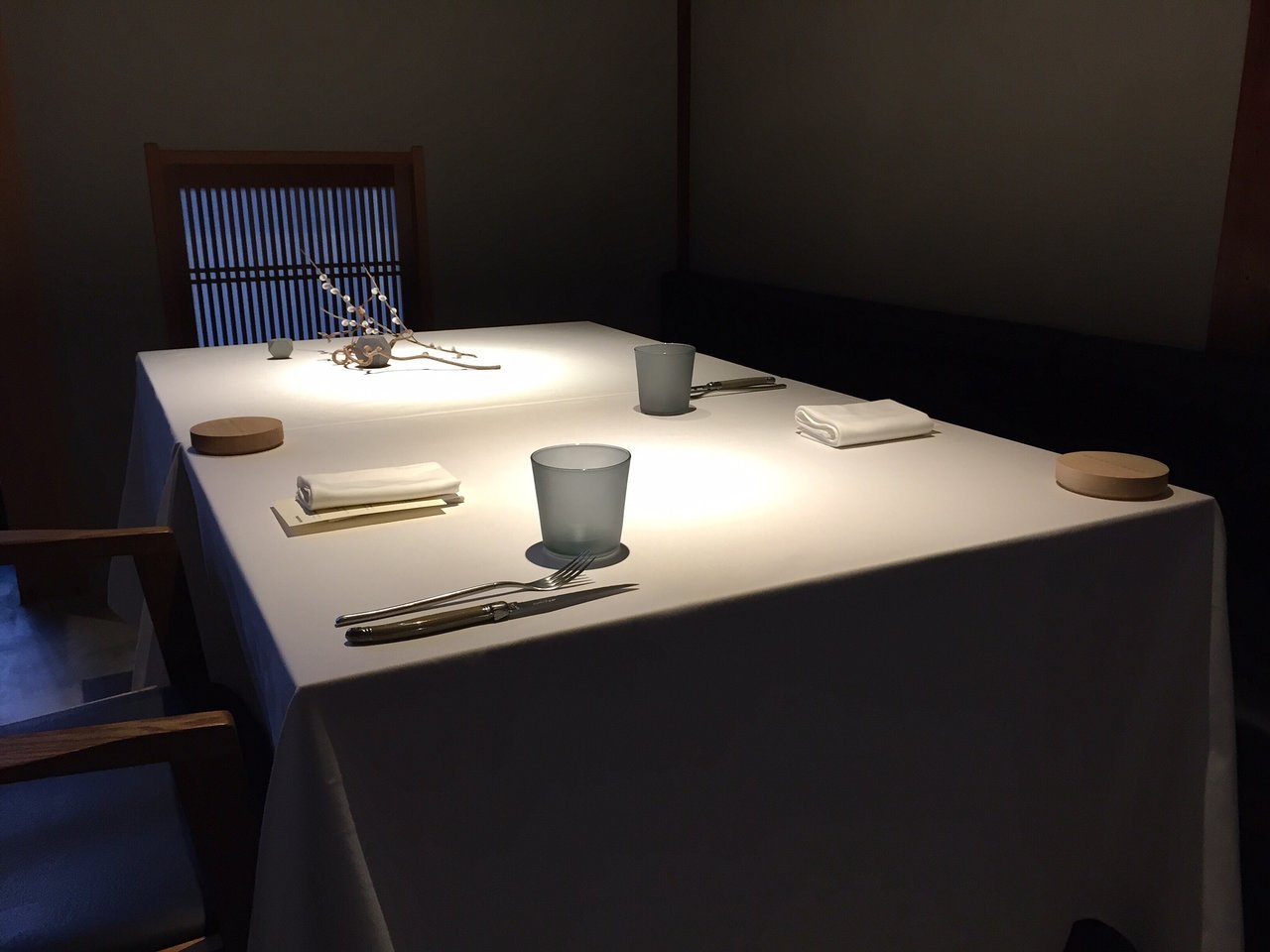
Bars in Kanazawa
Browse all →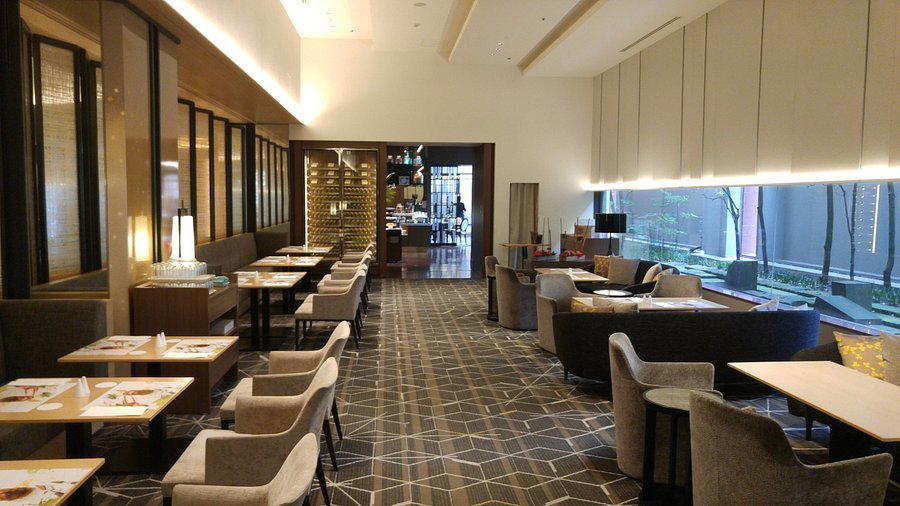
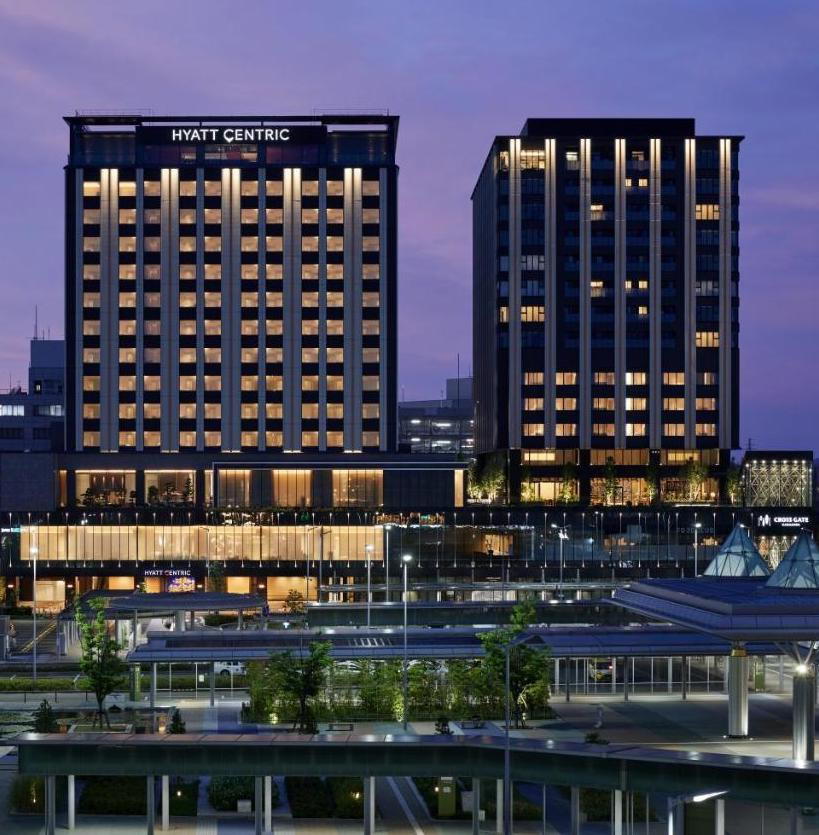
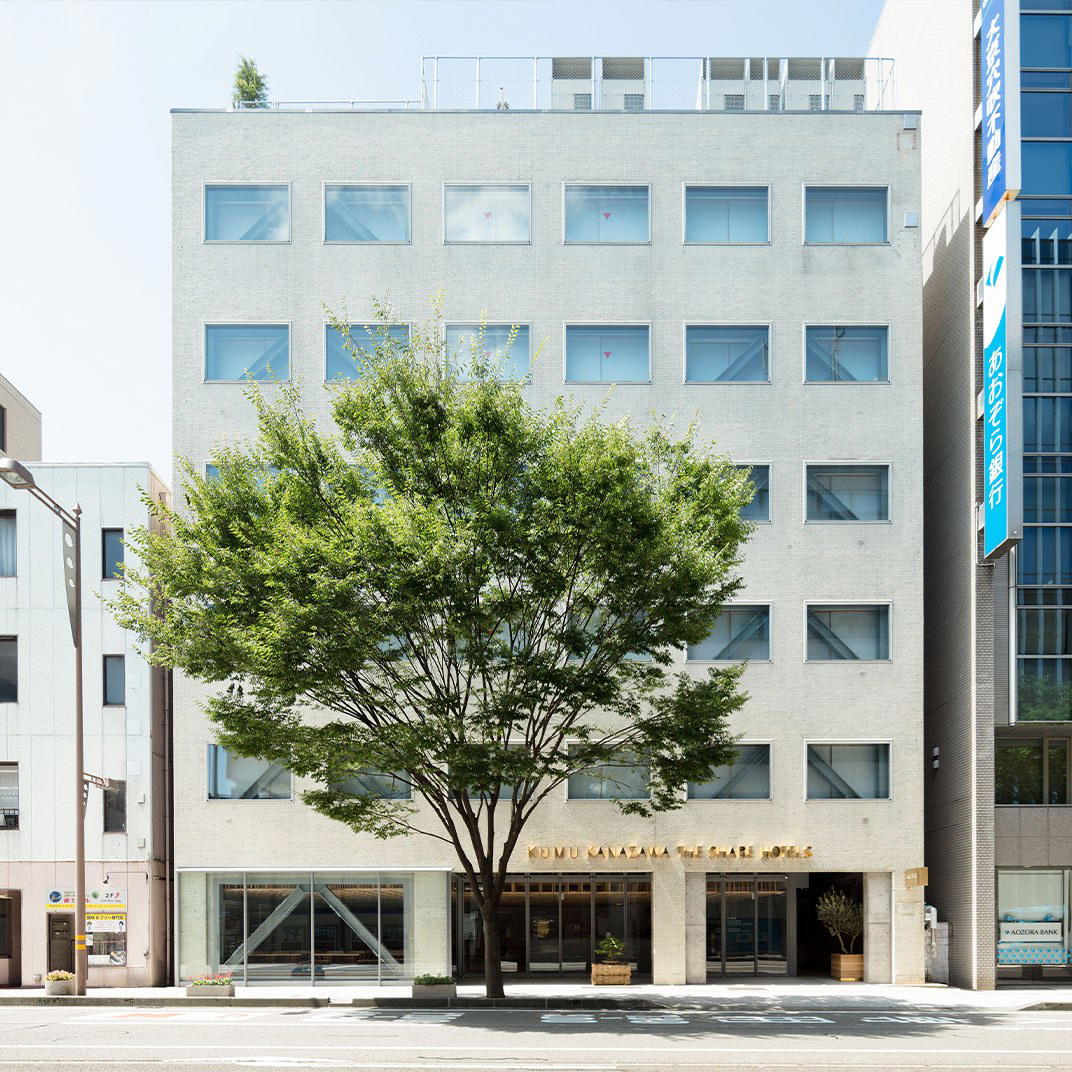
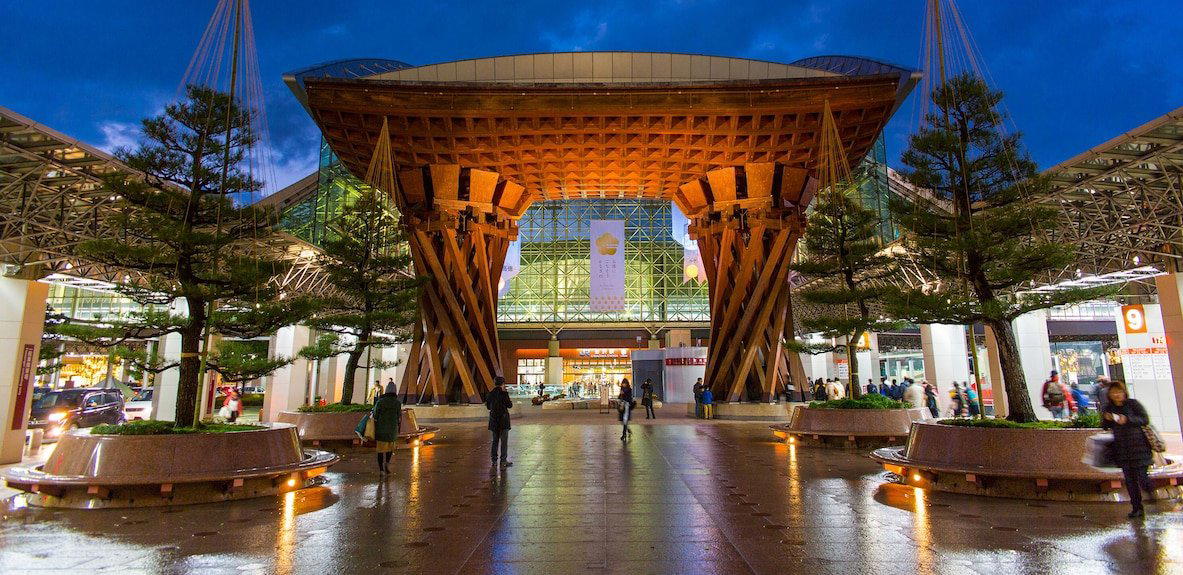
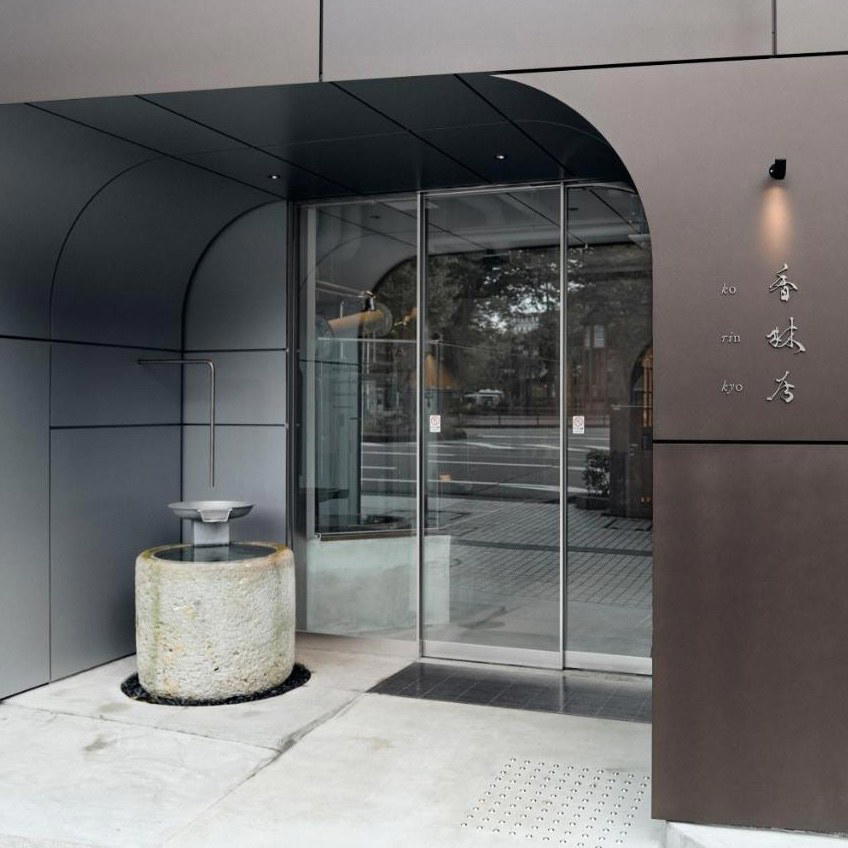
Hotels in Kanazawa
Browse all →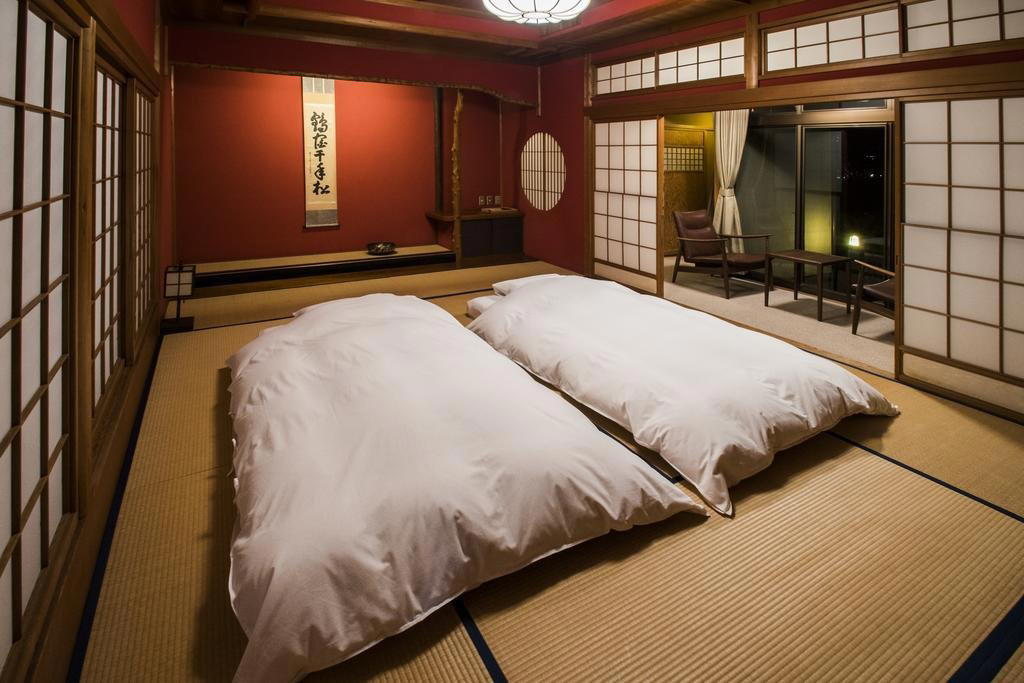
Wineries in Kanazawa
Browse all →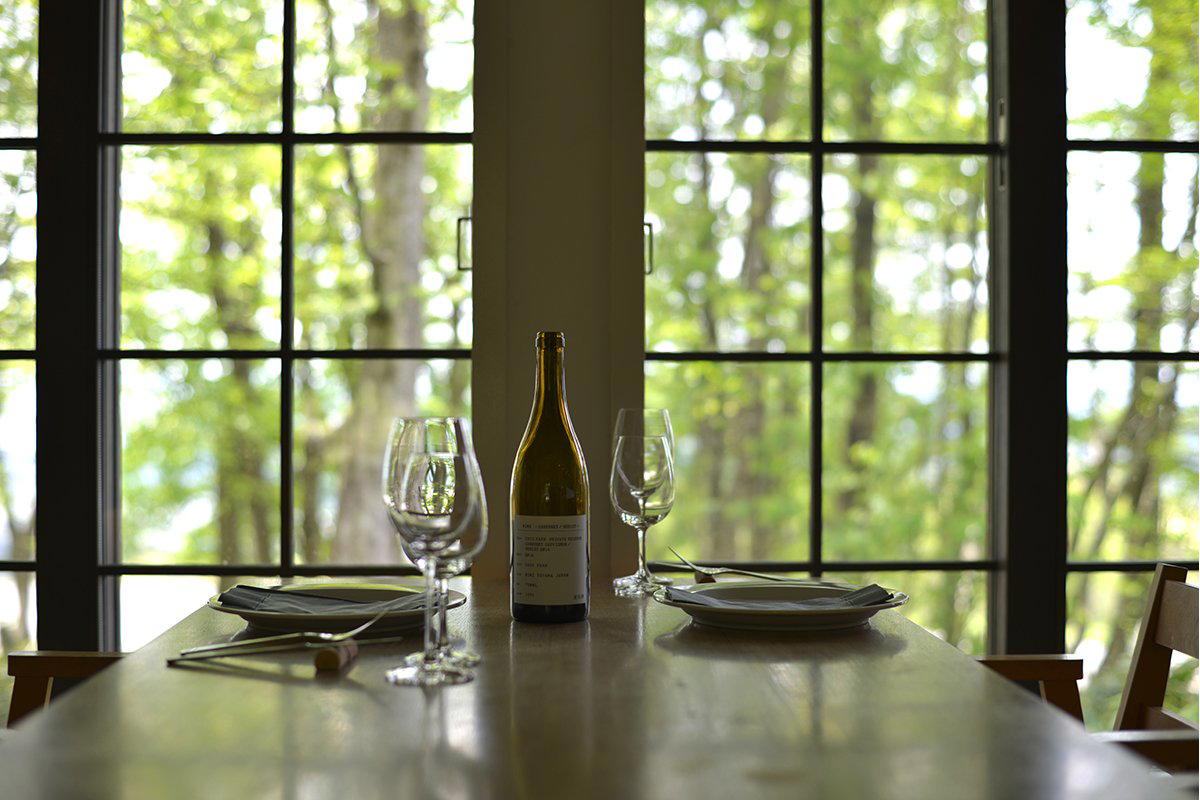
At a Glance
- Elegant
- Scenic
- Modern
- Sophisticated
- Date Night
- Special Occasion
- Celebration
- Design Destination
- Open Kitchen
- Garden
- Panoramic View
- Extensive Wine List
- Sommelier Led
- Farm To Table
- Local Sourcing
- Organic
- Vineyard
- Garden
Current opening hours
- Monday
- 12–4 PM, 6–10 PM
- Tuesday
- 12–4 PM, 6–10 PM
- Wednesday
- Closed
- Thursday
- 12–4 PM
- Friday
- 12–4 PM, 6–10 PM
- Saturday
- 12–4 PM, 6–10 PM
- Sunday
- 12–4 PM, 6–10 PM
Hours can change for holidays and private events. Last verified .
Bright, airy greenhouse environment with natural light filtering through paper tube architecture; minimalist yet warm atmosphere with views of grapevines and farmland; slow-paced, contemplative dining experience.
Know Before You Go
- Getting there
- Ha-50-1 Iwademachi, Kanazawa, Ishikawa 920-0171, Japan