In Nakagyo Ward, Kyoto, 座 龍峰 occupies a quietly considered address that positions it within the city's tradition of occasion dining. Kyoto's premium restaurant tier is built around formality, seasonal structure, and rooms designed for milestone meals, and this address belongs to that broader conversation. Visitors planning a significant dinner in Kyoto will find it warrants close attention alongside the city's established kaiseki houses.
 Discover on Pearl
Pearl is the En Primeur Club membership app — saves, bookings, and concierge access live there. Same editors, same standards.
- Address
- 726ー5 Shimomatsuyacho, Nakagyo Ward, Kyoto, 604-0034, Japan
- Phone
- +81752413770
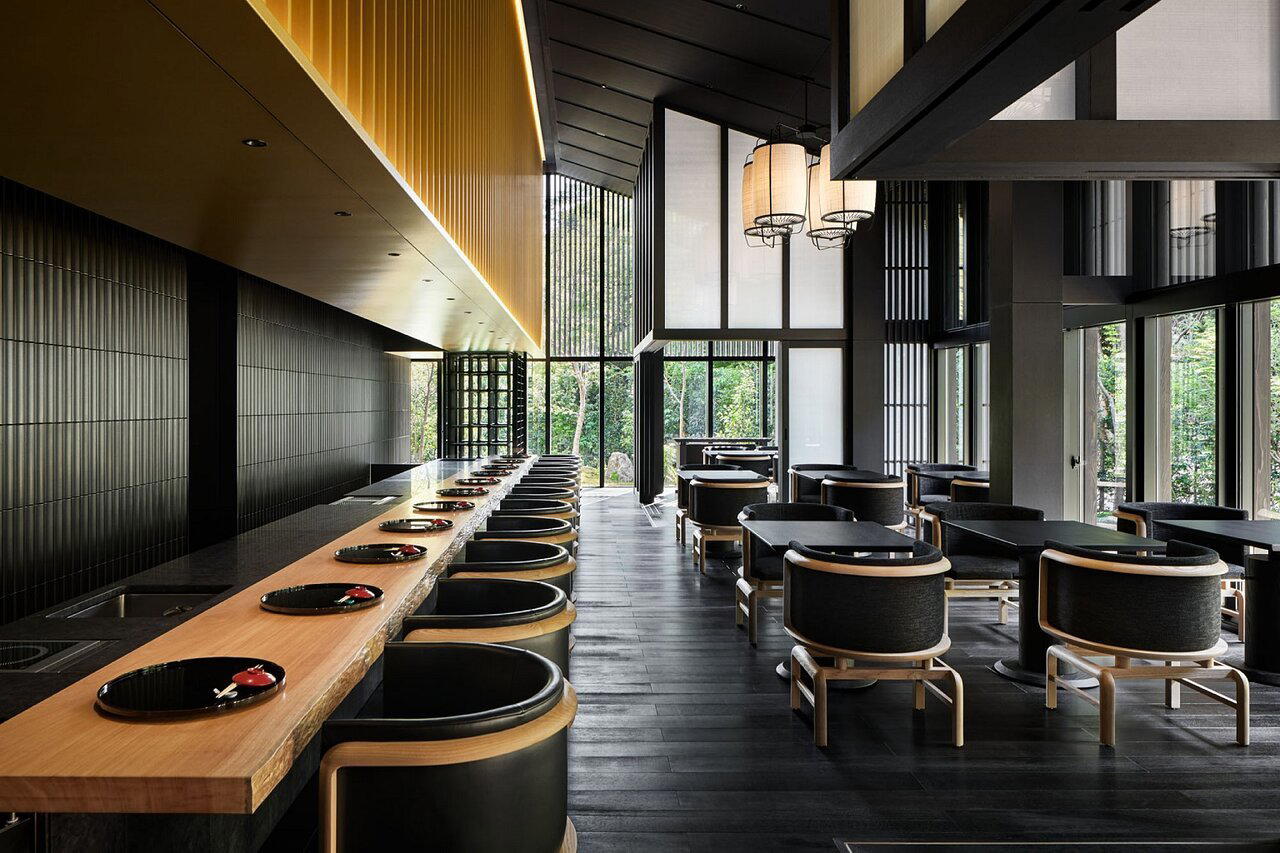
Occasion Dining in Kyoto: What the City's Premium Tier Demands
Kyoto has long set the standard for what a milestone meal should feel like in Japan. The city's dining culture is built around kaiseki's seasonal logic, rooms that reward silence, and a service register calibrated to mark occasions rather than simply feed guests. When a city produces venues like Gion Sasaki, Hyotei, and Kikunoi Honten at its top tier, the baseline expectation for any serious dinner address is already unusually high. 座 龍峰, located at 726-5 Shimomatsuyacho in Nakagyo Ward, enters that conversation from an address in Kyoto's Nakagyo Ward.
Nakagyo Ward occupies the geographical and cultural middle of Kyoto, flanked by the commercial density of Kawaramachi to the east and the quieter residential streets that slope toward the old imperial districts to the west. Premium dining addresses in this ward tend to operate with a lower public profile than those clustered around Gion or the established ryotei belt along the Kamo River, which means discovery often requires more deliberate effort. That lower visibility is not a signal of quality; it is a function of how certain Kyoto establishments have always positioned themselves, letting reputation travel by word rather than signage.
The Architecture of a Special-Occasion Room
Japan's occasion-dining rooms share a set of structural commitments that distinguish them from restaurants built for volume or visibility. Natural materials, carefully considered light sources, and a spatial generosity that slows the pace of a meal, these are the physical grammar of the format. Addresses in Nakagyo Ward that operate at the premium end of the Kyoto market typically work within machiya-derived layouts or purpose-built spaces that replicate their proportional restraint: narrow frontage, depth rather than breadth, and a progression from public street to private interior that itself functions as a kind of arrival ceremony.
For guests planning an anniversary, a significant birthday, or any meal that needs to hold memory, the physical environment is not incidental. Kyoto's top-tier restaurants, including Mizai and Isshisoden Nakamura, understand this, and their room design functions as a first course before any food arrives. Whether 座 龍峰 operates within that same spatial logic is something the address's Nakagyo location and the broader traditions of the ward suggest.
Placing 座 龍峰 in Kyoto's Competitive Picture
Kyoto's premium restaurant tier breaks into roughly two groups: the highly credentialed kaiseki houses with multi-decade track records and international recognition, and a smaller cluster of addresses that operate with less public data but maintain serious intent. The former includes names like Hyotei, with over 450 years of documented history, and Gion Sasaki, whose Michelin recognition keeps it in international conversation. The latter group is harder to map from the outside.
Across the Kansai region, the occasion-dining tier extends beyond Kyoto. HAJIME in Osaka represents a different expression of the same high-formality impulse, while akordu in Nara shows how the region's premium dining has diversified beyond traditional Japanese formats. For guests building a multi-city itinerary around significant meals, these reference points clarify where 座 龍峰's Kyoto address fits within a broader Kansai dining sequence.
Japan's national premium tier also offers useful orientation. Harutaka in Tokyo and Goh in Fukuoka each demonstrate how different cities have developed their own occasion-dining grammar, Tokyo's precision-led counter format versus Fukuoka's more ingredient-forward approach. Kyoto's contribution to that national conversation is its insistence on seasonal coherence and spatial ceremony, qualities that the city's leading addresses have refined over generations. Even addresses like 座 龍峰 sit within that tradition by virtue of location and the cultural expectations the city imposes on any dining room that operates at this register.
Seasonal Logic and the Occasion Calendar
Kyoto's restaurant culture is deeply calibrated to the seasonal calendar in a way that few other cities can match. Cherry blossom season in late March and early April drives demand at the city's premium addresses to its annual peak, reservations at the established kaiseki houses routinely close months in advance during this window. Autumn foliage season from mid-October through November creates a second demand spike of comparable intensity. Both periods represent the calendar moments when Kyoto's occasion-dining rooms are most sought after and most pressured.
Guests planning a milestone meal at 座 龍峰 or any comparable Nakagyo address should allow ample lead time. Contact the venue directly and as early as possible, especially for spring and autumn dates.
For guests open to occasion dining across Japan's wider geography, addresses like Abon in Ashiya, affetto akita in Akita, Aji Arai in Oita, Ajidocoro in Yubari District, Akakichi in Imabari, and aki nagao in Sapporo demonstrate how Japan's premium dining tier extends well beyond its major cities, each address operating within its own regional seasonal logic.
Planning a Visit: What to Know Before You Go
座 龍峰 is located at 726-5 Shimomatsuyacho, Nakagyo Ward, Kyoto 604-0034. The ward is accessible from Kyoto Station via the Karasuma subway line, with the central Nakagyo stops placing guests within reasonable walking distance of the address. As with most Kyoto premium dining rooms, arriving by taxi is the practical default for guests unfamiliar with the ward's street grid, particularly after dark when machiya-dense blocks can disorient even experienced visitors.
Guests should make direct contact with the venue well ahead of any intended visit, this is standard operating procedure for Kyoto's top-tier addresses regardless of their public profile. Verify through local concierge channels or the venue's own communications before finalising any occasion-dining plan built around this address. Internationally, occasion-dining reference points like Le Bernardin in New York City and Lazy Bear in San Francisco illustrate how the milestone-meal format operates across different culinary traditions.
Comparable Spots, Quickly
Comparable venues nearby, for context on price, style, and recognition.
| Venue | Cuisine | Price | Awards | Notes |
|---|---|---|---|---|
| 釜座 長島This venue — the venue you are viewing | Traditional Kaiseki | $$$ | , | |
| Morita Ya Shijo inokuma honten | Traditional Wagyu Sukiyaki & Shabu-Shabu | $$$ | , | Shimogyō |
| Charcoal fire izakaya Julia Wagyu specialty store | Charcoal Fire Izakaya with Wagyu Specialty | $$$ | , | Shimogyō |
| Tomikyu | Traditional Fugu & Hamo Kaiseki | $$$ | , | Higashiyama |
| Salon de Muge | Traditional Japanese Bento and Sweets | $$$ | , | Higashiyama |
| 祇園 一道 | Kyoto Kaiseki Omakase | $$$ | , | Higashiyama |
Continue exploring
More in Kyoto
Restaurants in Kyoto
Browse all →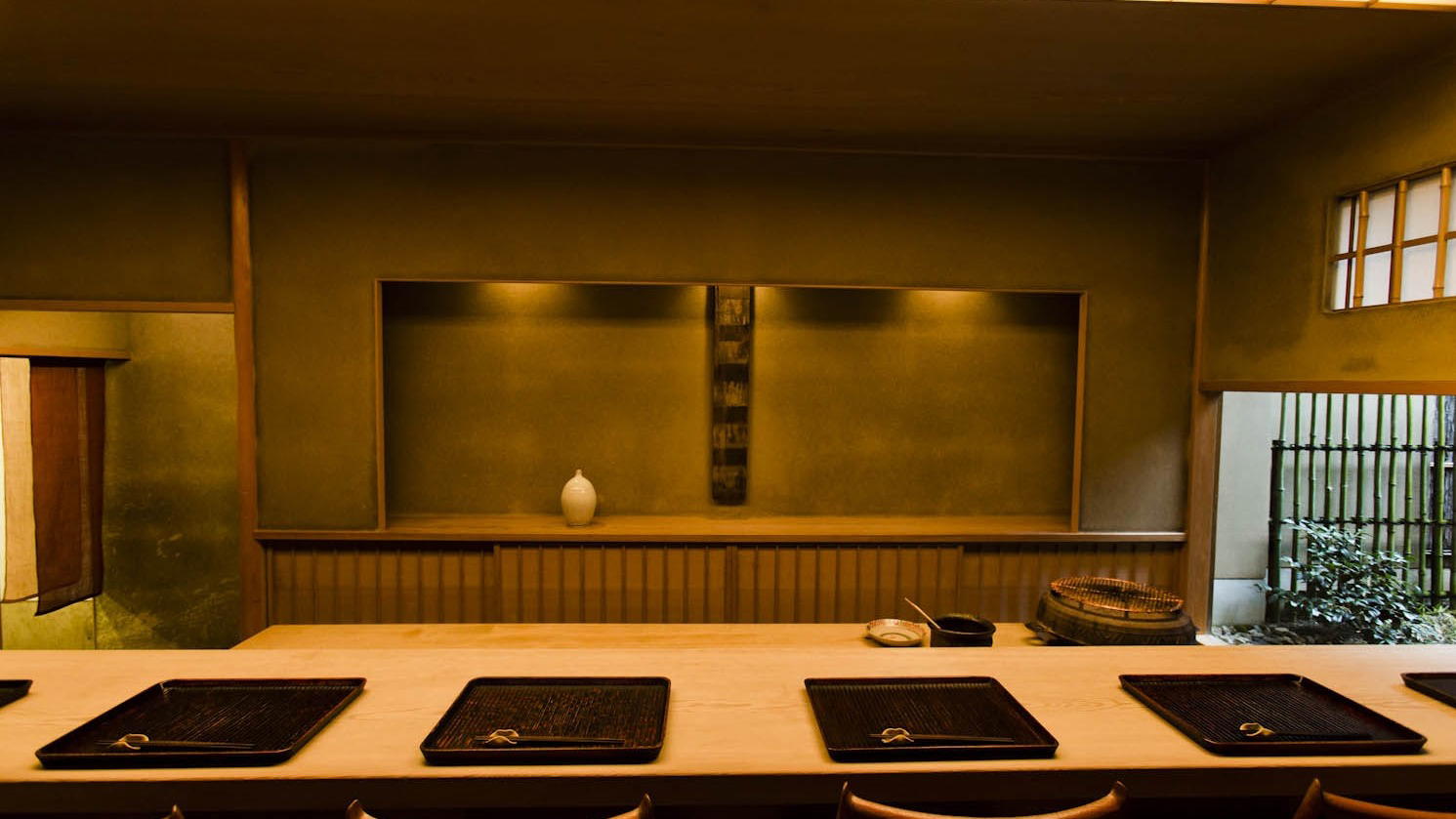
Bars in Kyoto
Browse all →
Hotels in Kyoto
Browse all →
Wineries in Kyoto
Browse all →
At a Glance
- Elegant
- Intimate
- Classic
- Quiet
- Date Night
- Special Occasion
- Celebration
- Open Kitchen
- Garden
- Historic Building
- Sake Program
- Local Sourcing
- Garden
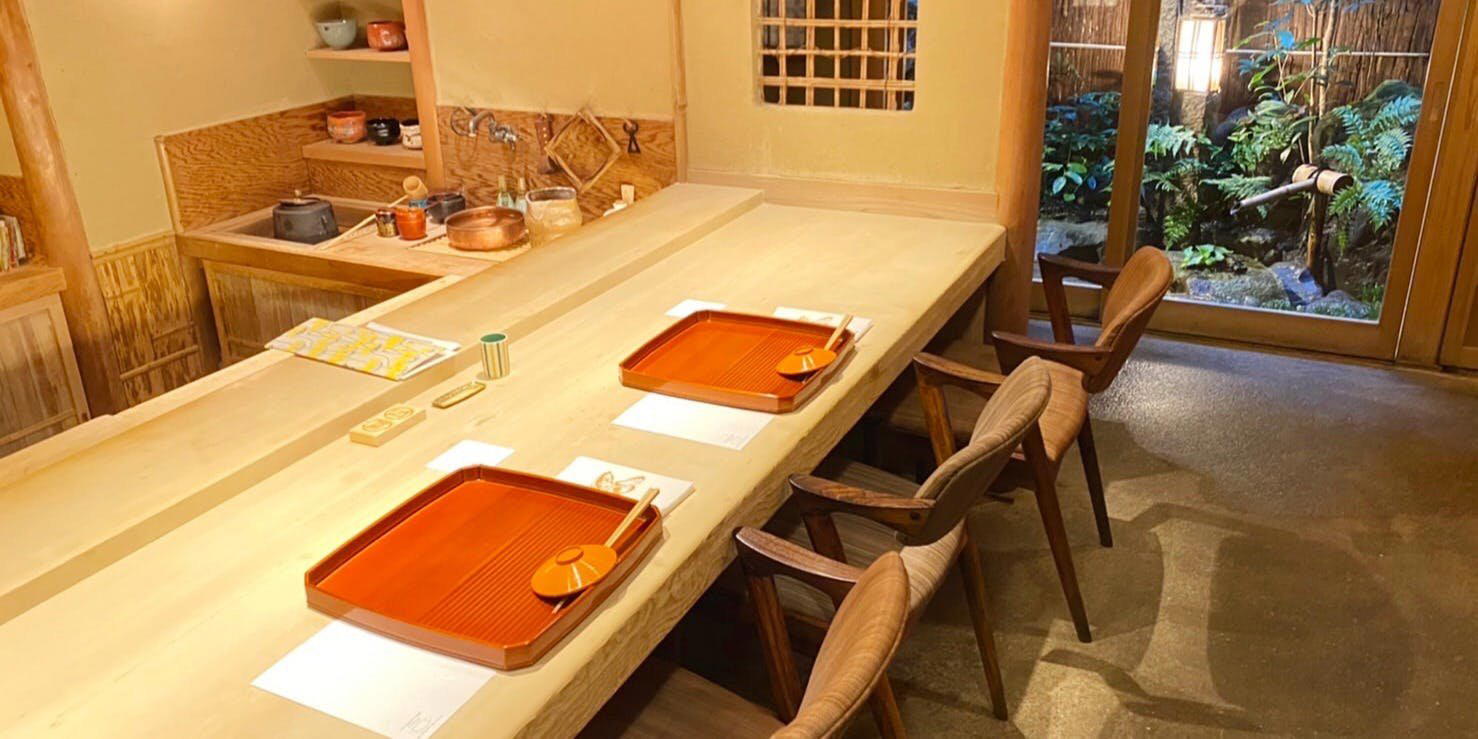
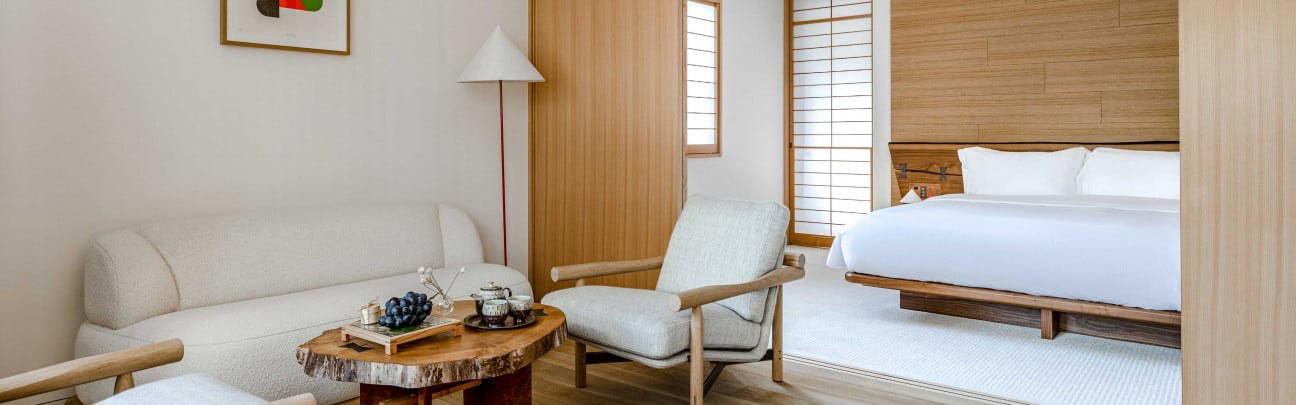
Soft, warm lighting in a traditional wooden interior with natural light filtering through paper screens; peaceful and contemplative atmosphere.