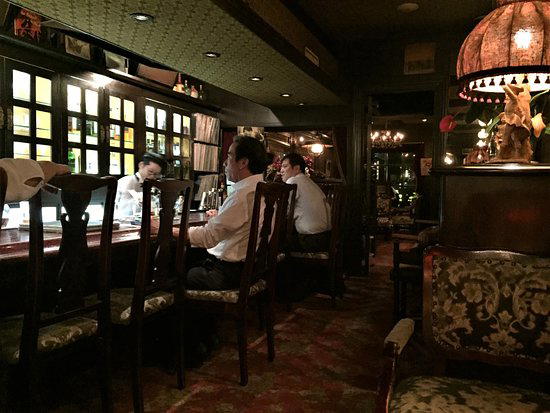
Charcoal fire izakaya Julia Wagyu specialty store serves Charcoal Fire Izakaya with Wagyu Specialty in Kyoto, with a sake program and street scene views.
Pearl is the En Primeur Club membership app — saves, bookings, and concierge access live there. Same editors, same standards.
- Address
- Japan, 〒600-8018 Kyoto, Shimogyo Ward, Ichinocho, 260-2 1F
- Phone
- +818088303939
- Website
- peraichi.com
- Directions
- Get directions
 Saves & bookings on Pearl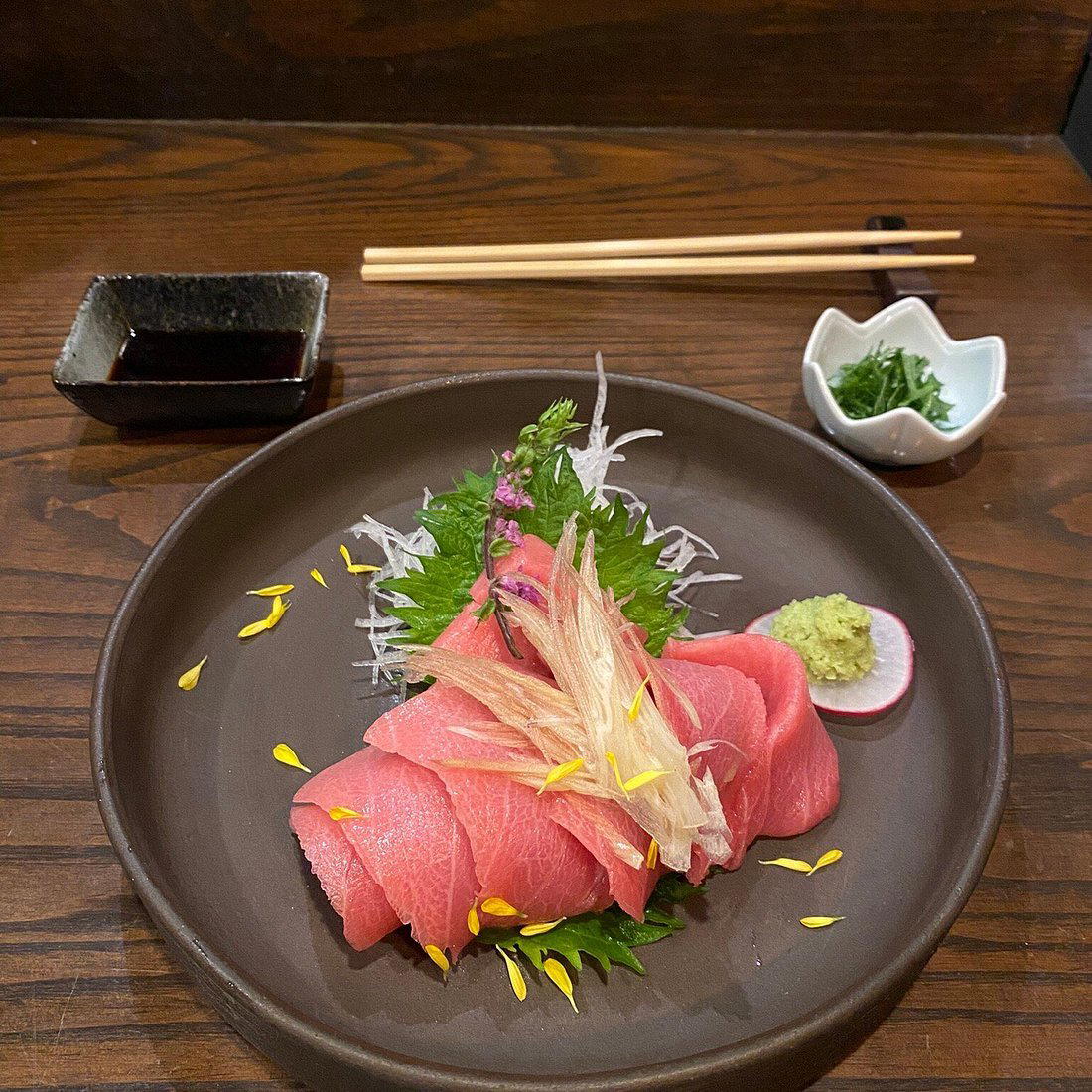
Smoke, Fire, and the Ritual of Wagyu in Shimogyo
In Kyoto's Shimogyo Ward, where machiya townhouse blocks give way to the quieter residential pockets south of Shijo, the charcoal-grilled izakaya occupies a distinct register in the city's dining ecology. These are not formal kaiseki rooms. They are rooms built around heat, repetition, and the kind of unhurried communal eating that the Japanese call nomunication. Charcoal fire izakaya Julia Wagyu specialty store operates within that tradition, with a specific focus on Wagyu.
The Grammar of a Charcoal Izakaya Evening
The dining ritual at a charcoal-focused izakaya differs structurally from any other Japanese format. Where a kaiseki meal like those at Gion Sasaki or Kikunoi Honten moves through a prescribed sequence governed entirely by the kitchen, and where an omakase counter like Harutaka in Tokyo places full authority with the chef, the izakaya inverts that relationship. Here, the table drives pace. Small plates arrive when ordered, beer and highballs run alongside food rather than after it, and the meal is considered successful if nobody can quite remember when to stop. This is not a format suited to a single-dish sprint; it rewards guests who settle in.
Wagyu, as the specialty at Julia, shapes that pacing with particular logic. High-grade Wagyu is fatty enough that large portions overwhelm the palate quickly, so the format naturally tends toward smaller, precisely grilled cuts spaced across the meal. Charcoal grilling, rather than an iron teppan or a gas burner, adds a faint bitterness at the crust that cuts through the fat, making successive servings more manageable. Across Japan's grilling culture, from the robatayaki counters of Hokkaido to the yakiniku rooms of Tokyo's Roppongi, the argument for charcoal over gas is the same: Binchotan white charcoal holds a steady, radiant heat without chemical flare-up, and it allows the cook to modulate temperature by moving coals rather than turning a dial. That control matters most when the ingredient is as expensive and specific as graded Wagyu.
Where This Fits in Kyoto's Dining Spectrum
Kyoto's dining identity, as exported through international press and guided tours, rests almost entirely on the kaiseki tradition. Houses like Hyotei, Mizai, and Isshisoden Nakamura represent that formal tier, with multi-course menus that can run well past ¥30,000 per head and booking windows measured in months.
But Kyoto also has a working izakaya culture that feeds residents rather than tourists, and that sector is considerably less visible to visitors arriving via hotel concierge recommendations. Shimogyo Ward, where Julia sits at the Ichinocho address, is a practical neighbourhood: close enough to Kyoto Station to attract commuters, removed enough from Gion to avoid the high-tourist-density pricing that inflates bills in the Hanamikoji vicinity. A Wagyu-specialist izakaya in this location is priced against locals and regular visitors rather than against the kaiseki rooms, which means it occupies a different competitive band from the ¥¥¥¥ tier that dominates critical coverage of Kyoto's food scene.
Wagyu as a Specialist Focus
Across Japan's grilling culture, the decision to specialise in Wagyu rather than operate a broader izakaya menu signals something deliberate about sourcing. A general izakaya might list Wagyu as a premium option alongside chicken, pork, and vegetables. A Wagyu specialty store, by contrast, organises its entire procurement around one protein category, which implies relationships with specific cattle farms or distributors and a kitchen structured to handle high-fat beef at multiple price points and grades. That specialisation exists in parallel formats across Japan: the single-protein yakitori counter that serves only chicken from one producer, the tonkatsu restaurant that works exclusively with Kagoshima kurobuta pork, the tuna-specialist sushi counter. Julia's naming as a Wagyu specialty store places it in that single-protein specialist category, which is a legitimate and well-established format in Japanese dining, rather than a marketing position.
Regionally, Wagyu grilling culture has strong anchors in Kansai. Osaka, an hour by shinkansen, has a dense cluster of yakiniku and grilled-beef specialists; restaurants like HAJIME represent the haute end of Osaka's dining scene, while the city's mid-range beef counters set the competitive baseline for the region. Kyoto's proximity to Hyogo Prefecture, source of Kobe beef, means high-grade Wagyu supply chains are well-established across the Kansai region. A Kyoto-based Wagyu specialist can draw from that regional infrastructure. For broader context on Japan's specialist dining formats, properties like Goh in Fukuoka and akordu in Nara show how single-focus approaches play out in different cities and cuisines across the country.
Planning a Visit
Julia is located at 260-2 Ichinocho, 1F, Shimogyo Ward, Kyoto, a short walk from Kyoto Station's central exits, which makes it accessible without requiring navigation into the city's narrower historic lanes. The izakaya format in Japan generally rewards arriving with a group of two to four, since the ordering logic assumes a shared table and sequential rounds of small plates rather than individual composed meals. For solo diners or couples, sitting at the counter, if available, is conventional at this format of restaurant. The restaurant is open Monday through Saturday from 7 to 11 PM and is closed on Sunday. Reservations are essential. For those building a broader Kyoto itinerary, the Shimogyo location works well as an evening counterpoint to daytime visits to Nishiki Market or the temple districts to the northeast.
Visitors planning multiple dining stops across the Kansai region may also find value in comparing notes across formats: Abon in Ashiya, affetto akita in Akita, Aji Arai in Oita, Ajidocoro in Yubari District, Akakichi in Imabari, and aki nagao in Sapporo each represent distinct regional approaches to precision dining that sit outside the Michelin-centric narrative. Internationally, the charcoal-grill specialist format has parallels in format-focused tasting venues like Lazy Bear in San Francisco and the protein-led tasting approach of Le Bernardin in New York City, though the cultural and structural distance from a Shimogyo izakaya could hardly be greater.
Booking and Cost Snapshot
Comparable venues nearby, for context on price, style, and recognition.
| Venue | Cuisine | Price | Notes |
|---|---|---|---|
| Charcoal fire izakaya Julia Wagyu specialty storeThis venue — the venue you are viewing | Not listed | $$$ | Not listed |
| Hotel De Ogawa | Shimogyō, Traditional Japanese Izakaya | $$$ | Not listed |
| 菊乃井 露庵 | Nakagyō, Traditional Kaiseki Omakase | $$$ | Not listed |
| Uzura Ya Kyoto ・ shijo | Not listed | $$$ | Higashiyama, Traditional Yakitori Counter |
| GYUKATSU Kyoto Katsugyu Teramachi Kyogoku | Not listed | $$$ | Nakagyō, Gyukatsu (Breaded Beef Cutlet) |
| Agotsuyu Shabushabu Yamafuku | Nakagyō, Kyoto-Style Shabu-Shabu | $$$ | Not listed |
Continue exploring
More in Kyoto
Restaurants in Kyoto
Browse all →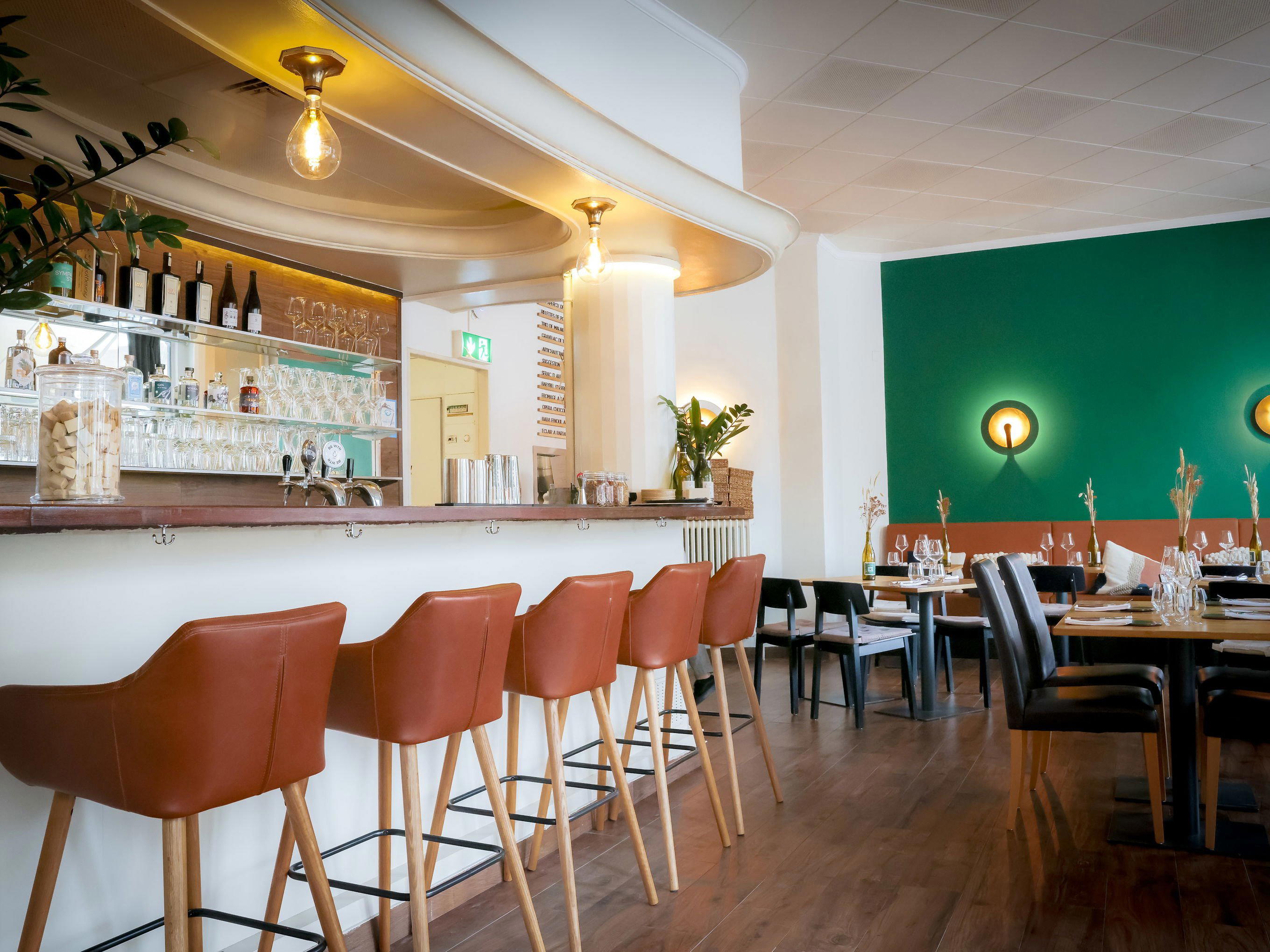
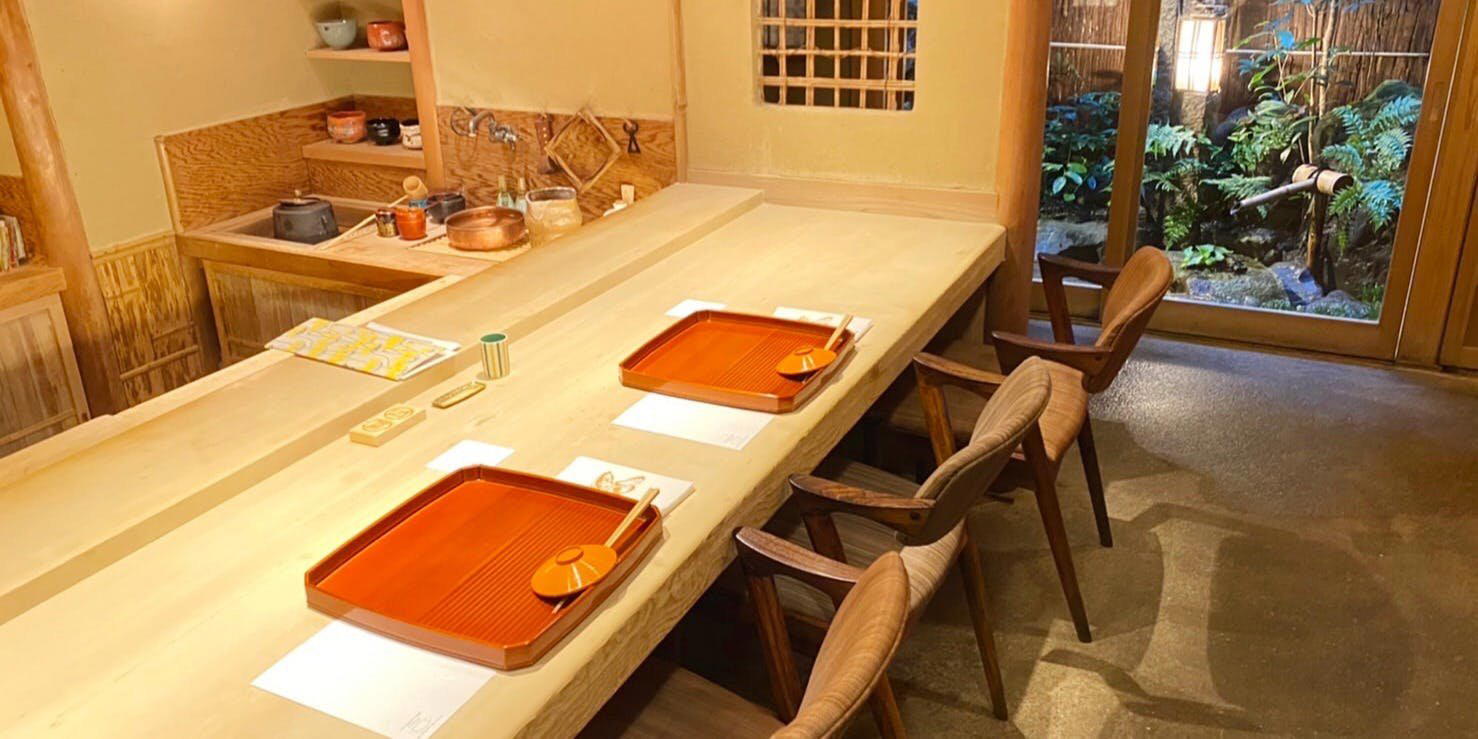
Bars in Kyoto
Browse all →
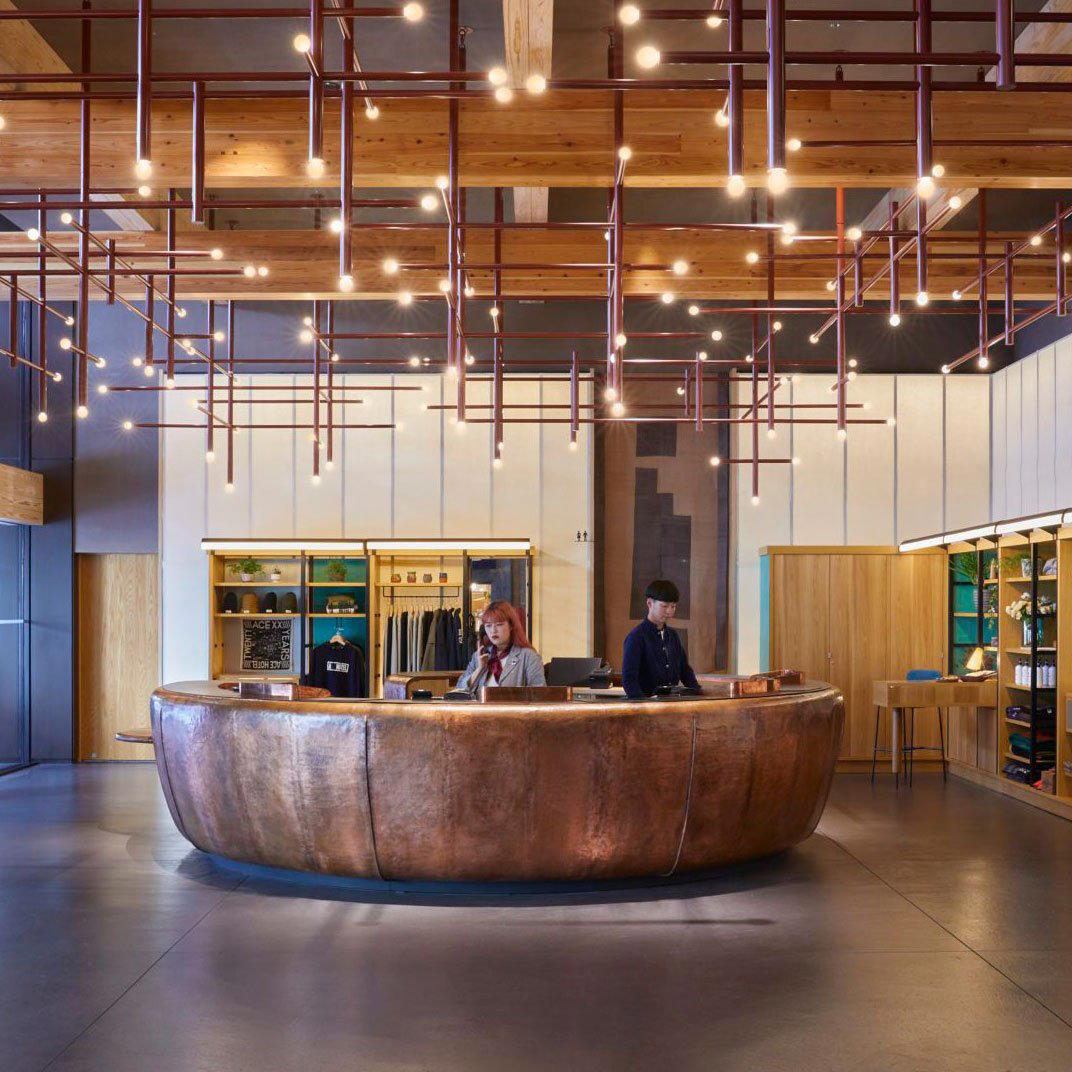
Hotels in Kyoto
Browse all →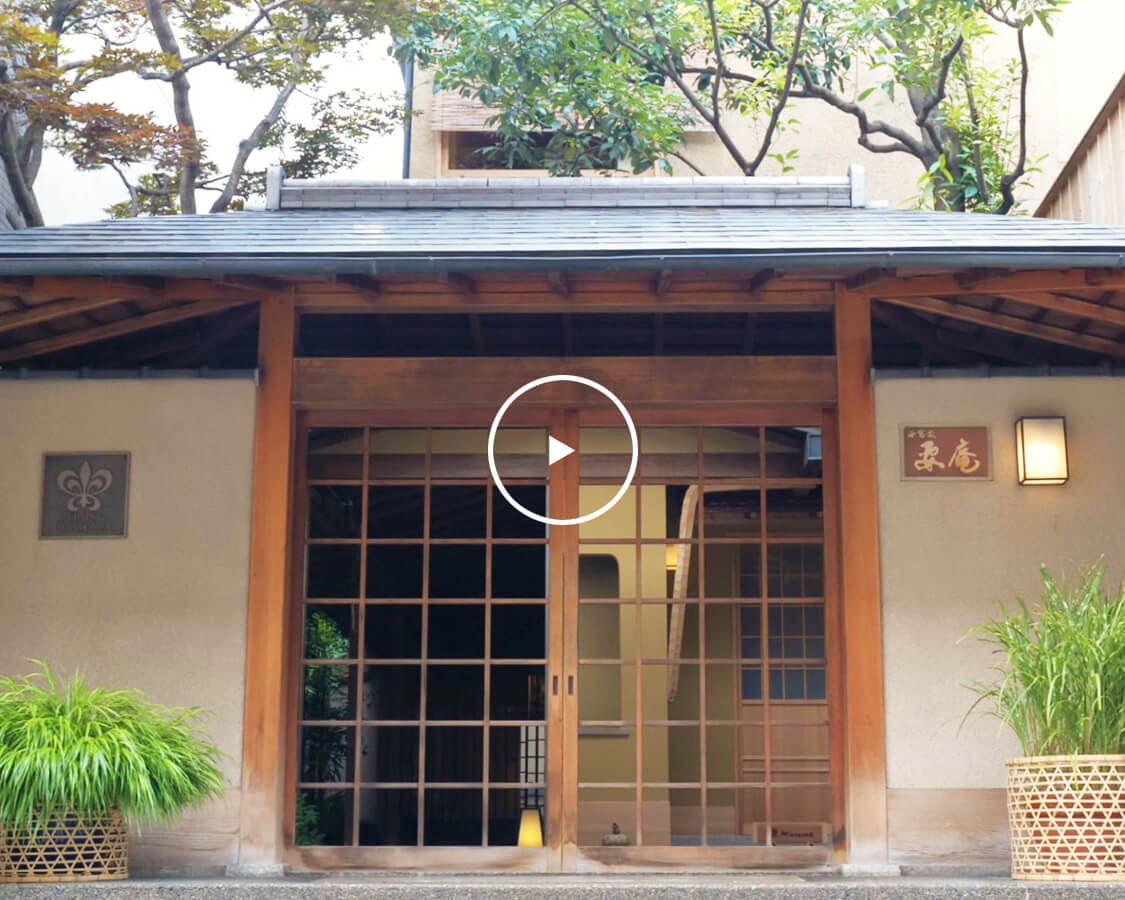
Wineries in Kyoto
Browse all →
At a Glance
- Elegant
- Relaxed
- Intimate
- Solo
- Date Night
- Special Occasion
- Open Kitchen
- Sake Program
- Street Scene
Current opening hours
- Monday
- 7–11 PM
- Tuesday
- 7–11 PM
- Wednesday
- 7–11 PM
- Thursday
- 7–11 PM
- Friday
- 7–11 PM
- Saturday
- 7–11 PM
- Sunday
- Closed
Hours can change for holidays and private events. Last verified .
Stylish and relaxing space with counter seating in a renovated traditional interior.