
Tabelog 100 #75
Our verdict
Salon de Muge occupies a Higashiyama address that places it within one of Kyoto's most historically layered dining corridors, where traditional formats and contemporary ambitions coexist at close quarters. Compared to the kaiseki counters that define this city's premium tier, Salon de Muge operates in a register that rewards careful planning and advance research before arrival.

Pearl is the En Primeur Club membership app, where members save venues, book tables and use the concierge.
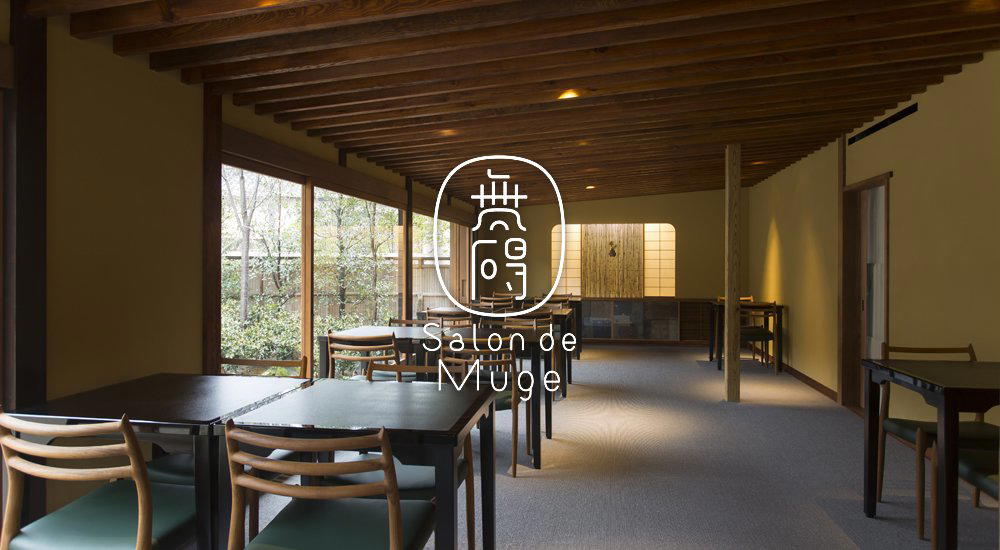
Higashiyama's Dining Density and Where Salon de Muge Fits
Kyoto's Higashiyama Ward carries one of the highest concentrations of serious dining in Japan. The ward's eastern slopes, running from Gion toward Kiyomizudera, have accumulated decades of culinary investment: kaiseki houses with multigenerational lineage, quiet counter restaurants that accept reservations months out, and a newer wave of formats that import technique from elsewhere while rooting presentation in local materials and seasonal logic. Salon de Muge, addressed at 524 Washiocho, sits inside this corridor, a postcode that already signals a level of intent before you know anything else about a restaurant.
The address places Salon de Muge in close geographic proximity to some of Kyoto's most established names. Gion Sasaki and Kikunoi Honten operate at the top of the kaiseki tier from nearby addresses, while Mizai and Hyotei draw reservation traffic from an international audience that plans Kyoto visits around their meals.
The Booking Experience: What the Logistics Reveal
In Kyoto's premium dining tier, the booking process itself communicates a great deal about a restaurant's operating philosophy. Houses like Isshisoden Nakamura manage international reservations through structured channels that accommodate non-Japanese speakers, while others in the same neighbourhood operate on a domestic-first model that effectively gates access for overseas visitors without a local intermediary. The reservation approach is not incidental, it reflects how a venue calibrates its audience and how much logistical friction it is prepared to introduce as a filter.
For Salon de Muge specifically, available public data on booking method, hours, and contact details is limited. That absence is itself informative: restaurants in Higashiyama that operate without a prominent web presence or international booking platform tend to fall into one of two categories. The first is the established legacy house that relies on repeat clientele and word-of-mouth referral. The second is a format still in the process of defining its public interface. Either way, the practical implication for a traveller is the same: do not arrive in Kyoto expecting to book on the day, or even the week prior. The standard planning horizon for serious Kyoto dining runs between four and twelve weeks out, and the more opaque the booking infrastructure, the earlier you should start.
Japan's broader premium dining circuit rewards this kind of advance commitment. Harutaka in Tokyo and HAJIME in Osaka both operate on reservation windows that require planning from outside Japan well before the travel date is confirmed. Kyoto, with a smaller pool of premium seats and higher tourist demand per capita, applies similar or greater pressure to availability. A Higashiyama address in particular should be treated as a reservation-first destination, with logistics confirmed before flights are booked.
Reading the Higashiyama Room: Atmosphere Without Filler
The physical character of the Washiocho block in Higashiyama follows a pattern familiar to anyone who has walked this part of Kyoto: narrow stone lanes, machiya frontages with shallow forecourts, and an acoustic texture shaped by the absence of through-traffic. Evenings in the ward are quieter than the tourist-heavy afternoons suggest is possible. Restaurant entrances tend to be understated to the point of anonymity, small lanterns, minimal signage, the kind of restraint that assumes the diner already knows where they are going.
This architectural modesty is not arbitrary. Kyoto's dining culture, at the level where kaiseki and its adjacent formats operate, has historically treated visibility as a secondary concern. The assumption built into the design language of most serious Higashiyama restaurants is that the room will be full regardless of how much the exterior announces itself. For a first-time visitor, this means approaching Salon de Muge with the address confirmed, the booking secured, and no expectation that the venue will do the work of being found.
Kyoto's premium dining tier is dominated by kaiseki, the multi-course seasonal format that has defined the city's culinary identity for centuries and generated more Michelin attention than any other Japanese cuisine type outside Tokyo's sushi counters. The kaiseki houses at the top of the Kyoto market, places like Gion Sasaki and Kikunoi Honten, price and book against an international audience that treats a kaiseki meal as the anchor event of a Kyoto trip. A second tier of restaurants in the same ward operates with a slightly lower public profile but comparable seriousness, these are places where the format may be less codified, the cuisine type less immediately legible from the outside, but the intent is equivalent.
What the address and ward confirm is that it operates in a neighbourhood where the baseline standard is high, and where casual drop-in dining is not the operating model.
For travellers building a wider Japan itinerary, it is worth noting that Kyoto's premium tier connects naturally to peer restaurants elsewhere in the region. akordu in Nara and Goh in Fukuoka operate in adjacent registers, serious food in historically rich cities, with booking dynamics that mirror Kyoto's planning requirements. International comparison points extend further: Atomix in New York City and Le Bernardin in New York City demonstrate how the planning discipline that Kyoto dining demands is not uniquely Japanese, it is simply what committed restaurants at this tier require globally.
Across Japan, restaurants with comparable address credentials and limited public-facing data include 一本木 名川製 in Nanao, 夕刊北海道 in Sapporo, 湖畔荘庵 in Takashima, 庭羽屋 in Nishikawa Machi, Birdland in Sakai, and Bistro Ange in Toyohashi, a pattern that reinforces how often Japan's most considered restaurants operate outside the usual information channels. See our full Kyoto restaurants guide for a broader map of the city's dining tiers.
Know Before You Go
- Address: 524 Washiocho, Higashiyama Ward, Kyoto, 605-0072, Japan
- Ward: Higashiyama, one of Kyoto's primary premium dining corridors
- Booking: No confirmed online booking platform; contact via direct inquiry is advised
- Planning horizon: Allow four to twelve weeks minimum for serious Kyoto reservations at this tier
- Access: Higashiyama Ward is served by bus from central Kyoto; the Washiocho area is walkable from Gion-Shijo Station
- Language: English-language support not confirmed; a local intermediary or hotel concierge is recommended for non-Japanese speakers
Frequently asked questions
Where is Salon de Muge in Kyoto?
Salon de Muge is located at 524 Washiocho, Higashiyama Ward, Kyoto, 605-0072, Japan, Kyoto.
Is Salon de Muge in Higashiyama Ward suitable for a solo diner visiting Kyoto?
The Washiocho address in Higashiyama Ward is a narrow residential lane rather than a commercial strip, which tends to suit an intimate format, counter seating or small-room arrangements common to this part of Kyoto. Solo diners familiar with Kyoto's serious dining tier generally find such settings more accommodating than larger table-focused venues in Gion proper. Confirming the seating format directly with the venue before booking is advisable.
What's the must-try dish at Salon de Muge?
Specific menu details for Salon de Muge are not published in advance, which is consistent with how most serious Higashiyama addresses operate, the kitchen drives the menu, not the other way around. Given the venue's position in the Washiocho block of Higashiyama Ward, expect seasonal produce to anchor whatever is served. The structure of the meal is part of the point; arriving with a fixed target dish tends to miss it.
How far ahead should I plan for Salon de Muge?
Higashiyama Ward concentrates some of the most in-demand dining in Kyoto, and houses on quieter residential lanes like Washiocho typically book through direct contact rather than third-party platforms. Planning two to three months ahead is a reasonable baseline for peak seasons, spring cherry blossom and autumn foliage periods compress availability sharply across the whole ward. Check the venue's booking channel directly at 524 Washiocho, Higashiyama Ward, Kyoto.
The Minimal Set
Comparable venues nearby, for context on price, style, and recognition.
| Venue | Cuisine | Price | Awards | Notes |
|---|---|---|---|---|
| Salon de MugeThis venue (the venue you are viewing) | Traditional Japanese Bento and Sweets | $30–50 | Tabelog 100 #75 | Not listed |
| Kara Semi Tei (空蝉亭) | Specialty Tonkatsu with Aged Pork | $30–50 | Tabelog 100 #50 | Kamigyo-ku, Specialty Tonkatsu with Aged Pork |
| Shokudo Miyazaki | Refined Kyoto Omakase | $50–100 | Not listed | Kiyamachi, Refined Kyoto Omakase |
| Wabiya Korekidou (侘家古暦堂 祇園花見小路本店) | Traditional Yakitori & Oyakodon | $30–50 | Tabelog 100 #4 | Gion, Traditional Japanese Yakitori & Chicken Specialties |
| Pass The Baton | Japanese Tea Room / Cafe | $20–30 | Not listed | Gion, Japanese Shaved Ice Salon de Thé |
| Charcoal fire izakaya Julia Wagyu specialty store | Charcoal Fire Izakaya with Wagyu Specialty | Not listed | Not listed | Shimogyō, Charcoal Fire Izakaya with Wagyu Specialty |
Recognition history
Dated appearances from independent guides and award organizations, with the underlying list record or original source where available.
Tabelog 100 #75 · No. 75
Tabelog · Tabelog 100 - Japanese traditional sweets / Japanese sweets cafe - WEST - 2023
Continue exploring
More in Kyoto
Restaurants in Kyoto
All restaurants in Kyoto →

Bars in Kyoto
All bars in Kyoto →

Hotels in Kyoto
All hotels in Kyoto →
Wineries in Kyoto
Browse all →
Details
- Serene
- Cozy
- Elegant
- Intimate
- Solo
- Casual Hangout
- Garden
- Sake Program
- Garden
- Set Menu
- Sake Program
- Vegetarian Friendly
- Gluten Free Options
Current opening hours
- Monday
- 11:30 AM–5 PM
- Tuesday
- Closed
- Wednesday
- 11:30 AM–5 PM
- Thursday
- 11:30 AM–5 PM
- Friday
- 11:30 AM–5 PM
- Saturday
- 11:30 AM–5 PM
- Sunday
- 11:30 AM–5 PM
Hours can change for holidays and private events. Last verified .
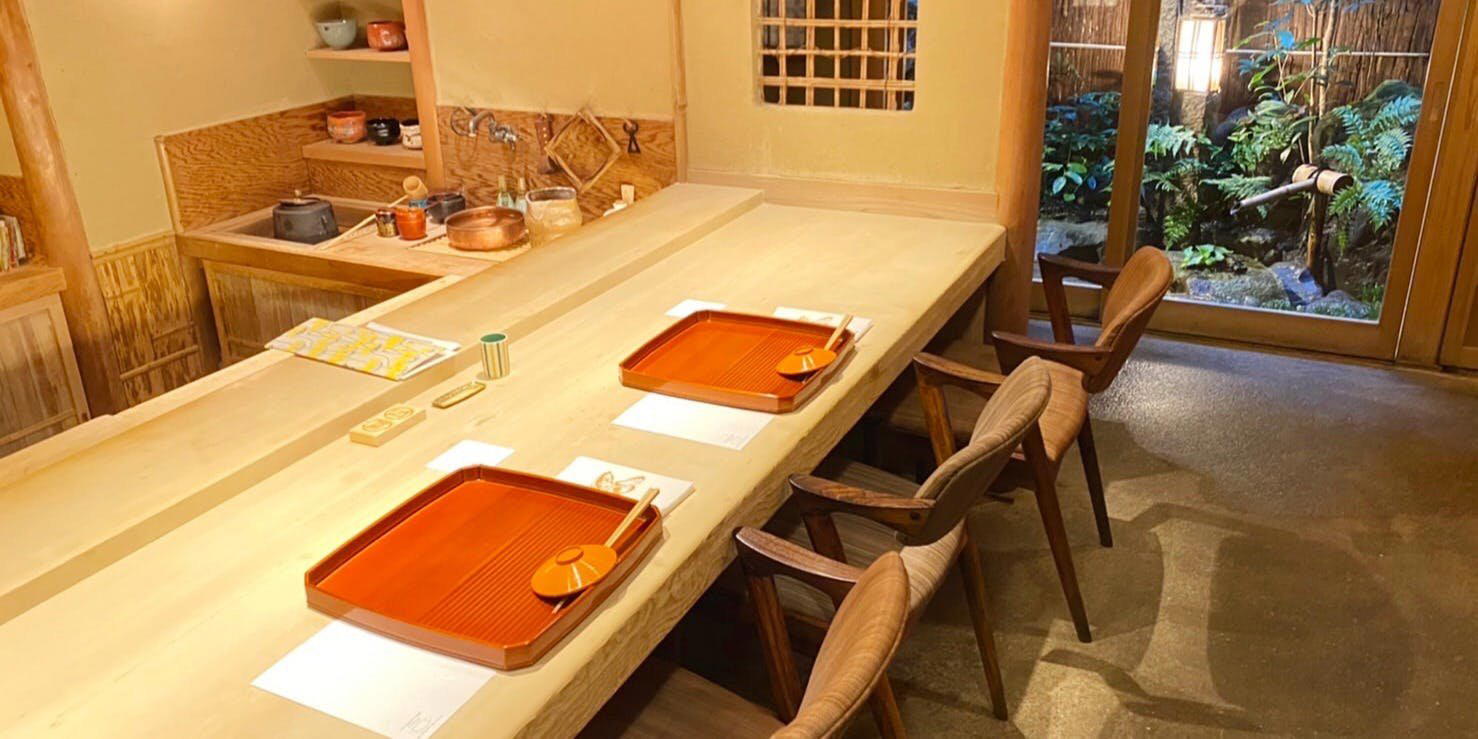
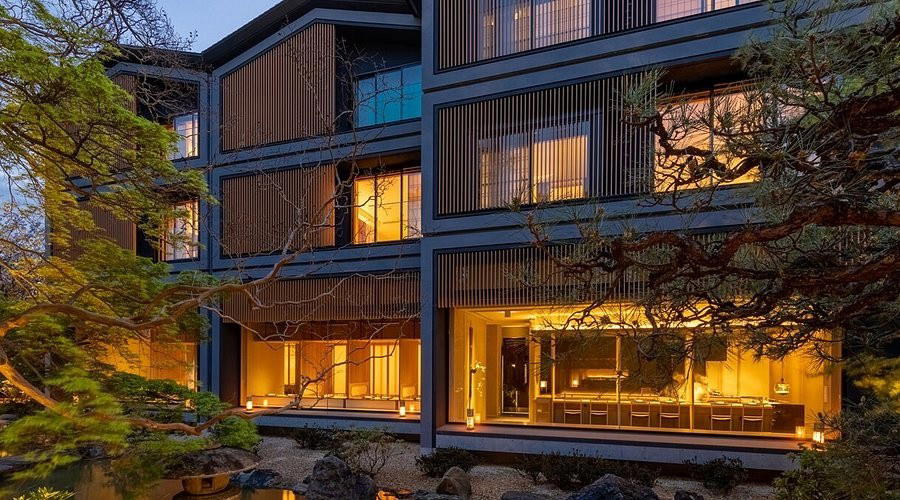
Calm, traditional mountain cottage-style with modern architecture, featuring soft lighting and tranquil moss garden views from counter seats.