Located in Kanazawa's Teramachi district, this restaurant operates within a city long regarded as one of Japan's most serious regional dining destinations. Kanazawa's access to Noto Peninsula seafood, mountain vegetables, and centuries of craft culture creates a set of raw ingredients that few Japanese cities can match. Booking ahead is advisable, particularly in the autumn and spring seasons when visitor numbers peak.
Pearl is the En Primeur Club membership app — saves, bookings, and concierge access live there. Same editors, same standards.
- Address
- 1 Chome-8-50 Teramachi, Kanazawa, Ishikawa 921-8033, Japan
- Phone
- +81762432121
- Website
- kincharyou.co.jp
- Directions
- Get directions
 Saves & bookings on Pearl
Teramachi and the Logic of Eating in Kanazawa
Approach Teramachi on a grey afternoon and the neighbourhood announces its character before any restaurant sign appears. Temple gates close off narrow lanes, stone walls carry lichen from decades of Sea of Japan humidity, and the residential quiet that surrounds the district makes it feel removed from Kanazawa's more trafficked quarters near Kenroku-en. Dining here is not accidental. The address — 1 Chome-8-50 Teramachi — places this venue inside a neighbourhood that functions as a counterweight to the city's tourist-facing centre, drawing visitors who have already done the obvious itinerary and are now looking for something that requires a degree of intent to find.
That intent matters in Kanazawa more than in most Japanese cities. The dining culture here has been shaped by several converging forces: the historical wealth of the Maeda clan, which sustained a tradition of refined craft and food culture for centuries; the city's geographic access to Noto Peninsula seafood, one of Japan's most productive coastal zones; and an insistence among local producers and chefs alike on treating Ishikawa Prefecture's ingredients as a serious culinary category rather than a regional footnote. The result is a city where the average quality of a serious meal runs higher than its national profile might suggest, and where venues outside the kaiseki mainstream have room to operate at a credible level. Restaurants like Dokkan and Zeniya anchor the kaiseki tier, while places like Budoonomori Les Tonnelles demonstrate that French-inflected formats have found a genuine foothold here.
Where Local Ingredients Meet Imported Method
The intersection of indigenous produce and technique borrowed from elsewhere is one of the more interesting fault lines in contemporary Japanese dining. It plays out differently depending on the city: in Tokyo, the proximity to global culinary traffic means the exchange is constant and sometimes undisciplined. In Kyoto, tradition acts as a filtering mechanism, slowing the adoption of foreign methods in ways that produce either reverence or rigidity depending on your perspective. Kanazawa occupies a different position. Its relative geographic isolation, three hours from Tokyo by Hokuriku Shinkansen, less connected to Osaka's food industry than Kyoto, has meant that technique imports arrive selectively, applied by chefs who have made a considered choice to work with what the region produces rather than to import ingredients to match a technique.
This dynamic produces some of the more interesting eating in provincial Japan. The logic runs roughly as follows: Noto crab, Kanazawa daikon, Kaga lotus root, and the winter yellowtail known as buri carry enough inherent complexity that any technique applied to them must justify its presence. Where kaiseki venues like Gion Sasaki in Kyoto work within a centuries-old framework of seasonal progression, and places like HAJIME in Osaka push into fully contemporary territory, the mid-tier of Kanazawa dining tends to occupy a more pragmatic middle ground: using whatever technique serves the ingredient rather than building a philosophy around the technique itself.
For diners accustomed to the more self-conscious tasting formats found at Harutaka in Tokyo or akordu in Nara, this pragmatism can read as understatement. It is worth treating as a feature rather than a limitation.
Seasonality and the Ishikawa Calendar
Kanazawa's dining calendar is genuinely seasonal in a way that affects not just what is on the plate but when the city is worth visiting. Autumn brings matsutake and the early Noto oyster season. Winter, particularly from December through February, is the period for buri and the crab season that drives significant domestic tourism to the region, this is when Kanazawa fills with Japanese visitors who understand what the city's fish markets and serious restaurants do with the Hokuriku winter catch. Spring brings mountain vegetables and the reopening of temple-district restaurants that reduce their hours in the quieter months. Visiting in late March or early October gives access to seasonal transitions that produce the most varied menus.
The Teramachi address carries its own seasonal logic. The district's proximity to the Saigawa River means that spring and autumn bring a particular quality of light that the neighbourhood's temple gardens amplify. Planning a meal here alongside a walk through the district, rather than treating the restaurant as a destination in isolation, produces a more complete picture of what the neighbourhood is doing.
Placing This Venue Within Kanazawa's Dining Structure
Kanazawa's restaurant scene at the serious end has a clear internal hierarchy. The kaiseki houses operate at the leading and require advance planning, particularly for seats at counter-format venues. Below that tier, a range of more accessible restaurants work with the same ingredient pool using formats that lower the barrier to entry. The Teramachi address positions this venue in a neighbourhood that skews toward the latter group, serious about its sourcing and execution, but not operating within the formal kaiseki structure that dominates Kanazawa's international profile.
For comparison, the kind of ingredient-forward cooking that distinguishes Kanazawa's mid-tier from equivalent restaurants in other Japanese cities is the same dynamic you find at Goh in Fukuoka or affetto akita in Akita, regional cities where a strong local ingredient culture gives restaurants below the fine-dining tier genuine material to work with. Venues like Abon in Ashiya, Aji Arai in Oita, and Akakichi in Imabari follow a similar pattern in their respective regions. The broader international frame, places like Le Bernardin in New York City or Lazy Bear in San Francisco, shows how the local-ingredient, global-technique combination plays across different culinary cultures, though the Japanese regional version tends to suppress theatricality in favour of restraint.
Within Kanazawa specifically, rounding out a visit with stops at Amanatto Kawamura for traditional sweets, Hakuichi for gold-leaf craft culture, or the thoroughly unceremoniuos Go! Go! Curry, which originated here before becoming a national chain, gives a more complete picture of the city's food culture across price points and formats. The full Kanazawa restaurants guide maps the broader scene for visitors planning multiple meals.
Planning a Visit
The Teramachi district sits on the southern side of the Saigawa River, accessible from central Kanazawa by taxi in under ten minutes from the Katamachi area or around twenty minutes on foot from Kanazawa Station. The neighbourhood is walkable but not signposted for tourists in the way that Higashi Chaya is, which means arriving with a map rather than relying on landmark navigation. The Ajidocoro in Yubari District provides a useful reference point for understanding how rural Japanese dining venues manage access for non-Japanese-speaking visitors, a consideration worth factoring in for any Kanazawa restaurant outside the major hotel dining rooms.
Similar Picks
| Venue | Cuisine | Price |
|---|---|---|
| éè¶å¯®æ¬åºThis venue — the venue you are viewing | This venue | Not listed |
| Kataori | Kaiseki | Kaiseki |
| Respiracion | Innovative Spanish | Innovative Spanish |
| Zeniya | Kaiseki | Kaiseki |
| Sushi Kibatani | Chinese | Chinese |
| Hamagurizaka Maekawa | Yakitori | Yakitori |
Continue exploring
More in Kanazawa
Restaurants in Kanazawa
Browse all →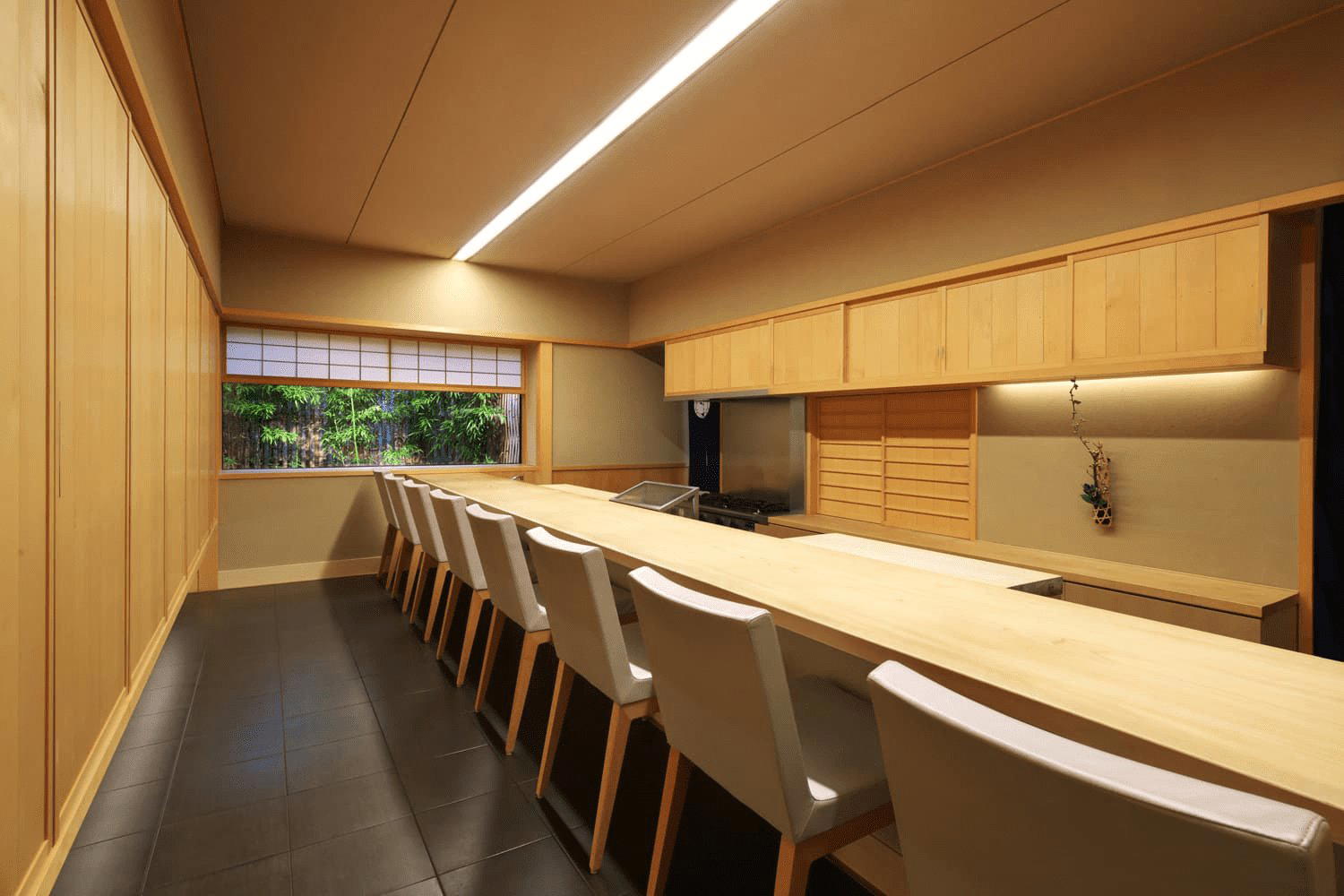
Bars in Kanazawa
Browse all →
Hotels in Kanazawa
Browse all →
Wineries in Kanazawa
Browse all →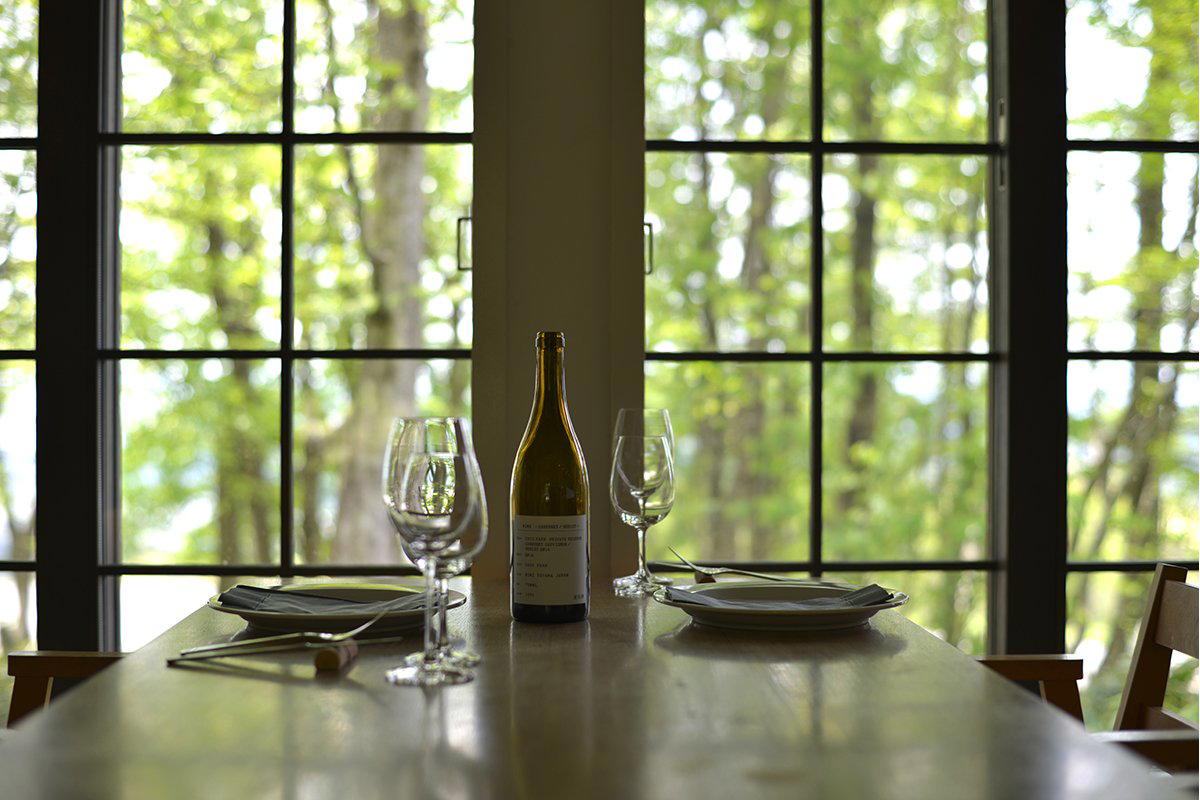
At a Glance
- Elegant
- Intimate
- Sophisticated
- Special Occasion
- Date Night
- Historic Building
- Sake Program
- Local Sourcing
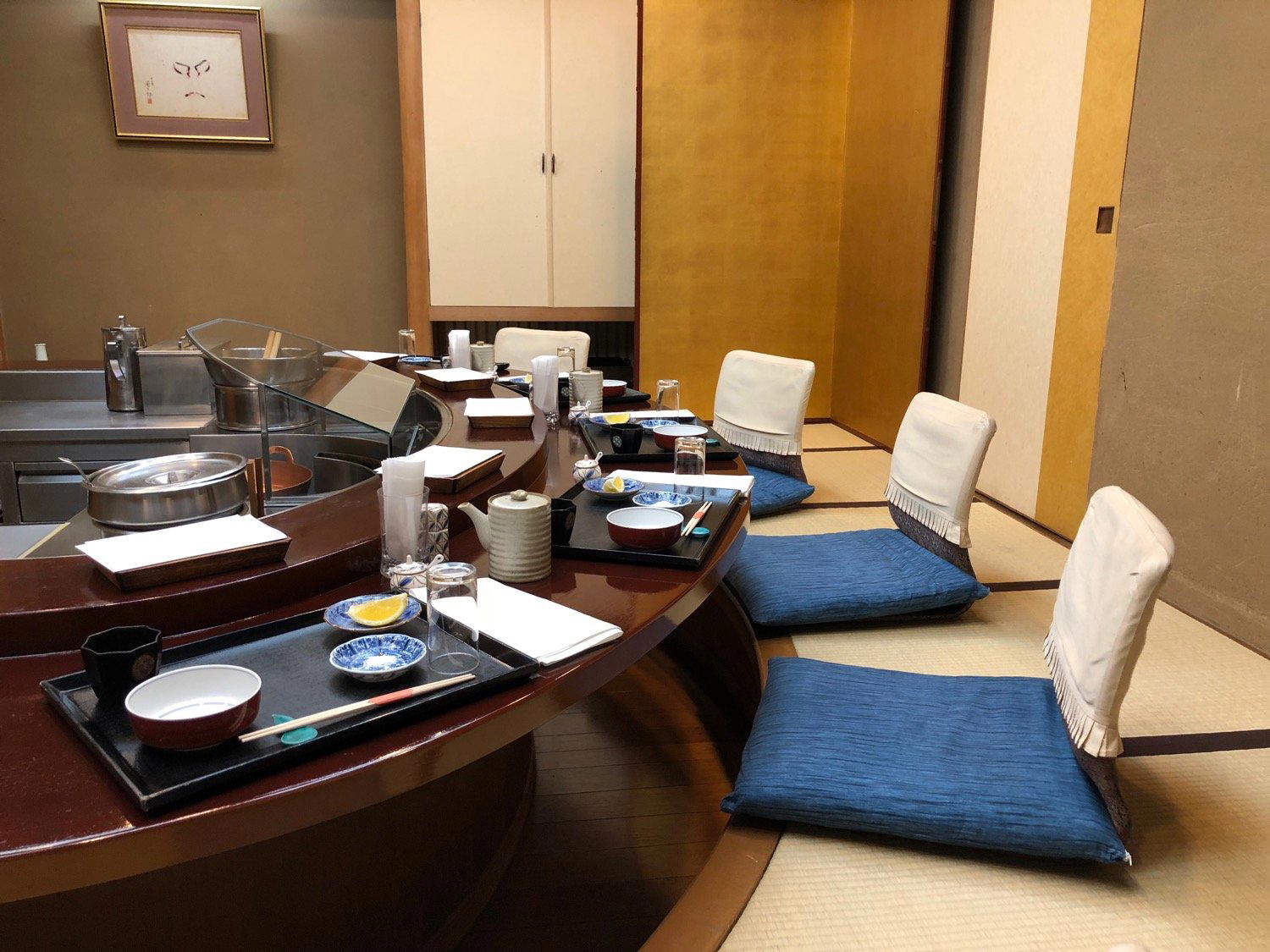
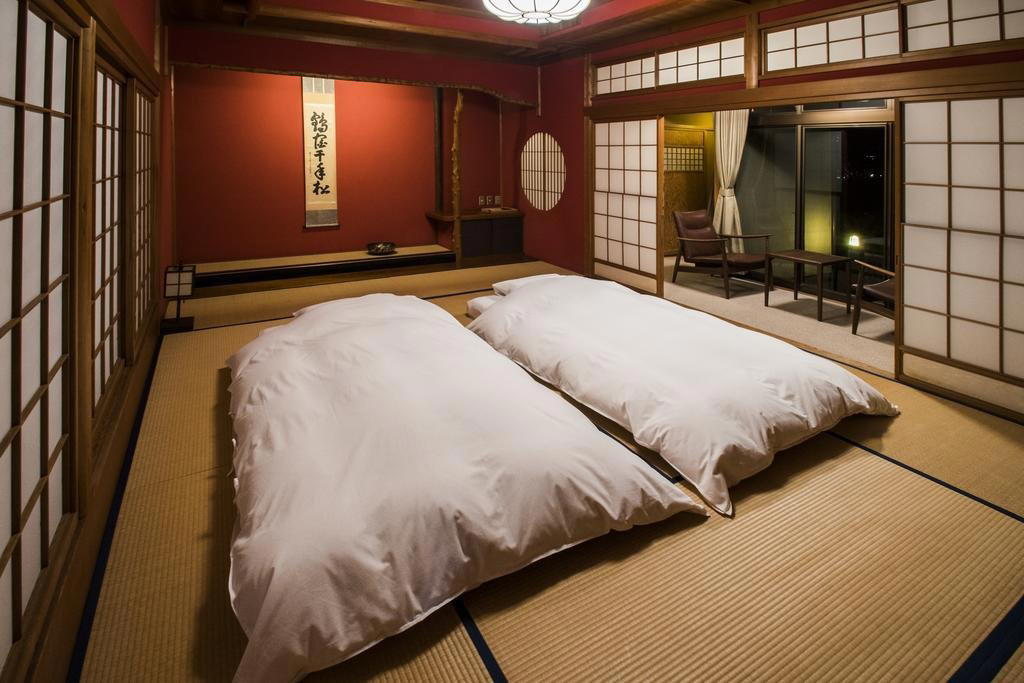
Intimate and elegant with soft lighting, tatami mats, and serene traditional Japanese decor evoking old Kanazawa.
Know Before You Go
- Getting there
- 1 Chome-8-50 Teramachi, Kanazawa, Ishikawa 921-8033, Japan