Medicinal Food Café Cien Gallery occupies a distinct position in Kanazawa's café scene, where the city's long tradition of craft and considered living finds expression in spaces designed as much for looking as for eating. The gallery format places it alongside Kanazawa's broader culture of fusing artisanal production with daily ritual, making it a reference point for visitors tracking that intersection across the city.
Pearl is the En Primeur Club membership app — saves, bookings, and concierge access live there. Same editors, same standards.
- Address
- Kanazawa, Japan
- Directions
- Get directions
 Saves & bookings on Pearl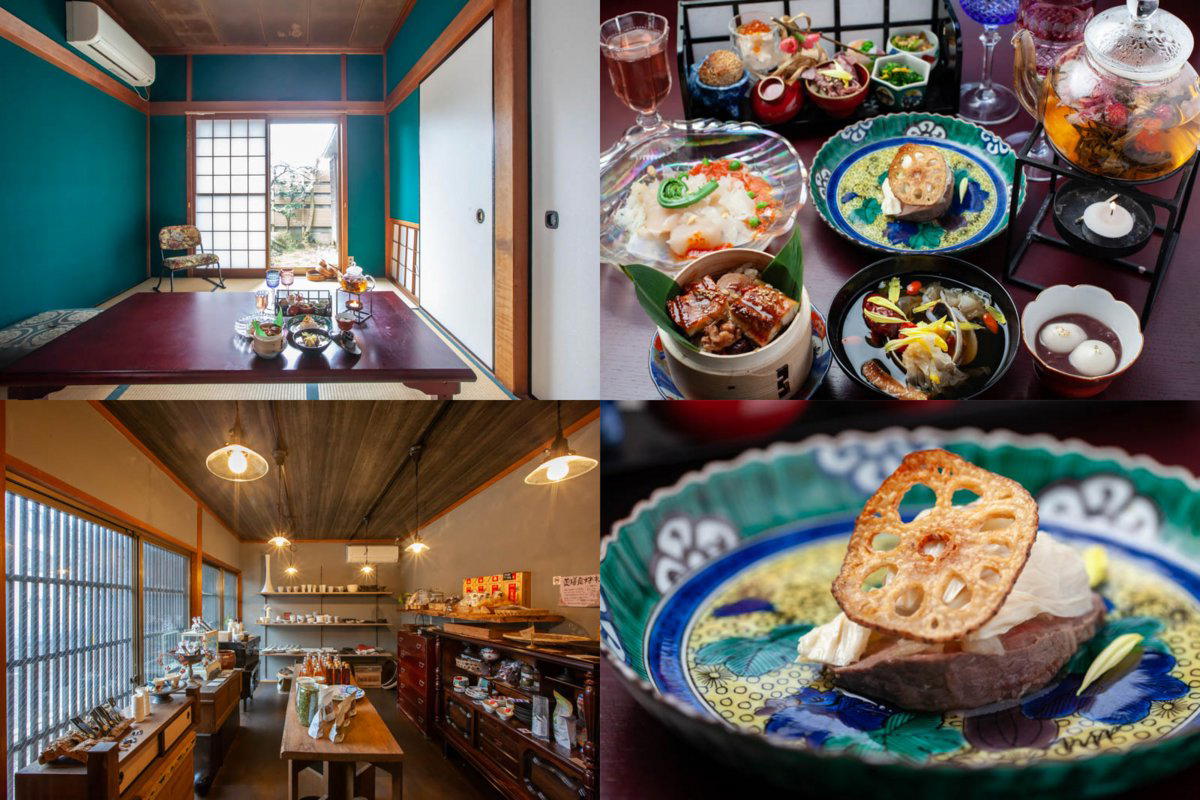
Where the Café Format Becomes a Design Proposition
Kanazawa has spent decades building a reputation as Japan's most arts-saturated provincial city, a place where the distance between a lacquerware workshop and a dining table is shorter than almost anywhere else in the country. That cultural density shapes how its café and gallery spaces operate. At Medicinal Food Café Cien Gallery, the physical container is the argument: the space works as both an eating environment and an exhibition context, placing it within a specific tier of Kanazawa venues where the design program and the food program are understood as continuous, not separate.
That dual identity is not unusual for this city. Kanazawa's established craft economy — rooted in Kenroku-en's historic gardens, the 21st Century Museum of Contemporary Art, and the Higashi Chaya geisha district — has long produced spaces that resist single-category classification. What distinguishes the gallery-café format, specifically, is the way it disciplines the interior. Objects have to earn their position on the wall and on the plate simultaneously, which tends to produce a more considered spatial result than either a standalone café or a standalone gallery might achieve independently.
The Physical Container as Editorial Statement
In Japanese café culture, the relationship between space and menu has grown increasingly deliberate over the past decade. In cities like Kyoto and Tokyo, the premium end of the café tier now operates with the same spatial intentionality that high-end restaurants apply to their dining rooms. Kanazawa, with its smaller scale and stronger artisanal heritage, has developed its own version of this: spaces where the design vocabulary draws on local craft traditions, gold leaf, lacquer, ceramic, woven textile, rather than the imported minimalism that has come to define metropolitan café interiors.
Cien Gallery's name signals the curatorial intent directly. The café element is framed through the concept of medicinal food, a register that has growing presence across Japan's health-conscious dining sector and that tends to produce menus oriented around fermented, seasonal, or botanically sourced ingredients. That framing shapes the interior atmosphere as much as the food itself: spaces built around this concept typically favour natural materials, controlled light, and a visual quietness that allows individual objects, ceramics, textiles, art works on the wall, to register clearly rather than compete with decorative noise.
Kanazawa's Café and Gallery Tier in Context
Among Kanazawa's mid-range dining options, there is a clear split between venues operating as direct food-and-drink propositions and those that use the physical space as a form of programming in its own right. The latter category includes a number of the city's most visited addresses: the gold-leaf application studios that double as retail environments at Hakuichi, the traditional confectionery counter at Amanatto Kawamura, and the more casual end of the dining spectrum at addresses like Go! Go! Curry, which carries its own form of spatial identity through its decades-old brand consistency.
Cien Gallery sits closer to the former group than the latter. Its gallery function means that the interior changes with exhibitions, which gives it a temporality that most cafés in the city do not have. A return visit will not necessarily encounter the same walls, the same objects, or the same atmospheric register. For visitors building an itinerary around Kanazawa's art and craft institutions, that variability is a feature rather than an inconvenience. It places the café within a circuit that might also include Budoonomori Les Tonnelles for its French-Japanese hybrid program, and the kaiseki tradition represented at serious Kanazawa addresses outside the gallery format entirely.
At the higher end of Kanazawa's dining tier, the kaiseki tradition remains the city's most recognisable export, with venues like Kataori and Zeniya representing the formal, multi-course expression of washoku principles. The gallery-café operates at a different price point and with different expectations, shorter visits, lighter menus, a stronger emphasis on the space itself as the value proposition. For comparable fusion of food and physical experience at higher price points elsewhere in Japan, visitors might look at Gion Sasaki in Kyoto or, at the precision-cuisine end, HAJIME in Osaka, though both of those operate in an entirely different register of formality and commitment.
The Medicinal Food Frame
The concept of medicinal or functional food has moved from the fringes of Japan's wellness sector into a recognisable mainstream café category over the past several years. Venues in this tier typically build menus around ingredients with documented nutritional or restorative associations: fermented foods, adaptogenic herbs, seasonal vegetables treated for maximum bioavailability rather than for flavour alone. The resulting menus tend to be lighter and more compositionally spare than conventional café offerings, and they attract a visitor demographic that is as interested in the sourcing and function of what they are eating as in the taste.
In Kanazawa specifically, this framing connects to the city's existing relationship with traditional medicine and Edo-period craft production. The Kaga domain historically supported a sophisticated pharmacy culture alongside its arts patronage, and that history gives the medicinal food concept a local grounding that it might lack in a city without comparable heritage. The gallery format amplifies this by surrounding the eating experience with objects that express similar values: careful making, natural materials, long timelines.
Planning a Visit
Kanazawa rewards a multi-day itinerary, and Cien Gallery fits most naturally into a programme built around the city's cultural institutions rather than its restaurant circuit. The 21st Century Museum of Contemporary Art, the Higashi Chaya district, and the Omicho market each sit within cycling or walking distance of Kanazawa Station, and the café-gallery format works well as a mid-afternoon stop between heavier sightseeing commitments. Visitors with a more focused dining agenda should also reference our full Kanazawa restaurants guide for a complete picture of the city's eating options across all price tiers.
Kanazawa's smaller independent venues have variable hours that shift seasonally, and gallery programming can affect café availability. For comparable medicinal or health-oriented café experiences in other Japanese cities, the broader regional circuit includes addresses in Nanao at 一本松 金沢出張所 and further afield at venues like akordu in Nara, which applies a similarly considered approach to ingredient sourcing at a higher price point and with more formal service structure.
For those extending a Japan trip beyond Kanazawa, the broader Hokuriku and Chubu region offers density of serious dining at venues including Dokkan within the city, and regional options further north at 古代山岳乃 in Sapporo. At the western end of the Sanin coast, 湖畔荘 in Takashima and 鳥羽屋 in Nishikawa Machi offer further reference points for regional Japanese dining built around landscape and local supply chains. International comparisons for the gallery-restaurant hybrid format include Atomix in New York City, which applies a similar philosophy of objects, space, and cuisine as an integrated program, albeit at a significantly higher price tier.
The Minimal Set
Comparable venues nearby, for context on price, style, and recognition.
| Venue | Cuisine | Price | Notes |
|---|---|---|---|
| Medicinal Food Café Cien GalleryThis venue — the venue you are viewing | Medicinal Japanese Café | $$$ | Not listed |
| 東山 和今 | Kanazawa, Michelin-Starred Omakase Sushi | $$$ | Not listed |
| å¤©éº©ç¾ å°éåº å¤©é | Kanazawa, Traditional Kaga Kaiseki | $$$ | Not listed |
| Sushi Ikuta | Not listed | $$$ | Kanazawa, Seasonal Edomae-Style Sushi Omakase |
| のとめぐり | Hirooka, Hokuriku Conveyor Belt Sushi | $$ | Not listed |
| Katsusen Nomura | Not listed | $$$ | Izumino Demachi, Japanese Seafood and Tempura |
Continue exploring
More in Kanazawa
Restaurants in Kanazawa
Browse all →
Bars in Kanazawa
Browse all →
Hotels in Kanazawa
Browse all →
Wineries in Kanazawa
Browse all →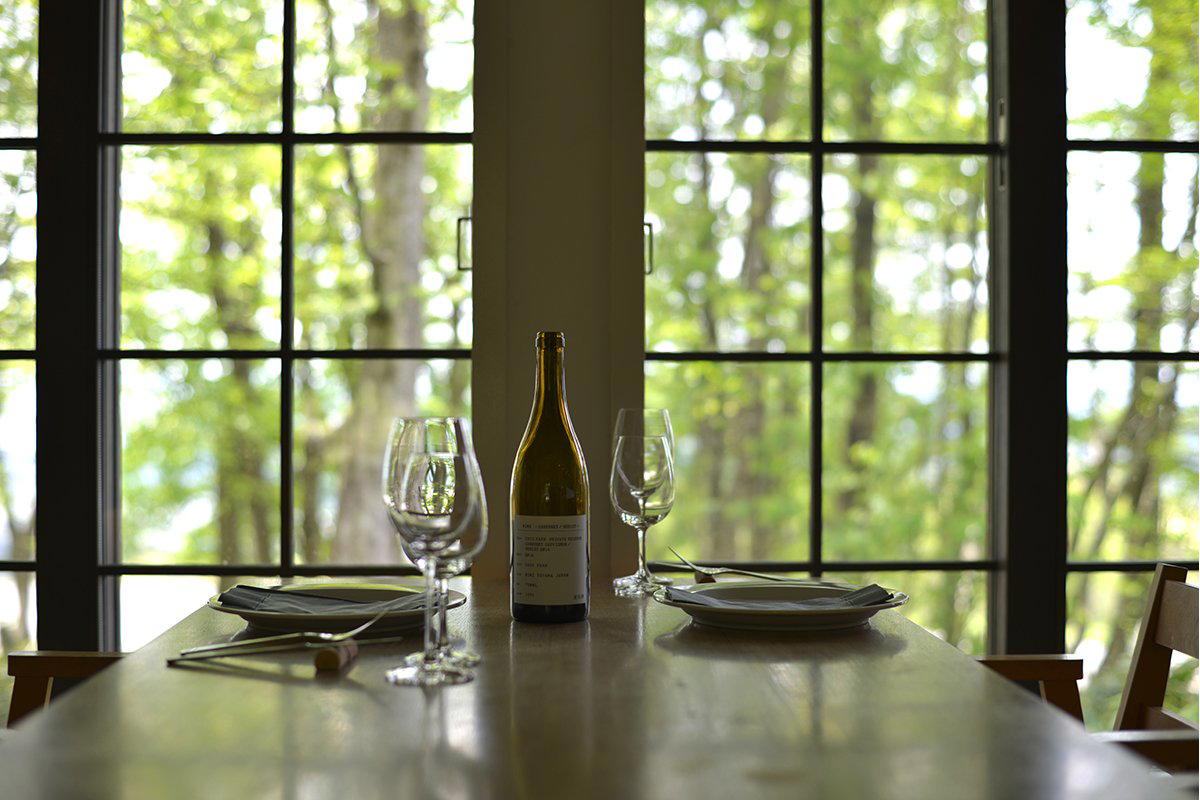
At a Glance
- Modern
- Cozy
- Quiet
- Casual Hangout
- Solo
- Design Destination
- Organic
Current opening hours
- Monday
- 11:30 AM–3 PM
- Tuesday
- 11:30 AM–3 PM
- Wednesday
- 11:30 AM–3 PM
- Thursday
- 11:30 AM–3 PM
- Friday
- 11:30 AM–3 PM
- Saturday
- 11:30 AM–3 PM, 5–9 PM
- Sunday
- Closed
Hours can change for holidays and private events. Last verified .
Serene and healing atmosphere with artistic elements