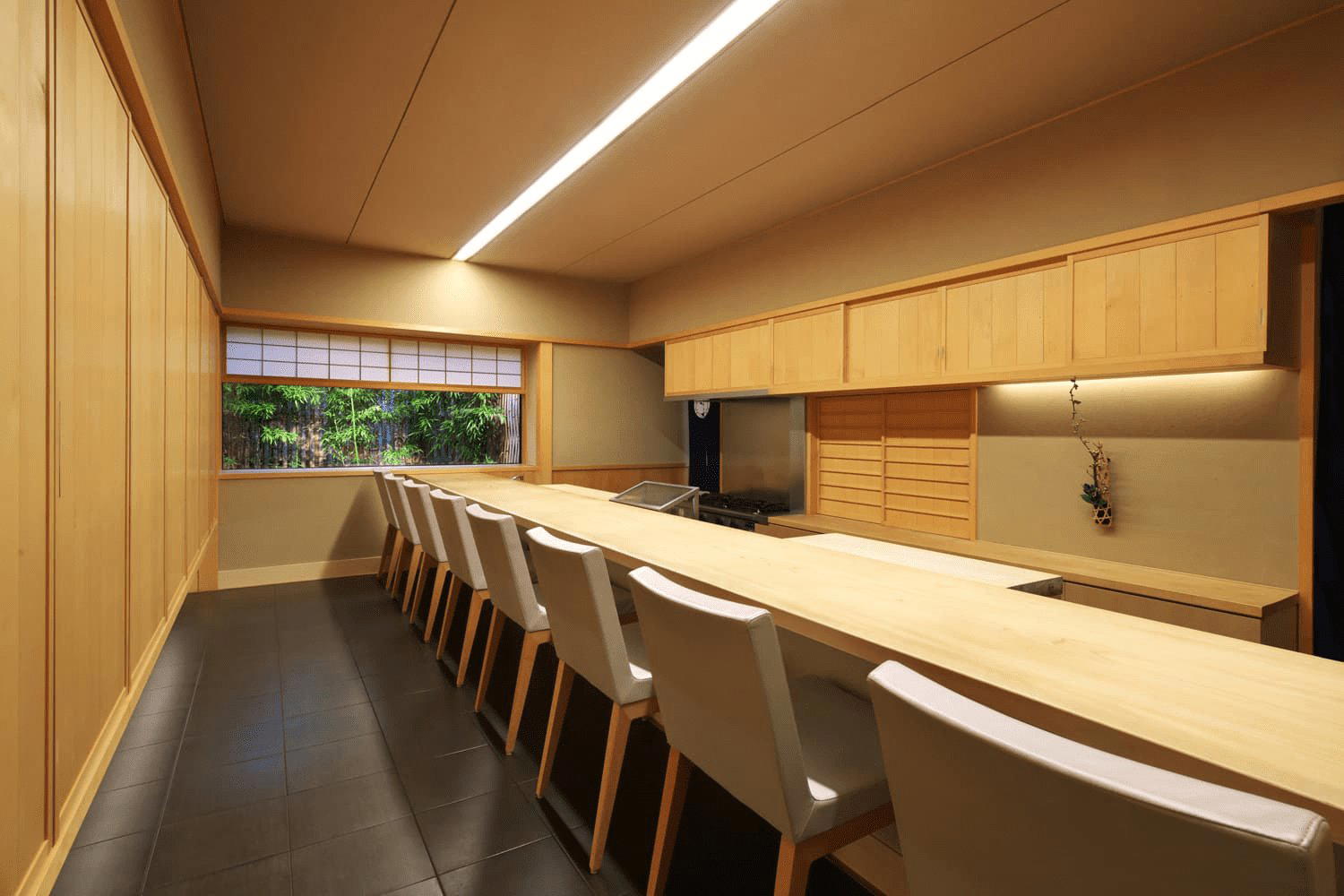
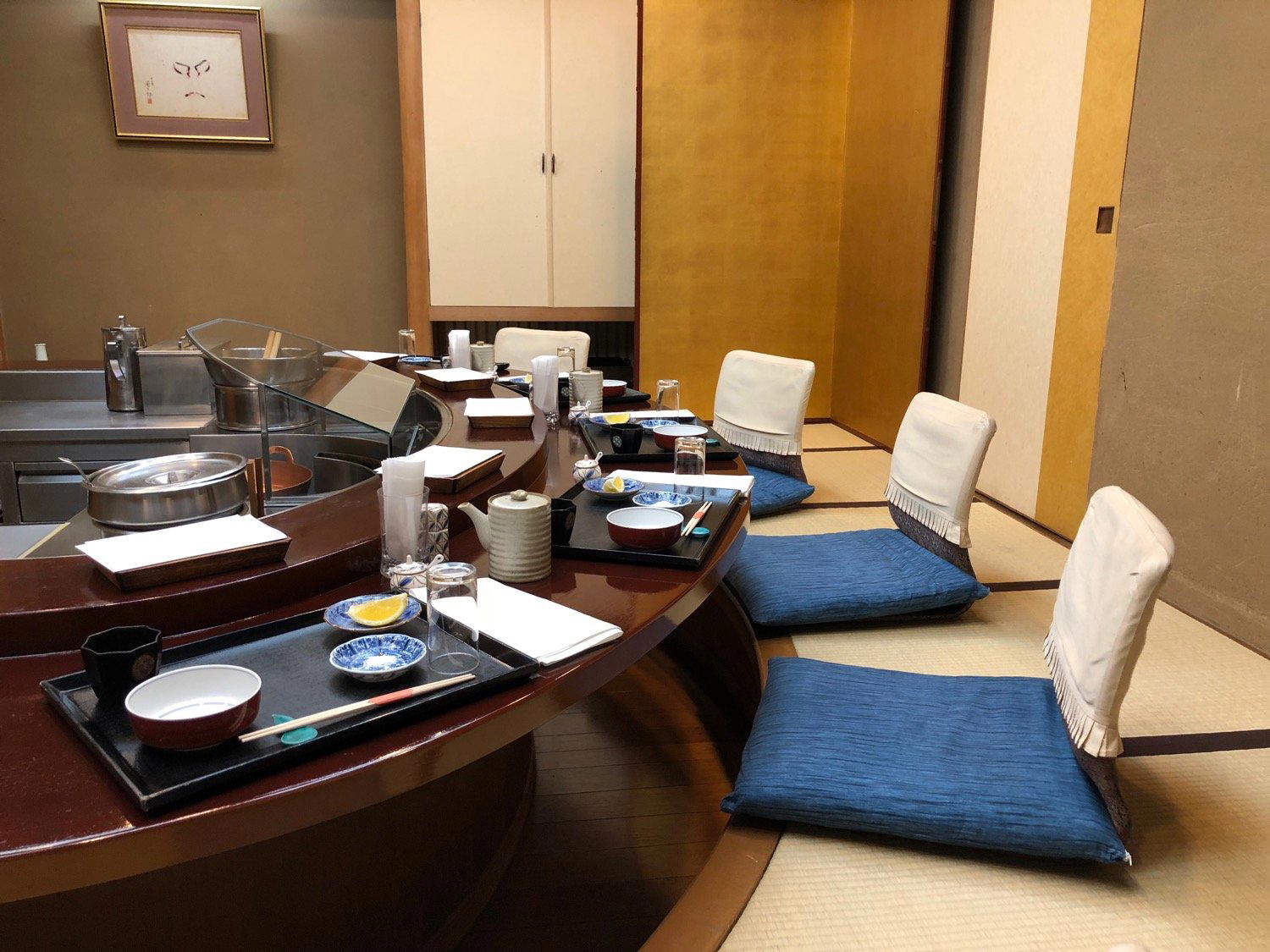
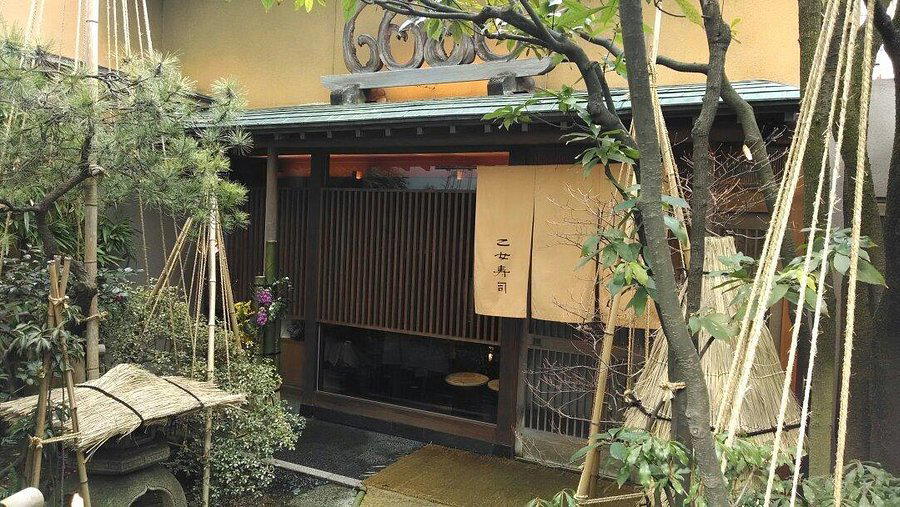
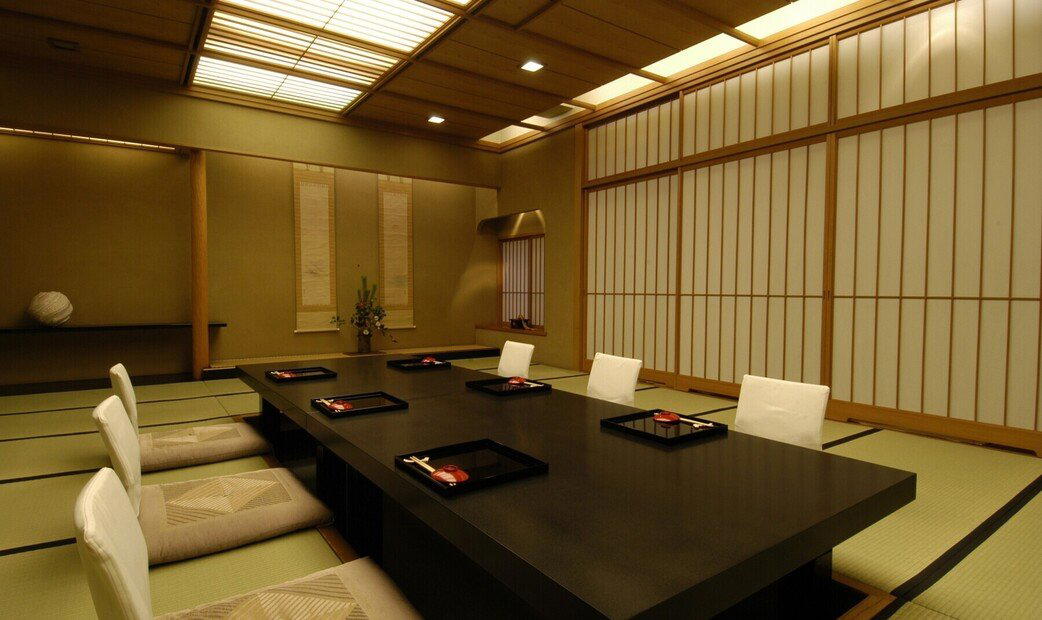
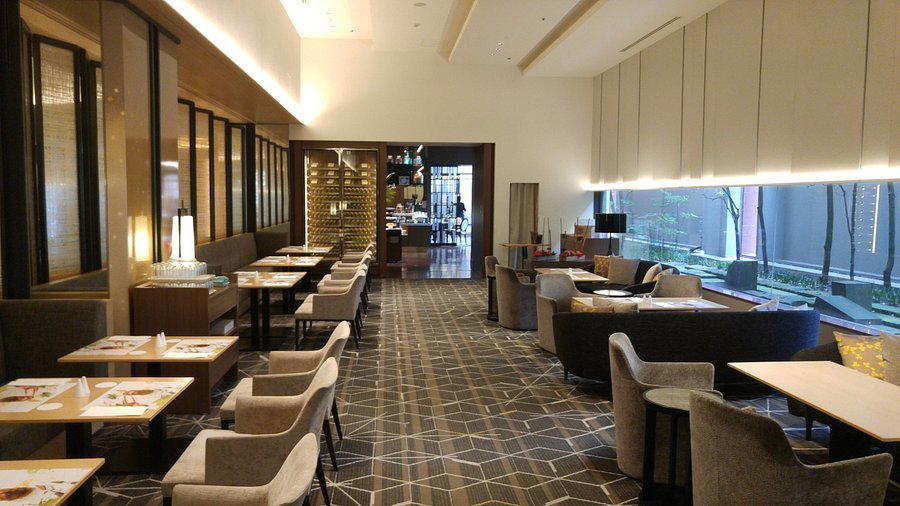
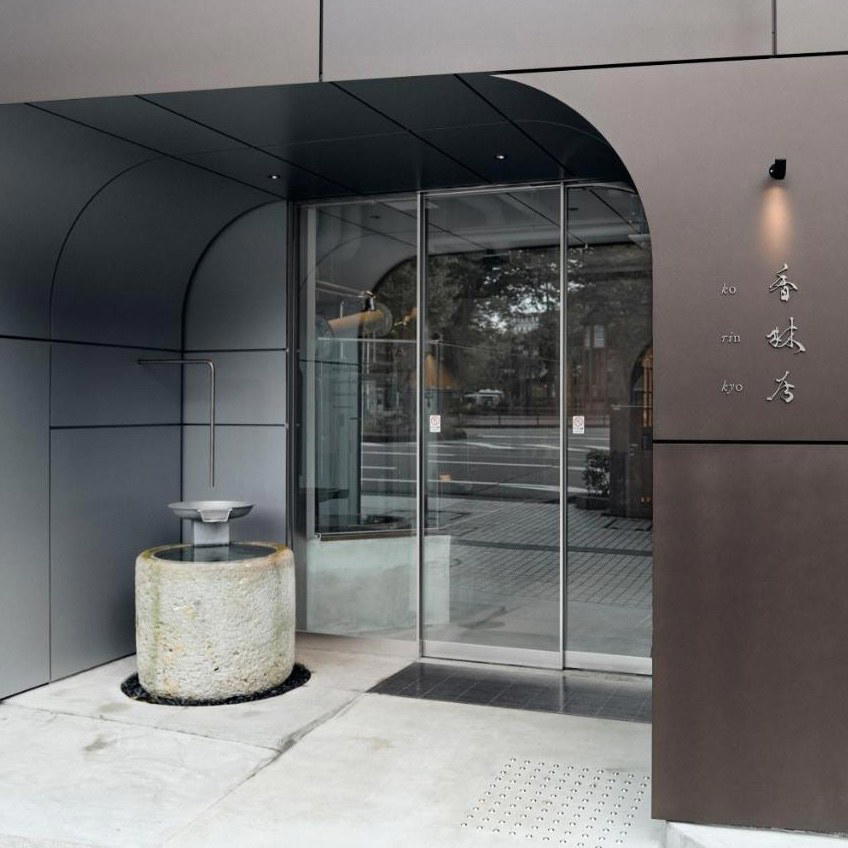
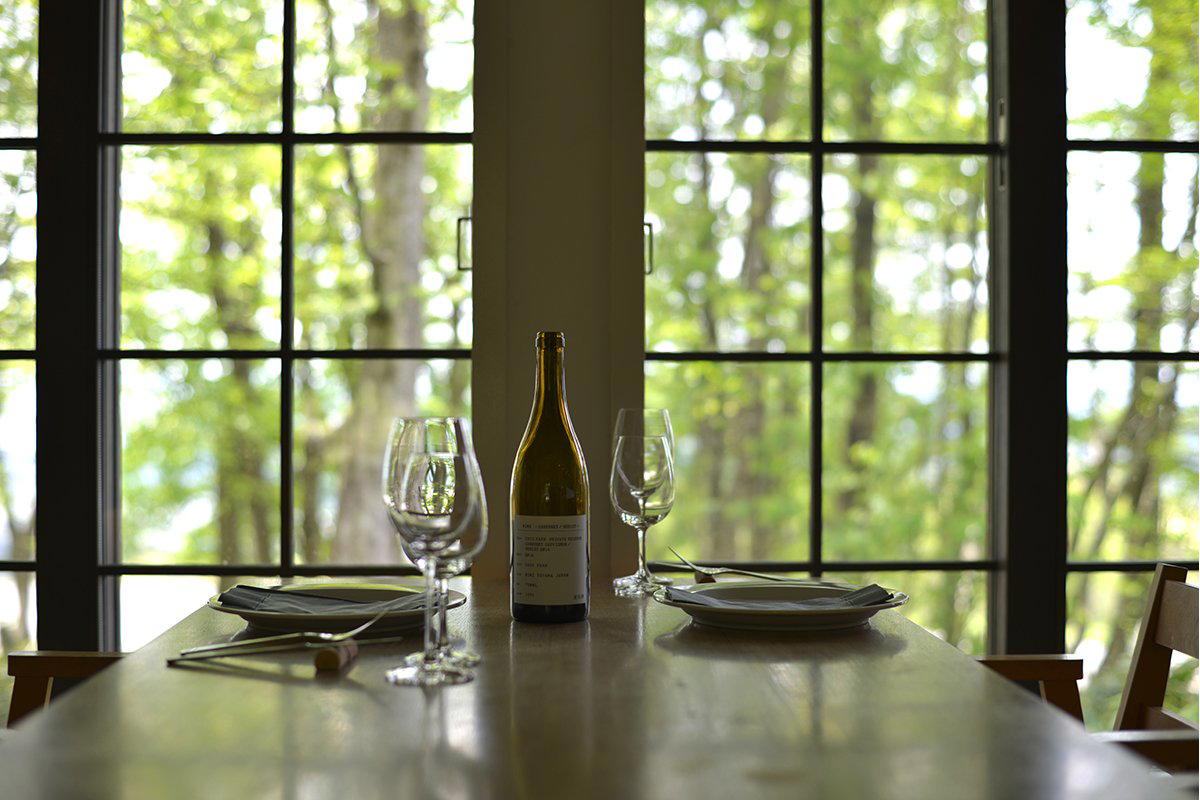
The listed dinner price is JPY 15,000–19,999, but Tabelog reviewer spending data places the actual average between JPY 30,000 and JPY 39,999. That gap between listed and actual spend is not unusual at counter restaurants where the progression through sake or wine alongside a longer menu sequence pushes the final bill significantly above the headline figure. Komatsu's drinks list covers sake (nihonshu) and wine, which is a narrower selection than some Kanazawa kaiseki houses that carry extensive regional sake libraries, but focused enough to serve the menu without distraction. Cash is the only payment method: credit cards, electronic money, and QR code payments are all declined, which remains common at this tier in regional Japanese cities but requires preparation from international visitors.
Recognition and Peer Context
Komatsu holds Tabelog Bronze Awards for both 2025 and 2026, alongside selection in the Tabelog Japanese Cuisine WEST Top 100 in both 2023 and 2025. In Tabelog's structure, Bronze sits below Gold and Silver but above the broader field of recognised restaurants, and the WEST Top 100 designation places the restaurant within the ranked cohort of Japanese-cuisine restaurants across western Japan, a competitive geography that includes Osaka, Kyoto, and Kobe. Komatsu's Tabelog score of 3.92 positions it in a tier where incremental decimal differences carry meaningful signal about relative standing.
Within Kanazawa's own Japanese-cuisine field, that places Komatsu alongside houses like Kataori, which operates in the kaiseki format, and distinguishes it from the yakitori tradition represented by Hamagurizaka Maekawa. The city also supports cross-genre comparison with Budoonomori Les Tonnelles in the French register and Kisanuki in Japanese cuisine. Nationally, the counter-led Japanese cuisine house at this price and recognition tier finds parallels in restaurants like Gion Sasaki in Kyoto and Goh in Fukuoka, both of which operate with equivalent structural discipline.
Menu Architecture and What It Signals
Komatsu's Tabelog category is Japanese cuisine rather than kaiseki specifically, which is a meaningful distinction in how the kitchen positions itself. Kaiseki is a codified progression, shaped by seasonal ceremony and a formal sequence of courses with named roles. Japanese cuisine as a category is broader and allows a kitchen to work within seasonal and regional logic without committing to the full kaiseki apparatus. In Kanazawa, where the Kaga culinary tradition is hyperlocal and the Sea of Japan provides ingredients that do not appear consistently on menus in Tokyo or Osaka, that flexibility often means a menu structured around what the market and season offer rather than around a fixed course architecture.
The dinner-only format, with a last order at 20:30 and close at 21:30, suggests a menu that runs two hours at most when the kitchen is working through its progression. That is shorter than many multi-course kaiseki sequences in Kyoto, which routinely run three hours or more. The implication is either a more compressed course count or a pace that keeps intervals tight, both of which are consistent with a counter format where energy between kitchen and guest can be maintained more directly than in a room service model.
The absence of lunch service is also editorial. Many of Kanazawa's recognised Japanese cuisine houses offer lunch at a reduced entry price, functioning as an access point for visitors who cannot secure or afford an evening seat. Komatsu does not. That positions the dinner counter as the singular offering, without a lower-cost approximation available, and reinforces the signal that the kitchen is operating at a single register.
Kanazawa's Broader Japanese Cuisine Scene
Kanazawa's reputation within Japan's culinary geography has solidified over the past two decades, partly because the city's proximity to Sea of Japan fishing grounds and its Kaga vegetable agricultural tradition provide a larder that other Japanese cities cannot replicate. The Omicho Market, functioning as the city's central wholesale and retail produce hub, remains the reference point for seasonal availability across the city's better restaurants. Counter restaurants at the Komatsu tier are working from that same supply infrastructure, which means the menu argument is less about sourcing access and more about what the kitchen chooses to do with ingredients that multiple peer kitchens share.
Compared to Kyoto, where kaiseki vocabulary is so established that deviation from its structure is itself a statement, Kanazawa's Japanese cuisine houses have somewhat more freedom to set their own sequencing terms. That is not a quality judgment but a structural one: the city's culinary identity is specific enough to anchor a menu regionally without requiring the kaiseki framework to legitimise it. For comparison from outside Japan, the dynamic is loosely analogous to how counter-format restaurants in other contexts, including venues like Atomix in New York City or Le Bernardin in New York City, use format architecture to communicate intent before the first course arrives.
Kanazawa also supports a range of dining formats beyond the Japanese cuisine counter. Kyo Gion Negiyaki Kona represents the okonomiyaki tradition in the city, and akordu in Nara offers a useful regional comparison for those tracking how Japan's secondary cities are building individual fine-dining identities distinct from the Tokyo axis. The full picture of what Kanazawa's table scene offers can be explored through our full Kanazawa restaurants guide.
Planning Your Visit
Reservations at Komatsu are by phone only (076-224-0118), with no online booking channel and no official website. The restaurant is located at 11-29 Saiwaimachi in the Nomachi neighbourhood and operates Tuesday through Saturday from 18:00, with last orders at 20:30 and close at 21:30. Sundays and Mondays are closed. Parties of two are the stated reservation format. Budget cash for payment as no card or digital payment is accepted. The gap between the listed price (JPY 15,000–19,999) and the reviewer-based average spend (JPY 30,000–39,999) suggests building in room for the full beverage progression. For the surrounding context of the city, our Kanazawa hotels guide, bars guide, wineries guide, and experiences guide cover the broader planning picture.