Katsusen Nomura sits within Kanazawa's tightly woven network of specialist dining rooms, where the city's reputation for rigorous technique and Noto Peninsula ingredients shapes the entire dining culture. Positioned alongside Kanazawa's kaiseki and traditional Japanese restaurant scene, it draws visitors seeking something rooted in the city's culinary geography rather than its tourist circuit.
Pearl is the En Primeur Club membership app — saves, bookings, and concierge access live there. Same editors, same standards.
- Address
- Kanazawa, Japan
- Directions
- Get directions
 Saves & bookings on Pearl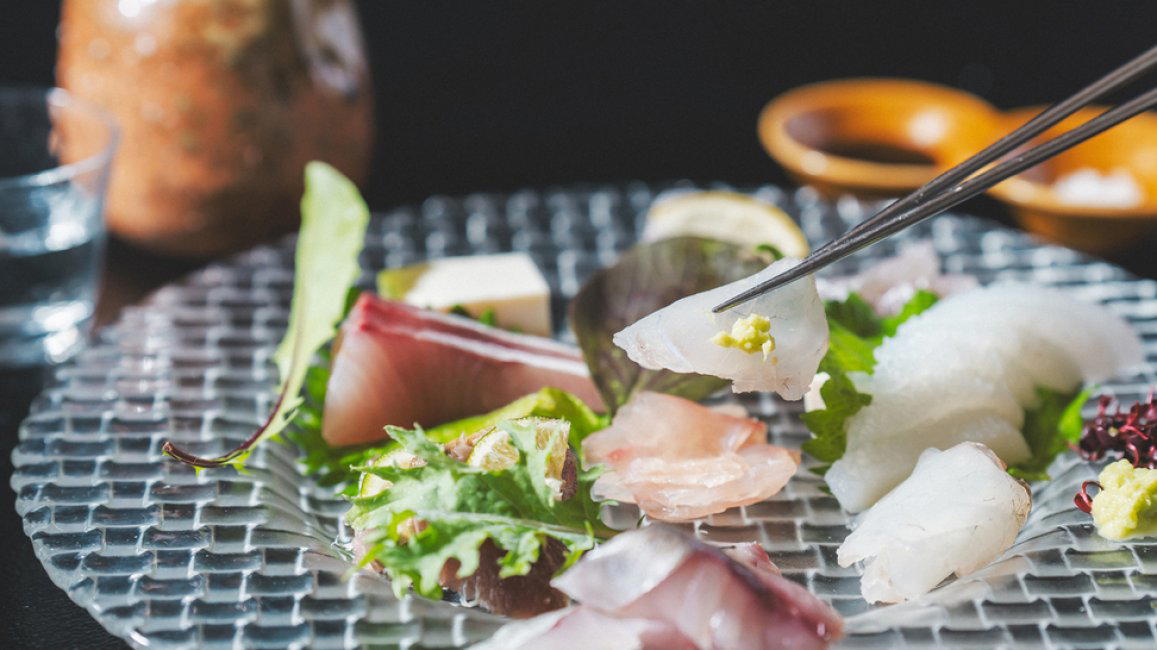
Kanazawa's Dining Geography and Where Katsusen Nomura Sits Within It
Kanazawa has built a dining identity that sits apart from Tokyo's density and Kyoto's heritage tourism weight. The city's proximity to the Sea of Japan and the Noto Peninsula gives its restaurants a specific ingredient logic: crab from Kaga, winter yellowtail, and a seafood supply that shapes menus across every price tier. That geography creates a distinct competitive set, one where restaurants are positioned less by global trend and more by how faithfully they translate local produce into technique. Katsusen Nomura operates inside that framework, in a city where the dining culture rewards precision and provenance over spectacle.
Kanazawa's restaurant scene segments clearly. At the top tier sit kaiseki rooms like Kataori and Zeniya, which operate within a formal multi-course tradition that treats the meal as a seasonal narrative. Below them, a mid-tier of specialist dining rooms handles everything from focused yakitori counters like Hamagurizaka Maekawa to contemporary Japanese formats. Then there are the local staples that anchor neighbourhood eating, including the accessible curry chain Go! Go! Curry, which has its roots in the city. Katsusen Nomura occupies a position in this network that rewards visitors who have done some homework on the city rather than those arriving with only a hotel concierge list.
The Physical Setting: Reading a Kanazawa Dining Room
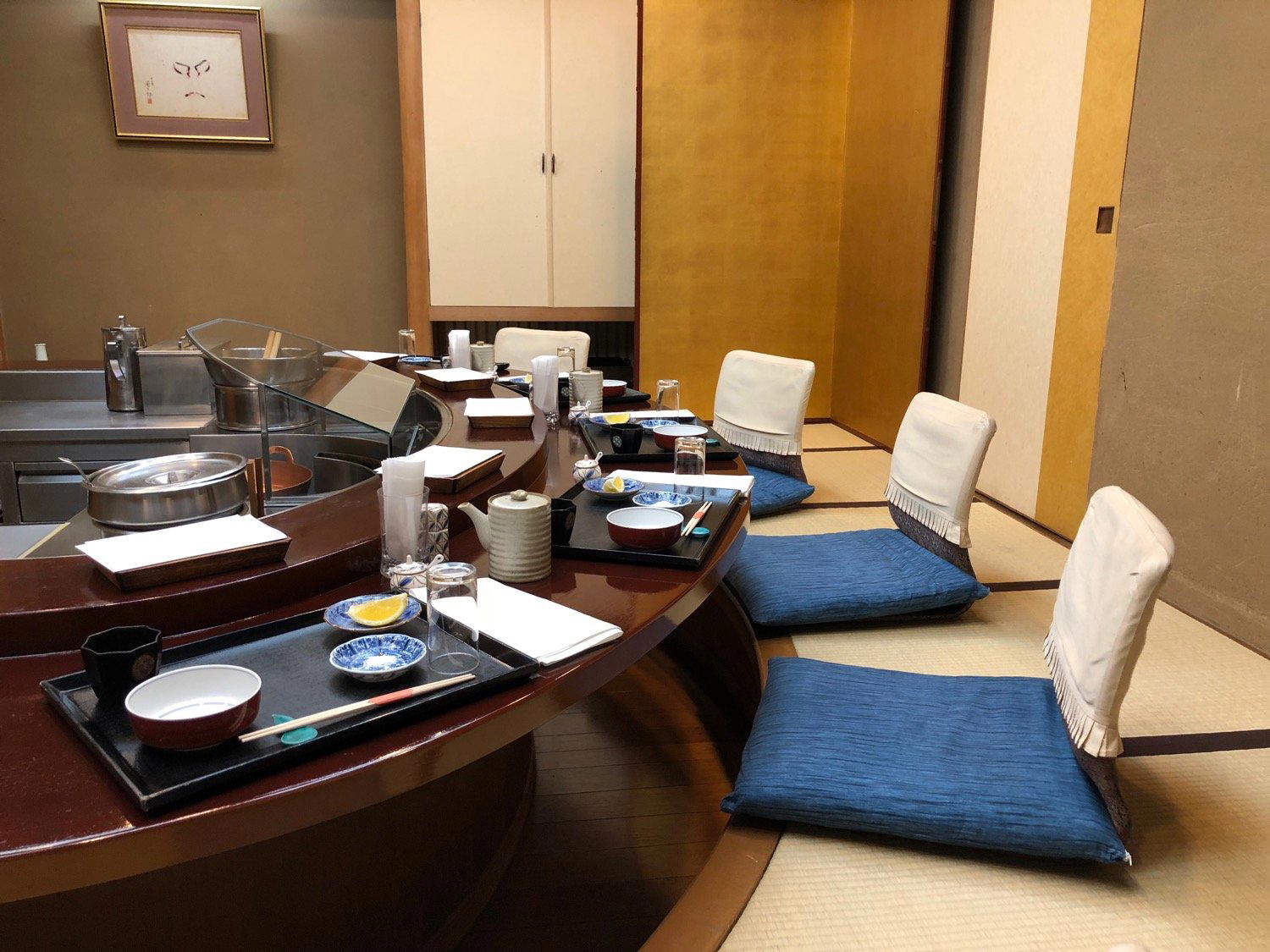
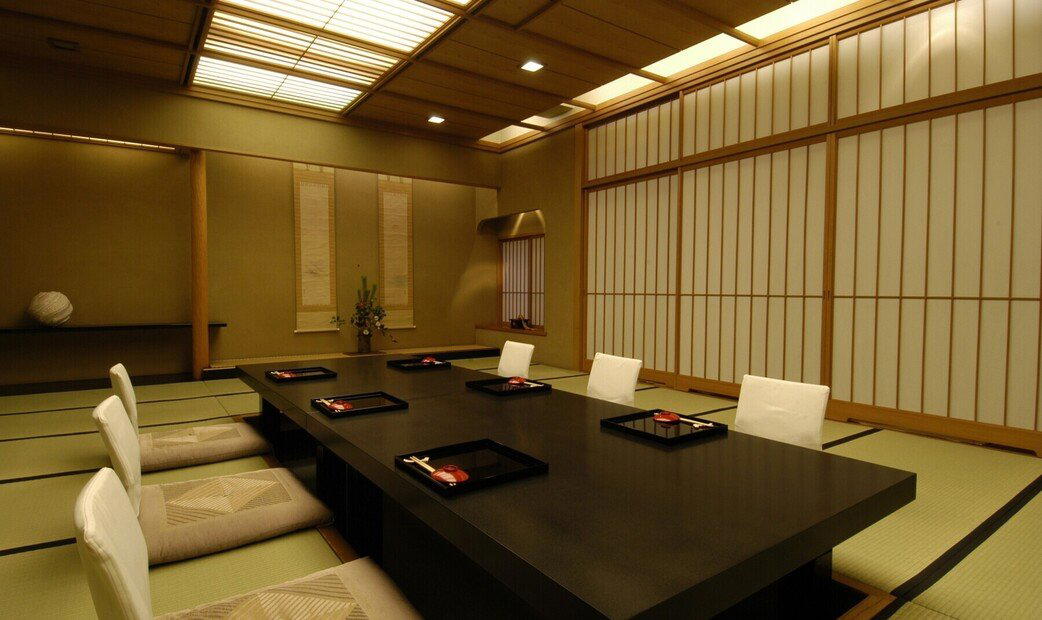
Approaching a traditional dining room in Kanazawa, the visual cues are different from what you encounter in Tokyo's high-rise restaurant floors or Osaka's packed basement izakayas. Kanazawa's older restaurant districts carry the architecture of a castle town: low rooflines, latticed facades, narrow approaches that open into considered interiors. The physical environment tends to communicate restraint before you sit down, and the dining rooms that belong to this tradition use space to slow the pace of a meal rather than maximise covers. Katsusen Nomura fits within this spatial sensibility, where the setting does some of the atmospheric work that a larger city would hand to design studios.
That relationship between place and dining experience is something Kanazawa does at a consistency that even larger Japanese cities struggle to maintain across a neighbourhood. The old Higashi Chaya geisha district, the preserved samurai quarter of Nagamachi, and the covered Omicho market all feed into a city that treats context as part of the product. A meal here carries different weight than the same food served in a generic room.
Kanazawa in the Broader Japanese Fine Dining Circuit
Japan's regional dining scene has grown considerably more legible to international visitors over the past decade. Cities like Fukuoka, with venues such as Goh, and Kyoto's deep establishment of rooms like Gion Sasaki, have expanded the map beyond Tokyo. Osaka's HAJIME represents a different register again, where French technique reframes Japanese produce. Kanazawa sits in that regional conversation as a city with genuine ingredient advantages and a culinary tradition that predates the modern fine dining taxonomy. The Kaga cuisine tradition, built around local vegetables and preserved seafood, gives chefs here a specific vocabulary that visitors familiar only with Tokyo kaiseki will find distinctly different in emphasis.
For visitors building a broader Japan itinerary, the comparison is instructive. Harutaka in Tokyo and Atomix in New York City operate in the global tier where booking lead times and international recognition set the pace. Kanazawa's specialist rooms, including Katsusen Nomura, operate in a different register: quieter, less internationally amplified, and more dependent on local knowledge to find. That is not a weakness in the proposition — it is the point. Further afield, akordu in Nara shows how Japan's secondary cities are building serious dining identities, and Le Bernardin in New York City remains the reference point internationally for what rigorously disciplined seafood cooking looks like at its highest register.
The Kanazawa Context: Dining Neighbours and the Local Network
Understanding Katsusen Nomura requires understanding the network of dining rooms that surround it. Kanazawa has a cluster of venues that serve as useful cross-references. Amanatto Kawamura represents the confectionery and wagashi tradition that runs parallel to the savoury dining culture, while Hakuichi connects the city's gold leaf craft to its hospitality identity. Budoonomori Les Tonnelles demonstrates that the city supports serious French cooking alongside its Japanese traditions, and Dokkan adds another dimension to the local specialist dining picture. This density of focused operations across different categories is what allows Kanazawa to support serious dining rooms without relying on tourism volume alone.
The regional picture extends further. Nearby 三本木 石川制 in Nanao represents how the Noto Peninsula's dining culture extends beyond Kanazawa itself. In other parts of Japan, rooms like 夕陽山乃 in Sapporo, 湖畔庵 in Takashima, and 羽根屋 in Nishikawa Machi show how Japan's regional dining culture rewards itinerary depth over city-only concentration. Birdland in Sakai adds another regional reference point for serious yakitori.
Planning a Visit
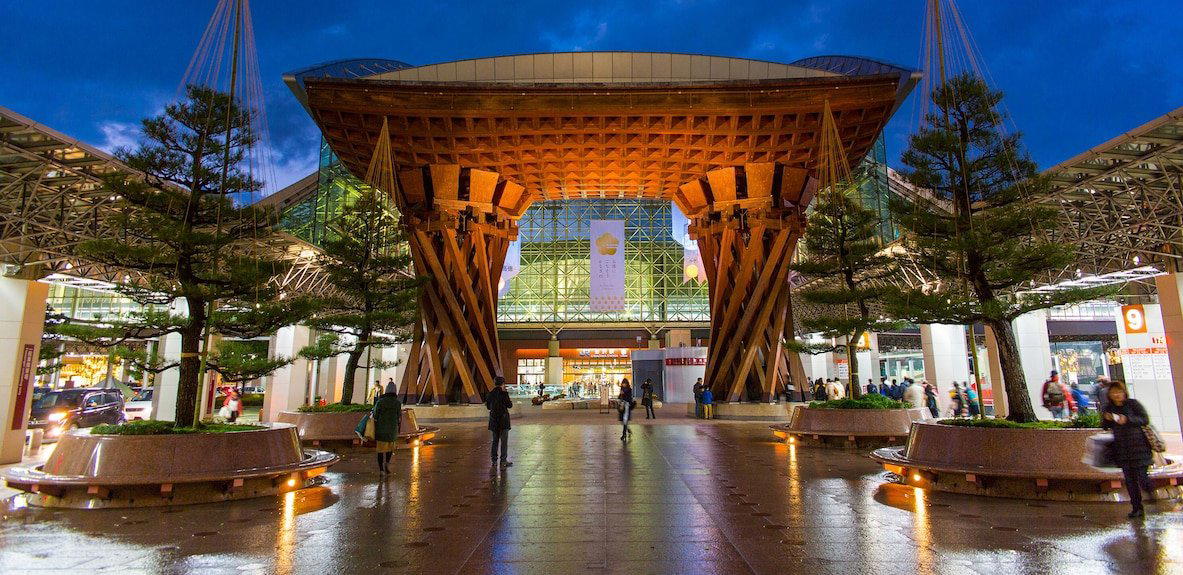
Kanazawa sits roughly two and a half hours from Tokyo by Hokuriku Shinkansen, a connection that opened in 2015 and materially changed the city's accessibility for domestic and international visitors. The Shinkansen link brought new dining traffic without dismantling the local character of the restaurant scene, which remains less internationally curated than Kyoto or Osaka. For visitors building a multi-city Japan itinerary, Kanazawa works well as a two or three night stop that sits between Tokyo and Kyoto or Osaka on the Hokuriku route. Arriving by train and staying central puts the main dining districts within walking distance. Reservations at Kanazawa's specialist rooms generally require advance planning, and non-Japanese speakers will find that telephone or email reservations benefit from Japanese language assistance or a hotel concierge who understands the local scene. The full Kanazawa restaurants guide provides broader orientation for building a dining programme in the city.
The Quick Read
Comparable venues nearby, for context on price, style, and recognition.
| Venue | Cuisine | Price | Notes |
|---|---|---|---|
| Katsusen NomuraThis venue — the venue you are viewing | Not listed | $$$ | Not listed |
| Medicinal Food Café Cien Gallery | Medicinal Japanese Café | $$$ | Not listed |
| Yakitori Manjiro | Kanazawa, Yakitori counter in Kanazawa | $$$ | Not listed |
| Sushi Ikuta | Not listed | $$$ | Kanazawa, Seasonal Edomae-Style Sushi Omakase |
| 333 | Kanazawa, Hinai Chicken Yakitori | $$$ | Not listed |
| 鮨 æ¨å ´è°· | Kanazawa, Traditional Kaga Kaiseki | $$$ | Not listed |
Continue exploring
More in Kanazawa
Restaurants in Kanazawa
Browse all →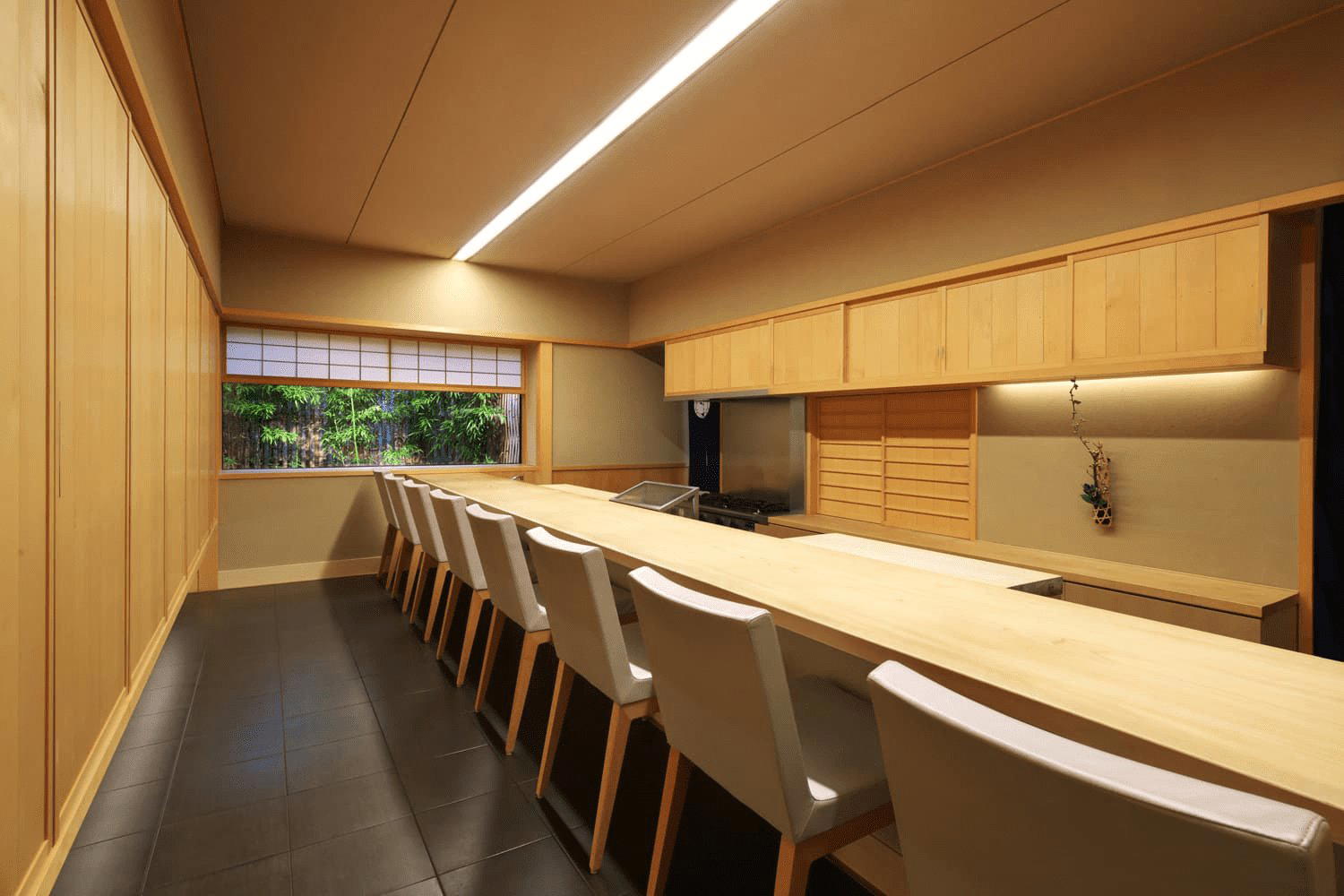
Bars in Kanazawa
Browse all →
Hotels in Kanazawa
Browse all →

Wineries in Kanazawa
Browse all →
At a Glance
- Cozy
- Intimate
- Group Dining
- Special Occasion
- Private Dining
- Sake Program
- Local Sourcing
Cozy hideaway atmosphere in residential outskirts with focus on seasonal ingredients.