In Kanazawa's Higashiyama district, where the city's geisha quarter meets the Asano River, 鮨 みつ川 operates within a sushi tradition shaped by Hokuriku seafood of unusual quality. Kanazawa's position on the Sea of Japan gives its sushi counters access to ingredients that differ markedly from Tokyo's Tsukiji-sourced standard, and みつ川 sits inside that regional identity.
Pearl is the En Primeur Club membership app — saves, bookings, and concierge access live there. Same editors, same standards.
- Address
- Japan, 〒920-0831 Ishikawa, Kanazawa, Higashiyama, 1 Chome−16−2 みつ川
- Phone
- +81762535005
- Website
- sushi-mitsukawa.jp
- Directions
- Get directions
 Saves & bookings on Pearl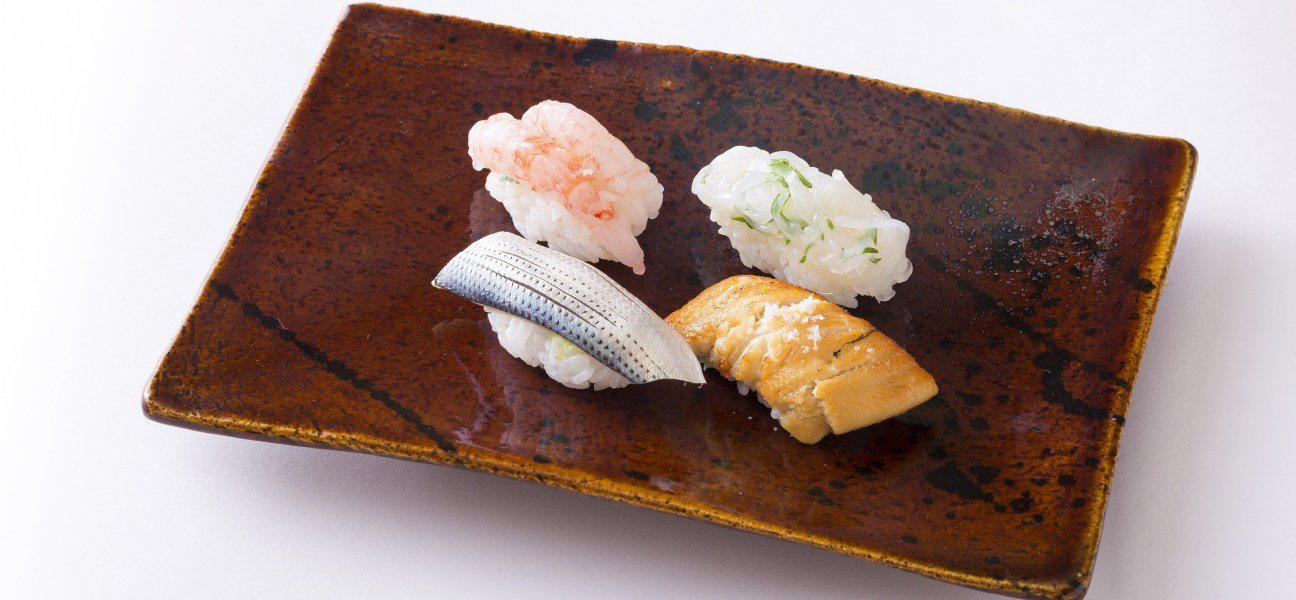
Higashiyama and the Sushi Counter as Cultural Form
Kanazawa's Higashiyama district carries a particular density of tradition. The preserved machiya townhouses, the tea houses along Kazuemachi, and the proximity of the Asano River create a neighbourhood where the physical environment still reflects pre-Meiji Japan in ways that most Japanese cities cannot. It is in this context that 鮨 みつ川 occupies its address on Higashiyama 1-chome, a location that places it within among the more historically intact urban zones in the country.
The sushi counter as a dining format is often discussed in terms of Tokyo or Osaka, but the tradition has deep regional expressions across Japan. Kanazawa's version is shaped by its geography: the city faces the Sea of Japan, draws from the Noto Peninsula's fishing communities, and sits within Ishikawa Prefecture's broader culinary culture, which includes kaiseki traditions at venues like Dokkan and Budoonomori Les Tonnelles. The seafood that reaches Kanazawa's counters differs from what a Tokyo counter sources. Winter sees buri (yellowtail) of a size and fat content that the Pacific coast cannot match; crab season brings Echizen and Kaga-branded crabs that command prices reflecting genuine scarcity. A sushi counter in Higashiyama is, in this sense, a format through which Hokuriku's marine identity becomes legible.
What the Omakase Format Does Here
Across Japan, the omakase format has stratified considerably over the past decade. At the upper end, counters in Tokyo's Ginza and Minami-Aoyama neighbourhoods price against international luxury benchmarks; at the regional level, counters in cities like Kanazawa, Fukuoka, and Sapporo often price against local purchasing power while still sourcing at a tier that would be unremarkable in the capital. The tension between regional sourcing quality and metropolitan pricing norms is one of the more interesting structural features of Japan's sushi scene right now. Venues like Harutaka in Tokyo operate inside a system of expectations and price signals that a Kanazawa counter simply does not replicate, which is not a disadvantage. It is a different register entirely.
The omakase structure itself, at a counter of 鮨 みつ川's type, follows the logic that has defined serious nigiri dining in Japan for generations: the itamae controls sequence, tempo, and temperature; the guest responds rather than directs. This is not theatrical passivity but a form of hospitality rooted in the idea that the cook's reading of what is leading on a given day carries more authority than a printed menu could. It is worth noting how this contrasts with the kaiseki tradition dominant elsewhere in Kanazawa, where courses are elaborate and multi-component. The sushi counter reduces the same emphasis on seasonal ingredient primacy to a format that is almost minimalist by comparison: fish, rice, a controlled amount of seasoning, and little else.
Kanazawa's Position in Japan's Regional Dining Hierarchy
Kanazawa has been described, sometimes loosely, as Japan's food city outside Kyoto. The comparison holds in some respects and breaks down in others. Both cities have intact culinary traditions supported by a culture of craft production, quality agriculture, and historical insularity from rapid modernisation. But Kanazawa's marine dimension gives it a character that Kyoto's landlocked kaiseki culture does not share. The Noto Peninsula, running north into the Sea of Japan, has produced fishing communities whose practices and seasonal rhythms feed directly into what appears on counters in Higashiyama. This is the kind of supply chain specificity that informs serious regional dining across Japan, from Goh in Fukuoka to Gion Sasaki in Kyoto, where the sourcing geography shapes the menu as decisively as any chef's technique.
Within Kanazawa itself, the dining options spread across registers. The city has confectionery houses like Amanatto Kawamura that reflect the wagashi tradition, gold-leaf craft producers like Hakuichi, and casual formats like Go! Go! Curry that speak to the city's everyday food culture. 鮨 みつ川 sits in a different tier from all of these, in the category of formal counter dining where the experience is structured and the sourcing is deliberate.
Japan's regional sushi scene extends well beyond Kanazawa. 一本木 名古屋製 in Nanao and 夕霞山乃 in Sapporo each express distinct regional seafood identities, or how 湖畔荘 in Takashima and 庄羽屋 in Nishikawa Machi represent the kind of rural-adjacent precision that defines much of Japan's serious dining outside the major cities. HAJIME in Osaka and akordu in Nara show how the Kansai region handles high-end dining with a different set of cultural assumptions altogether. Birdland in Sakai offers an instructive comparison for how yakitori, not sushi, has become the vehicle for serious craft cooking in some regional Japanese contexts.
The Role of Setting in the Counter Experience
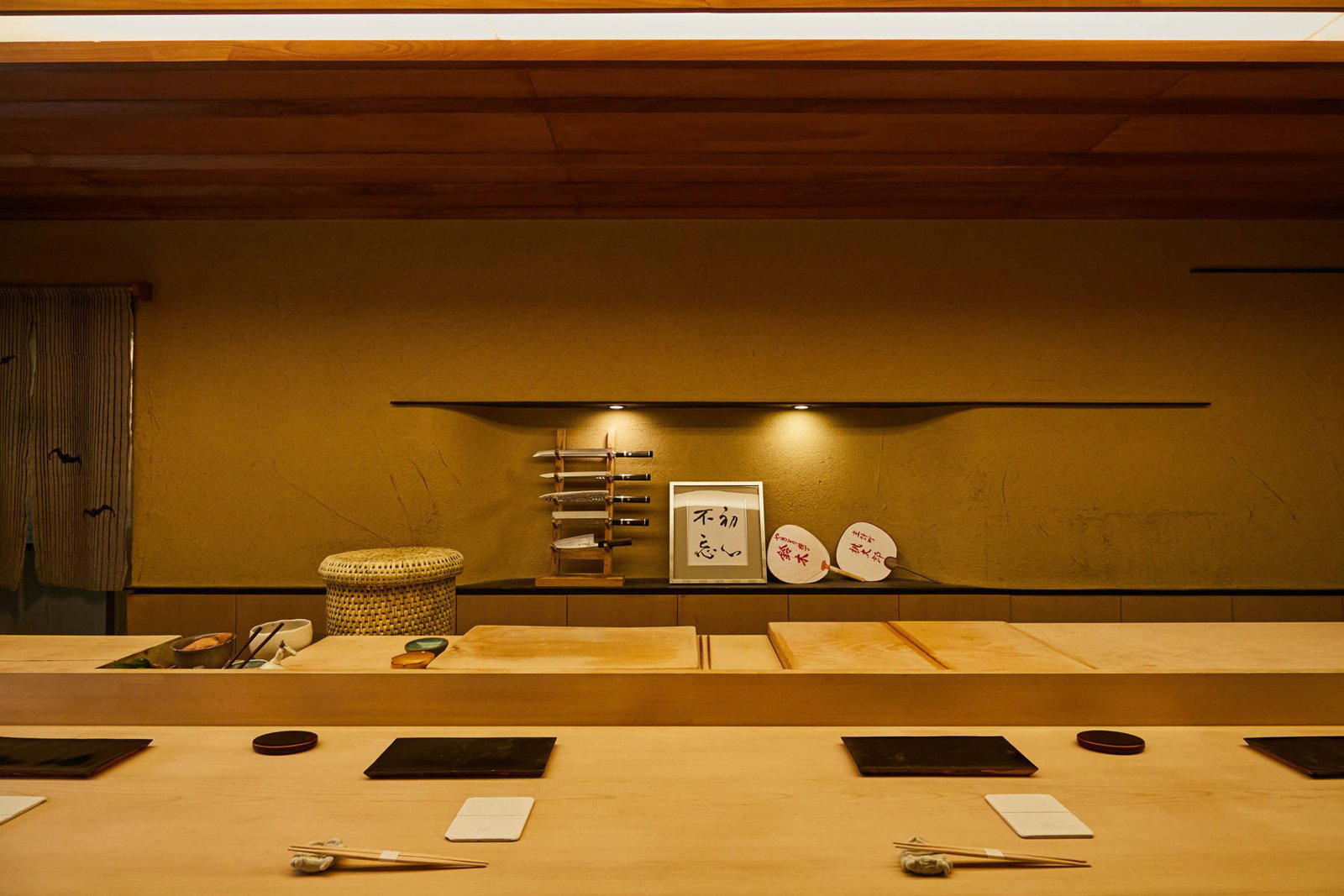
The physical environment of a sushi counter shapes the meal. The discipline of the itamae, the wood of the counter, the temperature at which nigiri is pressed and served, the proximity of guest to cook: all of these are structural features of a dining format that treats space as part of the communication. In Higashiyama, that spatial context extends beyond the room itself. The neighbourhood's preserved streetscape, its teahouses and stone-paved lanes, frames the act of entering a counter restaurant as something embedded in a longer cultural sequence rather than an isolated dining transaction. This is the kind of context that separates Kanazawa's serious counters from equivalent-tier venues in purpose-built commercial districts. Le Bernardin in New York City and Atomix in New York City demonstrate how the counter format travels, and what it loses and gains in translation.
Know Before You Go
- Location: Higashiyama 1-chome, Kanazawa, Ishikawa Prefecture 920-0831, Japan
- District: Higashiyama geisha quarter, east of the Asano River
- Format: Sushi counter (omakase style typical for this category)
- Booking: Advance reservation strongly advisable for any serious counter at this level in Kanazawa; walk-in availability is not guaranteed and should not be assumed
- Timing: Winter months (November through February) represent the peak of Hokuriku seafood season, when buri and crab are at their seasonal height
- Getting there: Kanazawa Station is approximately 15 minutes by taxi; the Higashiyama area is also accessible by the Kanazawa Loop Bus (Higashiyama stop)
- Phone and website: not listed at time of publication; reservation via concierge or Japanese-language booking platform is the standard approach
Credentials Lens
Comparable venues nearby, for context on price, style, and recognition.
| Venue | Cuisine | Price | Notes |
|---|---|---|---|
| 鮨 みつ川This venue — the venue you are viewing | Traditional Japanese Omakase Sushi | $$$$ | Not listed |
| 木佐貫 | Kanazawa Kaiseki Omakase | $$$$ | Tokiwamachi |
| Sushi Dokoro Mekumi | Traditional Japanese Omakase | $$$$ | Nonoichi |
| A_RESTAURANT | Innovative Japanese Omakase | $$$$ | Kanazawa |
| Teppanyaki 「Icho」 | Teppanyaki | $$$$ | Kanazawa |
| 割烹 いけ森 | Kanazawa Kappo Kaiseki | $$$$ | Kanazawa |
Continue exploring
More in Kanazawa
Restaurants in Kanazawa
Browse all →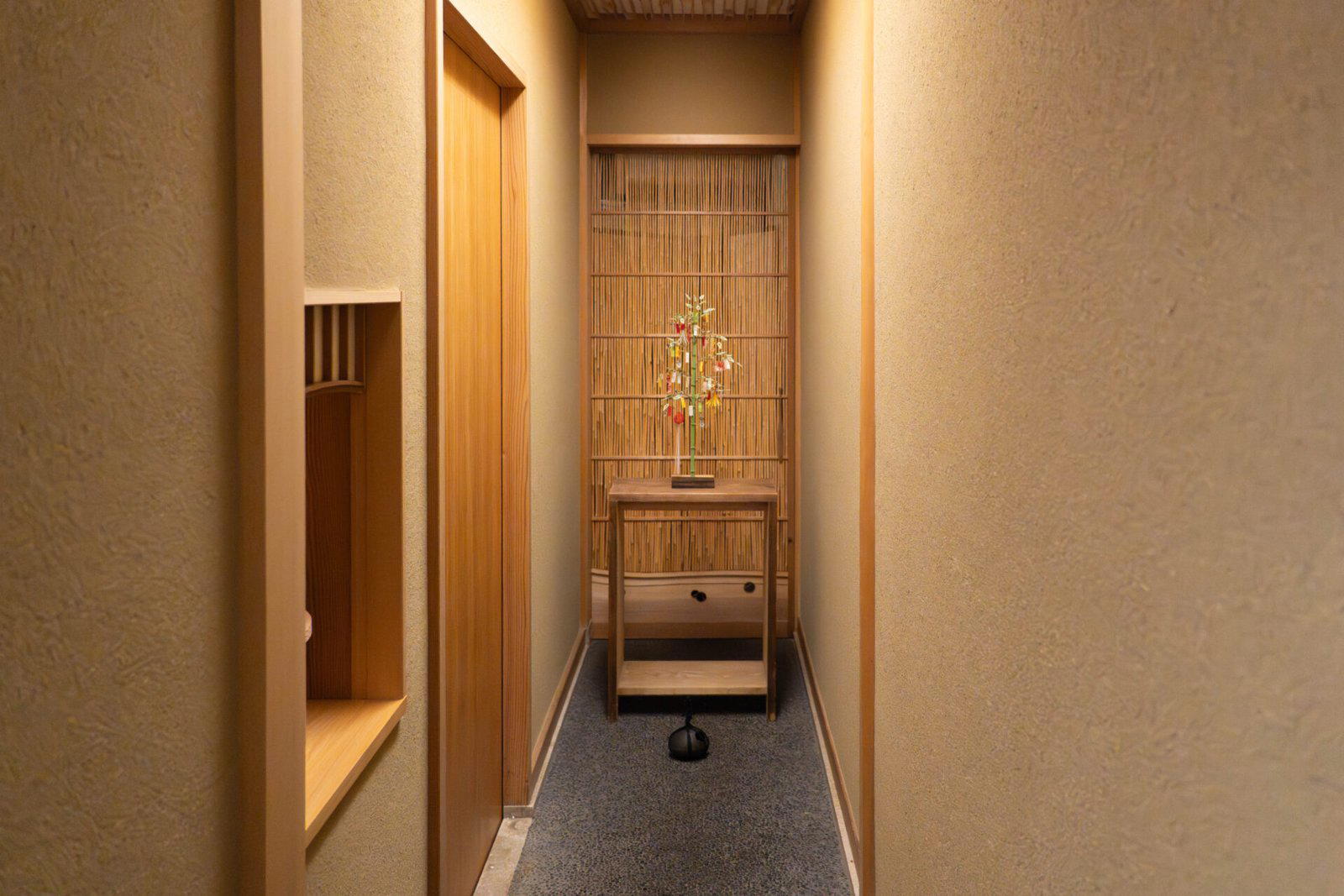
Hotels in Kanazawa
Browse all →
Wineries in Kanazawa
Browse all →
At a Glance
- Elegant
- Intimate
- Sophisticated
- Classic
- Special Occasion
- Date Night
- Chefs Counter
- Historic Building
- Sake Program
- Local Sourcing
- Sustainable Seafood
Current opening hours
- Monday
- 12–2 PM, 5:30–10 PM
- Tuesday
- 12–2 PM, 5:30–10 PM
- Wednesday
- 12–2 PM, 5:30–10 PM
- Thursday
- 12–2 PM, 5:30–10 PM
- Friday
- 12–2 PM, 5:30–10 PM
- Saturday
- 12–2 PM, 5:30–10 PM
- Sunday
- 12–2 PM, 5:30–10 PM
Hours can change for holidays and private events. Last verified .
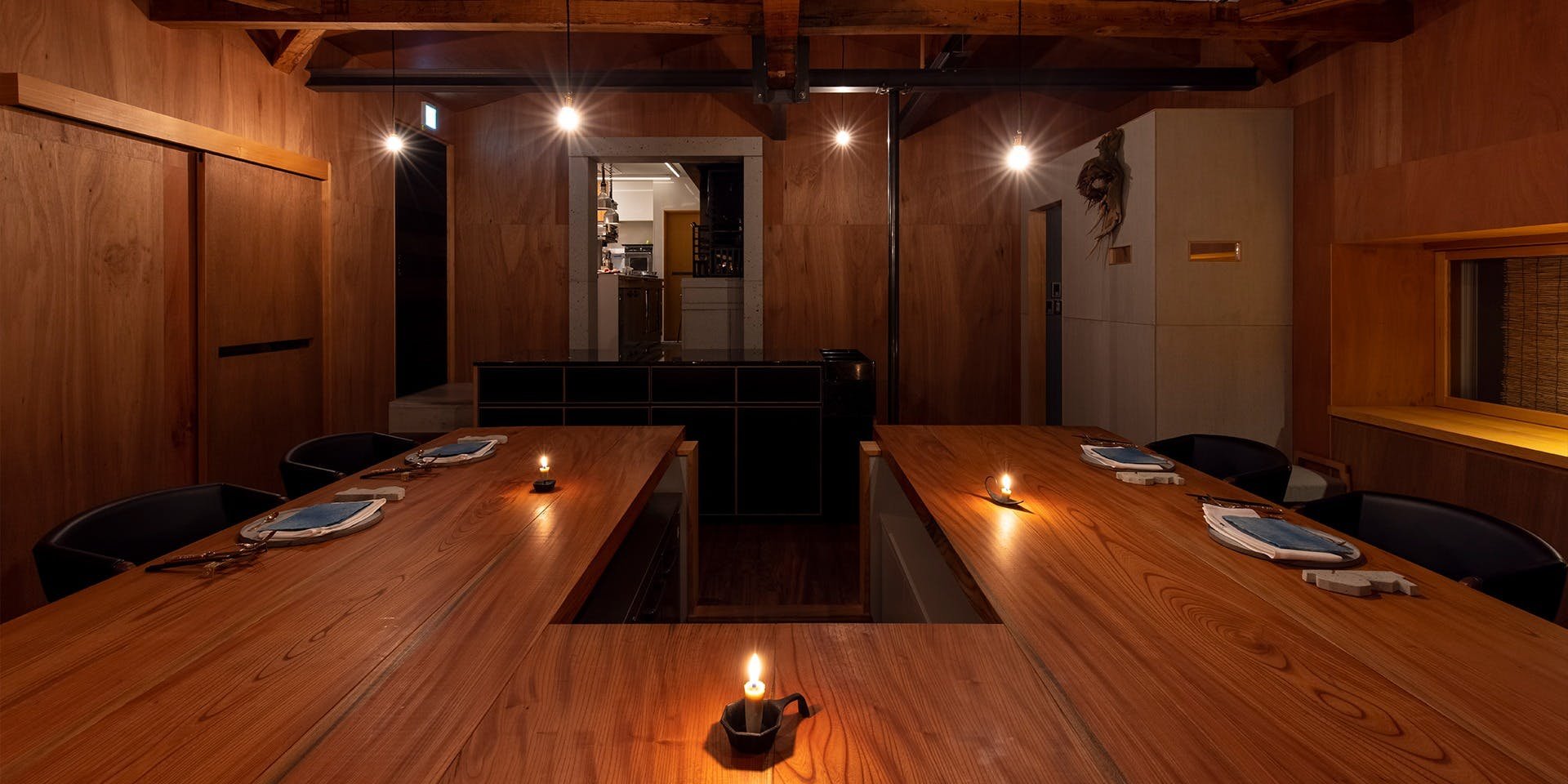
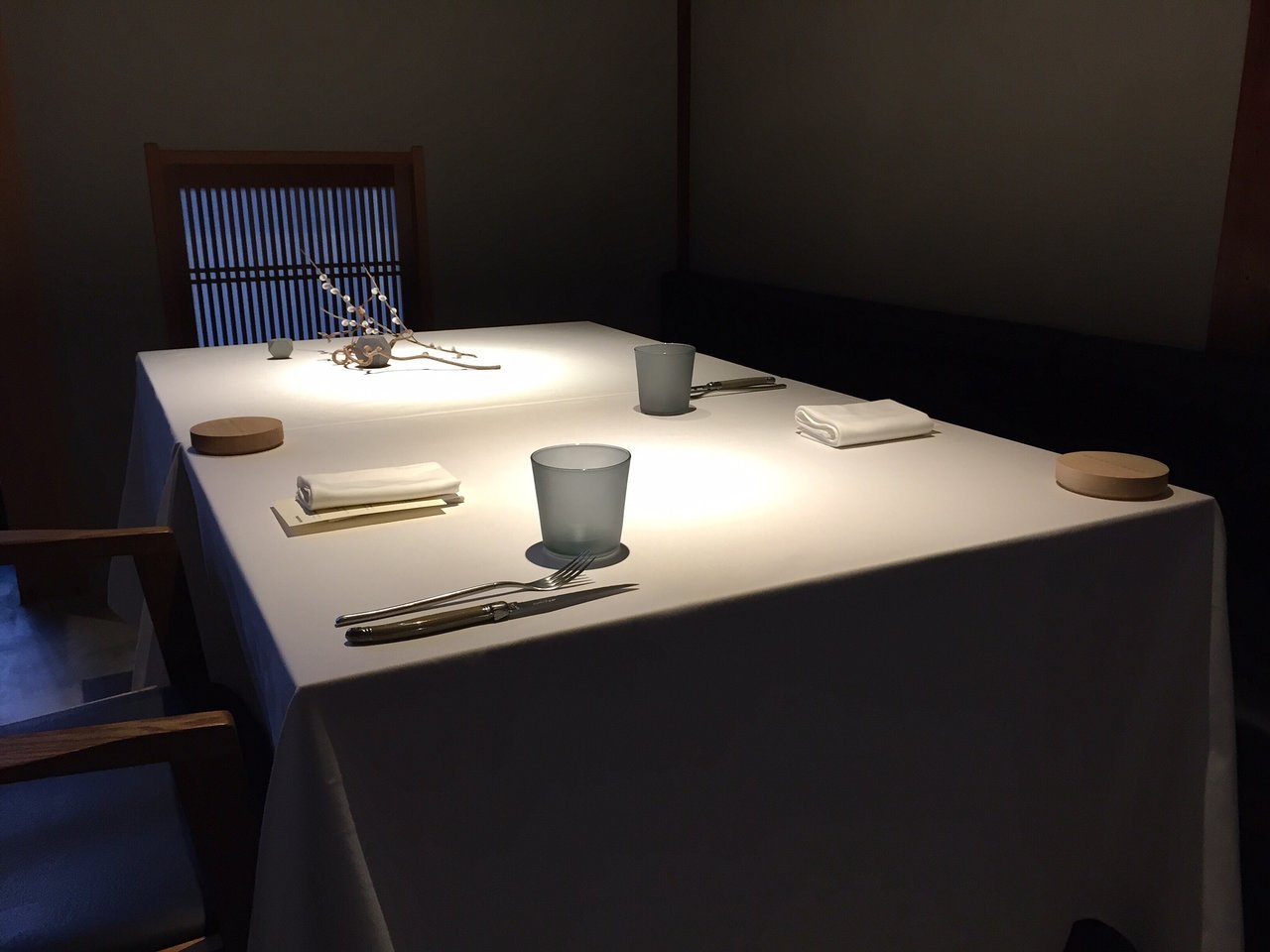
Clean, elegant, and upper-class atmosphere reminiscent of traditional teahouses with a serene and refined setting.