

Nishiazabu’s premium yakiniku tier has moved beyond smoke, beer, and quick-turn tables into a more technical format built around wagyu sourcing, wine service, and controlled grilling. The INNOCENT CARVERY sits in that bracket, with repeated Tabelog 100 Yakiniku Tokyo selections and a room that splits counter focus from table dining.
Pearl is the En Primeur Club membership app — saves, bookings, and concierge access live there. Same editors, same standards.
- Address
- Japan, 〒106-0031 Tokyo, Minato City, Nishiazabu, 1 Chome−4−28 カルハ西麻布 101
- Phone
- +81 3-5411-2911
- Website
- innocent-carvery.jp
 Saves & bookings on Pearl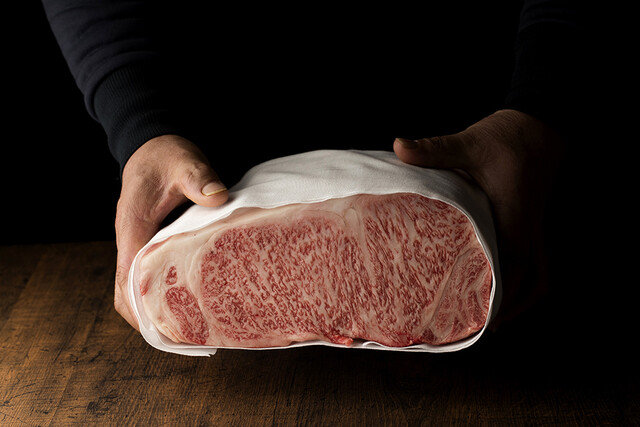
In Nishiazabu, yakiniku has moved beyond charcoal haze and late-night volume. Serious rooms now behave more like steak counters and wine-led Japanese restaurants: beef anchors the meal, but the experience depends on cut selection, heat control, pacing, and a drink list that can handle fat, smoke, and salt. The INNOCENT CARVERY belongs to this newer Tokyo category, where domestic beef culture meets a more international service grammar.
That matters in Minato. Nishiazabu sits between Roppongi’s after-dark traffic, Nogizaka’s quieter residential edge, and the high-spend dining habits of Azabu and Hiroo. Nearby, Nishiazabu Otake, Merachi, Yamazaki, Nishiazabu Noguchi, and トラジ 西麻布店 show the area’s range: kaiseki, Italian, Japanese dining, and casual-to-premium grill formats within a short taxi ride. Yakiniku here must justify itself against tasting-menu discipline and counter-led Japanese cooking, not just other grill rooms.
Wagyu culture, handled with a steakhouse sense of control
Tokyo yakiniku is built on choice and immediacy: sliced beef, tabletop heat, rice, dipping sauces, and a rhythm that can move from tongue to marbled cuts to offal with little ceremony. Premium yakiniku changes the frame, asking diners to consider breed, texture, thickness, doneness, and sequencing. It overlaps with Japanese beef houses and Western steak technique, but remains distinct because the table stays close to the cooking.
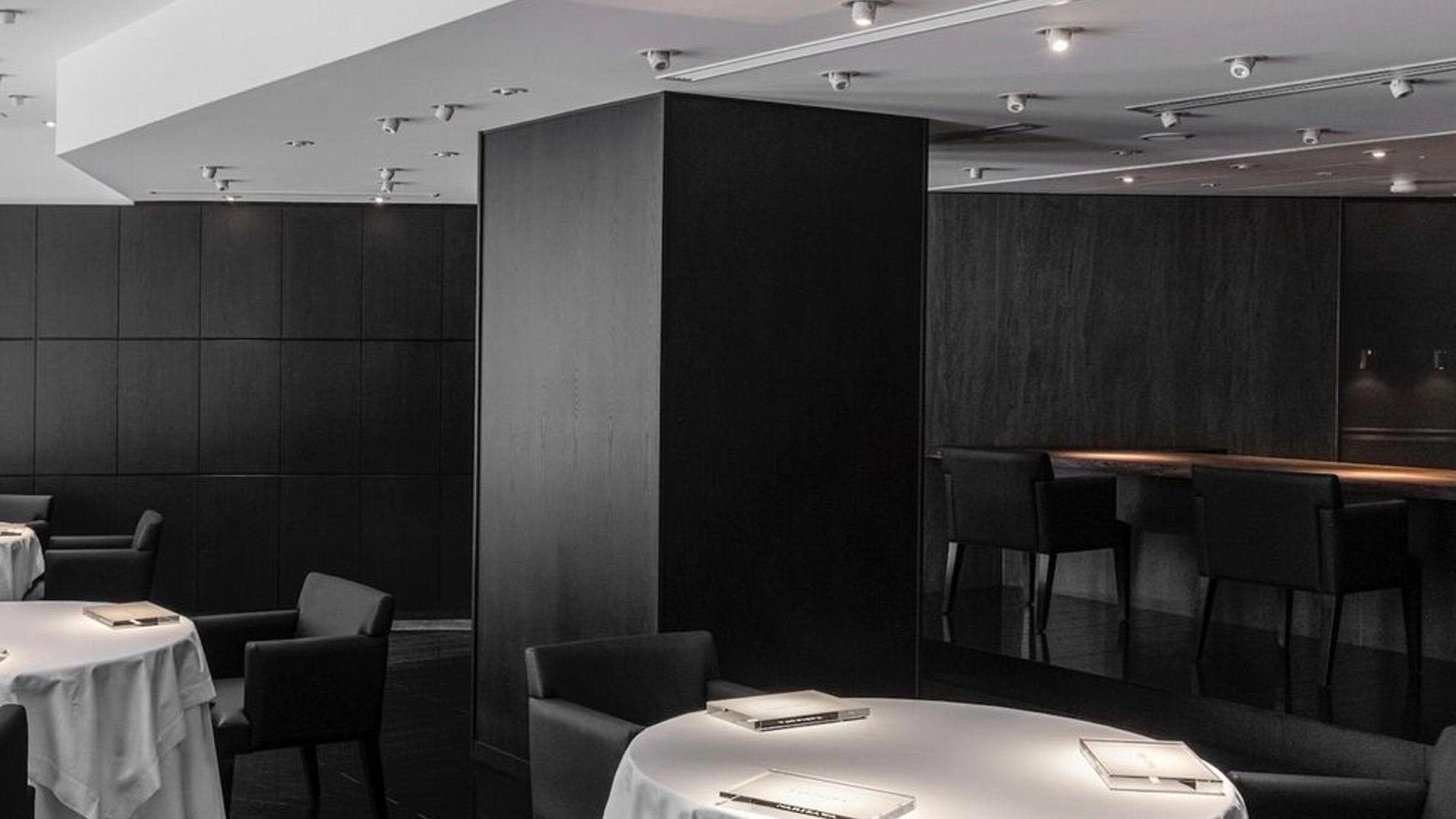
The INNOCENT CARVERY is listed for yakiniku and beef dishes, signaling a broader beef program rather than a narrow grill-only identity. The room has 51 seats, including 9 counter seats and 36 table seats: above the tiny counter-only genre, below high-volume chain format. That scale suits Nishiazabu’s premium pattern, with capacity for private dining and groups plus counter seating for diners who want the grill and service choreography in view.
The drink program marks the same shift. Sake, shochu, wine, and cocktails are available, and the wine focus is not decorative. Wagyu’s sweetness and fat can flatten poor pairings; wine service gives the meal a global vocabulary, closer to a steakhouse or modern kappo than a beer-first yakiniku outing. Sommelier availability reinforces that direction without turning the format into a formal dégustation.
Recognition gives the claim weight. The restaurant was selected for Tabelog 100 Yakiniku Tokyo 2025, with previous Tabelog 100 selections in 2021, 2022, 2023, and 2024, and carries a Tabelog score of 3.96. In Tokyo’s user-review culture, repeated selection matters because yakiniku is crowded, price-sensitive, and judged by diners comparing cut quality and value across a wide field. The signal is not Michelin-style inspection; it is category-specific endorsement inside one of Japan’s most competitive restaurant taxonomies.
Why Nishiazabu is the right address for premium yakiniku
Nishiazabu rewards restaurants that feel composed rather than loud. Its dining culture is less about street visibility than destination behavior: guests arrive for a specific room, cuisine, or trusted recommendation. That suits higher-bracket yakiniku, where pleasure is not only abundance but calibration. The gap between a good beef dinner and a costly one depends on sequencing, smoke, pacing, and staff intervention.
Private rooms for two and four reveal the intended audience. Tokyo’s premium beef restaurants often serve business dinners, celebrations, and small-group meals where privacy matters as much as the grill. Here, the setup is practical rather than theatrical: for four guests, the meat is grilled at a separate table, pointing to the logistics of controlling heat and service in a compact room.
The counter is more editorially interesting. In Tokyo, counters signal concentration: sushi, tempura, kappo, yakitori, and now certain yakiniku rooms use them to bring technique forward. Nine counter seats do not turn a beef restaurant into omakase, but they shift attention from quantity to handling. For diners comparing premium meat formats, that separates this style from banquet yakiniku and aligns it with the city’s craft-counter culture.
The INNOCENT CARVERY opened in 2015, long enough to sit outside the novelty cycle but recent enough to belong to Tokyo’s modern wagyu wave. The format reflects a broader trend: Japanese beef remains the indigenous product, while service codes borrow from steakhouse wine culture, counter dining, and polished international hospitality. English-speaking staff make the room more accessible to visitors, but the grammar remains Tokyo: precise categories, high expectations, and little tolerance for weak sourcing.
How to place it in a Tokyo dining itinerary
This fits travelers who want a beef-focused evening rather than a long kaiseki progression or sushi counter. It also makes sense after several seafood-led meals, when Tokyo can start to feel defined by raw fish and seasonal small plates. Premium yakiniku offers another view of Japanese luxury: the product is domestic and exacting, the mood more social, the heat visible, and the pairing logic able to stretch from nihonshu to wine.
Diners building a broader Japan file can also compare Tokyo’s range through 鮪と炭火焼き うお炭 秋葉原店, 12/10 Shinjuku ten, 124. KAGURAZAKA (Yakitori), 2D Cafe, and 3 Chome no Curry Ya San.
Beyond Tokyo, the beef-and-fire conversation continues at -Grilled beef Sukiyaki- KAMAKURA TANUKIAN 鎌倉 たぬき庵 in Kamakura, while other Japanese dining references include.cafe in Osaka.know in Kumamoto, (Shoku) Vietnam in Kawasaki, [Curry Senmon Ten] Maruyama Kyoju. in Sapporo, and [ki:] in Kyoto. For Japanese drinking culture abroad, Jōdo Saké Bar in Los Angeles and Onigiri Time in Pasadena sit in a different context, but help frame how Japanese ingredients and service codes travel.
A Lean Comparison
Side-by-side context: comparable cuisine and price.
| Venue | Cuisine | Price | Notes |
|---|---|---|---|
| The INNOCENT CARVERYThis venue — the venue you are viewing | Minato, Modern Wagyu Yakiniku Omakase | $$$$ | Not listed |
| Sushi Sho | Not listed | $$$$ | Nishiazabu, Traditional Edomae Sushi Omakase |
| Yachiyo | Marunouchi, Traditional Japanese Kaiseki | $$$$ | Not listed |
| Sushi Mitani (鮨 三谷) | Yotsuya, Edomae-style Omakase | $$$$ | Not listed |
| 山﨑 | Minato, Hokkaido-style Omakase Sushi | $$$$ | Not listed |
| 分とく山 | Not listed | $$$$ | Minato, Michelin-Starred Seasonal Japanese Kaiseki |
Recognition history
Dated appearances from independent guides and award organizations, with the underlying list record or original source where available.
Black Pearl 1 Diamond
Black Pearl
Tabelog 100 #42 · No. 42
Tabelog · Tabelog 100 - Yakiniku - TOKYO - 2025












At a Glance
- Elegant
- Sophisticated
- Modern
- Intimate
- Trendy
- Date Night
- Business Dinner
- Celebration
- Special Occasion
- Group Dining
- Chefs Counter
- Open Kitchen
- Private Dining
- Design Destination
- Standalone
- Extensive Wine List
- Sake Program
- Local Sourcing
- Farm To Table
Current opening hours
- Monday
- Closed
- Tuesday
- 5–11 PM
- Wednesday
- 5–11 PM
- Thursday
- 5–11 PM
- Friday
- 5–11 PM
- Saturday
- 11 AM–3 PM, 5–11 PM
- Sunday
- 11 AM–3 PM, 5–11 PM
Hours can change for holidays and private events. Last verified .
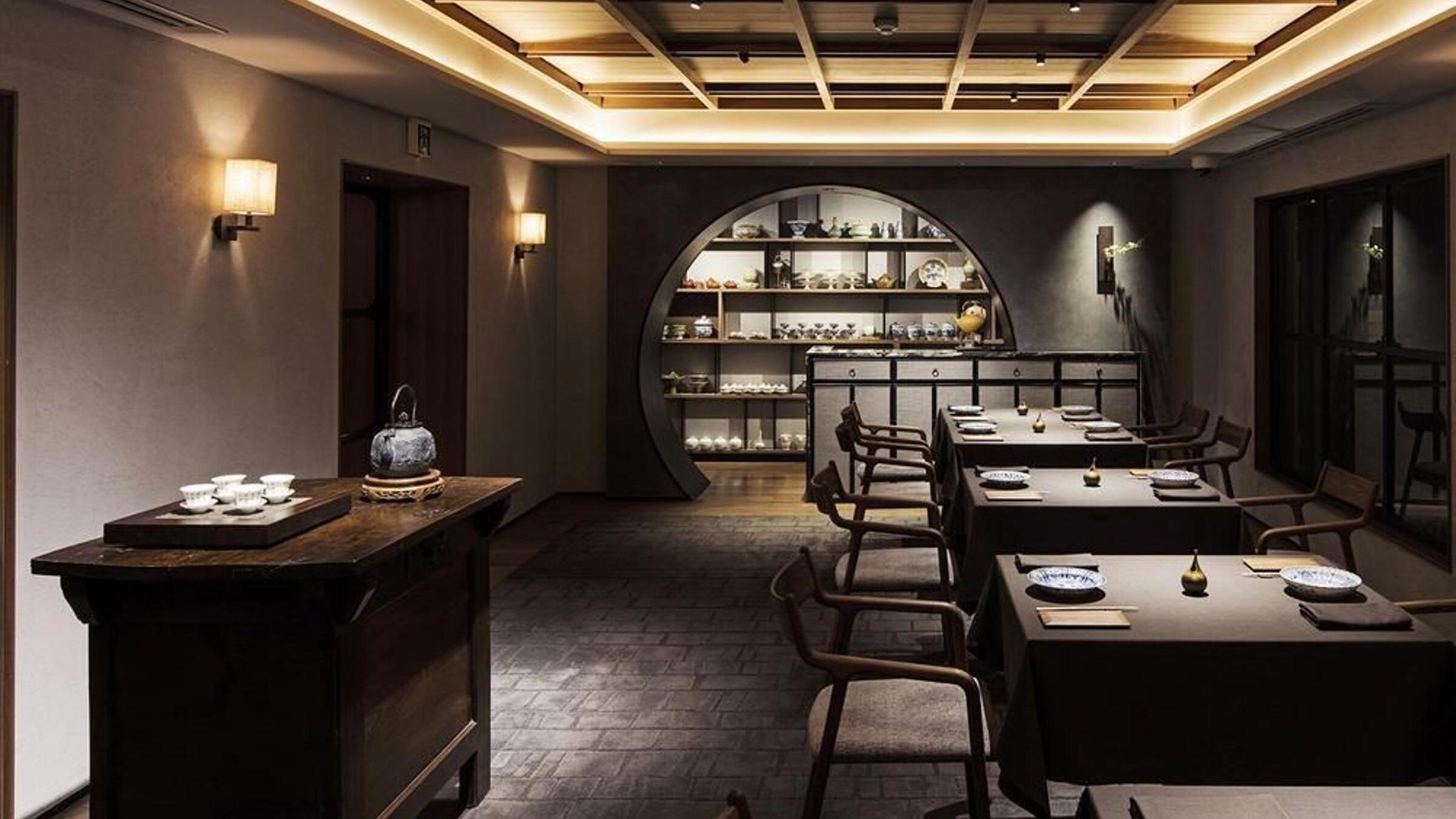
Contemporary and elegant with a refined, chef-focused atmosphere; guests sit at counter and table seats in a softly lit space while staff grill top-grade Wagyu for an immersive yet relaxed dining experience.