

Higuchi occupies a quiet address in Jingumae, Shibuya, placing it within one of Tokyo's most concentrated pockets of serious dining. The venue sits in a tier where booking strategy and planning depth matter as much as the meal itself. For visitors working through Tokyo's upper restaurant circuit, it belongs on the research list alongside the city's most closely watched counters and dining rooms.
Pearl is the En Primeur Club membership app — saves, bookings, and concierge access live there. Same editors, same standards.
- Address
- Japan, 〒150-0001 Tokyo, Shibuya, Jingumae, 2 Chome−19−12 2階
- Phone
- +81334027038
- Website
- omakase.in
- Directions
- Get directions
 Saves & bookings on Pearl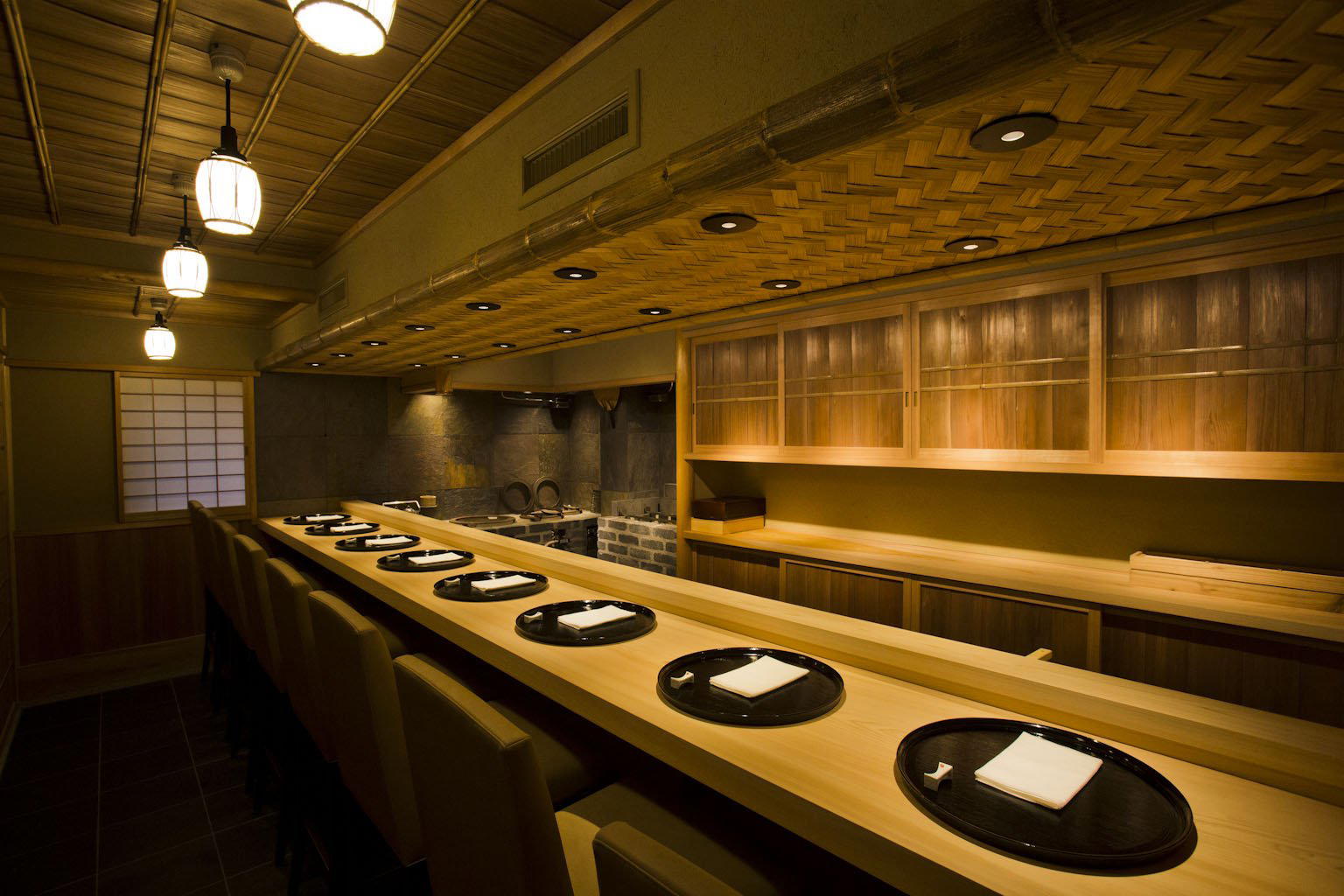
Arriving in Jingumae: What the Address Tells You
Higuchi is a restaurant in Jingumae, Shibuya, Tokyo, serving Modern Japanese Kappo Omakase and priced around $250 per person. This part of the 2-chome sits closer to the residential quiet behind Omotesando than to the commercial density of Harajuku's main drag. In Tokyo's dining geography, that kind of address signals something deliberate: restaurants that position themselves here tend to rely on word-of-mouth circuits and reservation depth rather than foot traffic. The neighbourhood has absorbed a growing number of serious dining rooms over the past decade, and Higuchi's placement within it puts it in that same current.
Tokyo's upper dining tier has a particular relationship with location. Counters and small rooms in low-visibility streets often carry more weight in the city's internal recommendation networks than those on prominent avenues. The address in Jingumae fits that pattern, and for visitors building a Tokyo itinerary around precision dining, it marks Higuchi as a venue that rewards advance research rather than spontaneous discovery.
The Booking Problem: Planning Depth in Tokyo's Top Tier
Tokyo operates one of the world's most demanding reservation systems at the upper end of its restaurant market. Venues in the Jingumae and Omotesando catchment area frequently run waiting periods that stretch weeks or months ahead, particularly for international visitors who lack the local phone-in advantage that Tokyo's booking culture historically favoured.
For context, consider where comparable venues sit. Harutaka in Ginza, one of the city's benchmark sushi counters at the ¥¥¥¥ tier, books through relationships and advance planning that most international visitors need to arrange well before departure. RyuGin, the Roppongi kaiseki room that consistently draws comparison with the city's most rigorous seasonal cooking, operates on a similar timeline. L'Effervescence in Nishi-Azabu, which blends French discipline with local ingredient sourcing at the same price tier, requires the same level of calendar commitment. Higuchi sits in a neighbourhood where this kind of planning is the baseline expectation, not the exception.
The practical implication for visitors: treat a reservation at Higuchi with the same logistical weight you would give to any serious Tokyo counter. If you are building an itinerary around a trip to Japan, this venue belongs in the first wave of bookings.
Tokyo's Small-Room Dining Tradition and Where Higuchi Fits
Japan's dining culture has long favoured intimate formats over scale. The counter, the eight-seat kaiseki room, the chef's table with a fixed number of covers: these are not premium add-ons to a larger operation but the primary format for serious cooking across the country. This tradition runs from Kyoto, where Gion Sasaki represents the restrained formality of that city's kaiseki heritage, through Osaka, where HAJIME brings a more architectural approach to the same small-room format, and into regional venues like akordu in Nara and Goh in Fukuoka, where the format adapts to local ingredient cultures.
In Tokyo, the small-room model has diversified. The city now holds serious examples in French-influenced cooking, Sézanne in the Four Seasons Marunouchi and Crony, which occupies a more informal register while still operating with technical precision, alongside traditional Japanese formats. Higuchi's Jingumae address places it in a part of the city where these two traditions have increasingly overlapped, with chefs drawing on both without being reducible to either.
Atmosphere and Format: What to Expect
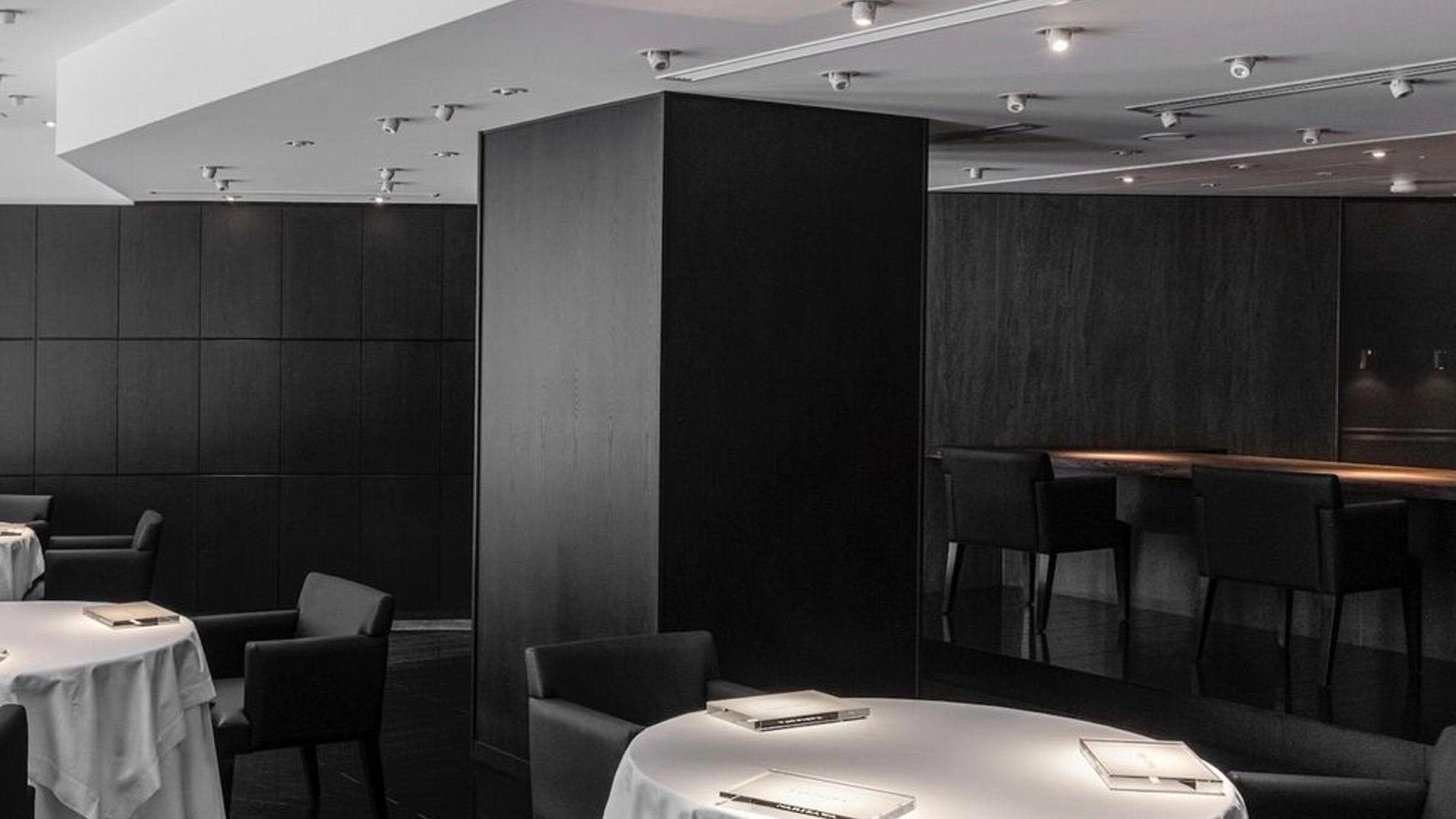
The physical character of restaurants in this part of Jingumae tends toward restraint. Properties are typically smaller than their counterparts in Ginza or Roppongi, with interiors that prioritise material quality over visual statement. In Japan's upper dining tier, the room itself often functions as a kind of editorial decision: the absence of ornament is the argument. Guests should expect that kind of environment at Higuchi, where the focus is concentrated on the counter or table experience rather than on surrounding theatre.
Dress code conventions at Tokyo restaurants of this type lean toward smart-casual at minimum, with formal dress neither required nor out of place. The dining culture here expects attentiveness rather than formality for its own sake. If the room is quiet, that is by design: the format in Tokyo's most serious small rooms is built around a quality of attention that would be undermined by ambient noise.
Japan Beyond Tokyo: Context for Serious Diners
Visitors who treat Higuchi as part of a broader Japan itinerary will find relevant comparison points across the country. The small-room, chef-driven model that defines venues like this one extends well beyond Tokyo into regional dining cultures that are less saturated and more accessible. 一本木 名川割烹 in Nanao on the Noto Peninsula represents the kind of ingredient-led cooking that regional Japan does with particular authority. 夕佳亭山乃 in Sapporo and 湖畔荘 in Takashima offer formats shaped by local produce cultures that Tokyo can approximate but not replicate. 奥羽山荘 in Nishikawa Machi extends that regional tradition into Yamagata Prefecture.
For visitors comparing Tokyo's upper tier with international reference points, the parallel is less with volume-driven fine dining markets and more with the tightly curated scenes in New York, where Atomix and Le Bernardin each represent the ceiling of their respective categories, or with the specialist model that Birdland in Sakai and Bistro Ange in Toyohashi practise at a regional level in Japan itself.
Planning Your Visit
Higuchi is located at 2-19-12 Jingumae, Shibuya, Tokyo 150-0001. Reservations are essential, and planning ahead is advisable.
City Peers
Comparable venues nearby, for context on price, style, and recognition.
| Venue | Cuisine | Price | Notes |
|---|---|---|---|
| HiguchiThis venue — the venue you are viewing | Modern Japanese Kappo Omakase | $$$$ | Not listed |
| Kyoaji (京味) | Traditional Kyoto-Style Kaiseki Omakase | $$$$ | Shinbashi |
| Akasaka Asada | Traditional Kaga Kaiseki (Ryotei) | $$$$ | Akasaka |
| Tokuyama | Traditional Fugu & Seasonal Japanese Kaiseki | $$$$ | Minato |
| Yugen Tei Nishiazabu honkan | Luxury Yakiniku (Japanese BBQ) | $$$$ | Minato |
| Robot Restaurant | Robot Cabaret Show | $$$$ | Shinjuku |
Recognition history
Dated appearances from independent guides and award organizations, with the underlying list record or original source where available.
Michelin 2 Stars
Michelin
Opinionated About Dining Top Restaurants in Japan Highly Recommended
Opinionated About Dining













At a Glance
- Quiet
- Elegant
- Intimate
- Sophisticated
- Date Night
- Special Occasion
- Business Dinner
- Chefs Counter
- Open Kitchen
- Sake Program
- Garden
Current opening hours
- Monday
- 6–9 PM
- Tuesday
- 6–9 PM
- Wednesday
- Closed
- Thursday
- 6–9 PM
- Friday
- 6–9 PM
- Saturday
- 6–9 PM
- Sunday
- Closed
Hours can change for holidays and private events. Last verified .
Serene zen-like atmosphere with wooden walls, garden elements, and calm, focused fine dining.