
Sushi Kinoshita belongs to Tokyo’s small-counter sushi tier where the meal is defined by sequence, restraint, and the tension between fish work and room discipline. Its 2025 Tabelog Sushi TOKYO 100 selection and 3.70 score place it within a crowded, demanding field rather than a tourist-facing sushi category. The appeal is the controlled chef’s-choice format: sushi and fish dishes, served in a compact Nishiazabu setting.
Pearl is the En Primeur Club membership app — saves, bookings, and concierge access live there. Same editors, same standards.
- Address
- 203 1 Chome-4-46 Nishiazabu, Minato City, Tokyo 106-0031, Japan
- Phone
- +81 3-6434-7353
- Website
- sushi-kinoshita.jp
 Saves & bookings on Pearl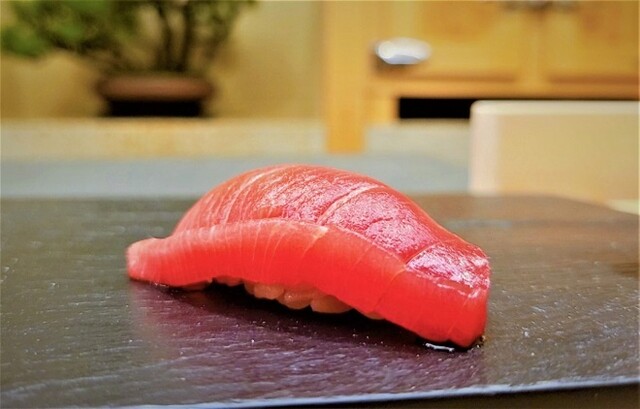
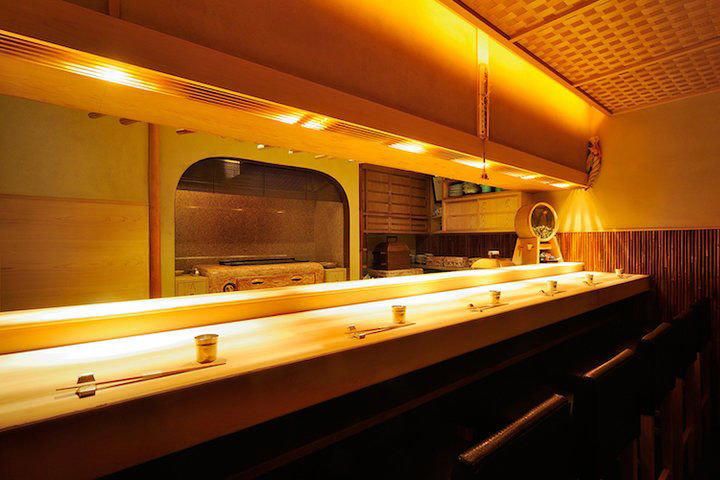
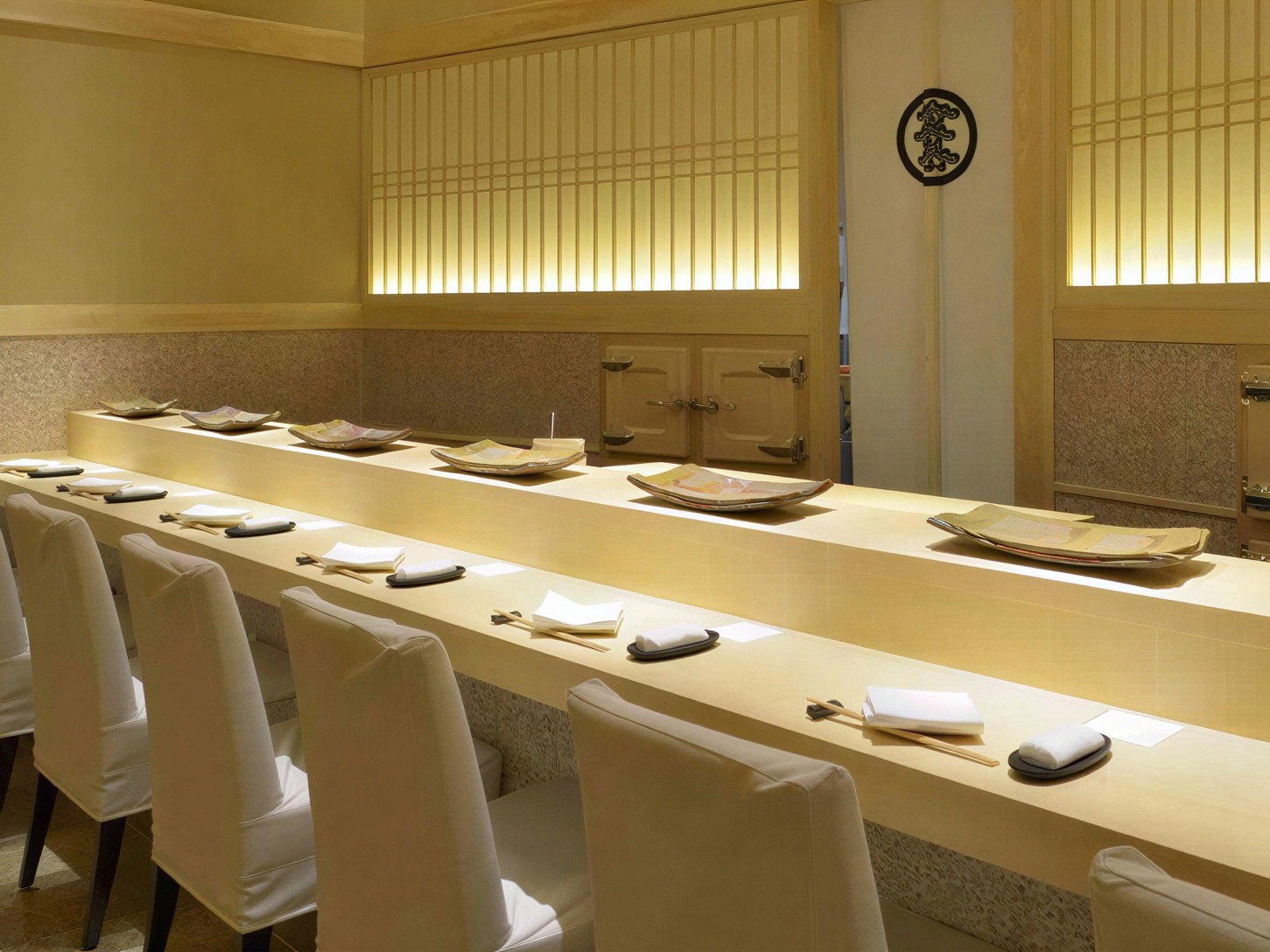
Serious sushi in Nishiazabu is quieter than the Ginza stereotype: no spectacle, just concentration. White wood, counter seating, and an upper-floor condominium setting make Sushi Kinoshita feel like Tokyo’s newer small-format sushi rooms, where performance is compressed into a few seats and guests meet the room halfway. In this part of Minato, sushi competes less on theatrical luxury than cadence: how fish dishes lead into nigiri, how sake or wine fits, and how far the room can strip back without turning severe.
Tokyo sushi has shifted over the last decade. The gap between legacy Ginza counters and casual neighbourhood sushi has narrowed, creating a middle-high bracket of compact, reservation-driven rooms treated as destination dining. Opened in 2018 and selected for Tabelog Sushi TOKYO 100 in 2025, Sushi Kinoshita belongs to this newer wave, using the chef’s-choice course as its operating system rather than a premium alternative to à la carte.
A chef's-choice counter shaped by fish, not theatre
The core idea is structure, not a named specialty or single plate. The menu is solely a chef’s-choice course of sushi and fish dishes, placing the restaurant in Tokyo’s omakase-led sushi tier rather than broader Japanese dining. The meal shifts from ordering strategy to trust in progression: guests do not assemble dinner; the room sets the order, and the evening rests on proportion, tempo, and seafood handled across cooked, prepared, and nigiri-led moments.
Nishiazabu is the right lens. The neighbourhood has long absorbed serious dining without Ginza’s formalism or central Roppongi’s nightlife gloss. Its sushi rooms reward diners who know restraint is not minimalism for its own sake. A small, fish-focused counter lives or dies by editing: too much variety reads as display; too little feels narrow. The version shows sourcing and technique while keeping a clear line.
The drinks point the same way. Sake, shochu, and wine are listed rather than one orthodox pairing lane, reflecting a broader Tokyo shift: a sushi counter no longer needs to present itself as a closed Edo-style ritual to be serious. Wine is now common at this level, but works only when acidity, temperature, and pacing serve the meal, not as an imported luxury cue.
Where it fits in Tokyo's small-format dining map
Tabelog recognition matters in Japan because the platform reflects a domestic dining audience exacting about sushi. A 2025 Tabelog Sushi TOKYO 100 selection puts Sushi Kinoshita in an unusually competitive field. Its 3.70 score should be read accordingly: in Tokyo sushi, where diners compare rice temperature, knife work, seasoning, counter manners, and value against dozens of specialist rooms, that number is meaningful, not casual.
The comparison extends across categories. Compact Tokyo counters now shape yakitori and yakiniku too, where chef sequence, smoke control, and seat count matter as much as ingredients. Yakiniku Ten is a different genre but part of the same premium small-format conversation. Yakitori Shinohara and Yakitori Hirako show grilled skewers following sushi into controlled, specialist formats, while Tsugumi and Kasumitei Matsubara show serious dining between formal luxury and casual neighbourhood eating. These rooms are not interchangeable; together they show a culture prizing narrow focus, limited capacity, and a fixed point of view over encyclopedic menus.
Within that map, the restaurant suits diners who want sushi without a long biographical narrative attached to the counter. The public story is format, not personality: fish, sushi, chef’s choice, compact room, and rules that ask guests to stay present. Tokyo’s higher-end counters work through an unspoken contract: phone calls, strong fragrance, late arrivals, and mid-meal absences disrupt etiquette and the rhythm of service built around timing.
The practical reading: who should choose this counter
This is not a flexible sushi stop between museum tickets and a late bar. It is a fixed-format dinner for people who want the counter to decide the arc. Diners who cannot eat seafood are unsuited, and those with dietary restrictions should treat the meal as a prepared sequence, not an improvisational order. The guest is comfortable with a seafood-led course, a compact room, and a style where attention is part of the price.
The small scale changes the emotional register. In larger luxury restaurants, one guest can disappear into service; at an eight-seat counter, every movement has weight. That intimacy is part of the appeal, but removes the buffer some travellers expect from premium dining. The upside is focus: preparation, serving, and response sit close together. The tradeoff is less room for spontaneity.
For broader context, compare this style with the city’s wider dining range in Our full Tokyo restaurants guide, where small counters sit beside curry shops, cafés, grilled meat rooms, and casual specialist addresses. Tokyo’s breadth appears in listings such as . 鮪と炭火焼き うお炭 秋葉原店, 12/10 Shinjuku ten, 124. KAGURAZAKA (Yakitori), 2D Cafe, and 3 Chome no Curry Ya San. Travellers extending the same editorial map beyond restaurants can cross-check Our full Tokyo hotels guide, Our full Tokyo bars guide, Our full Tokyo wineries guide, and Our full Tokyo experiences guide.
Japan’s regional dining field puts Tokyo’s precision in perspective. The same country holds sukiyaki in Kamakura, café culture in Osaka, curry in Sapporo, and contemporary Japanese cooking in Kyoto without asking them to speak the same language. For that wider view, see -Grilled beef Sukiyaki- KAMAKURA TANUKIAN 鎌倉 たぬき庵 in Kamakura.cafe in Osaka.know in Kumamoto, (Shoku) Vietnam in Kawasaki, [Curry Senmon Ten] Maruyama Kyoju. in Sapporo, and [ki:] in Kyoto. Outside Japan, Jōdo Saké Bar in Los Angeles and Onigiri Time in Pasadena show Japanese drinking and everyday formats abroad, but Tokyo counter culture is harder to export because timing, silence, and proximity matter so much.
The editorial read is clear: the restaurant is not trying to be all things to every sushi diner. Its value is disciplined compression: a seafood-led chef’s-choice course, a small counter, and recognition inside one of Tokyo’s fiercest sushi categories. For travellers who understand modern Tokyo sushi as conduct and pacing as much as fish quality, it belongs on the serious shortlist.
Cuisine and Credentials
Comparable venues to anchor price and recognition.
| Venue | Cuisine | Price | Notes |
|---|---|---|---|
| Sushi KinoshitaThis venue — the venue you are viewing | Seasonal Japanese & Edomae Sushi Omakase | $$$$ | Not listed |
| Ukai-tei Roppongi | Luxury Teppanyaki | $$$$ | Minato |
| Sushi Tanji | Traditional Edo-style Omakase Sushi | $$$$ | Minato |
| Sushi Kenshin | Edomae Omakase Sushi | $$$$ | Shibuya |
| Ningyocho Imahan Toukyou gaaden terasu kioichou ten | Traditional Wagyu Sukiyaki & Shabu-shabu | $$$$ | Chiyoda |
| 鮨つぼみ | Edomae Sushi Omakase | $$$$ | Meguro |
Recognition history
Dated appearances from independent guides and award organizations, with the underlying list record or original source where available.
Tabelog 100 #70 · No. 70
Tabelog · Tabelog 100 - Sushi - TOKYO - 2025









At a Glance
- Intimate
- Elegant
- Sophisticated
- Cozy
- Special Occasion
- Business Dinner
- Date Night
- Solo
- Chefs Counter
- Private Dining
- Standalone
- Design Destination
- Sake Program
- Extensive Wine List
Current opening hours
- Monday
- 6–11 PM
- Tuesday
- 6–11 PM
- Wednesday
- 6–11 PM
- Thursday
- 6–11 PM
- Friday
- 6–11 PM
- Saturday
- 6–11 PM
- Sunday
- Closed
Hours can change for holidays and private events. Last verified .
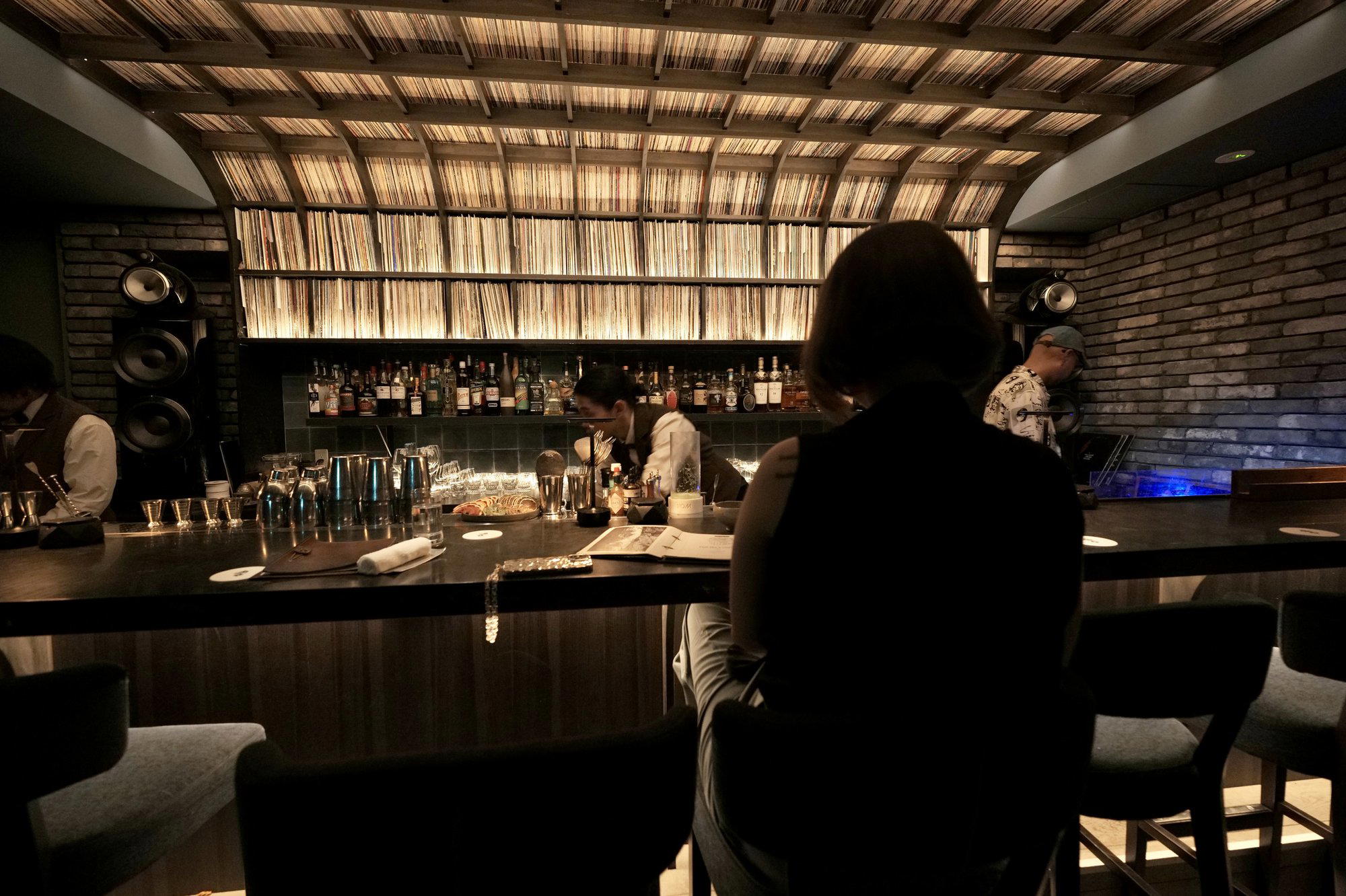
A quiet, hidden apartment-style counter space with an elegant yet cozy feel, where guests watch the chef work at close range; the atmosphere is sophisticated and relaxed, geared toward adults, business dinners, and special occasions rather than casual drop-ins.