
A Michelin Plate-recognised Japanese counter in Shinjuku's Arakicho neighbourhood, Arakicho Tatsuya sits at the intersection of producer-led sourcing and zero-waste kaiseki tradition. The chef builds direct relationships with farmers, potters, sake breweries, and wineries, then funnels that context into every course. Meals close with a rice soup made from takiawase broth, a final act of economy that also happens to be the one detail most guests remember.
Pearl is the En Primeur Club membership app — saves, bookings, and concierge access live there. Same editors, same standards.
- Address
- Japan, 〒160-0007 Tokyo, Shinjuku City, Arakicho, タウンコート七海 「タウンコート七海/1F」
- Phone
- +81 3-6709-8087
- Website
- arakicho.com
- Directions
- Get directions
 Saves & bookings on Pearl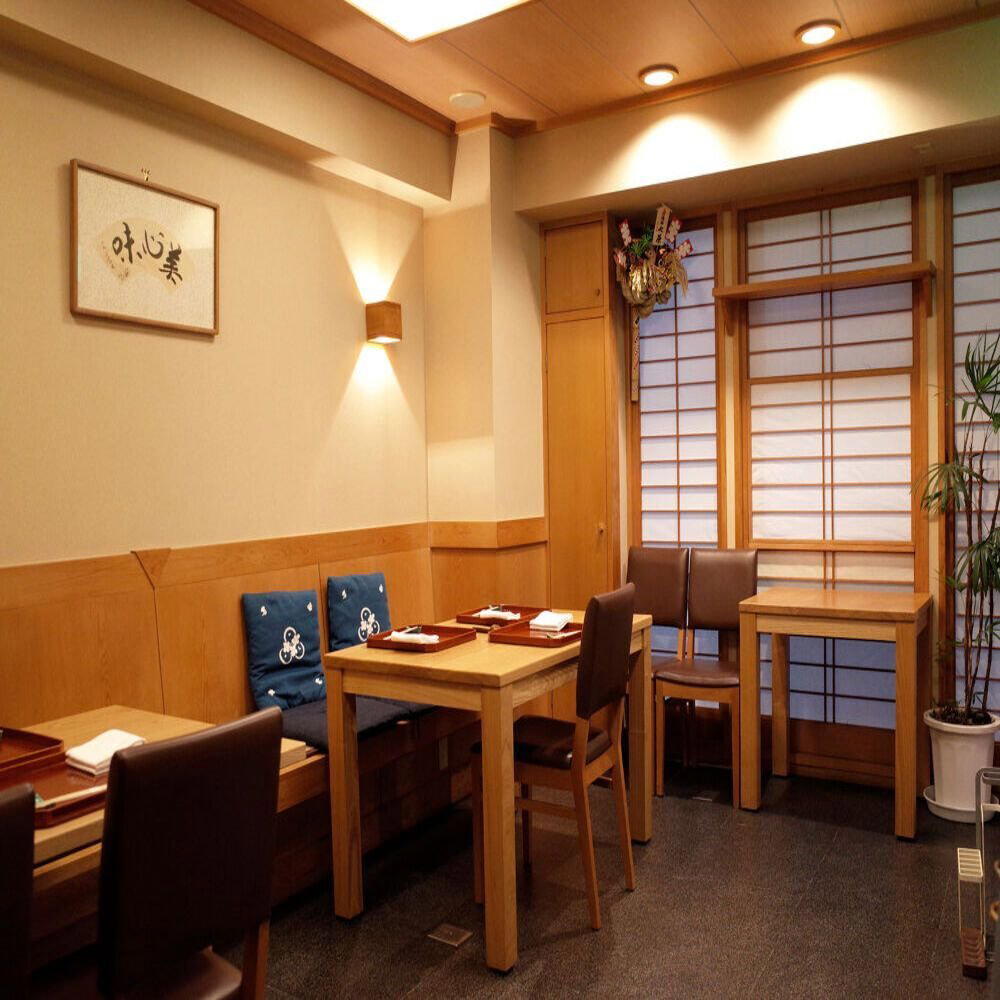
Getting to Arakicho: A Neighbourhood That Rewards the Committed Visitor
Tokyo's dining geography rewards those who move past the well-trodden Ginza and Roppongi circuits. Arakicho, tucked inside Shinjuku City, sits at a different register entirely, a residential pocket with few obvious signposts to its restaurant scene. That quietness is structural, not accidental. The area's counters and small-format rooms tend to operate without prominent street presence or English-language booking infrastructure, which makes them easier to miss and harder to secure without prior knowledge.
Arakicho Tatsuya occupies a ground-floor unit at Towncourt Nanami, a building whose low-key exterior gives no particular indication of what's inside. Arriving without a reservation and expecting to be seated is not a realistic plan here. The restaurant's, a small but concentrated sample, points to the kind of repeat, referred clientele that many small Tokyo counters sustain. The practical implication: plan the booking before you plan the flight.
Where This Sits in Tokyo's ¥¥¥ Japanese Tier
Tokyo's serious Japanese dining scene has fragmented into fairly legible price bands. At the leading end, three-Michelin-star kaiseki rooms such as Kagurazaka Ishikawa or the intensely theatrical Japanese-contemporary of Myojaku ask for substantial per-head commitments and operate with corresponding levels of formality. A step along, the ¥¥¥ tier accommodates restaurants that deliver serious, often producer-focused cooking without requiring the ceremonial occasion that a full four-symbol spend implies.
Arakicho Tatsuya holds a Michelin Plate, awarded in both 2024 and 2025, which places it in the Michelin-recognised category without the starred tier. In practical terms, that means the kitchen is cooking to a level the Guide considers worth the reader's attention, but the price and format remain accessible relative to, say, the tasting-menu commitments at Azabu Kadowaki or the prix-fixe structures at the two-starred innovative Japanese counters that dominate mid-Shinjuku conversation. The Michelin Plate also tends to correlate with rooms where the chef has significant creative autonomy, the Plate is not handed to chains or formula kitchens.
Comparison venues in the innovative Japanese space like Den (¥¥¥, two Michelin stars) give a useful calibration point: Arakicho Tatsuya operates at a similar price band but with a different competitive identity, rooting itself in sourcing relationships rather than conceptual playfulness. For readers planning a multi-night Tokyo itinerary, it occupies a different slot in the week than Ginza Fukuju or Jingumae Higuchi, and can sit comfortably alongside either without repeating the same experience.
The Sourcing Logic, and Why It Shapes the Menu
Producer-connected cooking has become a common talking point across Tokyo's mid-to-upper restaurant tier, but the depth of that connection varies considerably. At Arakicho Tatsuya, the approach extends past food suppliers to include the ceramicists who make the service ware, as well as sake breweries and natural or artisan wineries. The practical consequence is a dining room where what you drink and what you eat from are both subject to the same sourcing logic as what you eat, an integrated position that relatively few counters in this price range sustain across all three categories.
That integration matters most in winter and early spring, when Japanese ingredient seasons are at their most defined and the relationship between a chef and a specific producer becomes most visible on the plate. Visiting between November and March gives the sourcing philosophy to work with; the cold-season ingredients that drive traditional kaiseki, root vegetables, cultured broths, slowly composed one-pot dishes, sit naturally within a framework built on zero waste and full-use cooking.
The End-of-Meal Ritual: Takiawase Broth Rice
In Japanese cuisine, the close of a formal meal is where a kitchen's philosophy tends to surface most clearly. The shime, the final savoury course before sweets, often signals what the chef considers most important. At the restaurant, meals end with a risotto-like rice soup made with the residual broth from takiawase, the simmered dish that typically anchors the middle of a kaiseki progression. Using that broth as the base for the closing course is a direct expression of the no-waste commitment: the flavour compounds that have built up through the simmering of seasonal vegetables and proteins are retained rather than discarded, and arrive at the table concentrated and warm.
This closing course is not described as a creative flourish in the kitchen's own framing. It is described as a commitment, something the chef delivers on rather than gestures toward. That distinction in language is worth noting for anyone calibrating expectations. This is not avant-garde food. It is disciplined, producer-rooted Japanese cooking where economy of ingredient and warmth of execution are the primary registers.
Planning the Visit
Arakicho sits within Shinjuku City, making it reachable from central Tokyo without lengthy transit. The closest major interchange is Yotsuya Station (JR Chuo Line, Tokyo Metro Marunouchi and Nanboku lines), roughly a short walk from the Arakicho neighbourhood. For visitors staying in central Shinjuku or along the Marunouchi line, the location is genuinely convenient rather than a destination-in-itself trip, which makes it an easier booking to work into a multi-day itinerary than the out-of-the-way gems that some Tokyo editorial celebrates.
Phone and website data are not available in current records, so reservations require either a direct approach through the restaurant's listing channel or assistance from a hotel concierge, the latter being one reliable route for visitors whose Japanese is limited. The small review count (33 at the time of publication) suggests the restaurant does not actively pursue broad online visibility, which reinforces the concierge or local-contact booking path.
The ¥¥¥ price range places the meal below the major set-menu commitments of Tokyo's starred tier, but this is not a casual drop-in counter. Given the sourcing depth and the format suggested by the no-waste philosophy, expect a structured, multi-course experience rather than an à la carte selection. Dress neatly; the restaurant's register is calm and considered rather than convivial and loud.
For broader Tokyo planning, our full Tokyo restaurants guide maps the city's dining tiers across all price bands. If your itinerary extends beyond Tokyo, similar producer-rooted Japanese cooking can be found at Gion Sasaki in Kyoto and Isshisoden Nakamura, also in Kyoto. For Osaka, Kashiwaya Osaka Senriyama and HAJIME sit at different price and ambition levels but share the seasonal rigour. Elsewhere in Japan, akordu in Nara and Goh in Fukuoka offer regional variations on the same culinary seriousness. 1000 in Yokohama and 6 in Okinawa extend the geography further. Supplement your stay with our Tokyo hotels guide, our Tokyo bars guide, our Tokyo wineries guide, and our Tokyo experiences guide.
Comparable Options
Comparable venues nearby, for context on price, style, and recognition.
| Venue | Cuisine | Price | Notes |
|---|---|---|---|
| Arakicho TatsuyaThis venue — the venue you are viewing | Seasonal Kaiseki | $$$$ | Not listed |
| Miyawaki | Kyoto-style Kaiseki | $$$$ | Minato |
| Uisane | Modern Ehime Kaiseki | $$$$ | Shinjuku |
| Hijirizaka Wakei | Traditional Japanese Omakase | $$$$ | Minato |
| Makitori Shinkobe | Wood-Fired Yakitori Omakase | $$$$ | Minato |
| Ishigaki Yoshida | Michelin-Starred Teppanyaki | $$$$ | Minato |
Recognition history
Dated appearances from independent guides and award organizations, with the underlying list record or original source where available.
Michelin Plate
Michelin
Michelin Plate
Michelin
Michelin Plate
Michelin













At a Glance
- Intimate
- Cozy
- Elegant
- Date Night
- Special Occasion
- Chefs Counter
- Sake Program
- Local Sourcing
Current opening hours
- Monday
- 5:30 PM–12 AM
- Tuesday
- 5:30 PM–12 AM
- Wednesday
- Closed
- Thursday
- 5:30 PM–12 AM
- Friday
- 5:30 PM–12 AM
- Saturday
- 5:30 PM–12 AM
- Sunday
- 5:30–10 PM
Hours can change for holidays and private events. Last verified .
Warm and welcoming with antique Japanese plates in an intimate counter-only setting.