


Michelin Plate · Tabelog 100 #3
Our verdict
A counter-style kaiseki restaurant in Minato's Mita district, Miyawaki draws its culinary foundations from Kyoto tradition, presenting seasonal ingredients, unagi, mollusc, lily bulbs, mushrooms, through grilled, simmered, and fried preparations served on Kyoyaki ceramics. Michelin Plate recognition in both 2024 and 2025 positions it at the disciplined, ingredient-focused end of Tokyo's Japanese dining spectrum. First-time visitors receive omakase only; return guests gain access to the full menu.

Pearl is the En Primeur Club membership app, where members save venues, book tables and use the concierge.
The menu
What to order
- Grilled fish
- Deep-fried tofu with vegetables
- Tajima Kuro Wagyu
- Premium eel
Kyoto Culinary Tradition in a Tokyo Counter Setting
The transmission of Kyoto cuisine to Tokyo is not a direct migration. Kyoto-style cooking, built on dashi clarity, seasonal restraint, and a reverence for presentation that dates to the imperial court era, tends to lose something in translation when it reaches the capital's faster, more competitive dining market. Counter restaurants that maintain genuine fidelity to those Kyoto roots are a specific subset of Tokyo's Japanese dining scene, distinct from kaiseki in the grand ryokan mold and equally distant from the modern omakase format that dominates Ginza and Marunouchi.
That specificity matters in context. Tokyo's ¥¥¥ tier for Japanese cuisine is broad, ranging from competent neighbourhood kappo to serious counter restaurants with waiting lists measured in weeks. Michelin's Plate designation, awarded to Miyawaki in both 2024 and 2025, marks the lower boundary of Michelin's quality acknowledgment: food worth a dedicated trip, in the guide's framing, without a star's additional complexity signals. At this tier, the differentiator is usually discipline rather than ambition, and Miyawaki's record of consistent recognition across two consecutive years suggests exactly that.
What Kyoto Culinary Roots Actually Mean on the Plate
Kyoto cuisine, or Kyoryori, developed over centuries under constraints that shaped its aesthetics: a landlocked city dependent on preserved and freshwater ingredients, a court culture that coded refinement through simplicity rather than abundance, and a Buddhist culinary influence that made vegetable and tofu preparations central rather than supplementary. When Miyawaki deploys deep-fried tofu mixed with thinly sliced vegetables as a standard preparation, it is drawing on that long record rather than making a contemporary design choice. The dish preserves accumulated technique.
The same applies to the fish preparations grilled with soy sauce, sake, and citrus, and to dishes using Saikyoni, the Kyoto-style white miso marinade that pre-dates the global fermentation revival by several centuries. These are not interpretations. They are applications of a codified approach to ingredient treatment that requires precise heat management and an understanding of how specific marinades interact with different proteins over time. Served on Kyoyaki ceramics, the earthenware style produced in the Kyoto district of Yamashina, the presentation is consistent with the tradition the cooking is referencing.
Seasonal ingredients anchor the menu structurally. Mollusc, unagi, mushrooms, and lily bulbs rotate in and out according to availability rather than menu planning cycles. In this respect Miyawaki follows the same seasonal logic as Tokyo's higher-starred Japanese restaurants, properties like Azabu Kadowaki, Kagurazaka Ishikawa, and Myojaku, but at a price point that makes it more accessible for regular visits. For context on how seasonal menus shift across the year, autumn brings the most pronounced ingredient changes: matsutake mushrooms, Pacific saury, and lily bulbs at peak availability.
The First-Visit Rule and What It Signals
One structural feature of Miyawaki's format has direct consequences for how you plan a visit. First-time customers receive omakase set meals only. From the second visit onward, the full menu is available for individual ordering. This is not uncommon at counter restaurants where the chef controls the experience tightly and needs to calibrate what new customers receive before trusting them with choices that could disrupt the kitchen's rhythm. It also functions as a quality filter: customers who return once have already demonstrated a baseline of seriousness.
The practical implication is that first-time visitors should treat the omakase format as the full experience rather than a limitation. The set meal structure at this tier of Japanese dining typically reflects the chef's current reading of what the season's leading ingredients support, which is often more coherent than a composed individual order. Counter restaurants in the Kyoto tradition, from Isshisoden Nakamura in Kyoto to Gion Sasaki, operate on similar principles of guided progression through seasonal ingredients.
Mita and Its Position in Tokyo's Dining Geography
Mita sits in Minato City, the same ward that contains Azabu-Juban, Hiroo, and Roppongi, Tokyo's densest concentration of international residents and the embassies district. The neighbourhood itself is quieter and more residential than those higher-profile addresses, and counter restaurants here draw from a local clientele of regulars rather than the international dining tourist traffic that flows through Ginza or Shinjuku. That audience tends to support a different kind of restaurant: one where consistency and seasonal fidelity matter more than spectacle or novelty.
Tokyo's Japanese dining scene at the ¥¥¥ level has several pockets of this character across different wards. Ginza Fukuju and Jingumae Higuchi represent adjacent approaches in different parts of the city. For visitors building a broader picture of Japanese regional cuisine across multiple cities, Kyoto-influenced counter cooking in Tokyo provides a useful reference point before exploring source institutions: Kashiwaya Osaka Senriyama and HAJIME in Osaka, or akordu in Nara for a different geographic register.
For those planning a wider Tokyo visit, our full Tokyo restaurants guide covers the full range of cuisines and price tiers. We also maintain separate guides for hotels, bars, experiences, and wineries across the city. For Japanese counter dining beyond Tokyo, Goh in Fukuoka and 1000 in Yokohama are worth considering alongside 6 in Okinawa for a different regional register.
Know Before You Go
- Address: 1 Chome-3-28 Mita, Minato City, Tokyo 108-0073
- Cuisine: Japanese (Kyoto tradition, counter-style)
- Price range: ¥¥¥
- Awards: Michelin Plate 2024 and 2025
- First visit format: Omakase set meals only; full menu from second visit onward
- Seasonal note: Ingredients including mollusc, unagi, mushrooms, and lily bulbs rotate with the season, autumn brings the most pronounced menu shifts
- Booking: Contact details not publicly listed; confirm reservation method via current local sources before travel
Frequently asked questions
Is Miyawaki suitable for children?
At ¥¥¥ pricing with a counter format and an omakase-only structure for first-time visitors, Miyawaki is built around focused, sequential dining that suits adults and older teenagers comfortable with that pace. The seasonal ingredient roster, mollusc, unagi, lily bulbs, and the restrained atmosphere of a Michelin Plate counter are not a natural fit for young children.
What should I expect atmosphere-wise at Miyawaki?
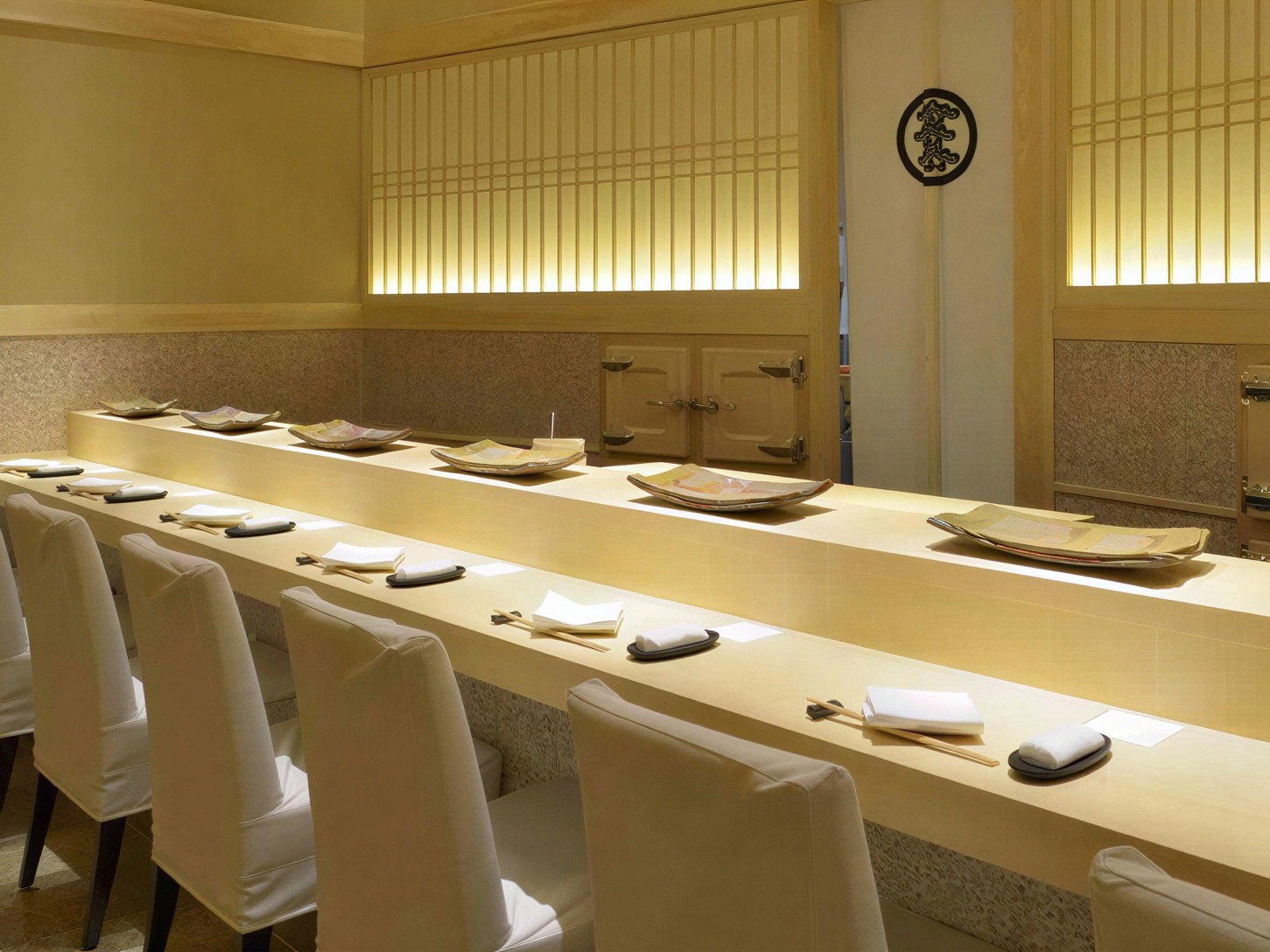
Counter seating and Kyoyaki ceramic vessels set the tone: composed, quiet, and attentive to craft rather than theatrical. The Michelin Plate recognition for 2024 and 2025 places Miyawaki in a tier of restaurants where the room follows the food, not the other way around. Conversation is easy but the format encourages observation.
What awards or recognition does Miyawaki have?
Miyawaki has received recognition including: This counter-style Japanese restaurant dips deeply into Kyoto culinary traditions. Kenta Miyawaki’s experience manifests in fish dishes grilled in soy sauce, sake and citrus slices, or with Saikyoni, served on Kyoyaki vessels. Deep-fried to….
What do people recommend at Miyawaki?
First-time visitors receive omakase only, so individual dish selection is not on the table until a return visit. The kitchen's signatures as documented include fish grilled in soy sauce, sake, and citrus, preparations using Saikyo miso, and deep-fried tofu with thinly sliced vegetables, dishes rooted in Kyoto technique and plated on Kyoyaki ware. The broader menu, available from a second visit onward, draws on seasonal ingredients including unagi, mushrooms, and lily bulbs.
How much does it cost to eat at Miyawaki?
Pricing at Miyawaki is listed as ¥¥¥.
Where do I go for Miyawaki?
Miyawaki is located at 1 Chome-3-28 Mita, Minato City, Tokyo 108-0073, Japan, Tokyo.
Nearby-ish Comparables
| Venue | Cuisine | Price | Awards | Notes |
|---|---|---|---|---|
| MiyawakiThis venue (the venue you are viewing) | Kyoto-style Kaiseki | $150–200 | Michelin Plate · Tabelog 100 #3 | Not listed |
| Harutaka | Edo-Style Omakase Sushi | $200–300 | 3 Michelin Stars · World's 50 Best #76 | Sushi |
| RyuGin | Modern Kaiseki | $500+ | 3 Michelin Stars · World's 50 Best #41 | Kaiseki, Japanese |
| L'Effervescence | Modern French with Japanese Influences | $200–300 | 3 Michelin Stars · World's 50 Best #69 | French |
| HOMMAGE | Modern French with Japanese Influences | $150–200 | 2 Michelin Stars · World's 50 Best #78 | Innovtive French, French |
| MAZ | Innovative Peruvian-Japanese Fusion | $150–200 | 2 Michelin Stars · World's 50 Best #28 | Innovative |
Recognition history
Dated appearances from independent guides and award organizations, with the underlying list record or original source where available.
Michelin Plate
Michelin
Opinionated About Dining Top Restaurants in Japan Recommended
Opinionated About Dining
Tabelog 100 #3 · No. 3
Tabelog · Tabelog 100 - Japanese cuisine - TOKYO - 2025
Full recognition history (5 entries)
Michelin Plate
Michelin
Michelin Plate
Michelin
Continue exploring
More in Tokyo
Restaurants in Tokyo
All restaurants in Tokyo →


Bars in Tokyo
All bars in Tokyo →



Details
- Elegant
- Sophisticated
- Intimate
- Cozy
- Date Night
- Solo
- Special Occasion
- Chefs Counter
- Open Kitchen
- Sake Program
- Omakase
- Counter Dining
- Sake Program
Current opening hours
- Monday
- 11:30 AM–2 PM, 5:30–10:30 PM
- Tuesday
- 11:30 AM–2 PM, 5:30–11:30 PM
- Wednesday
- 11:30 AM–2 PM, 5:30–11:30 PM
- Thursday
- 11:30 AM–2 PM, 5:30–11:30 PM
- Friday
- 11:30 AM–2 PM, 5:30–11:30 PM
- Saturday
- 5:30–11:30 PM
- Sunday
- Closed
Hours can change for holidays and private events. Hours as of .
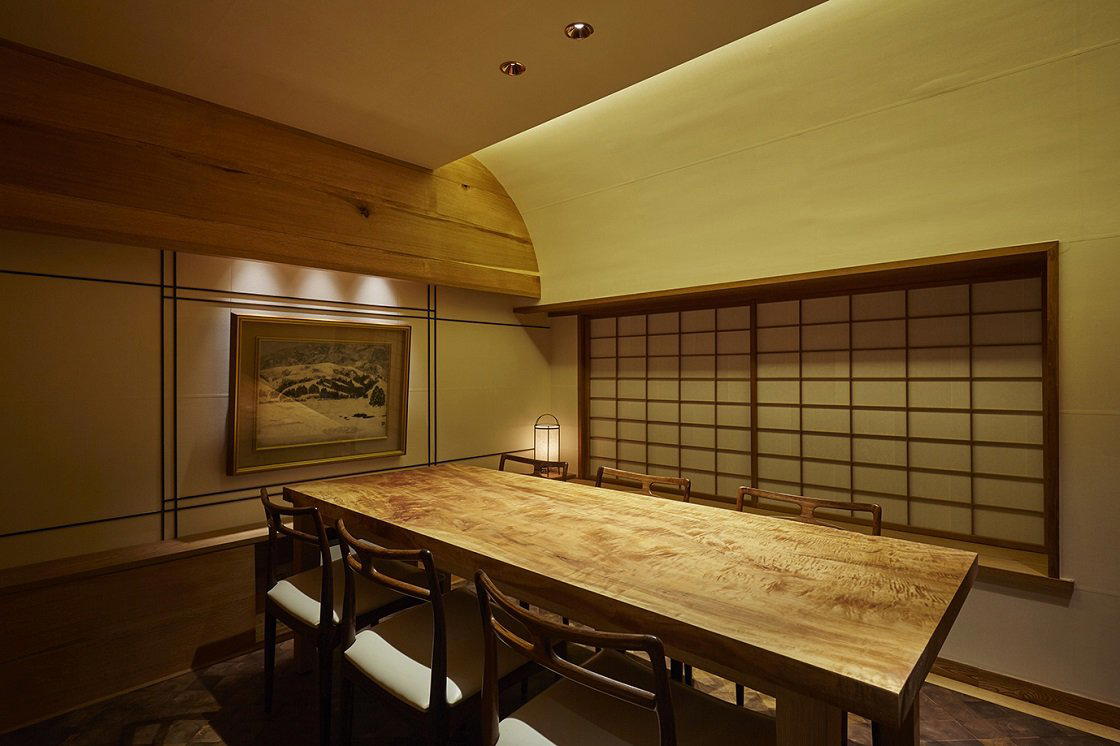
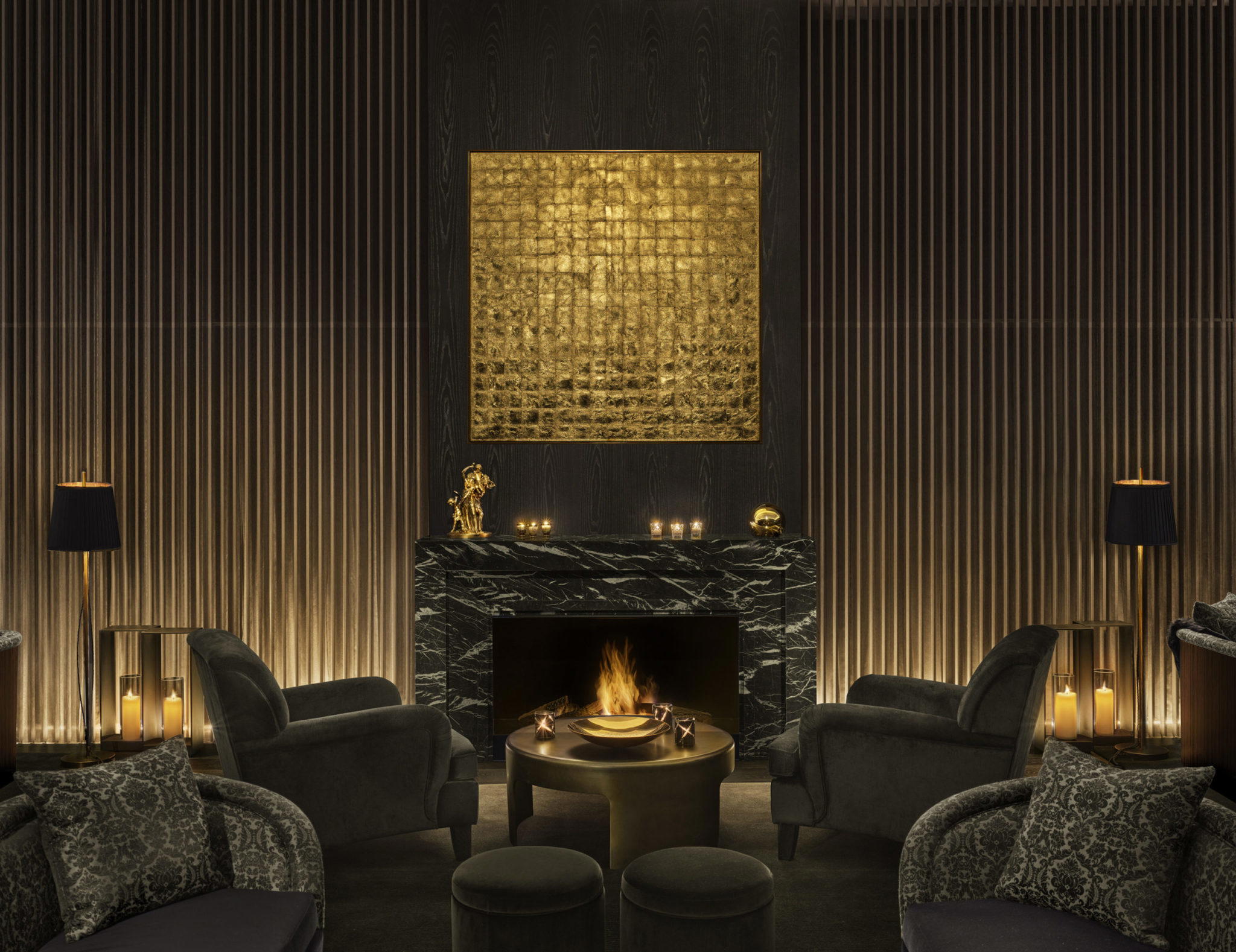
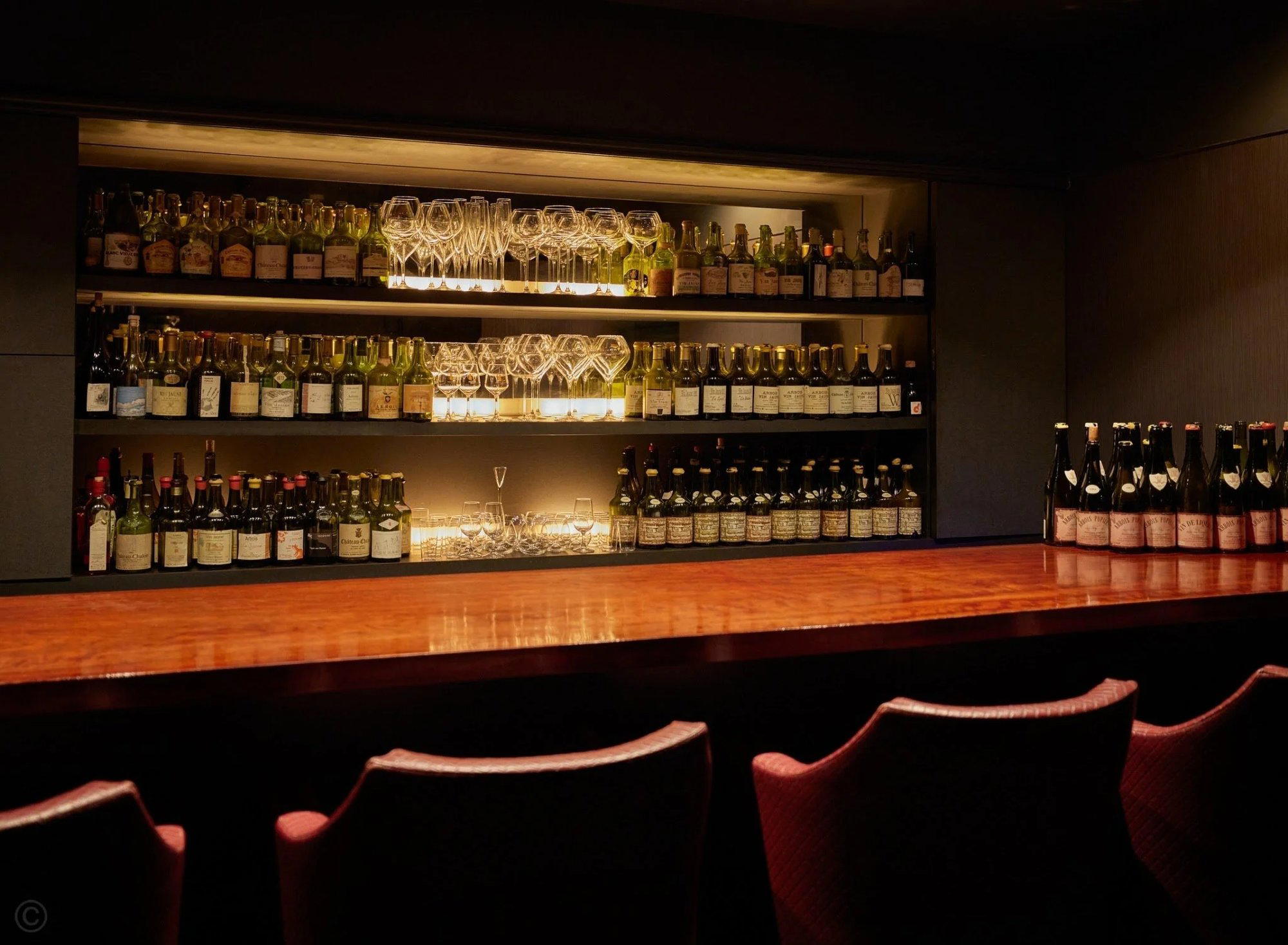
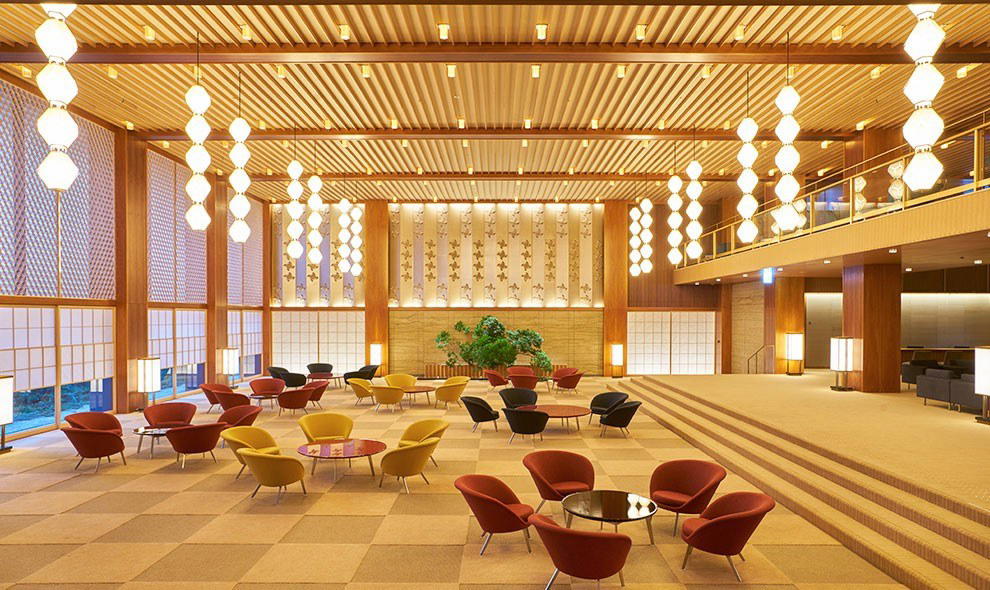
Calm, sophisticated Japanese-style interior with counter seating overlooking an open kitchen, spacious and relaxing atmosphere.