
A Michelin Plate recipient in Kagurazaka for both 2024 and 2025, Uisane brings kaiseki-adjacent Japanese cooking shaped by a Kikunoi apprenticeship and a deliberate focus on Ehime prefecture ingredients. The cooking mixes classical technique with inventive combinations, sea urchin wrapped in sea bream, glass shrimp spring rolls, at a mid-premium price point that sits below Tokyo's starred kaiseki tier without sacrificing ambition.
Pearl is the En Primeur Club membership app — saves, bookings, and concierge access live there. Same editors, same standards.
- Address
- Japan, 〒162-0825 Tokyo, Shinjuku City, Kagurazaka, 4 Chome−2 世喜ビル E号室
- Phone
- +81 3-6280-8308
- Directions
- Get directions
 Saves & bookings on Pearl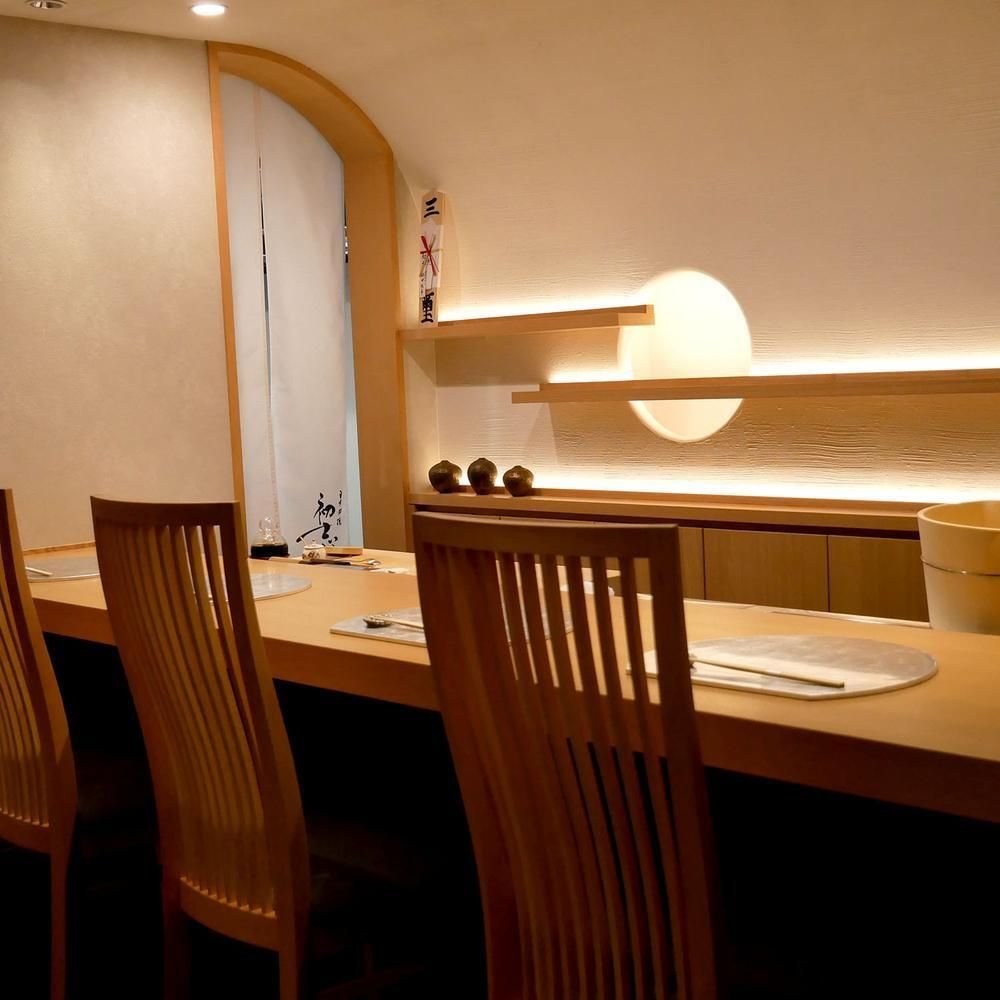
Kagurazaka's Quiet Corner of Creative Kaiseki
Kagurazaka has long been the neighbourhood that Tokyo food obsessives mention when they want to sound like they have moved past Ginza. The area's cobbled alleys and former geisha district pedigree attract a particular kind of small restaurant: heritage-aware, technically grounded, and resistant to the spectacle of the city's higher-wattage dining corridors. Uisane is a restaurant in Tokyo's Kagurazaka serving Modern Ehime Kaiseki at about ¥200 per person. It carries Michelin Plate recognition for 2024 and 2025. In Tokyo's kaiseki adjacency tier, restaurants with formal Japanese technique and clear creative intent, priced below the ¥¥¥¥ bracket occupied by places like Kagurazaka Ishikawa or Azabu Kadowaki, that double Plate recognition carries weight.
The Cooking: Ehime Ingredients, Kikunoi Discipline
What distinguishes Uisane from other small Japanese restaurants in the same neighbourhood tier is the sourcing axis. Chef Kohei Ikeda, who trained under the head of Kikunoi, one of Japan's most respected kaiseki houses, with three Michelin stars in Kyoto, orients the menu deliberately around ingredients from Ehime prefecture on Shikoku island. Ehime is known for its citrus, its seafood from Uwajima Bay, and its agricultural products that rarely circulate widely in metropolitan restaurant supply chains. That regional focus gives the cooking a specificity that most Tokyo Japanese restaurants, drawing from a more generalised luxury ingredient pool, do not attempt.
The Kikunoi training provides the structural skeleton. Kikunoi's approach sits in the classical Kyoto kaiseki tradition: seasonal sensitivity, compositional restraint, a respect for each ingredient's intrinsic character. Ikeda applies that framework loosely enough to accommodate invention. The two confirmed signature combinations, sea urchin wrapped in sea bream, and glass shrimp spring rolls, are instructive because they suggest a chef who treats classical forms as starting points rather than constraints. The spring roll format is not a kaiseki vehicle; using it for glass shrimp is a deliberate departure, the kind of tonal shift that distinguishes creative Japanese cooking from its more reverential counterpart. For a similar interplay of tradition and invention in different Japanese cities, Gion Sasaki in Kyoto and Kashiwaya Osaka Senriyama offer useful comparative reference points within the classical tradition, while HAJIME in Osaka represents the further end of the creative departure spectrum.
What the Drink List Signals About This Style of Restaurant
Small Japanese restaurants in the ¥¥¥ bracket, particularly those with kaiseki lineage, tend to approach drinks one of two ways. The first is a tight, curated sake list aligned to regional sourcing (in this case, Ehime would be the natural home, with producers such as Seigetsu and Iyotsuru representing the prefecture's brewing tradition). The second is a hybrid list that adds a short selection of European wine, typically Burgundy-oriented, to serve the international and wine-fluent domestic clientele that patronises creative kaiseki. Given the Kikunoi training background and the Kagurazaka location, the second approach would be consistent with peer restaurants at this level.
How Uisane Compares Within the Kagurazaka and Tokyo Japanese Tier
The ¥¥¥ price bracket in Tokyo's Japanese cuisine category covers a wide quality spread. At the upper end of that bracket, Michelin Plate recognition plus classical kaiseki lineage puts Uisane in a relatively small peer group: restaurants with verifiable technique credentials and inspector recognition, priced accessibly compared to the starred tier but not operating as casual. Myojaku and Jingumae Higuchi sit within the same broader conversation. For those whose Tokyo dining extends to the sushi or Ginza tracks, Ginza Fukuju represents the more formal end of what the same price tier can accommodate. The comparison with kaiseki restaurants in other Japanese cities is also useful: akordu in Nara, Goh in Fukuoka, and Isshisoden Nakamura in Kyoto each anchor their cooking to regional identity in ways that parallel Uisane's Ehime orientation. Further afield, 1000 in Yokohama and 6 in Okinawa illustrate how this regionalist approach in Japanese fine dining extends well beyond the capital.
RyuGin, operating at ¥¥¥¥ in Tokyo's kaiseki-Japanese tier, represents the price ceiling above Uisane. The gap between the two reflects not just ingredient cost but also scale, service ratio, and the prestige premium that starred restaurants absorb. Uisane's Michelin Plate status sits one tier below that ceiling, which in practical terms means a meaningful cost difference for comparable technique depth, the characteristic that makes this category interesting to experienced diners who have already worked through the starred tier.
Know Before You Go8 from 65 reviewsNearest Area Kagurazaka, Shinjuku City Hours / Booking Reservation essential
At a Glance
Comparable venues nearby, for context on price, style, and recognition.
| Venue | Cuisine | Price | Notes |
|---|---|---|---|
| UisaneThis venue — the venue you are viewing | Shinjuku, Modern Ehime Kaiseki | $$$$ | Not listed |
| Kappo Yuichi | Suginami, Seasonal Vegetable Kappo | $$$$ | Not listed |
| Akebonobashi Kazu | Shinjuku, Modern Kaiseki Omakase | $$$$ | Not listed |
| hatsune | Meguro, Modern Omakase Sushi | $$$$ | Not listed |
| Motoazabu Kushima | Not listed | $$$$ | Minato, Modern Japanese Kappo Omakase with Wagyu |
| Hashiguchi | Minato, Edomae Sushi Omakase | $$$$ | Not listed |
Recognition history
Dated appearances from independent guides and award organizations, with the underlying list record or original source where available.
Michelin Plate
Michelin
Michelin Plate
Michelin
Michelin Plate
Michelin










At a Glance
- Intimate
- Elegant
- Sophisticated
- Minimalist
- Special Occasion
- Date Night
- Chefs Counter
- Open Kitchen
- Sake Program
- Local Sourcing
- Sustainable Seafood
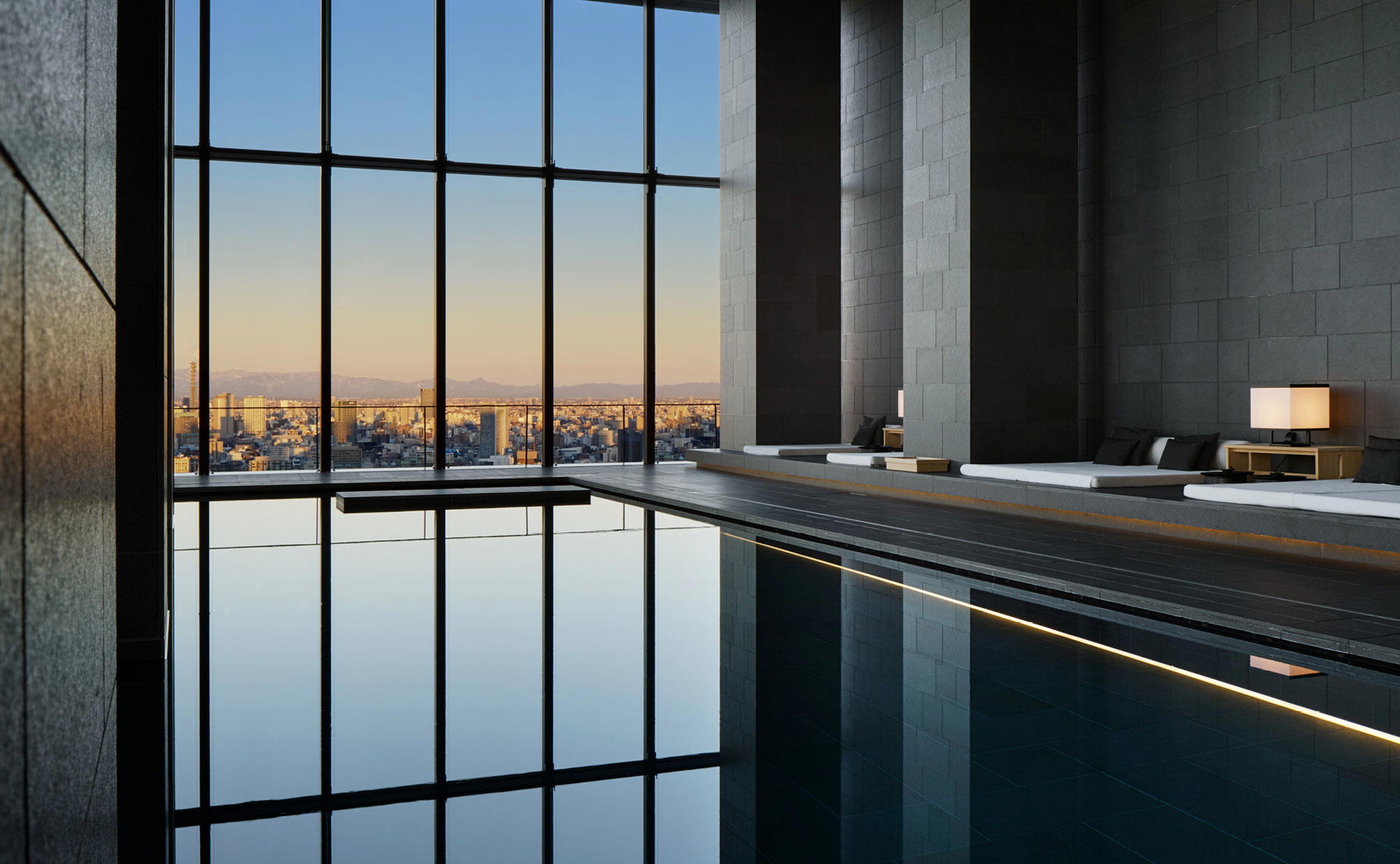
Pale wood, soft washi lighting, and measured silence in an intimate counter and table setting.