

Tabelog Silver #73
Our verdict
Opened in November 2023 in Akasaka, Makitori Shinkobe has moved quickly through the recognition tier, Tabelog Silver in both 2025 and 2026, a score of 4.44, and consecutive selection for the Yakitori EAST Top 100. The 12-seat counter operates on strict omakase reservation terms, with dinner averaging JPY 20,000–29,999. Chef Toyoki Hikida's charcoal-grilling approach places this among the most closely watched yakitori openings in recent Tokyo memory.

Pearl is the En Primeur Club membership app, where members save venues, book tables and use the concierge.
The menu
What to order
- Woodfired Soboro Rice
- Woodfired Toast with Chicken Breast Pate
- Smoky Enoki Chawanmushi
Where Akasaka's Yakitori Scene Now Sets Its Benchmark
Tokyo's serious yakitori circuit has, over the past decade, pulled steadily away from the casual skewer-and-beer format that defined the genre for most of its modern history. A small tier of counter-only, reservation-required rooms now operates at price points and recognition levels that place yakitori alongside kaiseki and high-end sushi as a category deserving the same critical attention. Makitori Shinkobe, which opened in Akasaka on 11 November 2023, entered that tier almost immediately, an unusually fast trajectory for a format where earned trust and repeat-reviewer attention typically takes years to accumulate.
That speed matters as context. The Tabelog Silver Award in 2025, retained in 2026, came alongside consecutive selection for the Yakitori EAST Top 100 in both 2024 and 2025. Tabelog Silver represents the tier below Gold and Bronze distinctions that only a handful of venues in each category hold nationally, and the platform's scoring methodology weights repeat-visit reviews and reviewer credibility heavily. A score of 4.44, the figure the venue carries into 2026, places Makitori Shinkobe at the point where the Tabelog algorithm typically reflects sustained quality rather than early enthusiasm. Opinionated About Dining, which compiles its own Japan rankings independently, listed the restaurant among its recommended picks in 2023, moved it to #70 nationally in 2024, and to #21 in 2025. That upward movement across two independent assessment systems in under two years is, at minimum, a data point worth taking seriously.
The Primacy of the Bird, and the Fire
Yakitori's quality ceiling is determined almost entirely by two variables: the source of the chicken and the discipline of the grill. Unlike multi-ingredient cuisines where a weak component can be masked by a stronger one, a 12-seat counter serving single skewers of chicken has nowhere to hide a substandard bird or an uneven coal bed. The leading yakitori rooms in Tokyo, and Makitori Shinkobe sits in that conversation, are defined by their sourcing relationships and their grilling precision as much as by any culinary creativity layered on leading.
Japan's premium chicken supply chain is among the most granular in the world. Breeds such as Jidori (free-range native chicken) and regional varieties from Miyazaki, Kagoshima, and Iwate carry traceable provenance in a way that parallels the appellation structures of European wine. At the counter level, the decision about which breed to use for which cut, thigh versus breast versus liver versus cartilage, becomes the primary creative act. The charcoal used matters too: binchotan white charcoal burns at a consistent, radiation-heavy heat that cooks protein without imparting direct smokiness, requiring a different technical discipline than wood-fire grilling. The counter format, with 12 seats at Makitori Shinkobe, concentrates all of this into a direct exchange between grill and guest that larger formats cannot replicate.
For visitors building itineraries that span Japan's yakitori tradition, the comparison set is instructive. In Tokyo, Yakitori Omino and Asagaya BIRD LAND represent the range of approaches the city's serious yakitori counters take. Elsewhere in Japan, Ichimatsu in Osaka and Torisaki in Kyoto anchor the genre's regional variations. Makitori Shinkobe's Akasaka location situates it in a neighbourhood more associated with corporate dining and high-end kappo than with the working-class roots of yakitori, a positioning that itself signals something about where the format has arrived.
Akasaka as a Dining Address
Akasaka occupies a specific position in Tokyo's dining geography. Bounded by the political weight of Nagatacho to the east and the nightlife density of Roppongi to the south, it functions as a semi-formal zone where expense-account meals coexist with serious specialist rooms that have nothing to do with corporate hospitality. The neighbourhood has long hosted high-calibre Japanese cooking, kappo counters, kaiseki rooms, that draws on Minato Ward's purchasing power without catering exclusively to it.
For yakitori specifically, Akasaka is not the address most diners associate with the format. The genre's heartland in Tokyo runs through Yurakucho's underpasses, Shibuya's side streets, and the area around Shinjuku Station, where the izakaya-adjacent yakitori tradition is most densely concentrated. A counter operating in Akasaka at JPY 20,000–29,999 per person is positioning itself deliberately against that grain, alongside the city's kaiseki and sushi tiers rather than its casual grill tradition. That price bracket puts Makitori Shinkobe in the company of rooms like Aramaki and Aria di Takubo in terms of evening spend, though the cuisine format is entirely different.
Akasaka-mitsuke Station is the practical access point, the restaurant sits two minutes from Exit 10 on the Tokyo Metro, with Akasaka Station (Exit 1, nine minutes on foot) as an alternative. The neighbourhood is direct to reach from central Tokyo and from the major hotel clusters in Roppongi Hills and Toranomon.
The Counter Format and What It Demands
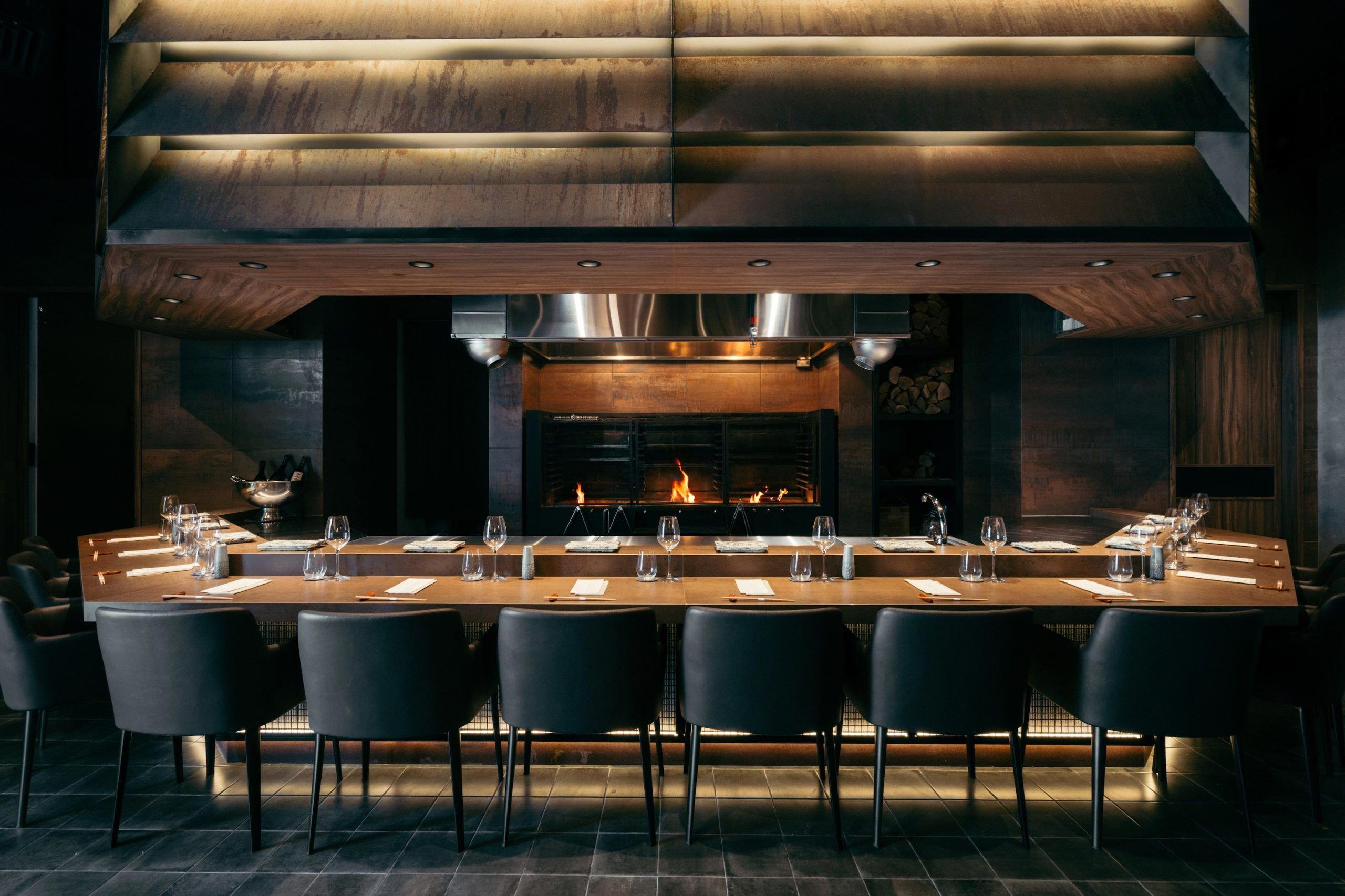
Twelve seats, counter only, no private rooms, reservation strictly through the OMAKASE platform. This configuration is now a recognisable format signal in Tokyo's top-tier dining: small capacity means the kitchen controls the service rhythm entirely, and the omakase structure means the progression of skewers follows the chef's sequence rather than individual orders. Chef Toyoki Hikida works within a format that places full editorial control of the meal at the grill, with guests receiving dishes at the tempo the coal bed dictates.
The OMAKASE reservation system, used across a number of Tokyo's highest-demand small counters, typically opens booking windows in advance and allocates seats through a queuing process that rewards planning. For international visitors, this means the reservation decision should be made well before arrival in Tokyo, the twelve seats and Makitori Shinkobe's recognition profile mean availability at short notice is unlikely. Closed days are not fixed, so confirming the schedule directly with the restaurant before building an itinerary around a specific evening is advisable. Credit cards are accepted; QR code payment (d Barai) is also available.
For visitors building a Tokyo dining programme that extends beyond the capital, the platform's coverage of Japan's broader restaurant tier is worth consulting. HAJIME in Osaka, Gion Sasaki in Kyoto, akordu in Nara, Goh in Fukuoka, 1000 in Yokohama, and 6 in Okinawa represent the range of high-end dining the country offers across formats. Within Tokyo specifically, the EP Club guides to restaurants, hotels, bars, and experiences map the full scene alongside comparable counters, among them 124. KAGURAZAKA, for those who want to build an itinerary rather than a single booking. A Tokyo wineries guide is also available for those extending the trip.
What the Recognition Record Actually Says
Two consecutive Tabelog Silver Awards, Yakitori EAST Top 100 in 2024 and 2025, a national ranking of #21 on Opinionated About Dining's Japan list for 2025, and a Tabelog score of 4.44, all accumulated within roughly 18 months of opening. For a twelve-seat counter at JPY 20,000–29,999 per person, operating without walk-ins and with no private dining option, this is an unusually concentrated body of evidence. The format and price bracket put the room outside the reach of casual testing, which means the reviewers contributing to that score are predominantly serious diners returning deliberately. That self-selection matters for how to read the numbers.
Makitori Shinkobe is not attempting to redefine yakitori as a concept. What it represents is the format at its current premium ceiling in Tokyo: sourcing-led, counter-paced, charcoal-disciplined, and recognised by the platforms that track these things with some rigour.
What is the must-try dish at Makitori Shinkobe?
Makitori Shinkobe operates on an omakase format, meaning the kitchen sequences the meal rather than guests selecting individual dishes. The progression follows the chef's choices across a range of chicken preparations, and the specific skewers served will vary by sitting. Given the venue's ingredient-forward approach and its Tabelog score of 4.44, reflecting sustained reviewer assessments across 2024 and 2025, the quality of the sourcing is the through-line rather than any single signature item. Chef Toyoki Hikida's approach, as documented in the restaurant's public-facing recognition record, centres on charcoal-grilling technique applied to premium chicken. The practical advice: reserve through the OMAKASE platform, arrive without a specific expectation about what will appear, and let the counter's sequence do its work.
Reputation First
Comparable venues nearby, for context on price, style, and recognition.
| Venue | Cuisine | Price | Awards | Notes |
|---|---|---|---|---|
| Makitori ShinkobeThis venue (the venue you are viewing) | Wood-Fired Yakitori Omakase | $150–200 | Tabelog Silver #73 | Not listed |
| TEMPURA & WINE SHINO | Modern Tempura and Wine | $150–200 | Michelin Plate | Minato |
| Furuta | Japanese Kaiseki and Kappo | $150–200 | Tabelog Silver #25 | Chūō |
| Kaiseki Ohara | Traditional Kaiseki | $100–150 | Michelin Plate | Shinjuku |
| Ishigaki Yoshida | Michelin-Starred Teppanyaki | $200–300 | Tabelog Bronze #526 | Minato |
| Hirosaku | Traditional Japanese Kaiseki Kappo | $300–500 | Tabelog 100 #46 | Minato |
Recognition history
Dated appearances from independent guides and award organizations, with the underlying list record or original source where available.
Opinionated About Dining Top Restaurants in Japan Ranked #37
Opinionated About Dining
Tabelog Silver #73
Tabelog
Full recognition history (7 entries)
Opinionated About Dining Top Restaurants in Japan Ranked #21
Opinionated About Dining
Tabelog 100 #87 · No. 87
Tabelog · Tabelog 100 - Yakitori - EAST - 2025
Tabelog Silver
Tabelog
Opinionated About Dining Top Restaurants in Japan Ranked #70
Opinionated About Dining
Opinionated About Dining Top Restaurants in Japan Recommended
Opinionated About Dining
Continue exploring
More in Tokyo
Restaurants in Tokyo
All restaurants in Tokyo →
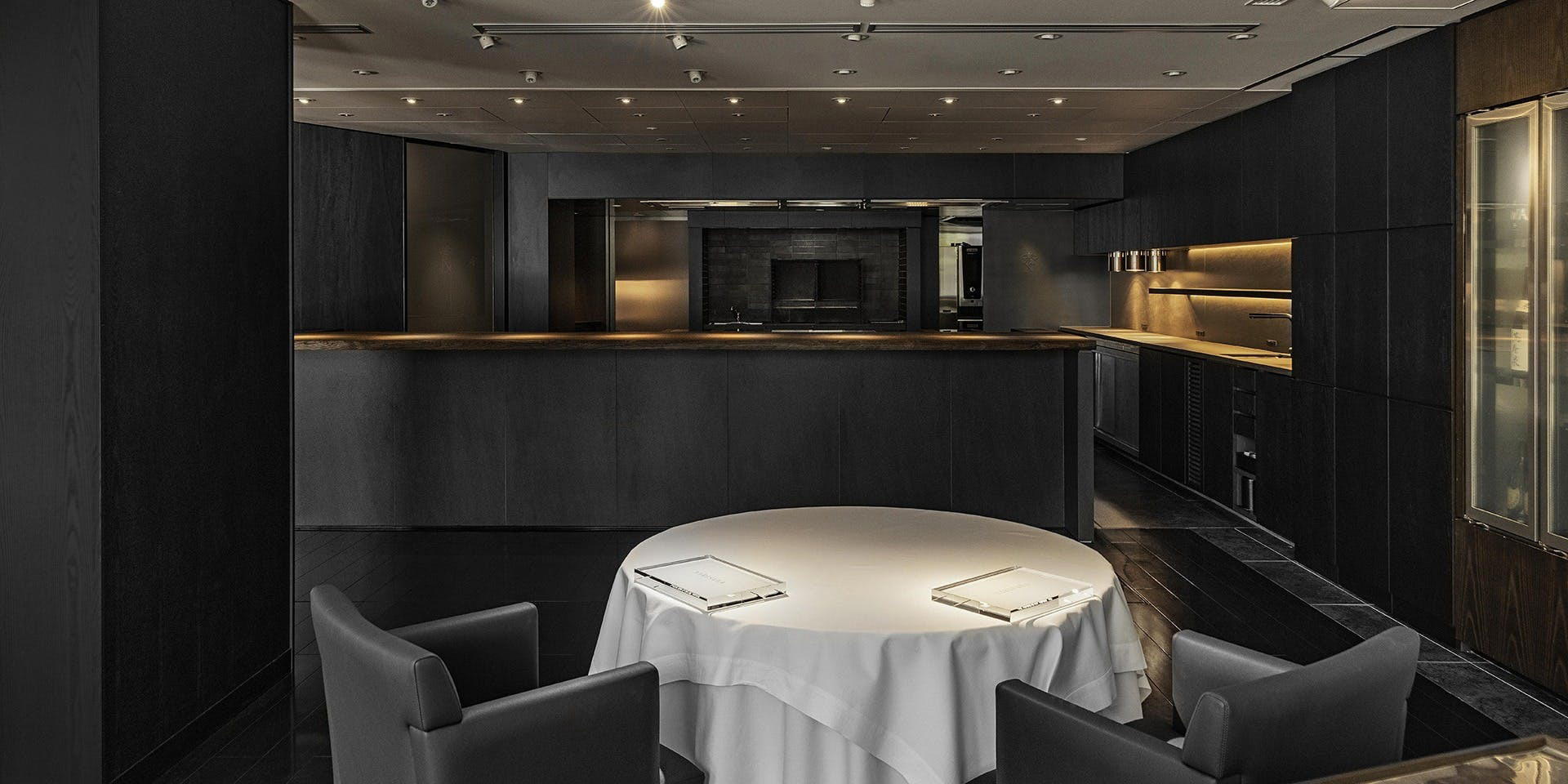
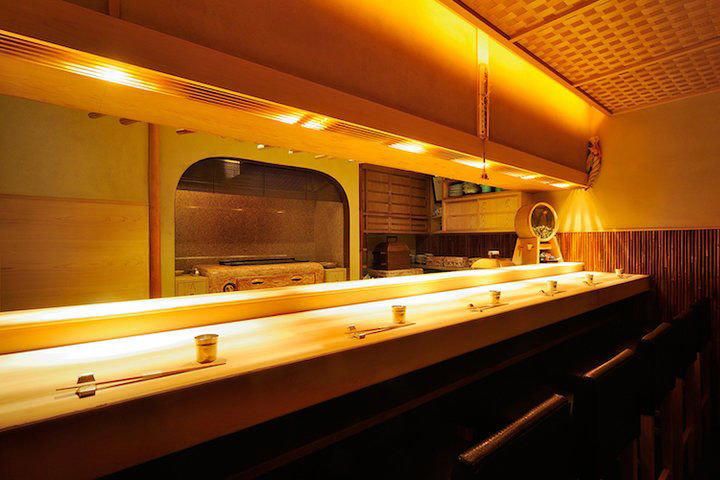
Bars in Tokyo
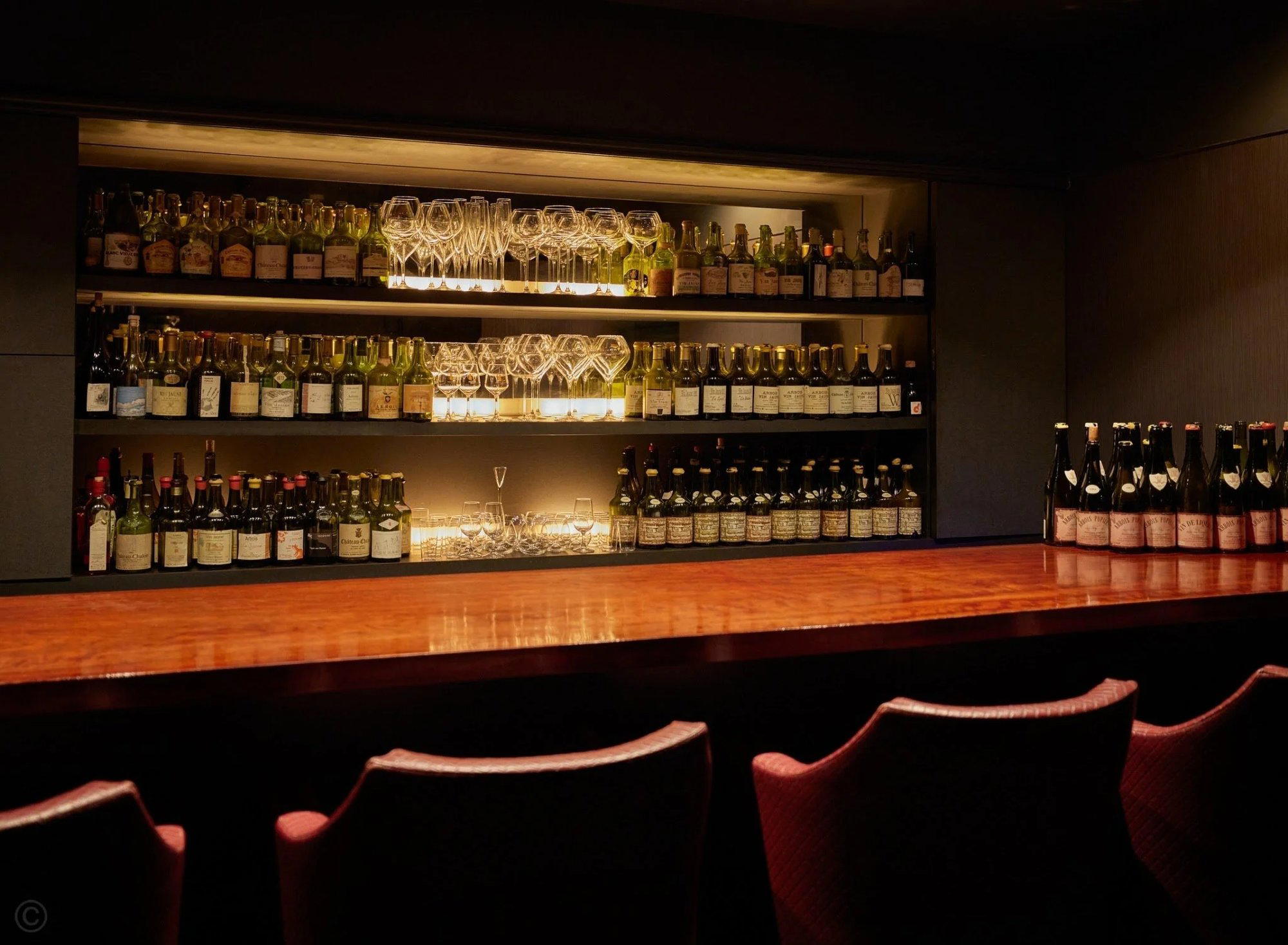
All bars in Tokyo →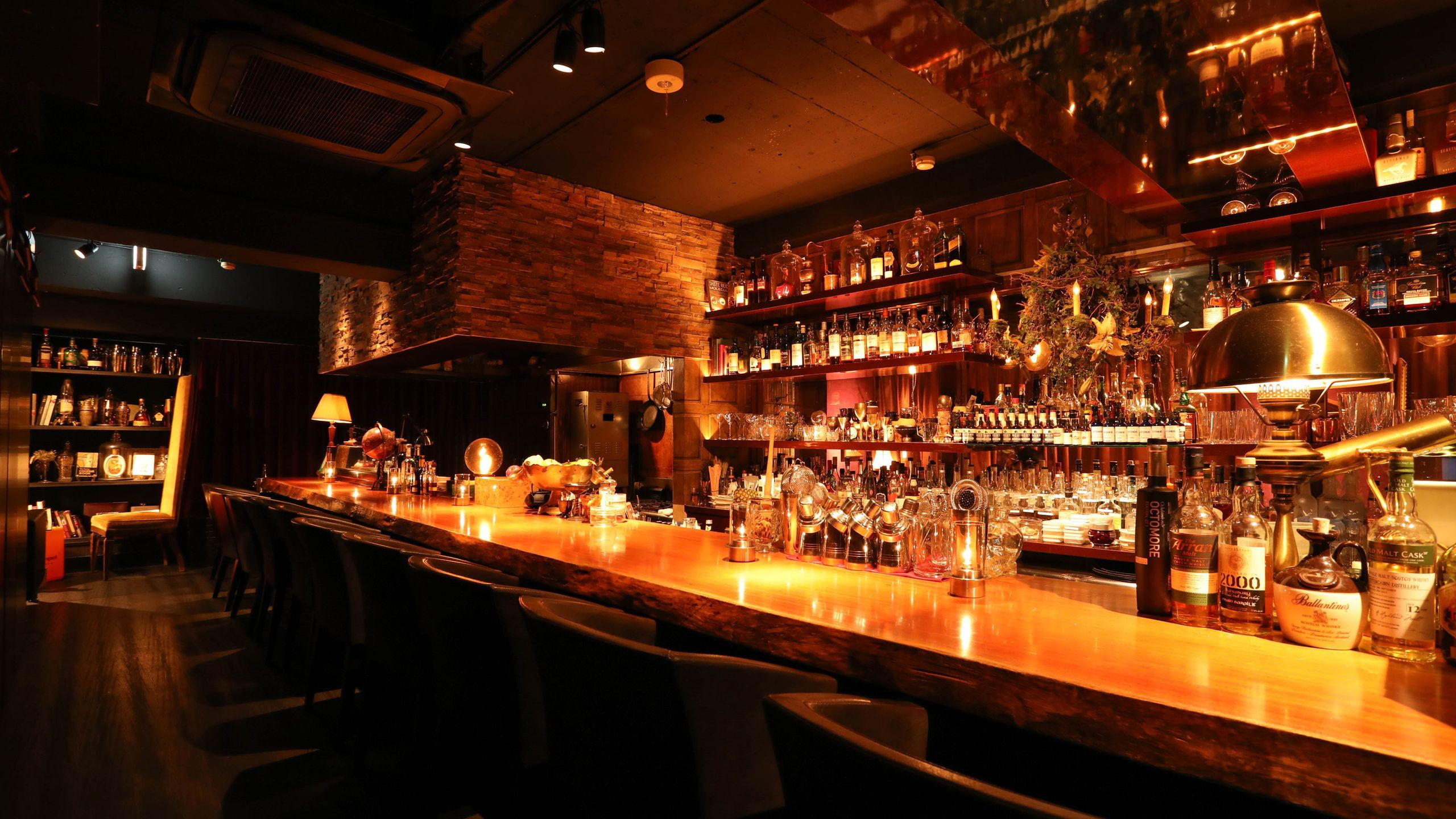

Details
- Intimate
- Trendy
- Modern
- Special Occasion
- Date Night
- Chefs Counter
- Open Kitchen
- Sake Program
- Omakase
- Counter Dining
- Small Plates
Current opening hours
- Monday
- 5:30–8:30 PM
- Tuesday
- 5:30–8:30 PM
- Wednesday
- 5:30–8:30 PM
- Thursday
- 5:30–8:30 PM
- Friday
- 5:30–8:30 PM
- Saturday
- 3–9 PM
- Sunday
- 3–9 PM
Hours can change for holidays and private events. Last verified .
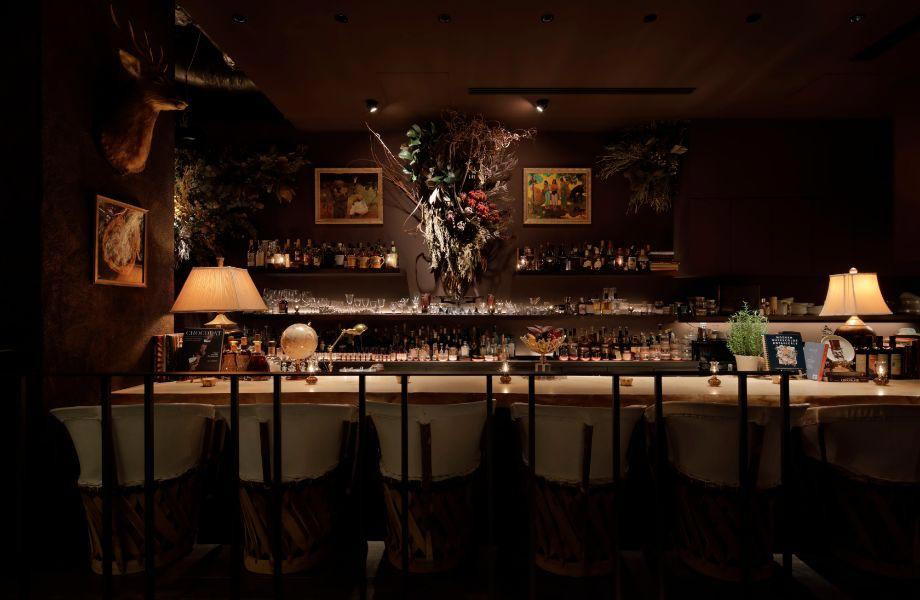
Calm counter-only atmosphere with lively wood fire visible, creating a special sensory experience of aroma, sound, and flame.