Our verdict
AFURI Harajuku sits in Sendagaya, the quieter residential edge of one of Tokyo's most commercially saturated neighbourhoods. The branch brings AFURI's yuzu-inflected ramen style to a district where fashion crowds and local regulars coexist. It occupies a different register from the ¥¥¥¥ kaiseki and omakase counters that dominate Tokyo's serious dining conversation, offering accessible, ingredient-focused ramen in a neighbourhood that rewards explorers.

Pearl is the En Primeur Club membership app — saves, bookings, and concierge access live there. Same editors, same standards.
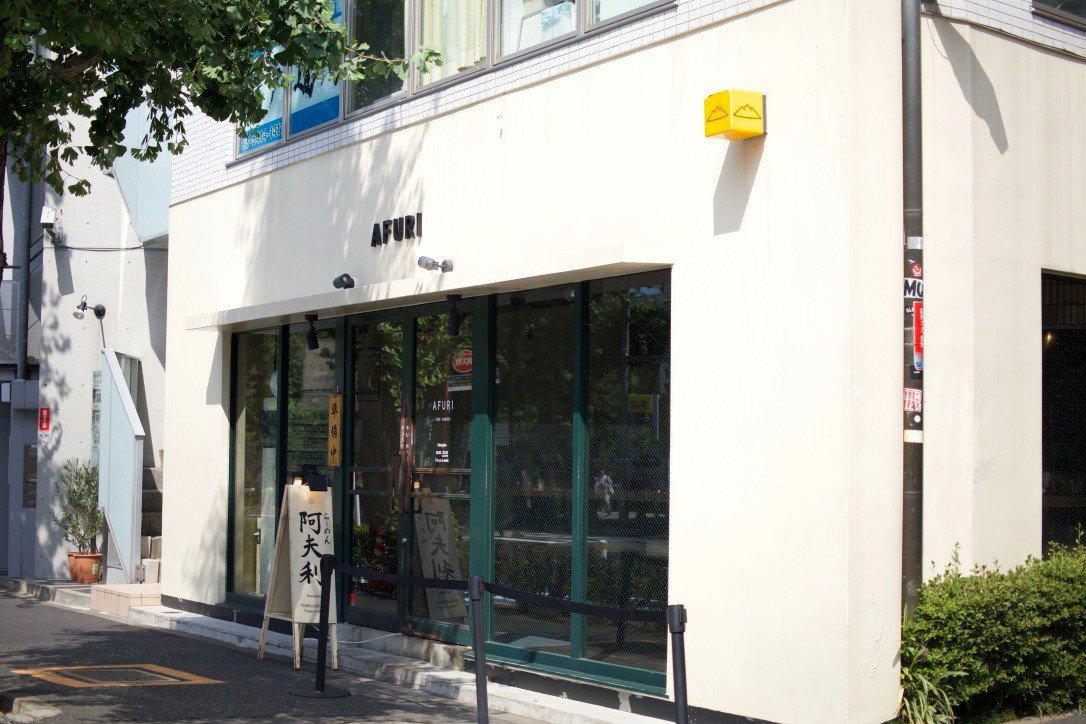
Sendagaya: The Quieter Side of the Harajuku Orbit
Harajuku announces itself loudly — Takeshita Street, the weekend crowds, the fast-fashion congregation around Omotesando Hills. But Sendagaya, the sub-district where AFURI Harajuku operates, sits at a remove from that noise. It occupies the northern edge of the Harajuku postal zone, closer to Sendagaya Station than to the Harajuku end of the Yamanote Line. The streets here run narrower, the shopfronts quieter. It is the kind of address in Tokyo that functions as a local corrective — a reminder that even in the city's most commercially saturated wards, residential pockets persist.
This matters for how AFURI Harajuku reads as a dining address. The location inside Grande Foresta Harajuku, a mixed-use building on Sendagaya 3-chome, places it in a neighbourhood where the foot traffic skews local rather than tourist. That dynamic shapes the register of the room and the rhythm of service in ways that a flagship Shibuya or Shinjuku address would not replicate. Ramen in Tokyo has always been a neighbourhood-first category, and AFURI's Sendagaya placement honours that logic even as the brand has expanded internationally.
AFURI in the Ramen Category: Where It Sits
Tokyo's ramen field divides broadly into legacy styles, tonkotsu, shoyu, shio, and a newer generation of kitchens that have introduced lighter, more citrus-forward profiles. AFURI belongs firmly to the second group. The brand built its identity around yuzu shio ramen: a clear, delicate broth flavoured with yuzu citrus that deliberately steps away from the richness of pork-bone-heavy styles. That positioning made AFURI a reference point in the shio ramen conversation when it first emerged from its original Ebisu location, and the Harajuku branch carries that lineage.
This is a meaningfully different eating proposition from the ¥¥¥¥ counters that dominate Tokyo's international dining coverage. Harutaka and Sézanne operate in a world of multi-course tasting formats, advance reservation windows measured in months, and price points that put a single dinner at the level of a short-haul flight. AFURI operates in a category where the ambition is different, speed, accessibility, and a specific kind of craft applied to a bowl that costs a fraction of those experiences. Neither mode is more legitimate; they answer different needs at different price tiers. For the visitor spending a day in the Harajuku area, AFURI offers a credible, thought-through lunch that does not require planning weeks in advance.
Within the broader Tokyo ramen scene, the yuzu shio style AFURI represents sits closer in spirit to the restraint-led cooking philosophy visible at places like L'Effervescence or Crony than it does to heavier ramen traditions, not in cuisine type, but in the shared instinct toward lightness and ingredient clarity. That instinct has also given AFURI enough cross-cultural legibility to support international expansion into cities like Portland, where its yuzu-forward model translates more readily than a tonkotsu operation might.
The Neighbourhood as Context for the Meal
Eating at AFURI Harajuku is, in part, an act of reading the neighbourhood around it. Sendagaya sits between Harajuku's commercial energy and the quieter residential scale of Shinjuku's southern fringe. The proximity to Meiji Jingu Gaien, the outer garden of the Meiji Shrine complex, gives the area a particular character on weekday mornings, when runners and cyclists use the ginkgo-lined avenues before the offices fill. A ramen stop here after a morning in the Gaien or the nearby National Stadium area has a logic that a dinner at RyuGin does not share.
That contextual reading extends to how AFURI Harajuku fits into a multi-day Tokyo itinerary. For visitors anchoring serious dinners at kaiseki counters or Sézanne-tier French restaurants, AFURI provides a workable midday counterpoint, a meal that asks less of the appetite and the wallet while still reflecting a defined culinary perspective. The yuzu shio style, with its cleaner broth profile, tends to sit lightly enough to leave room for an ambitious dinner later in the day. See our full Tokyo restaurants guide for how to structure a broader itinerary around the city's different dining registers.
AFURI Beyond Tokyo: The Brand in National Context
Japan's serious dining conversation extends well past Tokyo. HAJIME in Osaka, Gion Sasaki in Kyoto, and akordu in Nara represent the kind of destination-grade cooking that defines a trip to the Kansai region. Goh in Fukuoka anchors the case for Kyushu as a serious dining destination in its own right. Regional specialists like Abon in Ashiya, affetto akita in Akita, Aji Arai in Oita, Ajidocoro in Yubari District, Akakichi in Imabari, and aki nagao in Sapporo point to how deep Japan's regional dining infrastructure runs. AFURI Harajuku does not compete in that register. What it offers is something different: a consistent, identifiable product within a category, yuzu-forward shio ramen, that has earned its own following across the country and internationally.
Internationally, AFURI's expansion places it alongside global ramen operators in a way that few Japanese ramen brands have managed. The comparison set shifts when thinking globally: the brand's Portland presence, for example, operates in a city where Lazy Bear in San Francisco and Le Bernardin in New York City define the upper end of American fine dining, but where Japanese ramen retains a niche-specialist rather than mass-market status. AFURI's ability to operate coherently across those contexts reflects the clarity of its core product identity.
Planning Your Visit
AFURI Harajuku sits at 3 Chome-63-1 Sendagaya, Shibuya, Tokyo, inside the Grande Foresta Harajuku building on the ground floor. Sendagaya Station on the Sobu Line is the most direct rail access point; Harajuku Station on the Yamanote Line is also walkable, though the route passes through the busier commercial strip rather than arriving from the quieter residential side. As a ramen operation, AFURI Harajuku does not require reservations in the way that omakase counters or kaiseki rooms do, the format is walk-in, with queuing patterns that reflect the rhythm of the surrounding neighbourhood rather than the months-long booking windows of Tokyo's high-end dining tier. Lunchtime on weekdays will generally see shorter waits than weekend midday service. Visitors planning an itinerary that includes serious dinners at the city's multi-course restaurants will find AFURI a practical and considered midday option that does not compete with, or compromise, those later bookings.
Frequently asked questions
Is AFURI Harajuku child-friendly?
Ramen restaurants in Tokyo are accessible dining environments for families, and AFURI's Sendagaya address reinforces that — it operates on a walk-in basis with no dress code or reservation formality. The ground-floor setting inside Grande Foresta Harajuku is straightforward to access with children. The lighter yuzu shio broth is less aggressively seasoned than tonkotsu-heavy alternatives, which can suit younger palates.
Is AFURI Harajuku better for a quiet night or a lively one?
The Sendagaya placement, at 3 Chome-63-1 Shibuya, puts AFURI at a remove from Takeshita Street's weekend congestion and the Omotesando commercial corridor. The trade-off is atmosphere: this location runs quieter than the more central Tokyo ramen spots that thrive on foot-traffic energy. For a focused, lower-key bowl, the Harajuku branch works well; for a livelier setting, other AFURI locations in the Tokyo network may better fit the occasion.
Does AFURI Harajuku serve a vegetarian or vegan version of its yuzu ramen?
AFURI as a brand has offered plant-based ramen options at select locations, recognising that its lighter shio-style broth translates more readily to non-animal bases than tonkotsu does. Whether the Sendagaya branch at 3 Chome-63-1, Shibuya, Tokyo carries those options currently should be confirmed directly with the venue, as menu availability varies by location. It is worth noting that AFURI's Tokyo presence across multiple branches means dietary-specific options are not uniform across the network.
What dish is AFURI Harajuku famous for?
AFURI built its reputation on yuzu shio ramen: a clear, citrus-inflected broth that positions itself against the heavier tonkotsu and dense shoyu styles that dominate much of Tokyo's ramen conversation. The yuzu component is structural rather than decorative — it defines the broth's acidity and weight. That lighter register is what distinguishes AFURI from older-school Tokyo ramen institutions.
Where is AFURI Harajuku located?
AFURI Harajuku is located at Japan, 〒151-0051 Tokyo, Shibuya, Sendagaya, 3 Chome−63−1 グランデフォレスタ原宿 1F, Tokyo.
How hard is it to get a table at AFURI Harajuku?
AFURI Harajuku operates on a walk-in basis, which separates it from Tokyo's omakase and kaiseki counters that require bookings weeks or months ahead. Wait times vary by time of day and day of the week, with weekend lunch windows drawing the longest queues. Arriving outside peak meal hours — mid-afternoon or early evening on a weekday — typically reduces wait time considerably.
At a Glance
Comparable venues nearby, for context on price, style, and recognition.
| Venue | Cuisine | Price | Awards | Notes |
|---|---|---|---|---|
| AFURI HarajukuThis venue — the venue you are viewing | Yuzu Ramen | $10–20 | Not listed | Not listed |
| Tonkatsu Maruichi (とんかつ丸一) | Tonkatsu Specialist | $20–30 | Tabelog 100 #44 | Fukagawa, Tonkatsu Specialist |
| breadworks Omotesando | Bakery-Cafe | $10–20 | Tabelog 100 #85 | Minato, Bakery-Cafe |
| Hototogisu | Modern Seafood Soba Ramen | $10–20 | Michelin Bib Gourmand | Shinjuku, Michelin-Starred Seafood Ramen |
| 白寧 | Modern French-Japanese Fusion | $200–300 | 1 Michelin Star | Minato, Internationally prominent Sushi |
| Kurobuta Tonkatsu Hori Ichi | Kurobuta tonkatsu specialist | $20–30 | Tabelog 100 #79 | Minato, Kurobuta tonkatsu specialist |
Continue exploring
More in Tokyo
Restaurants in Tokyo
All restaurants in Tokyo →



Bars in Tokyo
All bars in Tokyo →




Details
- Modern
- Trendy
- Minimalist
- Solo
- Family
- Casual Hangout
- Open Kitchen
- Sake Program
- Local Sourcing
- A La Carte
- Counter Dining
- Vegetarian Friendly
- Vegan Options
Current opening hours
- Monday
- 10 AM–11 PM
- Tuesday
- 10 AM–11 PM
- Wednesday
- 10 AM–11 PM
- Thursday
- 10 AM–11 PM
- Friday
- 10 AM–11 PM
- Saturday
- 10 AM–11 PM
- Sunday
- 10 AM–11 PM
Hours can change for holidays and private events. Last verified .
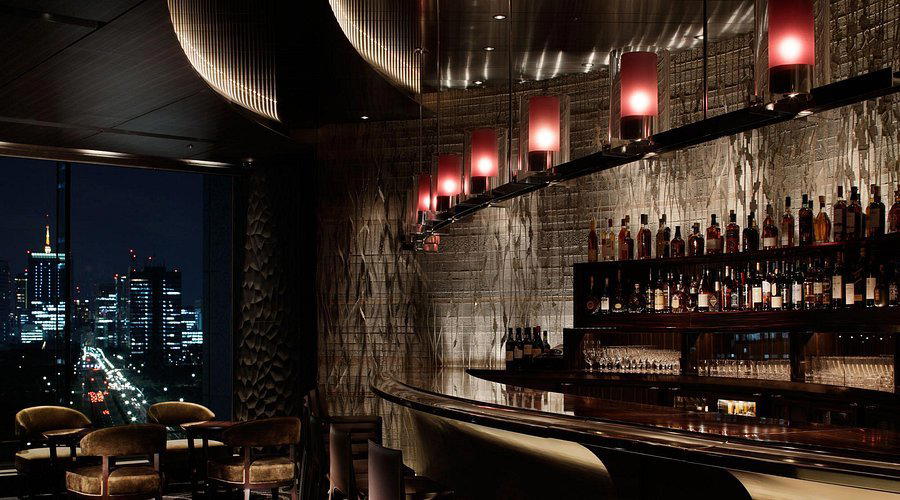
Modern counter seating with open kitchen, bright and stylish atmosphere appealing to trendy crowds.