In Nishiazabu, one of Tokyo's quieter premium dining corridors, 白寧 occupies the kind of address that rewards those who already know where they are going. The restaurant sits within the upper tier of the neighbourhood's omakase and kaiseki-adjacent circuit, where the ritual of the meal is treated as architecture rather than backdrop. Comparable in register to RyuGin and L'Effervescence, 白寧 draws a reservation-focused clientele for whom pacing and form are as important as the plate.
Pearl is the En Primeur Club membership app — saves, bookings, and concierge access live there. Same editors, same standards.
- Address
- 4 Chome-9-11 Nishiazabu, Minato City, Tokyo 106-0031, Japan
- Phone
- +819089463919
- Website
- hakunei.com
- Directions
- Get directions
 Saves & bookings on Pearl
Nishiazabu After Dark: The Street That Sets the Tone
There is a particular register to Nishiazabu at night. The broad avenues of Roppongi give way to narrower residential streets where the light drops and the noise thins. Restaurants here do not announce themselves with bright signage or pavement queues. They exist for guests who have already made the decision, who arrive with a reservation, not a hope. 白寧 sits inside that grammar. The address on Chome-9-11 places it in Minato City, where premium dining is a given, and where the question is never whether a meal will be serious, but how it will be structured.
This is the terrain where Tokyo's most disciplined omakase and counter-format restaurants have carved a parallel circuit to the louder concentration around Ginza and Shimbashi. Harutaka and Sézanne operate closer to the centre of that established gravity, while Nishiazabu properties tend to draw a guest who prefers the walk from the taxi to be quiet, the entrance unmarked, the evening unhurried.
The Architecture of the Meal
In Tokyo's premium dining culture, the format of service is not incidental to what is eaten, it is part of the proposition. The sequence of courses, the spacing between them, the temperature of the room at the point dishes arrive, the moment tea is poured: these details carry meaning. Restaurants at this level are not simply serving food; they are conducting a ritual with specific customs attached to each movement.
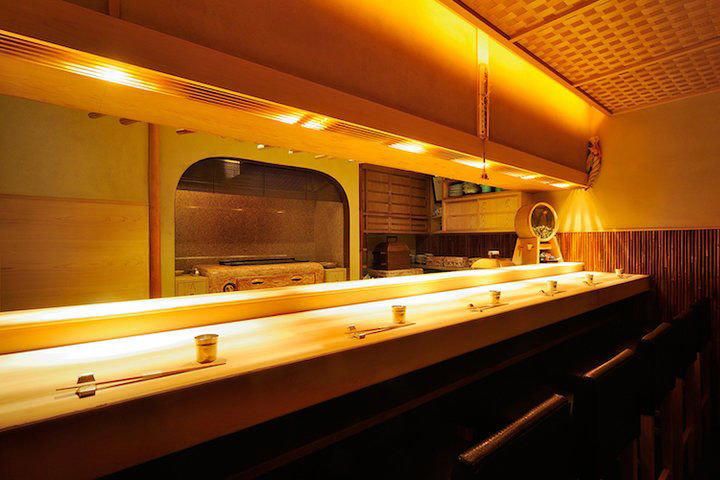
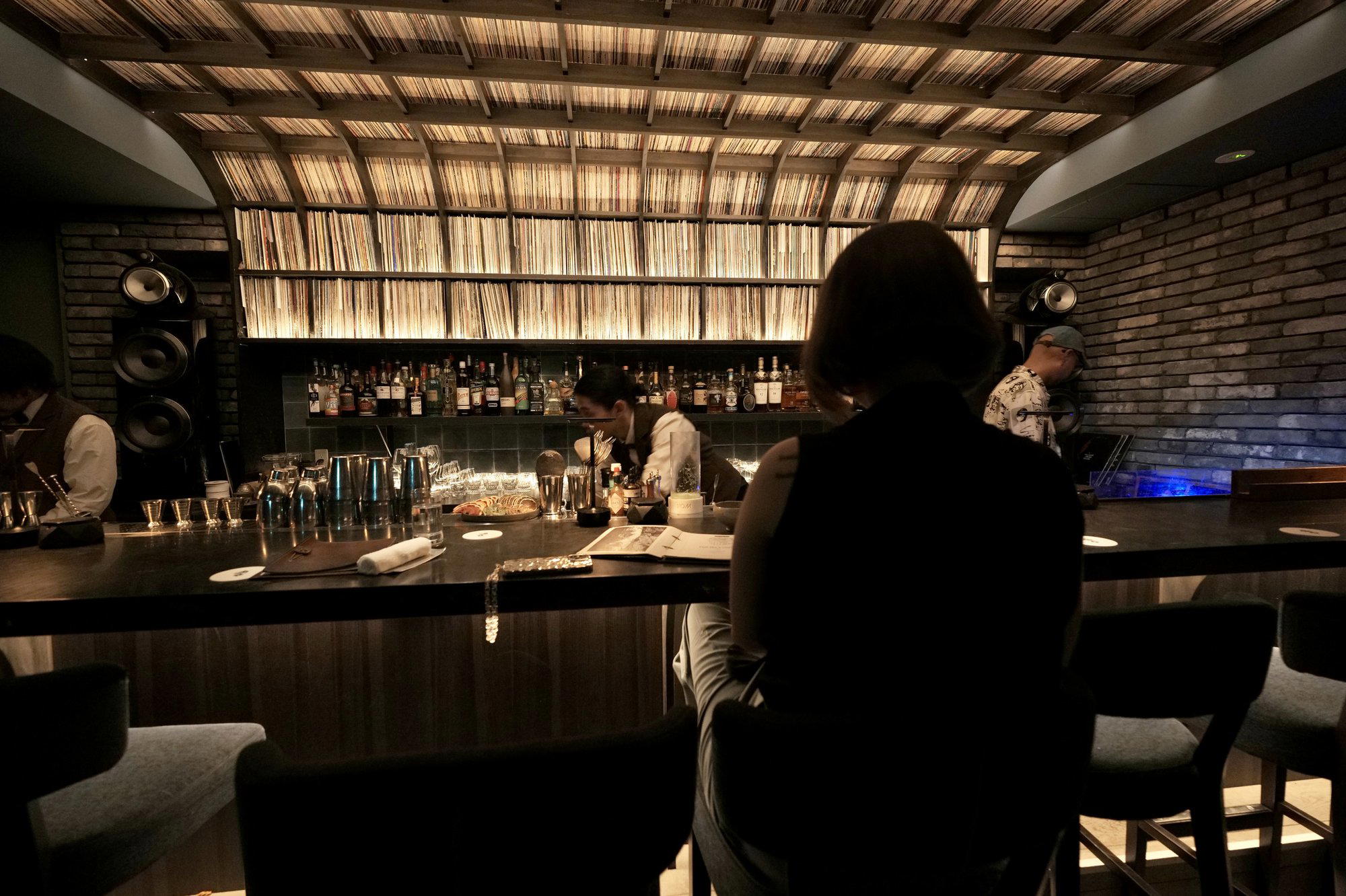
Counter formats in this neighbourhood set a particular pace. The guest is close enough to watch preparation without being crowded by it. Silence is functional, not awkward. This is the dining tradition that venues like RyuGin have formalised at the kaiseki end, and that sushi-focused operations across the city have made their signature. The common thread is that the meal has a shape, a beginning, a controlled middle, a considered close, and the guest's role is to receive it with the same attention given to its construction.
白寧 occupies this same territory of intentional structure. In a neighbourhood where counter dining is taken seriously as form, the ritual function of the meal is not a marketing point; it is the operating condition.
Where 白寧 Sits in the Tokyo Dining Conversation
Tokyo's premium restaurant circuit has stratified considerably over the past decade. At the leading sit venues with long international recognition lists and booking windows measured in months. Below that, a dense middle tier offers equally serious kitchens with slightly more access. What distinguishes the upper-middle bracket is not a single award or a famous name but consistency of format discipline and the loyalty of a repeat clientele.
L'Effervescence in Minami-Aoyama shows how a French framework can hold that position through quiet accumulation of critical trust. Crony has moved into a similar bracket from an innovative French angle. The peer context for 白寧 is this upper-register group where the meal is designed rather than improvised, and where repeat visits reveal layers that a single dinner cannot fully expose.
For guests building a Tokyo dining itinerary that reaches beyond particularly circulated names, the Nishiazabu circuit offers exactly this: seriousness without spectacle, craft without performance. It is the register that travellers who have already done Ginza's omakase counters often seek on a second or third visit to the city.
Etiquette and the Unspoken Contract
Tokyo's premium counter culture has its own particular version of this contract. Conversation between guest and chef exists but is not obligatory. Questions about preparation are welcomed when timed well; commentary that interrupts a critical moment is not. The experience asks the guest to be as deliberate as the kitchen. This is not a rule enforced by staff, it is a social architecture that the format itself generates.
Japan's Broader Fine Dining Geography
Tokyo is the obvious entry point for Japan's high-end restaurant circuit, but the country's dining geography extends well beyond the capital. HAJIME in Osaka holds a different register entirely, with a kitchen that operates at the intersection of French technique and ecological philosophy. Gion Sasaki in Kyoto is the standard against which serious kaiseki is measured in the Kansai region. akordu in Nara draws guests prepared to travel specifically for its table. Further afield, Goh in Fukuoka and Abon in Ashiya demonstrate that the density of serious cooking in Japan is not concentrated in its two largest cities alone.
Across the country, venues like affetto akita in Akita, Aji Arai in Oita, Ajidocoro in Yubari District, Akakichi in Imabari, and aki nagao in Sapporo represent how far the country's cooking infrastructure reaches into its regions. For guests with more than a long weekend, building a route that combines Tokyo with two or three of these stops produces a more complete picture of Japanese dining than the capital alone can offer.
The international comparison set for 白寧's register includes venues like Le Bernardin in New York City and Lazy Bear in San Francisco, both of which treat the structure and pacing of a meal as part of the experience's architecture rather than an operational formality.
Know Before You Go
- Address: 4 Chome-9-11 Nishiazabu, Minato City, Tokyo 106-0031, Japan
- Neighbourhood: Nishiazabu, Minato City, quieter premium dining corridor, approximately 10 minutes walk from Roppongi Hills
- Reservations: Recommended
- Leading approach: Taxi or walk from Roppongi or Hiroo stations; street-level signage is minimal, confirm the exact entrance point when booking
- Dress: Smart casual
The Short List
Comparable venues nearby, for context on price, style, and recognition.
| Venue | Cuisine | Price | Notes |
|---|---|---|---|
| 白寧This venue — the venue you are viewing | Minato, Internationally prominent Sushi | Not listed | Not listed |
| Honda Tokyo Noodle Works (麺処 ほん田) | Akihabara, Shoyu Ramen & Tsukemen | $$ | Not listed |
| Takenoshita Soba | Shibuya, Traditional Japanese Soba | $$ | Not listed |
| Tokyo Dosanjin | Not listed | $$ | Meguro, Traditional Soba Noodle Restaurant |
| Kusa Makura | Not listed | $$ | Minato, Japanese Kissaten / Coffee Shop |
| Wakadori Yaki Mobara | Not listed | $$ | Shinagawa, Traditional Japanese chicken izakaya & yakitori |









At a Glance
- Date Night
- Special Occasion
- Chefs Counter
- Sake Program
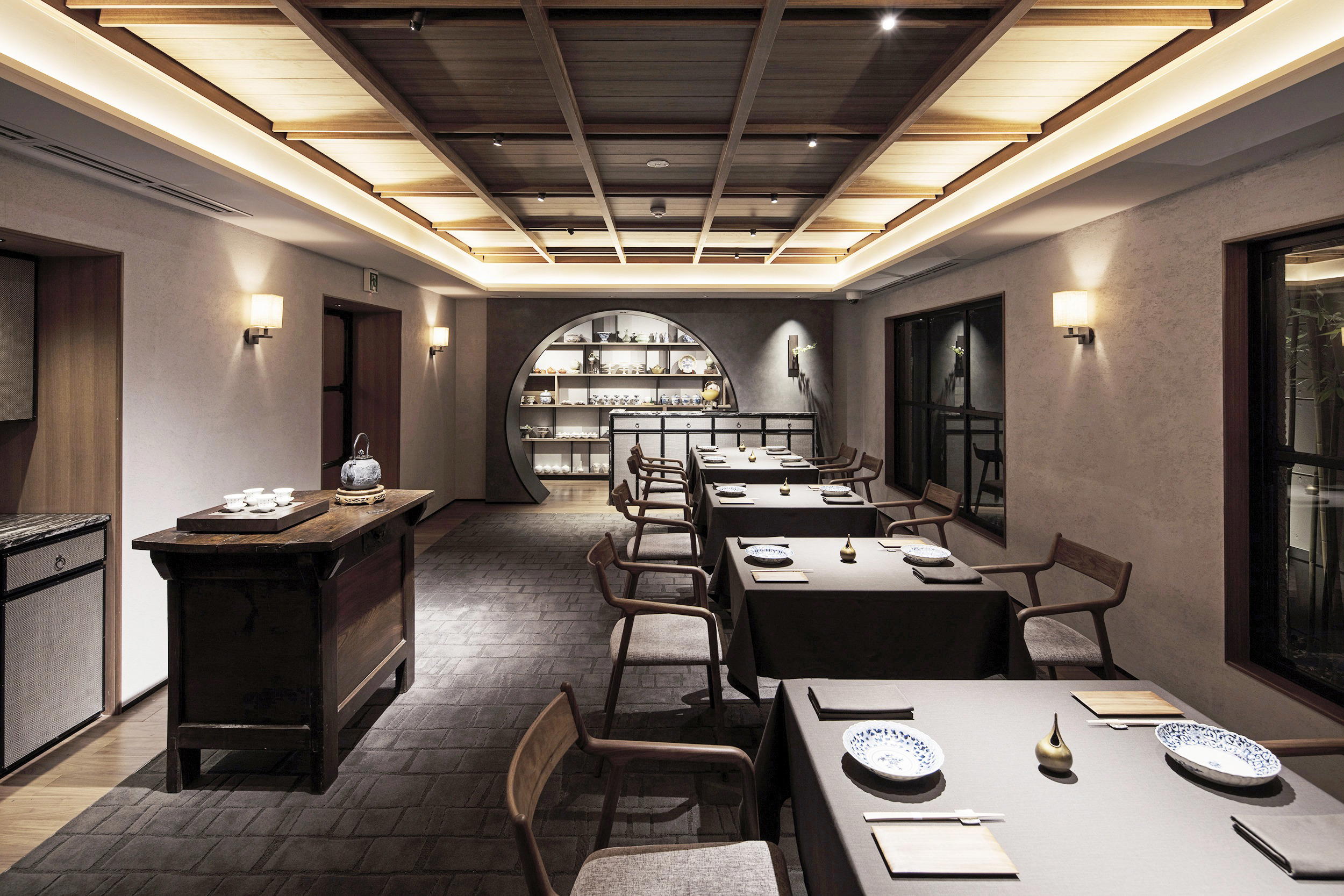
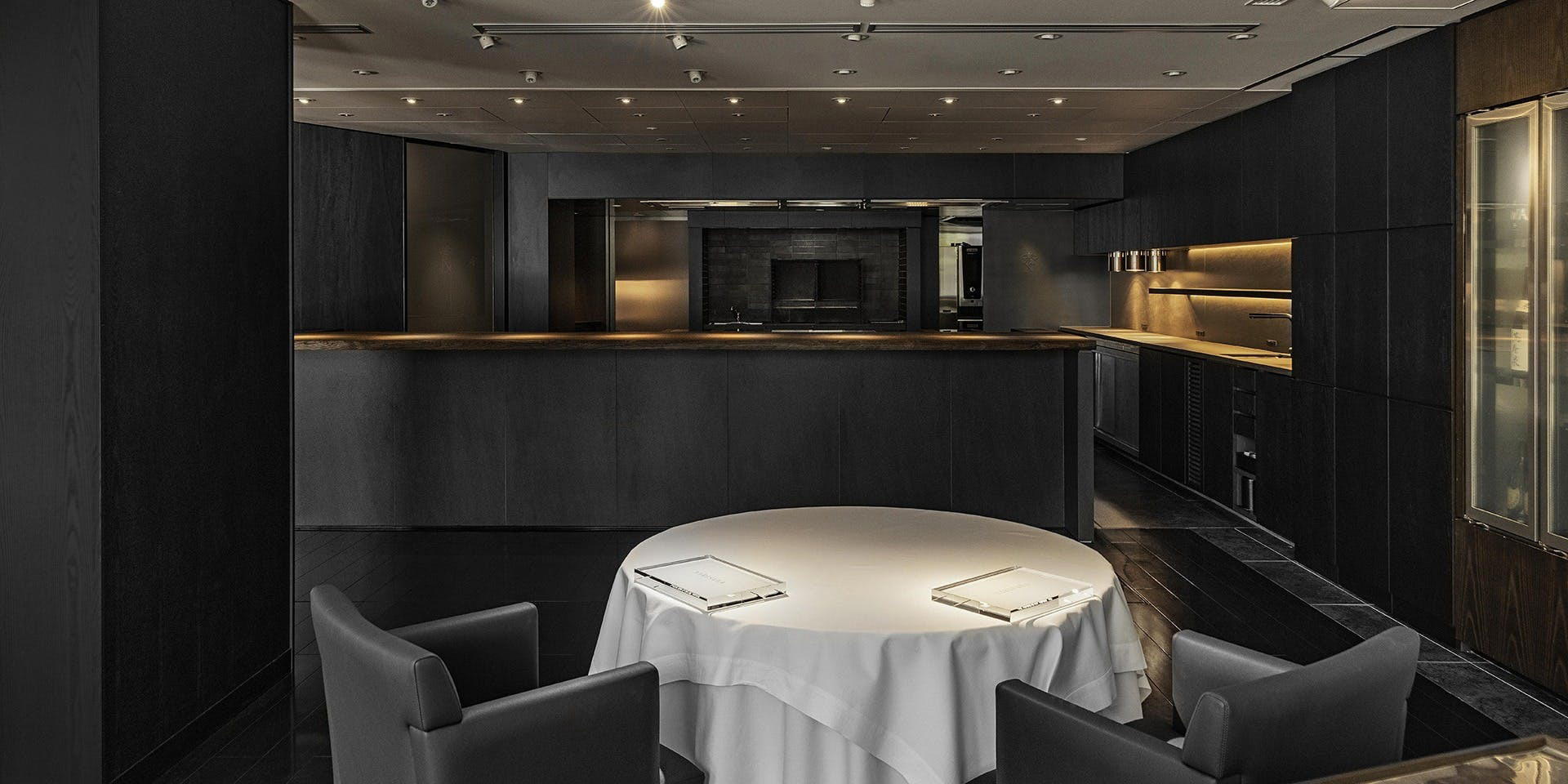
Elegant sushi establishment atmosphere.