
Hototogisu occupies a compact address in Shinjuku City, Tokyo, placing it inside one of the capital's most densely contested dining districts. For context on where it sits within Tokyo's broader restaurant tier, consult EP Club's full Tokyo guide.
Pearl is the En Primeur Club membership app — saves, bookings, and concierge access live there. Same editors, same standards.
- Address
- Japan, 〒160-0022 Tokyo, Shinjuku City, Shinjuku, 2 Chome−4−1 1階105号室
- Phone
- +81353154733
- Directions
- Get directions
 Saves & bookings on Pearl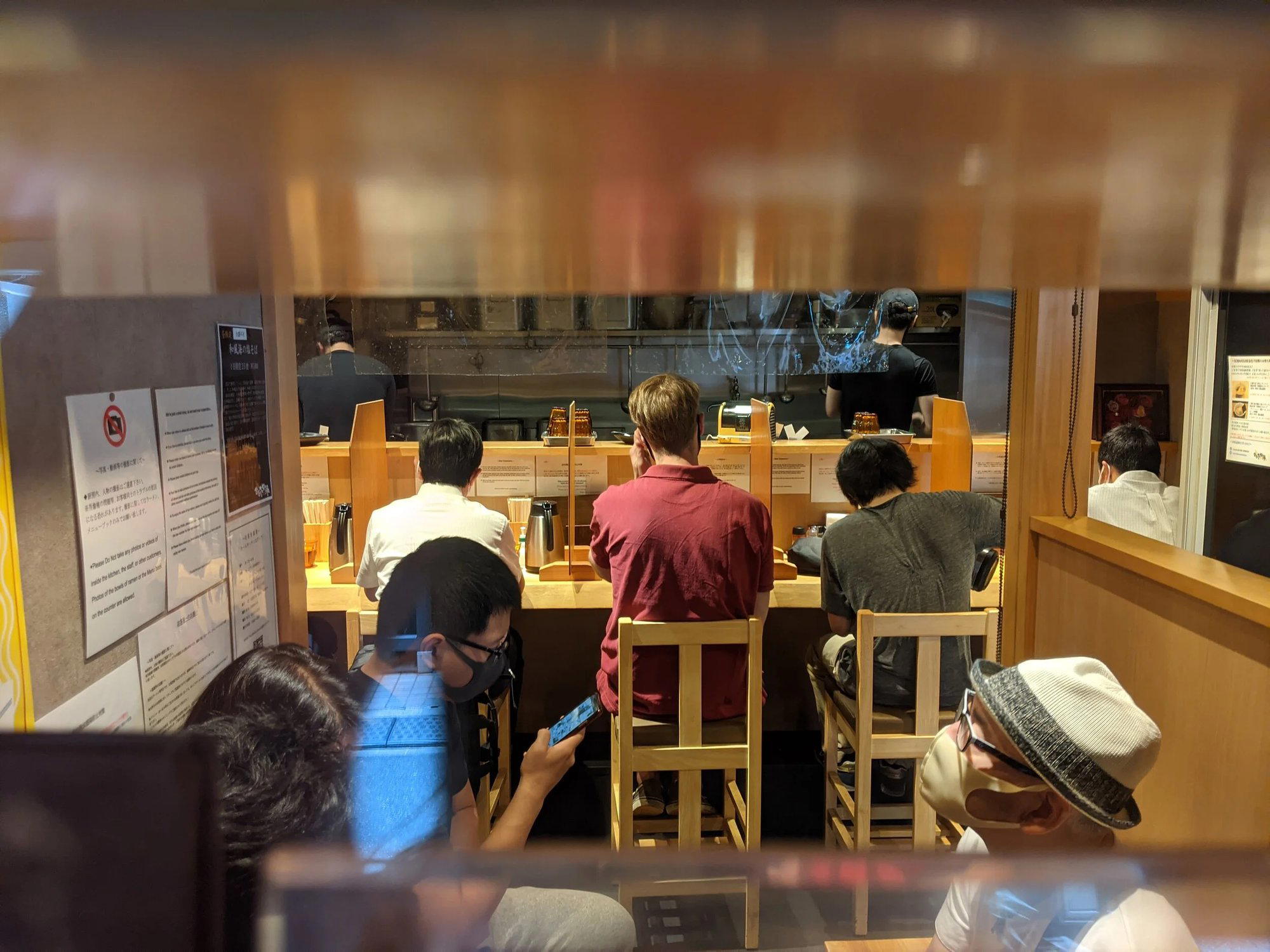
Shinjuku's Dining Density and Where Hototogisu Sits Within It
Shinjuku is not a neighbourhood that makes it easy to stand apart. The district runs from the gridded chaos of Kabukicho in the north to the quieter residential pockets around Shinjuku 2-chome, and at almost every price point, the competition for attention is structural rather than incidental. Hototogisu is a Tokyo restaurant in Shinjuku, serving seafood ramen at a casual price tier. That opacity is part of what makes Shinjuku restaurants worth understanding on their own terms, rather than through the lens of the more internationally legible Ginza or Roppongi circuits.
Tokyo's premium dining scene has bifurcated sharply over the past decade. On one side sit the counter-format omakase and kaiseki rooms that price against international reputation rather than neighbourhood norms, venues like Harutaka in Ginza or RyuGin in Roppongi, both carrying Michelin weight and booking windows measured in months. On the other side, a quieter tier of focused, format-disciplined restaurants has persisted in districts like Shinjuku, less legible to international aggregators but frequently more embedded in the fabric of how the city actually eats at a high level. Hototogisu's registered address in Shinjuku 2-chome places it geographically closer to this second category, though its precise position within that cohort is best understood through its address and format.
The Atmosphere of a Shinjuku Side Street
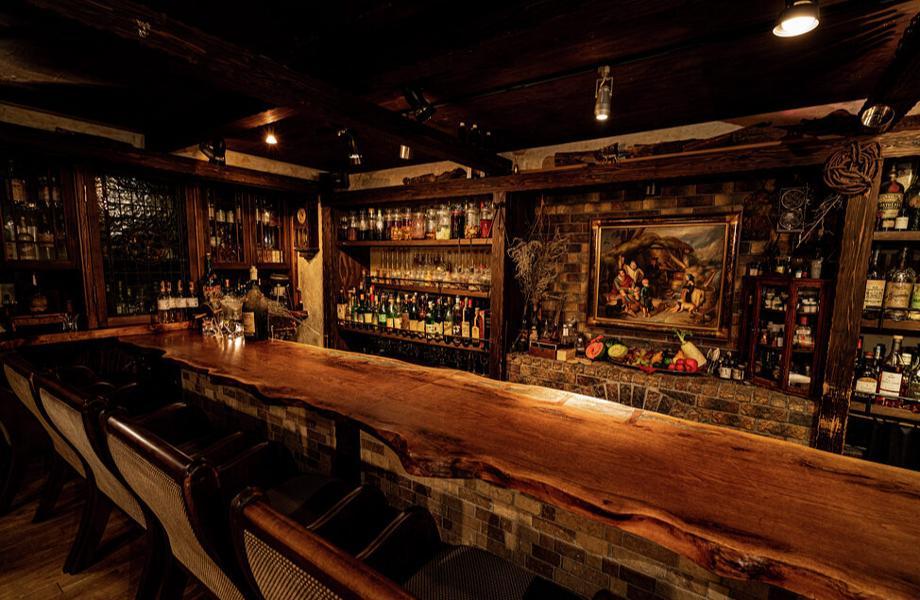
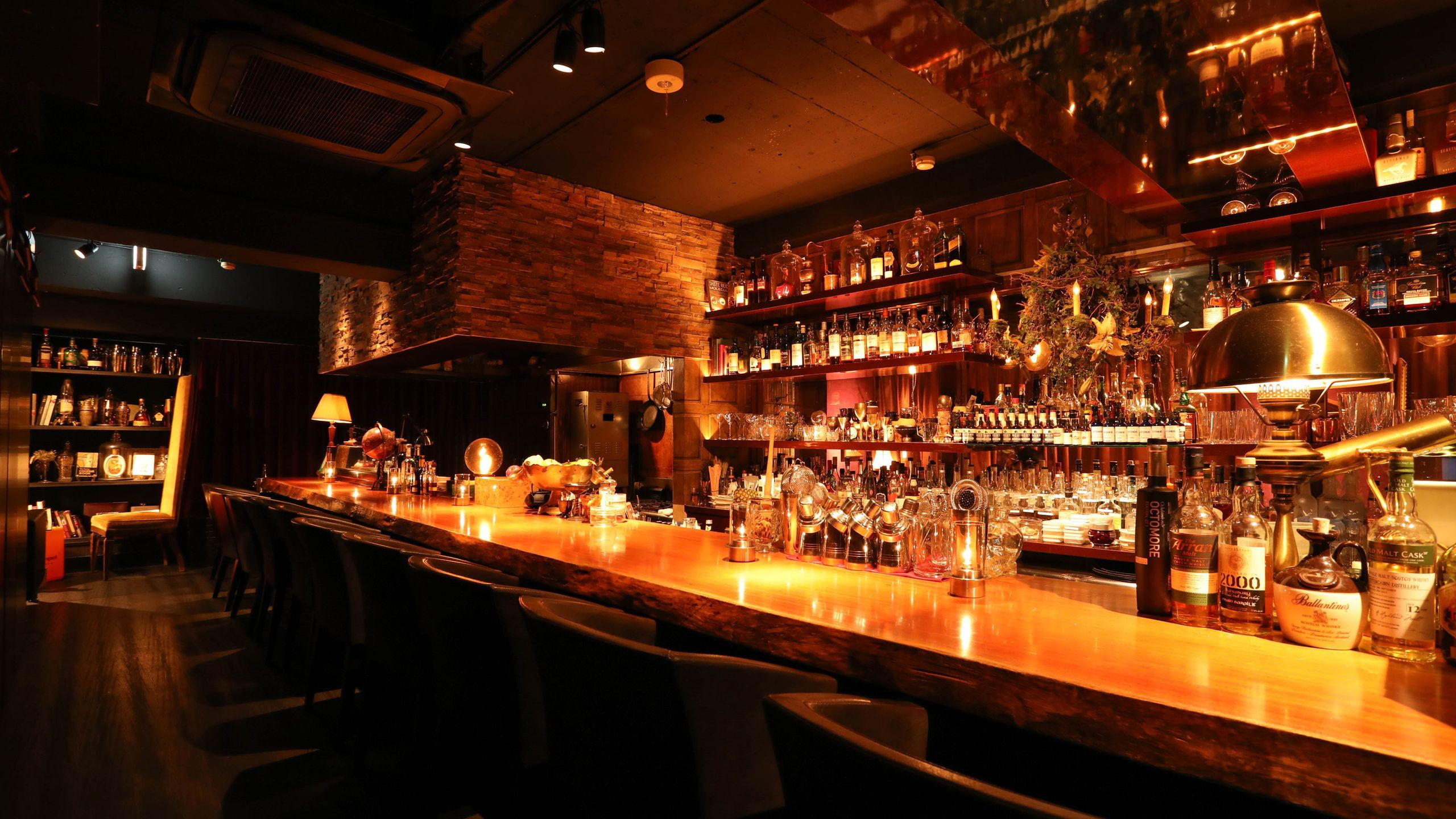
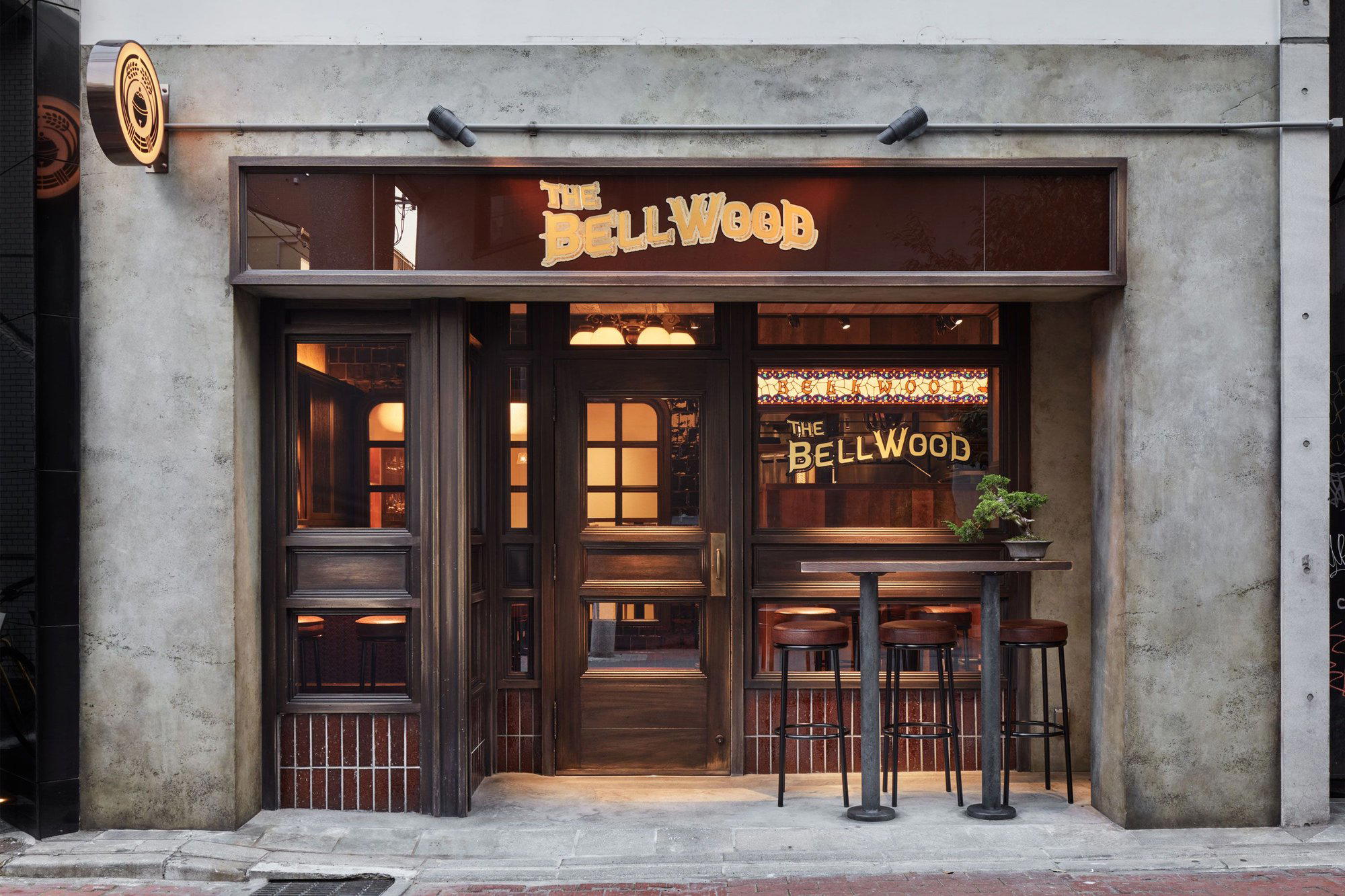
The address, 2-chome, 4-1, Building 1, Room 105, suggests a sub-street-level or ground-floor unit inside a low-rise residential and commercial block, the kind of space that is ubiquitous in Tokyo's mid-density wards and has historically housed some of the city's most serious small restaurants. These environments have a particular character: narrow entry, often unmarked or minimally signed, with the transition from street to interior acting as a kind of sensory reset. The sounds of the surrounding ward, the trains on the Marunouchi and Oedo lines nearby, the foot traffic of Shinjuku-dori, all of it tends to fall away at the threshold. What replaces it is usually warmth, in both the thermal and tonal sense, controlled light, and the particular quiet that comes from a room with limited covers and a focused kitchen rhythm.
In Tokyo's smaller restaurants, the physical environment is rarely accidental. The proportions of a room, the placement of the counter relative to the kitchen, the material of the surface in front of you, these choices carry as much intention as the food itself. That principle holds across the city's dining culture from the kaiseki rooms of Kyoto's tradition, preserved in venues like Gion Sasaki, to the more contemporary French-inflected formats at L'Effervescence and Sézanne in Tokyo proper. The spatial typology of its address makes it a reasonable working assumption.
Hototogisu presents an unusual profile in the context of Tokyo's better-documented restaurant tier. Cuisine type, price range, chef name, seat count, booking method, and hours are best confirmed directly. Some of Tokyo's most precisely operated restaurants maintain a deliberately low external footprint, preferring word-of-mouth allocation over platform visibility. The model has precedents across Japan: HAJIME in Osaka and akordu in Nara both operate within regional contexts where the restaurant's presence in the international data ecosystem is secondary to its local standing.
For the visitor arriving without a direct contact or a local intermediary, this creates a specific kind of challenge. Tokyo rewards preparation more than almost any other dining city, and restaurants in sub-street or residential building addresses in Shinjuku are not built for walk-in discovery. The practical implication: if Hototogisu is on your list, one reliable path is through someone who has been before, or through a concierge with established Tokyo restaurant relationships. Online research alone may not resolve the booking question.
This dynamic is not specific to Hototogisu. Across Japan's smaller cities and regional dining scenes, the same pattern holds. Venues like Ipponsugi Kawashima in Nanao, Basha in Nishikawa Machi, and Furukawa Sanno in Sapporo all operate within local reputation networks that function independently of the international review infrastructure. Tokyo has its own version of that infrastructure, but it is porous, and Shinjuku's residential pockets sit at its edges.
How Hototogisu Fits into a Broader Tokyo Itinerary
For a visitor building a serious Tokyo dining programme, Shinjuku is not typically the first ward on the list. Ginza, Azabu-Juban, and Roppongi anchor most high-end itineraries, and newer formats in Aoyama and Minami-Aoyama have absorbed some of the creative energy that once concentrated in Shinjuku. But Shinjuku's 2-chome district has its own dining coherence, less trophy-focused than Ginza and more structurally local, which makes it a useful counterpoint to the more internationally visible circuit.
If you are building around confirmed bookings at venues like Crony, whose innovative French format has established a clear identity in the current Tokyo scene, a Shinjuku evening can function as a different register entirely: smaller, less performative, more embedded in how the city eats when it is not performing for visitors. Whether Hototogisu fits that role depends on information that would need to come from direct contact rather than published sources.
For comparison across Japan's broader dining geography, the contrast between Tokyo's density and the slower rhythms of venues like Goh in Fukuoka or Kogen Shokudo in Takashima is instructive. Tokyo rewards those who come with a plan. Regional Japan rewards those who come with patience. Shinjuku, as a district, sits somewhere between the two registers, which may be part of why restaurants like Hototogisu resist easy categorisation.
Venues at a comparable international standard in entirely different geographies, such as Le Bernardin in New York or Atomix, operate with transparent booking infrastructure and well-documented formats, a useful reminder that the opacity of a restaurant's public profile is a choice, not a limitation. When a restaurant in a city as connected as Tokyo maintains that opacity, it is usually deliberate.
Planning Details
Address: 2-chome 4-1, Building 1, Room 105, Shinjuku, Tokyo 160-0022. Reservations: Walk-in friendly. Price: About US$12 per person. Hours: Tue to Sun, 11 AM to 3 PM and 6:30 PM to 9 PM; closed Monday and Sunday. International comparisons for format context: Bistro Ange in Toyohashi and Birdland in Sakai offer regional Japanese restaurant models with more accessible data profiles.
Budget and Context
Comparable venues nearby, for context on price, style, and recognition.
| Venue | Cuisine | Price |
|---|---|---|
| HototogisuThis venue — the venue you are viewing | Shinjuku, Michelin-Starred Seafood Ramen | $$ |
| Azabu Shokudo (麻布食堂) | Nishiazabu, Yoshoku Omurice | $$ |
| Re:s Cafe Bar & Sweets | Nishi Waseda, Japanese Dessert Cafe | $$ |
| Kayanoya (茅乃舎) | Roppongi, Dashi Oden Japanese | $$ |
| 傳 | Shibuya, japanese | Not listed |
| breadworks Omotesando | Minato, Bakery-Cafe | $$ |
Recognition history
Dated appearances from independent guides and award organizations, with the underlying list record or original source where available.
Opinionated About Dining Casual in Japan Ranked #82
Opinionated About Dining







At a Glance
- Cozy
- Intimate
- Casual Hangout
- Solo
- Sake Program
Current opening hours
- Monday
- Closed
- Tuesday
- 11 AM–3 PM, 6:30–9 PM
- Wednesday
- 11 AM–3 PM, 6:30–9 PM
- Thursday
- 11 AM–3 PM, 6:30–9 PM
- Friday
- 11 AM–3 PM, 6:30–9 PM
- Saturday
- 11 AM–3 PM, 6:30–9 PM
- Sunday
- Closed
Hours can change for holidays and private events. Last verified .
Cozy, no-frills intimate setting focused on the ramen experience with functional decor in a quiet back lane.