
Kurobuta Tonkatsu Hori Ichi belongs to Tokyo’s serious tonkatsu circuit, where pork selection, fry discipline, and set-meal architecture matter more than theatre. Its Tabelog 100 Tonkatsu 2026 selection and compact Shinbashi setting place it in a narrow category: a focused cutlet restaurant with everyday pricing signals but award-list credibility.
Pearl is the En Primeur Club membership app — saves, bookings, and concierge access live there. Same editors, same standards.
- Address
- Japan, 〒105-0004 Tokyo, Minato City, Shinbashi, 3 Chome−8−5 地下1階
- Phone
- +81 3-6435-7211
- Website
- tonkatsu-horiichi.com
 Saves & bookings on Pearl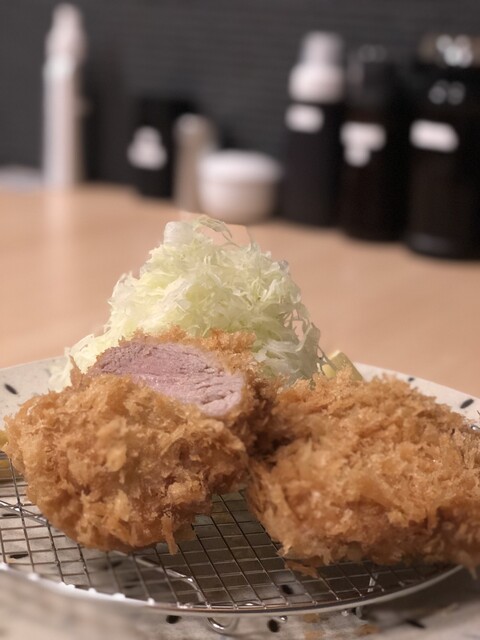
Shinbashi changes register quickly: office blocks, basement signs, narrow stairwells, and the lunch-hour compression that turns a simple pork cutlet into a test of timing. In that setting, tonkatsu is not a novelty dish. It is a Tokyo working-day institution, judged by breading, oil management, pork quality, cabbage, rice, soup, and the calm confidence of a menu that does not need to sprawl.
Kurobuta Tonkatsu Hori Ichi sits in that tradition rather than outside it. The cue is in the name: kurobuta points the meal toward premium black pork, but the restaurant’s importance comes from format as much as ingredient. Tokyo’s serious tonkatsu rooms tend to be built around a tight sequence of choices, usually organized by cut, portion, and set structure. The diner is not asked to decode a long menu; the point is to choose where the fat, tenderness, and crispness should land.
A Tonkatsu Menu Built Around Cut, Not Performance
The menu architecture says a great deal about the category. Tonkatsu houses at this level usually separate leaner hire-katsu from richer rosu-katsu, then let sides and condiments support the pork rather than compete with it. That structure creates a useful distinction for travellers: this is not the multi-course Tokyo splurge associated with sushi counters or kaiseki rooms, but it is also not a casual cutlet stop where volume hides imprecision.
The 2026 Tabelog 100 Tonkatsu selection gives the restaurant a clear trust signal in a city where tonkatsu has become a deep specialist field. Tabelog’s tonkatsu list is useful because it separates the category from general Japanese dining rankings; it places cutlet houses against other cutlet houses, where small differences in frying, pork sourcing, and pacing carry more weight than room design. Kurobuta Tonkatsu Hori Ichi also appeared in the 2024 Tabelog 100 Tonkatsu selection, which points to continuity rather than a single-year spike.
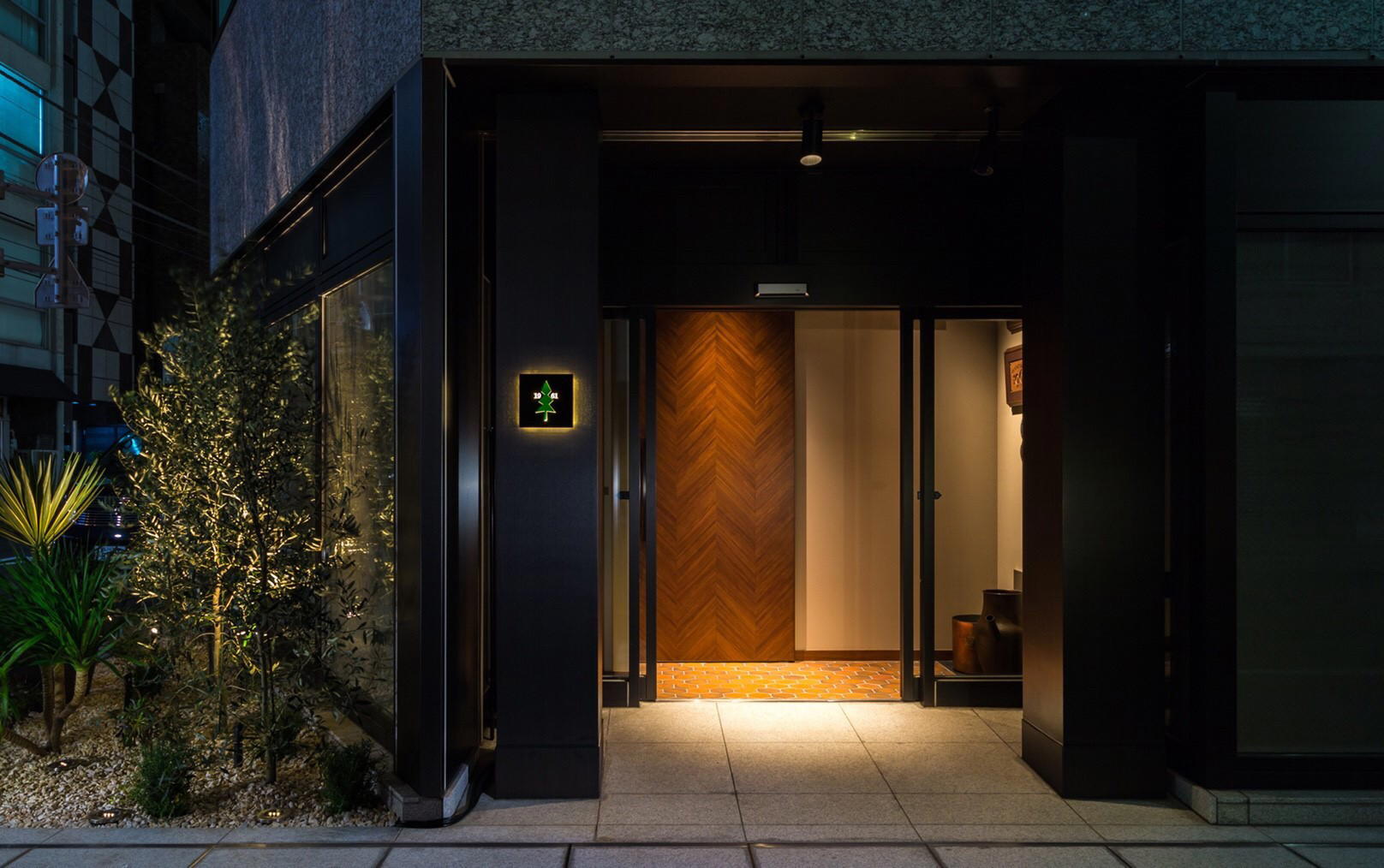
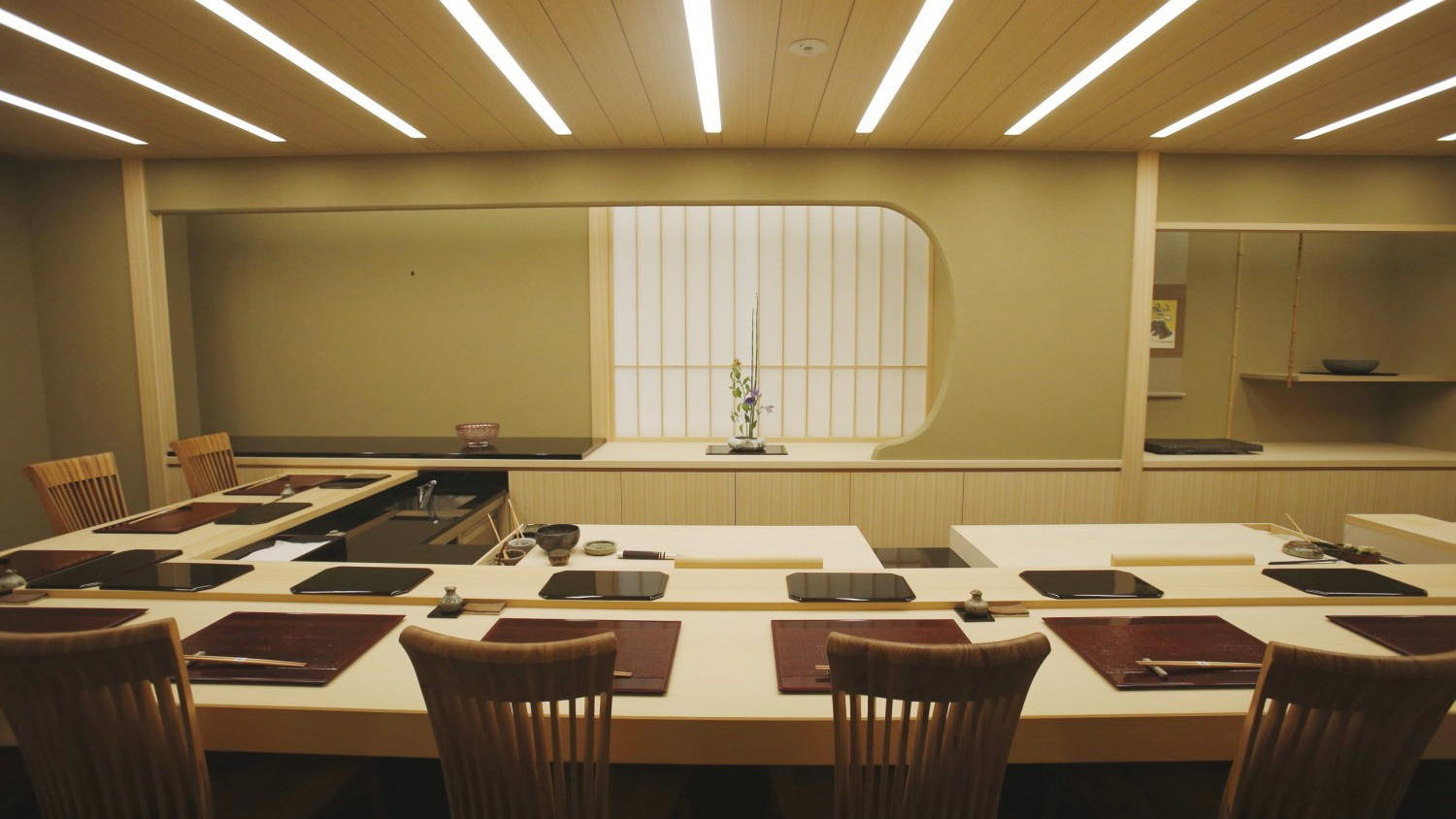
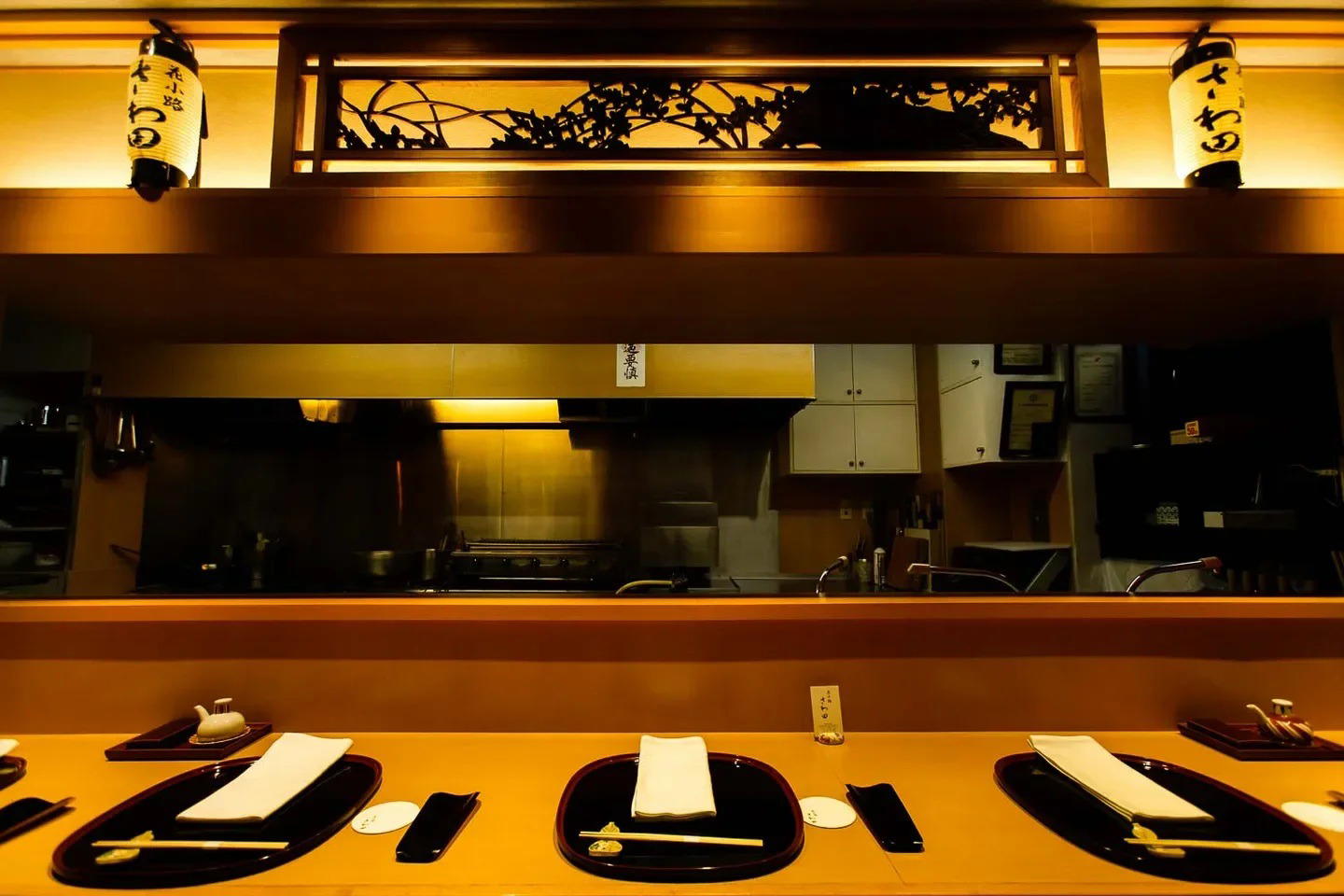
That matters in Tokyo because tonkatsu occupies a different value band from many other destination meals. Sushi and kaiseki often use price as part of the filter; tonkatsu is more democratic, but the serious end of the category still rewards planning. A focused restaurant with only 12 seats, split between four counter seats and two four-person tables, changes the rhythm. It makes the meal feel closer to a specialist workshop than a large lunch hall.
For a broader view of how this fits into the city, Our full Tokyo restaurants guide covers the range from counters to casual rooms. Nearby comparison also helps. . 鮪と炭火焼き うお炭 秋葉原店 reads through seafood and charcoal, 124. KAGURAZAKA (Yakitori) through skewered chicken discipline, and 3 Chome no Curry Ya San through the city’s curry culture. Tonkatsu belongs beside those formats because it is similarly narrow, repeatable, and exacting.
Shinbashi Makes the Format Sharper
Shinbashi is one of Tokyo’s clearest neighbourhoods for understanding the difference between luxury dining and serious everyday dining. The area’s food culture is shaped by workers, commuters, short meal windows, and places that survive by doing one thing with discipline. In that context, the basement location is not a decorative detail; it fits a local pattern where small rooms below street level can carry more authority than larger, brighter spaces above ground.
The restaurant’s drink note, sake and shochu, keeps the frame Japanese without turning tonkatsu into a bar-led experience. That pairing logic is modest but telling: fried pork has enough weight to take alcohol, yet the meal structure remains anchored by the cutlet set. Private rooms are not part of the format, and the non-smoking policy keeps the room aligned with contemporary Tokyo dining expectations.
Comparison within Tokyo is useful only when the formats are kept distinct. Tachiguisushi Akira belongs to the standing-sushi lane, Hirosaku to kaiseki, and Oniyanma Shimbashi ten to ultra-efficient udon. Kurobuta Tonkatsu Hori Ichi occupies another lane: specialist pork cutlet dining with award-list recognition and a compact room. Among Shinbashi options, that makes it a sharper choice for travellers who want a category-specific meal rather than a general Japanese restaurant.
The same logic extends beyond Tokyo. Regional and overseas Japanese dining can be rewarding, but the capital’s single-subject restaurants are unusually precise. For contrast, -Grilled beef Sukiyaki- KAMAKURA TANUKIAN 鎌倉 たぬき庵 in Kamakura frames beef through sukiyaki, [ki:] in Kyoto points toward Kyoto’s dining register, and [Curry Senmon Ten] Maruyama Kyoju. in Sapporo shows how curry culture changes by city. Tonkatsu in Shinbashi is narrower and faster, but not less serious.
Who Should Prioritize This Meal
This is the right kind of booking for travellers who care about Japanese food categories in their own terms. It is not a chef-biography restaurant, and no chef narrative is needed to explain the appeal. The evidence is structural: a compact tonkatsu room, kurobuta emphasis, Tabelog 100 Tonkatsu recognition in 2026 and 2024, and a menu logic built around pork cut rather than novelty.
It works especially well as a counterpoint to Tokyo meals that demand ceremony. A day might reasonably pair tonkatsu with sushi, yakitori, or curry to understand how the city’s narrower formats operate. 12/10 Shinjuku ten and 2D Cafe show other casual registers, while the city’s drinking and lodging sides sit in Our full Tokyo bars guide and Our full Tokyo hotels guide. For itineraries that stretch beyond restaurants, Our full Tokyo experiences guide and Our full Tokyo wineries guide broaden the planning frame.
The editorial call is simple: prioritize it if tonkatsu is part of the reason for being in Tokyo, not if the meal needs a long tasting-menu arc. The value lies in a tightly defined Japanese comfort-food format executed inside a recognized specialist category. Travellers building a Japan-wide food map can compare that focus with.cafe in Osaka.know in Kumamoto, and (Shoku) Vietnam in Kawasaki. Overseas parallels such as Jōdo Saké Bar in Los Angeles and Onigiri Time in Pasadena underline the point: Japanese dining abroad often translates categories, while Tokyo’s small specialist rooms define them at the source.
A Quick Peer Check
Comparable venues to calibrate price, style, and recognition.
| Venue | Cuisine | Price | Notes |
|---|---|---|---|
| Kurobuta Tonkatsu Hori IchiThis venue — the venue you are viewing | Kurobuta tonkatsu specialist | $$ | Not listed |
| Menya Hanabi (麺屋はなび 新宿店) | Taiwan Mazesoba | $$ | Minami Shinjuku |
| Kinozen | Traditional Japanese Sweets | $$ | Kagurazaka |
| Kajitsuen Riberu | Fruit Parlor | $$ | Meguro |
| Ginza Hachigo | Modern French-inspired Ramen | $$ | Chūō |
| TAKEUCHI Chiyoda kanda jinbou honten | Japanese Curry | $$ | Chiyoda |
Recognition history
Dated appearances from independent guides and award organizations, with the underlying list record or original source where available.
Tabelog 100 #79 · No. 79
Tabelog · Tabelog 100 - Tonkatsu - 2026







At a Glance
- Cozy
- Intimate
- Classic
- Solo
- After Work
- Casual Hangout
- Date Night
- Chefs Counter
- Standalone
- Design Destination
- Local Sourcing
Current opening hours
- Monday
- Closed
- Tuesday
- Closed
- Wednesday
- 11:10 AM–3 PM
- Thursday
- 11:10 AM–3 PM, 6–8 PM
- Friday
- 11:10 AM–3 PM
- Saturday
- 11:10 AM–3 PM, 6–8:30 PM
- Sunday
- Closed
Hours can change for holidays and private events. Last verified .
A small basement hideaway with only 12 seats, described as cozy and quietly atmospheric, focused on an omakase-style tonkatsu experience without flashy decor or gimmicks.