Our verdict
Korean cuisine in Kyoto occupies a particular niche: the city's ingredient culture, built around seasonal produce and close supplier relationships, shapes even its non-Japanese kitchens. 韓国料理あやん, located in the Shimogyo district, operates in that space where Korean cooking tradition meets Kyoto's sourcing expectations. For travelers working through the city's broader dining picture, it represents a distinct alternative to the kaiseki-heavy mainstream.

Pearl is the En Primeur Club membership app, where members save venues, book tables and use the concierge.
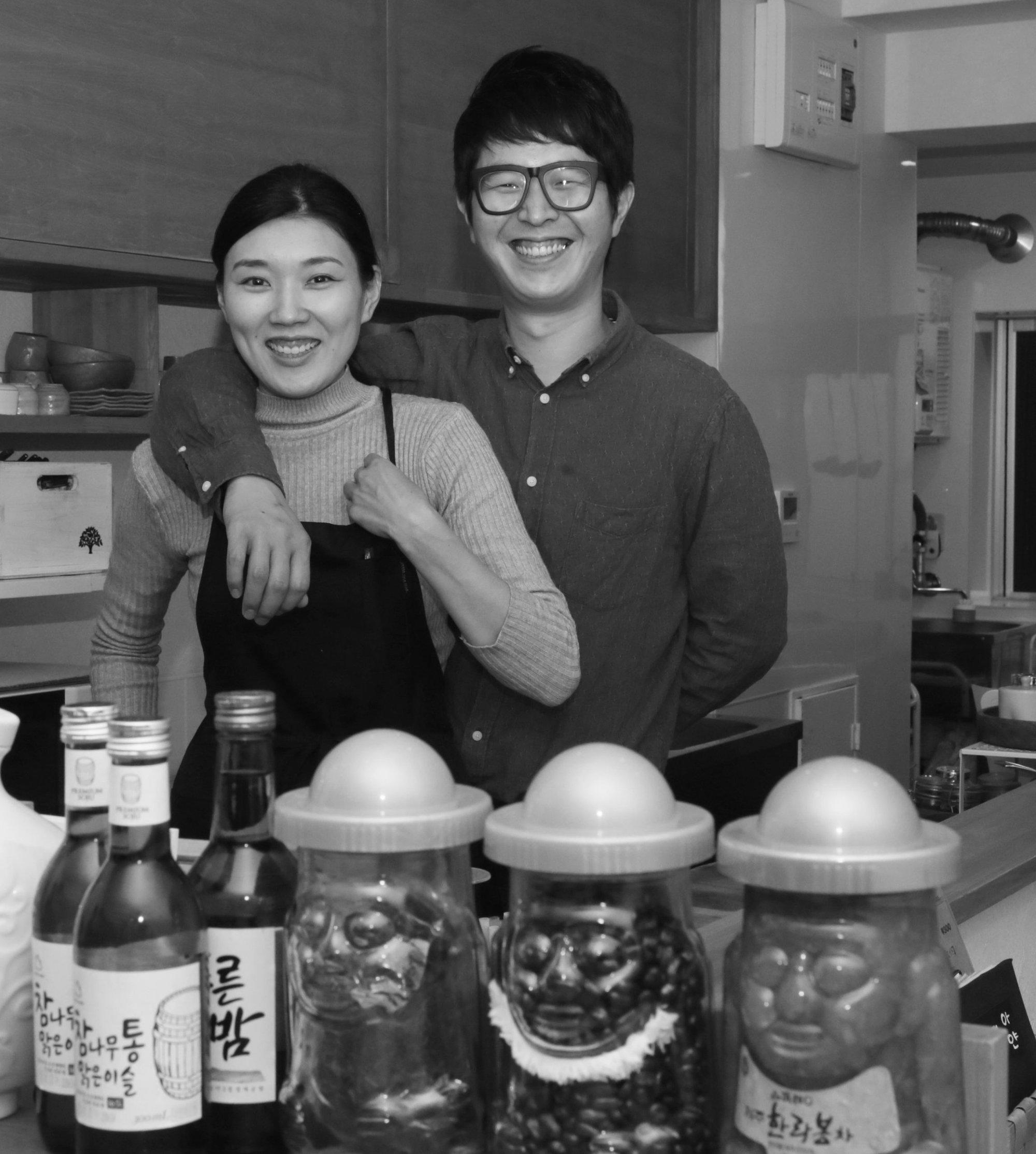
The menu
What to order
- Samgyeopsal
- Sundubu-jjigae
- Seolleongtang
- Chijimi
- Kyoto Pork Steamed Pork
- Jajangmyeon
Korean Cooking in a City Defined by Its Ingredients
Kyoto's dining culture is organized around a single governing principle: the ingredient precedes everything else. The city's kaiseki tradition, represented at its upper tier by restaurants like Gion Sasaki and Kikunoi Honten, treats seasonal produce, river fish, and mountain vegetables as the primary text, technique is annotation. That ethos bleeds into the city's non-Japanese kitchens too. A Korean restaurant operating in Shimogyo-ku, one of Kyoto's older central wards, inherits a food culture where sourcing is visible, where diners expect to know where things come from, and where the gap between market and plate is kept deliberately short.
韓国料理あやん sits in this context. Shimogyo-ku runs south from central Kyoto, a dense residential and commercial ward without the tourist foot traffic of Gion or the institutional weight of Higashiyama. Korean restaurants in Kyoto tend to cluster closer to transit corridors, and the ward's postal code, 600-8388, places the restaurant in a neighborhood that functions primarily for the people who live and work there rather than for visitors passing through. That locational logic matters when thinking about sourcing: restaurants embedded in residential Kyoto often rely on the same local markets and supplier networks as their kaiseki neighbors.
What Korean Cooking Looks Like Through a Kyoto Ingredient Lens
Korean cuisine, at its structural core, depends on fermented elements, gochujang, doenjang, kimchi in its many regional forms, alongside grilled proteins, rice, and banchan, the small side dishes that frame a Korean meal. In Japan, Korean cooking has two distinct registers: the yakiniku and Korean barbecue mode, which is widespread and well-understood, and a more nuanced home-cooking or regional-Korean register that is considerably rarer. The distinction matters because the sourcing logic is completely different. Yakiniku operates on protein quality, the grade of beef, the cut selection. More home-style Korean cooking depends on fermented condiments, seasonal vegetables, and the kind of careful background preparation that shares more DNA with Kyoto's own culinary habits than most observers expect.
Kyoto's vegetable culture is formally recognized: Kyo-yasai, the city's designated traditional vegetables, include items like Kamo eggplant, Kujo negi (a variety of Welsh onion), and Manganji peppers, all of which are grown in specific Kyoto-area plots and sold through dedicated supplier channels. A Korean kitchen in Kyoto has access to this produce, and the peppers especially, Manganji, with their mild heat and thick flesh, translate naturally into Korean flavor profiles.
For comparison, Korean cooking's relationship to high-end Japanese dining contexts has been explored at places like Atomix in New York City, where Korean technique is repositioned into a tasting-menu format with explicit sourcing narratives. That model is ambitious and expensive. What Kyoto's neighborhood-embedded Korean restaurants offer is something different: cuisine functioning on its own terms, in a city where the ingredient culture is saturating enough to influence everything around it.
The Shimogyo Setting
Approaching Shimogyo-ku from Kyoto Station, the ward's most prominent landmark and a major transit node, the neighborhood shifts quickly from the commercial density around the station into quieter residential blocks. The architecture is low, a mix of older machiya townhouse structures and postwar concrete buildings, with the kind of unglamorous street-level commerce that sustains a working district: small grocers, local izakayas, family-run lunch spots. This is not the Kyoto of temple approaches and tourist menus. Restaurants here are operating for a local clientele with regular habits and specific expectations.
That context shapes the physical experience of the restaurant before a dish arrives. The Shimogyo ward's Korean restaurants are not in the business of spectacle. The room, the approach, the service register, all of these tend toward the functional and the familiar. For travelers accustomed to the more performance-oriented end of Kyoto dining, represented at its extreme by the kaiseki format at places like Hyotei or Mizai, a neighborhood Korean restaurant in Shimogyo operates on entirely different assumptions about what a meal is for.
Placing 韓国料理あやん in the Broader Kyoto Dining Picture
Kyoto's restaurant scene, for all its international recognition, is not monolithic. The kaiseki tier, Isshisoden Nakamura and its peers, represents one tradition. But the city also sustains a dense layer of local, non-Japanese restaurants that serve Kyoto's resident Korean community, its university population, and a growing number of food-aware visitors who have already worked through the kaiseki circuit. Across the Kansai region, the interplay between Japanese and Korean culinary traditions is more pronounced than in most other parts of Japan, Osaka's food culture, for instance (see HAJIME in Osaka), exists in a city with one of Japan's largest Korean-Japanese communities, and that history is present in the food at every price point.
For context, Kyoto's kaiseki tier typically runs from ¥15,000 to well above ¥30,000 per person. Korean restaurants in residential Kyoto wards generally operate at a fraction of that, making them the kind of option that works for a lunch between temple visits or a relaxed weekday dinner without the formality of a kaiseki booking. Travelers building a multi-day Kyoto itinerary might also consider akordu in nearby Nara for a different register of the region's non-Japanese dining.
Our full Kyoto restaurants guide maps the broader scene across price tiers, neighborhoods, and cuisine types, which is useful context for deciding where 韓国料理あやん fits into a larger itinerary. Those exploring further afield in Japan might reference Goh in Fukuoka or Harutaka in Tokyo for calibration on what serious, ingredient-driven cooking looks like in other Japanese cities. Additional regional options worth noting include 一本杉 川嶋制 in Nanao, 夕暮れ山乃 in Sapporo, 湖畔荘庵 in Takashima, 羽根屋 in Nishikawa Machi, Birdland in Sakai, and Bistro Ange in Toyohashi for a fuller picture of Japan's regional dining range. Le Bernardin in New York City remains a useful international reference point for ingredient-sourcing discipline in a non-Japanese context.
Planning Your Visit
| Detail | 韓国料理あやん | Typical Kyoto Kaiseki | Typical Kansai Korean |
|---|---|---|---|
| Price tier | Not confirmed | ¥¥¥¥ (¥15,000+) | ¥–¥¥ |
| Booking lead time | Not confirmed | Weeks to months in advance | Walk-in or same-day |
| District character | Residential Shimogyo | Gion, Higashiyama, central | Near transit corridors |
| Service register | Neighborhood restaurant | Formal, structured | Casual, family-run |
Before visiting, confirm operating hours through local search or mapping tools, as neighborhood restaurants in Shimogyo occasionally operate on limited weekly schedules or close between lunch and dinner services.
Frequently asked questions
Where exactly is 韓国料理あやん?
韓国料理あやん is located at 京都市下京区, 京都府, 600-8388, Kyoto.
Is 韓国料理あやん a good option for a casual dinner near Kyoto Station?
Located in Shimogyo-ku at postal code 600-8388, 韓国料理あやん sits within the ward that borders Kyoto Station to the south, making it accessible relative to the city's more dispersed dining districts. Korean restaurants in this part of Kyoto tend to occupy the casual, neighbourhood-facing tier rather than the formal kaiseki or counter-omakase segment. That positioning suits visitors looking for a relaxed, ingredient-driven meal without the advance planning that Kyoto's higher-profile tables require.
What dish is 韓国料理あやん famous for?
No dish-level data has been confirmed for 韓国料理あやん. Korean restaurants operating in Kyoto's residential wards, particularly in Shimogyo-ku, typically anchor their menus around fermented staples, kimchi, doenjang jjigae, and grilled meats, shaped by whatever seasonal produce the city's markets are offering. Until verified menu records are available, the safest approach is to visit and ask what the kitchen is featuring that day.
Do I need a reservation for 韓国料理あやん?
Neighborhood Korean restaurants in Kyoto's Shimogyo-ku district generally operate on a walk-in basis during quieter weekday periods, though weekend evenings near Kyoto Station tend to draw higher foot traffic across the ward. Contacting the restaurant directly before visiting is advisable, particularly for groups.
A Quick Peer Check
Comparable venues nearby, for context on price, style, and recognition.
| Venue | Cuisine | Price | Awards | Notes |
|---|---|---|---|---|
| 韓国料理あやんThis venue (the venue you are viewing) | Authentic Korean Home-Style Cuisine | $10–20 | Not listed | Not listed |
| Kissa Madrague | Japanese Kissaten / Café | $10–20 | Tabelog 100 | Nakagyō |
| eight | Artisanal Bakery & Western-style Sweets | $1–10 | Tabelog 100 #92 | Fushimi |
| Hitsuji | Donut & coffee shop | $1–10 | Tabelog 100 #93 | Nakagyō |
| 京ゆば工房 | Kyoto Yuba Workshop | $1–10 | Not listed | Higashiyama |
| Curry Senmon Ten Biyanto | Japanese Curry | Not listed | Tabelog 100 #32 | Sakyō |
Continue exploring
More in Kyoto
Restaurants in Kyoto
All restaurants in Kyoto →
Bars in Kyoto
All bars in Kyoto →

Hotels in Kyoto
All hotels in Kyoto →


Wineries in Kyoto
Browse all →
Details
- Lively
- Casual
- Energetic
- Group Dining
- Family
- Casual Hangout
- After Work
- Local Sourcing
- A La Carte
- Set Menu
- Family Style
- Vegetarian Friendly
- Allergy Accommodating
Casual, warm Korean dining atmosphere with traditional metal utensils and side dishes; lively energy with K-POP music in some locations; relaxed and welcoming for families and groups.