
Tabelog 100 #93
Our verdict
Hitsuji belongs to Kyoto’s quieter sweets culture: small counters, narrow menus, and snacks treated with the same seriousness as formal dining. Its donut-and-cafe identity, nine-seat counter format, and repeated Tabelog Sweets WEST 100 selections place it in a specialist tier rather than the city’s temple-side confectionery circuit.

Pearl is the En Primeur Club membership app — saves, bookings, and concierge access live there. Same editors, same standards.
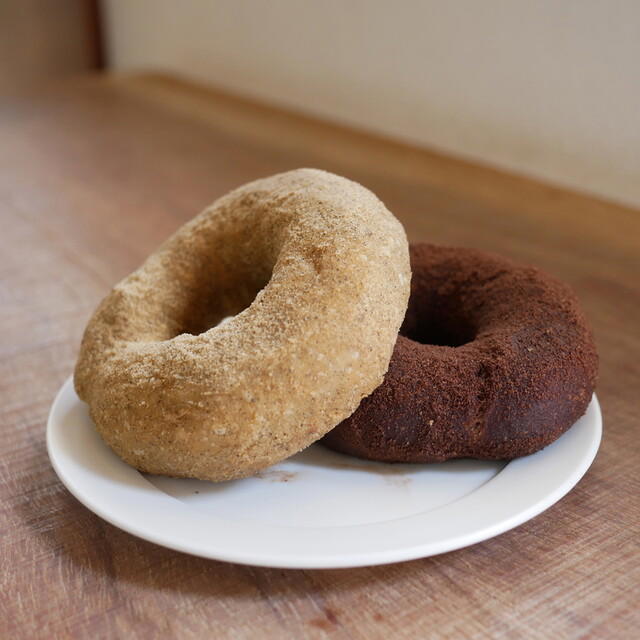
Kyoto’s sweets addresses often announce themselves softly: modest presentation, focused menus, and a rhythm that asks for attention rather than ceremony. Hitsuji fits that broader pattern. Its identity in the donut and cafe categories turns a casual stop into a short, concentrated encounter with Kyoto’s specialist snack culture.
Read Hitsuji not as a cafe in the broad Western sense, but as a focused sweets address built around a narrow category. Kyoto has long treated confectionery as serious craft, from wagashi tied to tea practice to long-established sweets traditions. Donuts sit outside that older ceremonial lineage, yet the local standard for precision still applies. In this city, a small menu is rarely a lack of ambition; it is often the operating model.
A donut address inside Kyoto's specialist sweets tier
Hitsuji is listed in the donut and cafe categories, but the cafe label needs qualification. The useful way to understand the place is through sweets-focused discipline rather than a broad, linger-all-day cafe model. Its appeal rests on category clarity, focus, and repeatable pleasure rather than the expectations attached to a full restaurant experience. In Kyoto, that distinction matters: many notable sweets addresses are less about extended service than a tightly managed item, repeated consistently.
The recognition is a strong local signal. Hitsuji appears in the Tabelog Hyakumeiten source for 2023, with a Tabelog score of 3.80 attached to that listing. Tabelog’s category lists are not Michelin-style dining awards; for this kind of address, they can be revealing because they capture the everyday intensity of Japanese dessert culture, where a small shop selling one family of items can draw the same obsessive attention as a formal restaurant.
That places Hitsuji in a different conversation from Kyoto’s more expensive dining rooms. Hafuu Honten sits in a more substantial restaurant bracket, while Gokomachi Tagawa and Tsujifusa represent higher-touch Japanese dining formats. Nonkiya Mune belongs to the izakaya lane. Cafe Bibliotic Hello! is closer in cafe language, but its broader identity differs from a focused donut specialist. Hitsuji’s competitive set is defined not by meal structure, but by the city’s tolerance for narrow, craft-led formats.
What the menu structure says about the experience
Menu architecture is the point. A donut specialist does not need the theatrical sequencing of a formal meal or the decision tree of an izakaya. It asks a simpler question: how much variation can a shop create within a familiar form before the category loses clarity? Kyoto is good at constraint. Its stronger sweets addresses work through repetition, portion control, and limited variables rather than novelty for its own sake.
That restraint suits visitors who want a concise stop rather than a long meal. The occasion is less about large groups or private-room entertaining than a short urban pause. The experience belongs to a break between galleries, shopping, transit, or a later restaurant booking. It is the opposite of itinerary bloat: precision at low commitment.
Kyoto rewards this planning. The city is dense with small food addresses that work better as part of a walking day than as spectacle-led destinations. Readers mapping a broader route can pair sweets with nearby restaurant research through Our full Kyoto restaurants guide, or build around category contrasts with other Kyoto dining rooms. The older local sweets vocabulary is especially useful as a reference point: it shows how a nontraditional form such as donuts can be absorbed into the city’s craft logic.
How to place it in a Kyoto day
Use Hitsuji as a sweets stop, not a lunch or dinner substitute. The budget band is listed as Dinner: - JPY 999; Lunch: - JPY 999, which makes it a low-risk addition in a city where serious eating can quickly become reservation-heavy. The important planning point is simple: treat it as a compact snack stop rather than the anchor meal of the day.
Access fits Kyoto walking patterns rather than destination-only planning. Keep the location frame broad: Kyoto, with the shop best understood as one point in a compact urban circuit. Instead of building a whole day around it, fold the visit into a route that already includes food, shopping, culture, or a later reservation.
For travellers building the rest of the trip, the useful frame is category diversity. Kyoto rewards alternating formats: a sweets stop here, a serious Japanese dinner elsewhere, a bar after that, and a cultural appointment when the temple circuit starts to blur. EP Club’s Kyoto planning pages cover the broader map through Our full Kyoto hotels guide, Our full Kyoto bars guide, Our full Kyoto wineries guide, and Our full Kyoto experiences guide.
For Japan-wide context, the same small-format logic appears across the country: casual specialists, single-category shops, and compact experiences with a clear purpose. Similar patterns can be found in other cities without needing to flatten Hitsuji into a generic trend. The point is not that every focused shop is the same, but that Japan often gives serious attention to formats that look modest from the outside.
The takeaway is simple: Hitsuji is strongest when judged by structure, not scale. A focused sweets identity, donut and cafe categorization, low listed budget band, and 2023 Tabelog Hyakumeiten recognition all point to the same conclusion. Kyoto does not reserve seriousness for expensive dining rooms. Sometimes it appears in a donut shop that understands exactly how little it needs to add.
Frequently asked questions
Is Hitsuji more mid-range or high-end?
Pricing at Hitsuji is listed as - JPY 999 - JPY 999 View spending breakdown.
How do I find Hitsuji?
Hitsuji is located in Kyoto.
What time does Hitsuji open and close?
Check current opening hours directly with Hitsuji before visiting.
What is Hitsuji known for?
Hitsuji is listed in the donut and cafe categories in Kyoto.
Peers in This Market
Comparable venues in the metro at similar price points.
| Venue | Cuisine | Price | Awards | Notes |
|---|---|---|---|---|
| HitsujiThis venue (the venue you are viewing) | Donut & coffee shop | $1–10 | Tabelog 100 #93 | Not listed |
| Hafuu Honten | Beef-focused Yoshoku & Steakhouse | $50–100 | Tabelog 100 #19 | JPY 10,000 - JPY 14,999 JPY 3,000 - JPY 3,999 |
| Gokomachi Tagawa | Modern Japanese Charcoal Omakase | $200–300 | 1 Michelin Star · Tabelog Bronze #442 | Japanese |
| Tsujifusa | Kappo | $150–200 | 1 Michelin Star | Japanese |
| Nonkiya Mune | Kyoto Izakaya | $50–100 | Michelin Plate · Tabelog 100 #12 | Izakaya |
| Cafe Bibliotic Hello! | Not listed | $10–20 | Tabelog 100 #24 | JPY 1,000 - JPY 1,999 JPY 1,000 - JPY 1,999 |
Recognition history
Dated appearances from independent guides and award organizations, with the underlying list record or original source where available.
Tabelog 100 #93 · No. 93
Tabelog · Tabelog 100 - Sweets - WEST - 2023
Continue exploring
More in Kyoto
Restaurants in Kyoto
All restaurants in Kyoto →


Bars in Kyoto
All bars in Kyoto →



Hotels in Kyoto
All hotels in Kyoto →


Wineries in Kyoto
Browse all →
Details
- Cozy
- Casual Hangout
- Solo
- Family
- After Work
- Standalone
- A La Carte
- Counter Dining
- Coffee
- Tea
Current opening hours
- Monday
- Closed
- Tuesday
- Closed
- Wednesday
- Closed
- Thursday
- 11:30 AM–6 PM
- Friday
- 11:30 AM–6 PM
- Saturday
- 11:30 AM–6 PM
- Sunday
- Closed
Hours can change for holidays and private events. Last verified .
An intimate nine-seat space tucked off the main street, with a low-key cafe feel where most guests quietly enjoy freshly fried donuts or wait patiently for take-out on weekends.