
Tabelog 100 #92
Our verdict
eight places Kyoto’s everyday bakery culture in sharp relief: modest pricing, a Fujinomori setting, and recognition in Tabelog’s Bread WEST “Tabelog 100” selections. The appeal is not ceremony but precision inside a small-format bread-and-Western-sweets category that matters deeply in Japan, where bakeries sit between breakfast counter, neighborhood errand, and serious craft address.

Pearl is the En Primeur Club membership app, where members save venues, book tables and use the concierge.
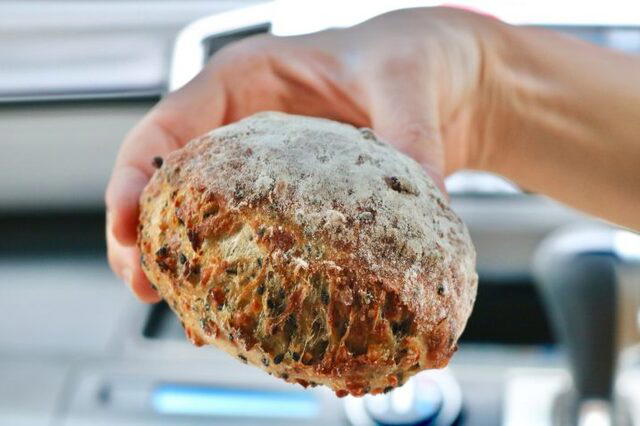
Approaching a serious Kyoto bakery rarely feels like entering a dining room. The rhythm is quicker and more local: commuters between city streets, morning shoppers judging what will survive the ride home, and disciplined display cases where bread and Western-style sweets compete without table service. That frames eight, a Kyoto bakery with a reputation in the city’s less theatrical food register.
Kyoto is often reduced to formal dining, tea, and sweets, but its bakery culture follows separate standards. Japan’s bread shops absorbed varied outside and domestic influences and turned them into daily infrastructure: milk bread, filled rolls, pastries, savory buns, and confectionery-adjacent sweets for routine consumption rather than occasion dining. In that context, a bakery listed in the - JPY 999 band with Tabelog Hyakumeiten recognition sits in a category where repetition, timing, and neighborhood loyalty matter as much as chef mythology.
Kyoto bakery culture outside the tourist circuit
Kyoto changes the reading. This is not only the temple-and-ryokan city that dominates visitor itineraries. The setting gives the bakery a practical audience: city residents, daily shoppers, and travelers treating bread as a serious Kyoto stop rather than a hotel breakfast substitute. Japanese bakeries are judged by frequency; a place for regulars must perform across ordinary mornings, not only under reservation-led pressure.
The Kyoto comparison helps. At one end are higher-commitment restaurants where the commitment is financial and temporal; Teuchi Soba Sushi Imafuku occupies a different bracket than everyday bakery buying. At the other, casual specialists such as Honkaku Teuchi-Udon Taiga and Inari Futaba show how Kyoto supports focused food cultures that are not minor because they are accessible. eight sits nearer that logic: narrow category, repeatable purchase, and quality measured through consistency rather than spectacle.
That pattern runs across the city’s casual addresses. Focused formats link bread counters, udon shops, sweets houses, and compact restaurants more than they link them to luxury dining. For readers mapping Kyoto by culinary behavior rather than price alone, the broader city file helps: Our full Kyoto restaurants guide gives the restaurant context, while Our full Kyoto hotels guide, Our full Kyoto bars guide, Our full Kyoto wineries guide, and Our full Kyoto experiences guide frame the rest of the trip without forcing every stop into one dining hierarchy.
Bread and Western sweets have their own Kyoto seriousness
The award signal is the cleanest level marker. Tabelog’s Hyakumeiten recognition places eight in a regional bakery conversation rather than a general restaurant ranking. It was selected in 2022, giving the shop formal recognition within a specialist category. The listed score of 3.67 matters in Tabelog, where bakery ratings usually move within narrower bands than destination restaurants.
The category is telling: Bread and Western-style sweets. In Japan, that pairing is not incidental. Many bakeries sit between bread shop, snack counter, and pastry case, where one customer might buy something savory for lunch and something sweet for later. Kyoto’s old confectionery traditions have not prevented Western sweets from entering everyday eating grammar; they have sharpened expectations around texture, portion, and restraint. The bakery must be exact because there is little ceremony to hide behind.
Low price band should not be read as low ambition. Kyoto has countless inexpensive food stops, but recognition in a specialist bread list separates serious craft from convenience. The useful comparison is not a tasting menu but other focused formats: a line for udon, a counter with a narrow product set, or a neighborhood sweets shop with loyal cadence. In each case, the question is whether the format earns repeat use.
For adjacent Kyoto references, Abbesses represents a different restaurant register, while other Kyoto dining rooms and sweets counters show how wide the city’s casual-to-specialist spectrum becomes once Kyoto is read beyond temples and set-course dining. The point is not to make every stop equivalent, but to notice how many forms of seriousness the city supports.
The better use is a calibrated Kyoto food stop, not a full meal plan
eight is strongest in a day built around movement rather than destination dinner. The format rewards precise planning: a bakery visit before or between larger meals, a small purchase leaving space for other Kyoto food stops, or a bread-and-sweets detour when the day does not need another seated restaurant. Treating it as a grand occasion misses the point; treating it as evidence of Kyoto’s daily craft culture gets closer.
Practical signals matter, but only in the way small shops always require attention. The safest reading is to plan lightly, keep expectations aligned with a bread-and-sweets counter, and check current details before going. This is small-shop mode rather than hospitality-heavy dining: arrive prepared, buy decisively, and let the stop serve the day rather than dominate it.
The Kyoto location changes itinerary logic. Pairing it with other time in the city makes more sense than forcing it into a checklist built only around formal meals. Here the city’s food culture becomes less performative: bakeries, udon counters, sweets shops, and compact specialists handling daily demand. Inari Futaba and GYUKATSU Kyoto Katsugyu Fushimi Inari belong to the same broader Kyoto conversation, though in different categories and price expectations. The common thread is focused eating around a city route, not cuisine type.
For readers comparing casual Japanese formats beyond Kyoto, the national map is instructive rather than interchangeable. Across Japan, small counters, bakeries, sweets shops, and focused specialists show the country’s comfort with tight formats and category specialization. Outside Japan, Japanese food ideas also travel widely, but Kyoto’s bakery culture is rooted in daily domestic use rather than export identity.
The verdict is simple: eight belongs in a Kyoto itinerary for travelers who understand that craft is not always expensive, seated, or ceremonial. Its Tabelog Hyakumeiten recognition provides the trust signal; Kyoto provides the context. The payoff is a sharper reading of the city as a place where serious eating also happens in small purchases, daily routes, and categories that rarely make the postcard version.
Frequently asked questions
Where exactly is eight?
Kyoto.
What does dinner at eight typically cost?
Pricing at eight is listed as - JPY 999.
What's the best way to book eight?
The public record does not provide a phone number. Check the venue's official channels for the latest details before making eight part of a Kyoto day out.
What's eight best at?
The clearest answer is bread, backed by Tabelog Hyakumeiten recognition in 2022. The listing also includes Western-style sweets, and the price range runs to JPY 999.
What if I have allergies at eight?
The venue is listed for bread and Western-style sweets, so ingredient checks are essential before ordering. Confirm specifics in advance because those details are not published. Check the venue's official channels for the latest details.
A Pricing-First Comparison
Comparable venues by category and price.
| Venue | Cuisine | Price | Awards | Notes |
|---|---|---|---|---|
| eightThis venue (the venue you are viewing) | Artisanal Bakery & Western-style Sweets | $1–10 | Tabelog 100 #92 | Not listed |
| Tsukiji | Traditional Japanese Kissaten / Coffee Shop | $1–10 | Tabelog 100 | Nakagyō, Traditional Japanese Kissaten / Coffee Shop |
| Hitsuji | Donut & coffee shop | $1–10 | Tabelog 100 #93 | Nakagyō, Donut & coffee shop |
| Kew | Dessert Cafe | $10–20 | Tabelog 100 #47 | Ukyō, Dessert Cafe |
| Grandir Shimogamo ten | Bakery & café | $1–10 | Tabelog 100 #45 | Sakyō, Bakery & café |
| OHAYO biscuit | Japanese-style bakery cafe / sweets shop | $10–20 | Tabelog 100 #23 | Kamigyō, Japanese-style bakery cafe / sweets shop |
Recognition history
Dated appearances from independent guides and award organizations, with the underlying list record or original source where available.
Tabelog 100 #92 · No. 92
Tabelog · Tabelog 100 - Bread - WEST - 2022

Continue exploring
More in Kyoto
Restaurants in Kyoto
All restaurants in Kyoto →
Bars in Kyoto
All bars in Kyoto →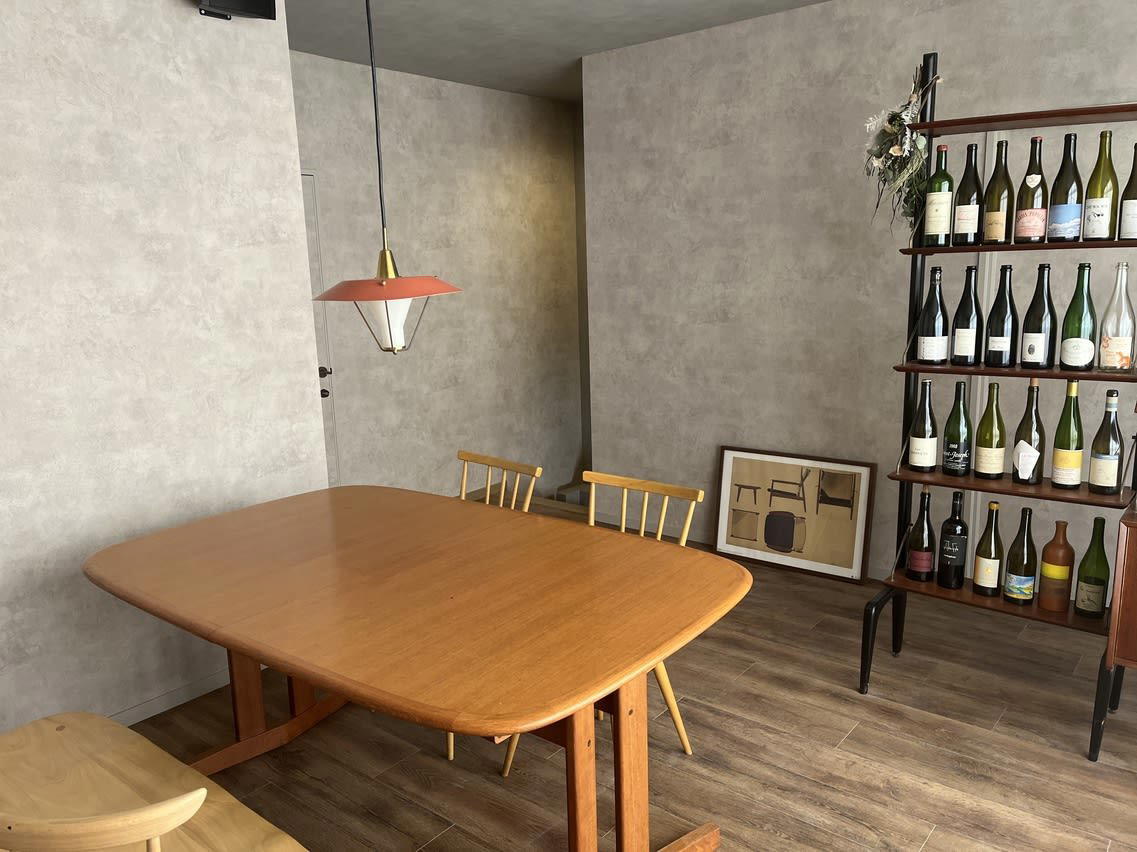
Hotels in Kyoto
All hotels in Kyoto →
Wineries in Kyoto
Browse all →
Details
- Cozy
- Modern
- Solo
- Casual Hangout
- Standalone
- Design Destination
- A La Carte
A small, stylish and modern bakery space with a simple counter-style setup and displays of freshly baked bread, creating a cozy neighborhood feel rather than a sit-down restaurant atmosphere.